VI
VI


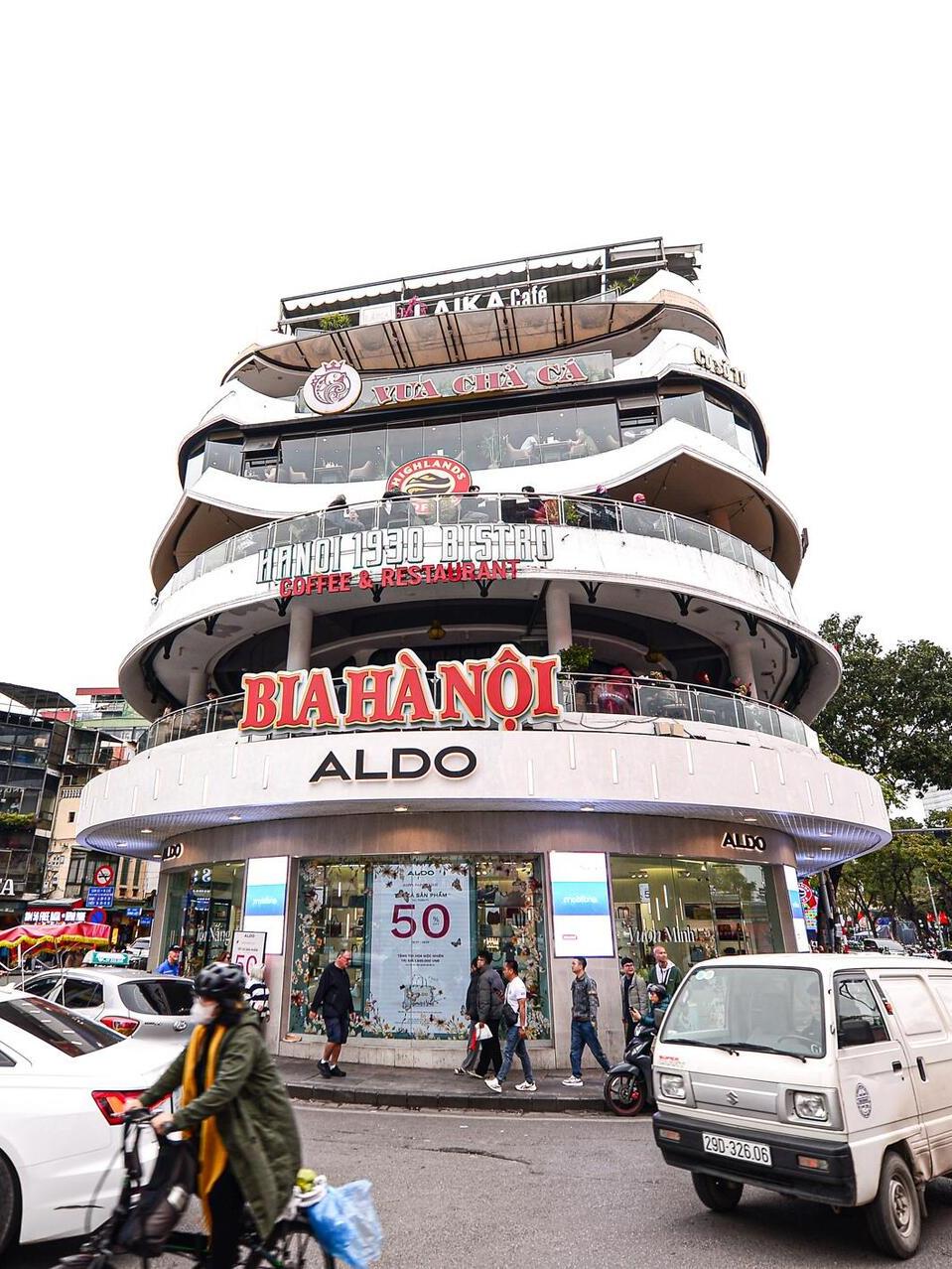
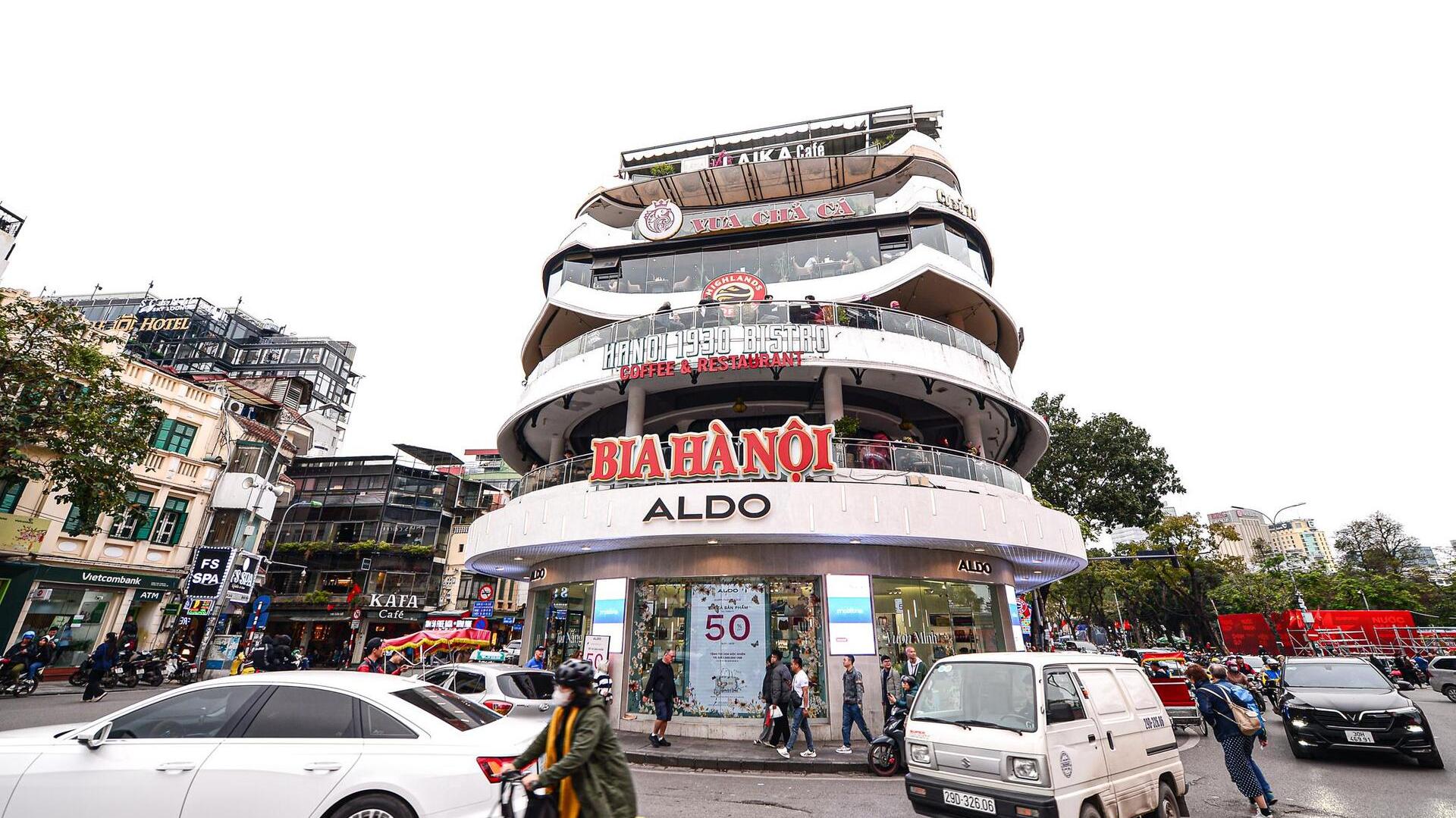
The Hanoi People's Committee has assigned relevant agencies to develop a plan and investment project for the renovation, beautification, and reconstruction of the Dong Kinh - Nghia Thuc Square area, with a focus on demolishing the "Shark's Jaw" building.


The "Shark's Jaw" building was constructed between 1990 and 1993 on the site of an old tram station. Currently, the Hanoi Transport Corporation (Transerco) – a state-owned enterprise under the Hanoi People's Committee – manages and operates the building. Mr. Nguyen Thanh Nam, General Director of Transerco, stated that the company was leased the land and managed the "Shark's Jaw" building by the city for long-term commercial operations. Now that the city intends to reclaim and demolish the building, the company fully agrees.
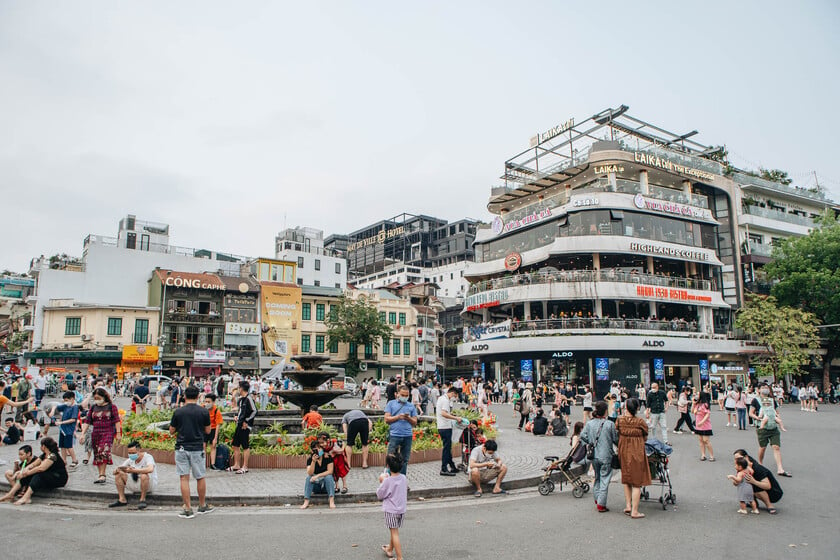
The "Shark's Jaw" building is managed by the Hanoi Transport Corporation (Transerco).
"As a whole, we at Transerco feel that this is both an honor and a responsibility to contribute to the city's development in this new phase," Mr. Nam said.
Mr. Nam stated that, overall, after more than 30 years of construction and commercial operation, the "Shark's Jaw" building has fulfilled its development mission. Originally intended to serve public transportation using a system of rail and wheeled trams, when the tram service ceased operation, the land was converted to a commercial business by the managing entity (Hanoi Tram Company) and has proven effective. In recent years, the building has become a popular tourist attraction for both domestic and international visitors to Hanoi.

Previously, Hanoi approved a decision to plan and renovate the area east of Ho Guom Lake, developing it into a special square and park area. Simultaneously, it will invest in renovating, upgrading, and reconstructing the Dong Kinh - Nghia Thuc Square area, with a focus on demolishing the "Shark's Jaw" building.
Hanoi also endorsed the idea of studying approximately three underground levels in the Dong Kinh - Nghia Thuc Square area. Simultaneously, the city will conduct thorough surveys and propose technical solutions for valuable architectural structures requiring preservation during construction, suggesting appropriate uses for these structures.
Besides demolishing the "Shark's Jaw" building, Hanoi plans to relocate more than 40 households and about 10 offices and businesses near Ho Guom Lake to create a public space for residents. For households located within the project area, Hanoi has assigned the Department of Agriculture and Environment to research, advise, and propose to the City People's Committee the application of the highest possible compensation mechanisms and policies, and to arrange resettlement with land (in Dong Anh district) for those eligible for land compensation.
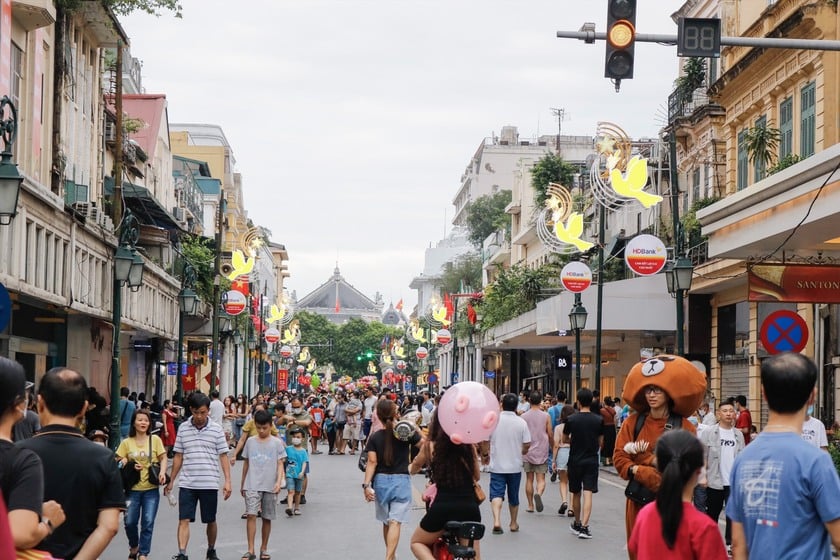
Hanoi will renovate the area east of Ho Guom Lake into a special square and park.
According to Mr. Nguyen Trong Ky Anh, Director of the Hanoi Department of Planning and Architecture, the study on expanding public space around Ho Guom Lake is a concrete implementation of the planning. The General Planning of Hanoi Capital City until 2045, with a vision to 2065, clearly states that the development orientation for the Ho Guom Lake area is to study preservation, renovation, and organization in a way that creates more public spaces. According to Mr. Ky Anh, after demolishing the "Shark's Jaw" building and combining it with the surrounding streets, approximately 1.2 hectares of space will be created to serve cultural and artistic activities during major commemorative events. In recent years, the pedestrian area around Ho Guom Lake has become a venue for many large-scale cultural and artistic events, but due to its small size, the area is always overcrowded.
The area east of Hoan Kiem Lake and Dong Kinh Nghia Thuc Square are interconnected, so creating a space that links historical monuments and waterfront landscapes such as Hoan Kiem Lake, Ngoc Son Temple, the Pen Tower, and Ba Kieu Temple would be very beneficial for the capital city.