VI
VI


The Arab world is a beautiful name for the Arab bloc, comprising 22 countries stretching from West Asia to North Africa. Many of these countries are famous on the world tourism map, such as Turkey, the United Arab Emirates (UAE), Egypt, Morocco, and Oman. They share the Arabic language, pray to Allah, and recite the Quran daily. Of course, their cuisine, with its distinctive regional ingredients, creates a perfect picture of their culture.
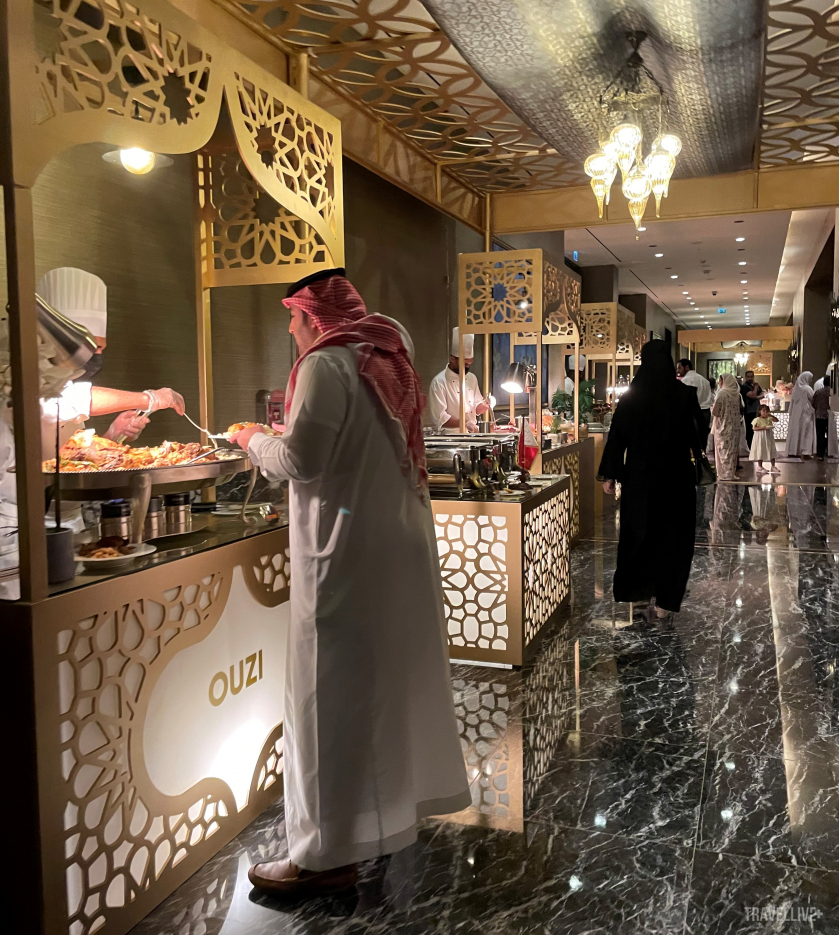
An Arabian-style buffet inside a 5-star hotel.
Dates – a gift from nature
Upon arriving in Arabia, dates no longer refer to romantic dates, but rather to a traditional and highly nutritious fruit – the date palm. It's hard to imagine that in a scorching desert lacking greenery, such a sweet fruit could be produced. Dates have even become an indispensable snack during Ramadan, the holiest month of Islam.
Date season usually falls in the summer, but you can eat dates at any time of year because people harvest and dry them. Dates are used in baking, cooking, making date syrup, sandwiched with various nuts to create delicious desserts, or simply a few dried dates with tahini (a characteristic Middle Eastern butter and sesame sauce) – that's how you get a taste of Arabia in your mouth.
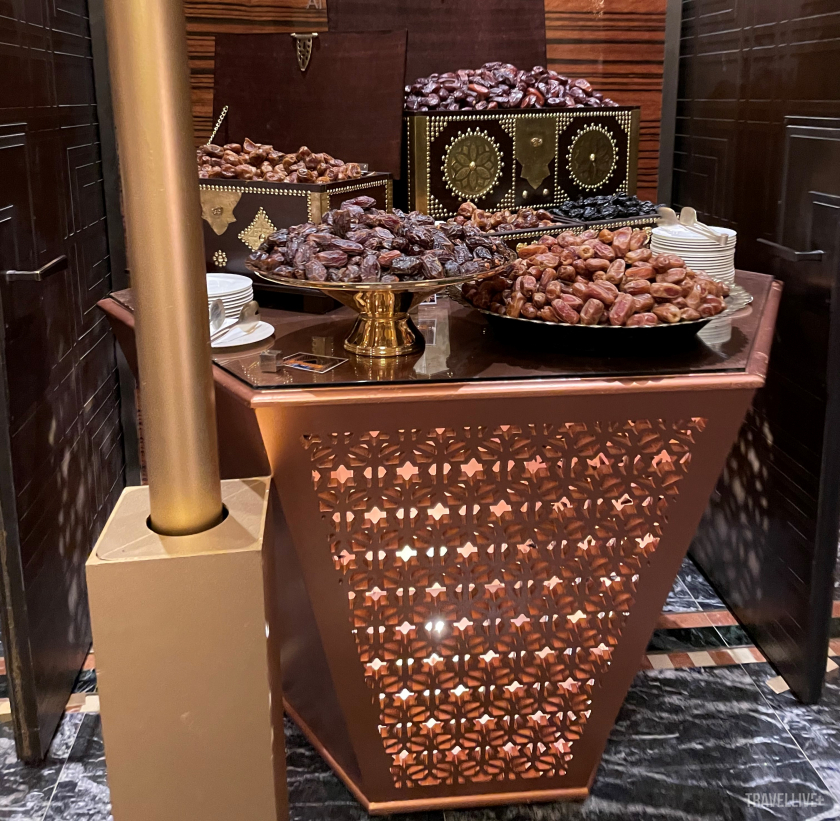
Dates are often displayed elegantly to attract customers.
Kebab and shawarma – popular dishes from street food to upscale restaurants.
If Southeast Asia is famous for satay, a type of grilled meat marinated and skewered on bamboo sticks over charcoal, then the Arab world would compete with kebab. Even with a longer history, they might even claim satay is the Southeast Asian version of this dish.
Kebabs are typically made with lamb and beef, but later variations include chicken and goat, though pork is not included due to religious reasons in Arabia. The meat is cut into pieces or ground, marinated with characteristic Middle Eastern spices such as cumin, paprika, and oregano, then skewered and grilled over charcoal. Kebabs are often served with various types of Arabic bread, such as pita bread or naan (a traditional flatbread).

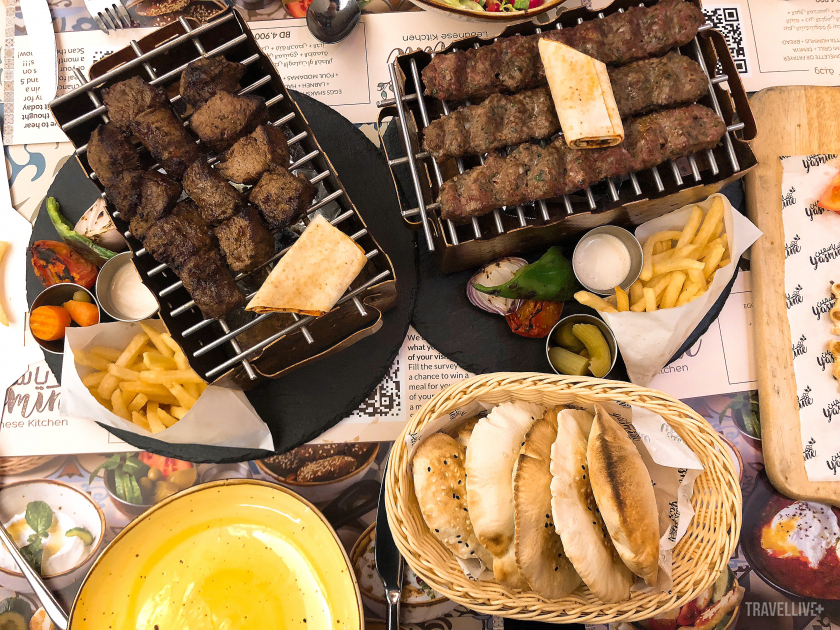
Grilled kebab served with pita bread.
In Vietnam, Doner Kebab, imported from Turkey, is also popular. It's known as Turkish bread: a hot, triangular bread roll is filled with grilled meat (usually pork to suit Vietnamese tastes), cut directly from a rotisserie with a long knife, and served with various vegetables, pickles, and a flavorful sauce. However, due to the common practice of calling it "kebab bread," many people are unaware of its true name.
Instead of calling it a kebab, it's more accurately called a shawarma. Shawarma sandwiches originated in Türkiye in the 19th century and were later introduced to the West by Lebanese immigrants. Shawarma plays an indispensable role in Arab meals, especially in Lebanese restaurants. The meat inside can be grilled or slow-cooked to enhance the flavor. The breads used are also varied, such as pita or naan, and are often rolled into a tube shape.
Hummus sauce – a distinctive feature of Arabian cuisine.
Hummus is made from cooked and mashed chickpeas mixed with tahini, olive oil, lime juice, salt, and garlic. The sauce is creamy, mildly salty, and light, yet incredibly nutritious. Hummus is famous throughout the Middle East and many Arab countries. People there use hummus in almost every dish: spread on bread, mixed into salads, used as a dipping sauce for steamed/boiled vegetables, and even as a substitute for ketchup on french fries.
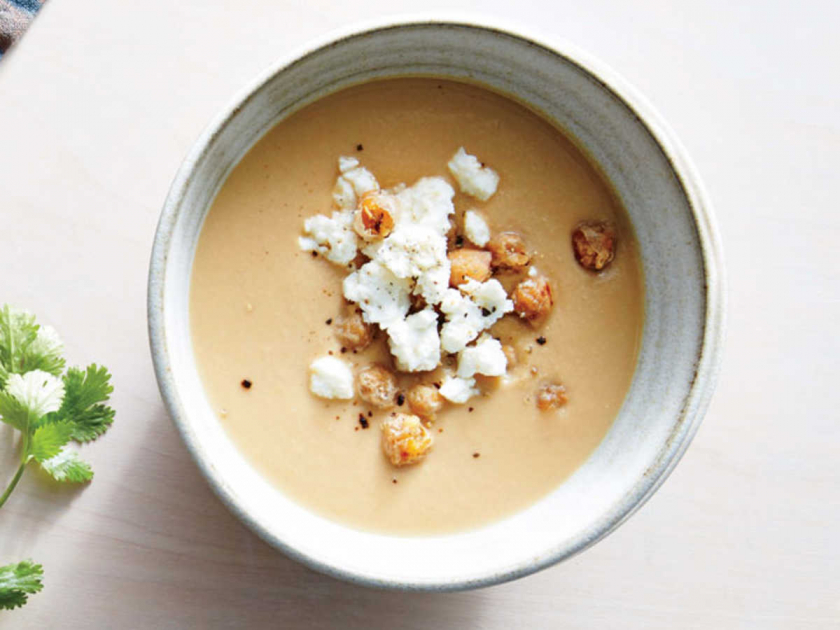
Hummus sauce offers a unique flavor to diners. (Photo: Cooking Light)
Hummus is so famous that there have been numerous disputes and lawsuits regarding its origin between Israelis and Lebanese. However, a definitive conclusion remains unconfirmed. While we wait for more information, let's enjoy hummus in various ways to see which method delivers the most explosive flavor.
These kunafa cakes are sweet and delicate.
Kunafa is the most famous dessert of the Arab people. The word "kunafa" means "shelter," perhaps most accurately describing the crispy outer crust encasing the sweet filling inside. The crust, reminiscent of Vietnamese spring rolls, is actually made from finely ground phyllo flour, giving it its characteristic crispness and aroma.
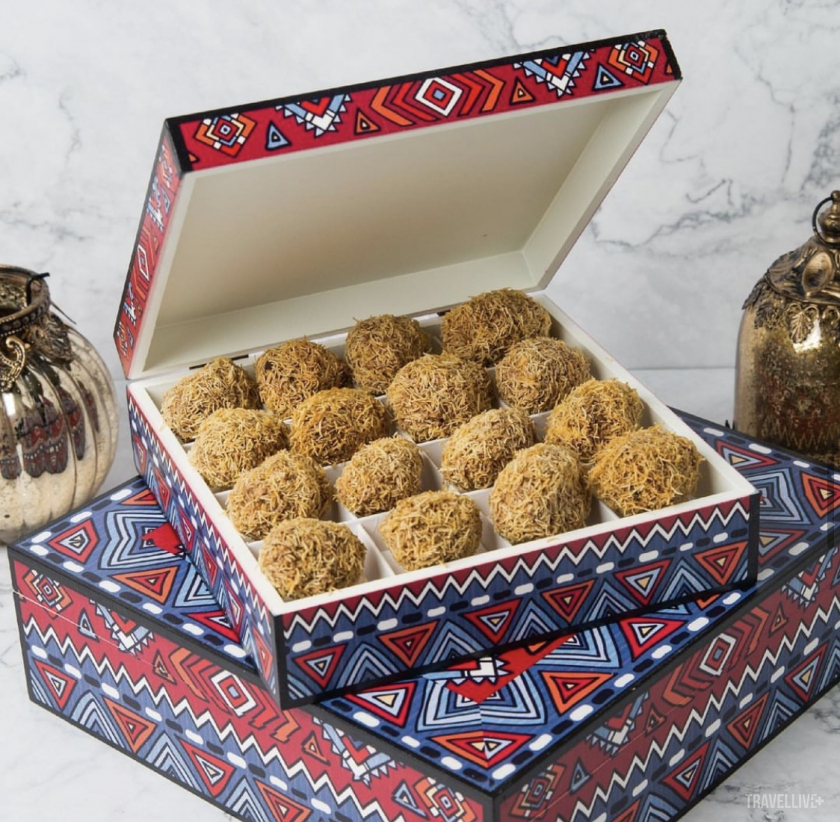
Kunafa, a pastry filled with dates, is a luxurious gift for the month of Ramadan.
The fillings are so diverse they'll surprise you: creamy cheese topped with pistachios, or combined with raisins, nuts, and even mozzarella cheese is a common choice. But as if that weren't sweet enough, the locals complete the kunafa with a syrup made from a mixture of sugar, lime juice, palm oil, rose water, and margarine. The vibrant orange crust becomes even more glistening when drenched in this syrup. Each crispy crust melts in your mouth, followed by the rich, smooth filling, all blended with the sweetness of the syrup, creating a captivating "muse" in Arabian culinary culture.
Bring an empty stomach to the Arabian Peninsula, and you'll be filled not only with delicious food but also with fascinating and captivating cultural stories from the local people.
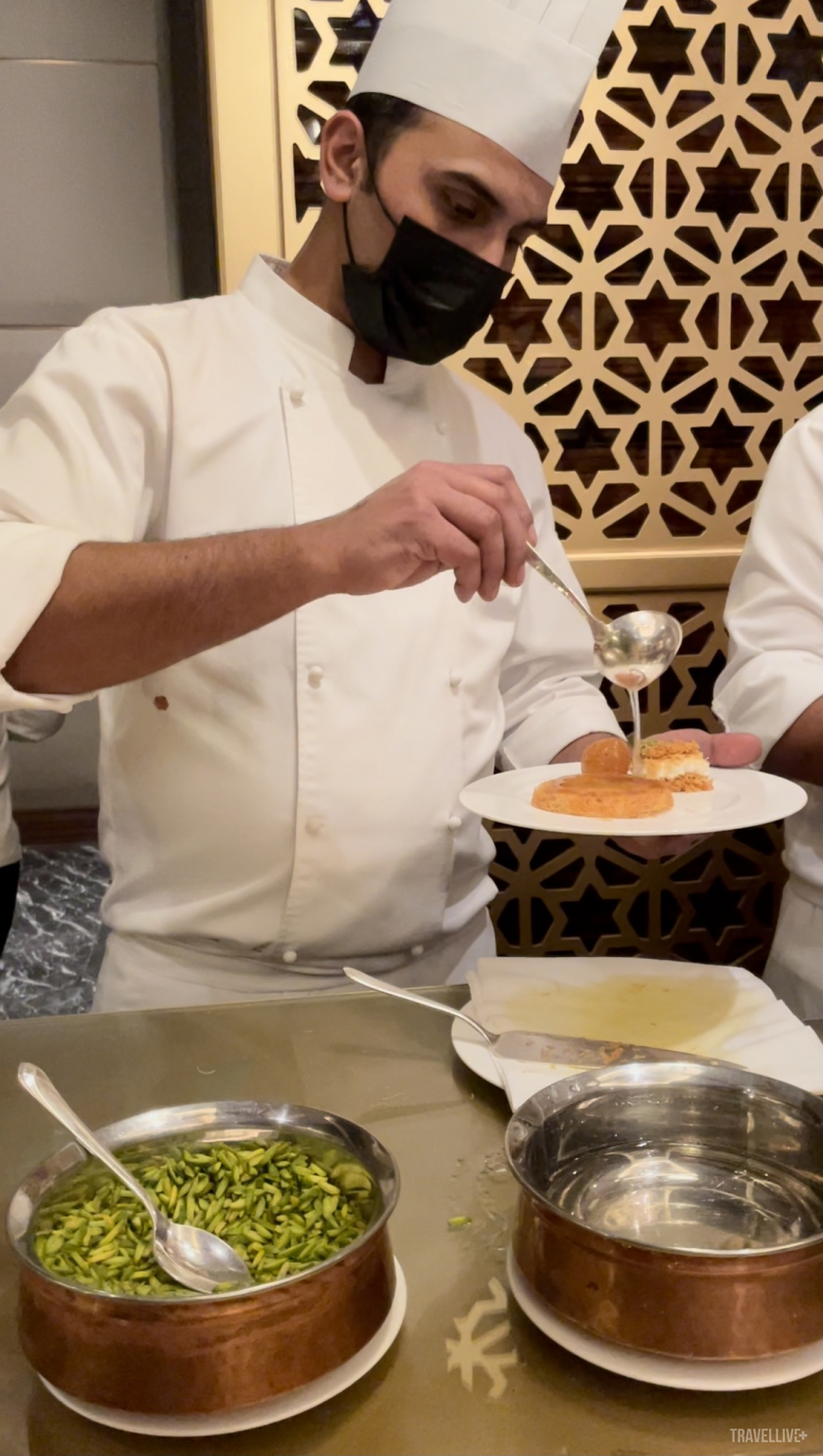
The chef finishes off the kunafa with a special syrup and sprinkles a little pitaschio on top.