VI
VI


The journalist, who has traveled to 88 countries across 6 continents, was particularly impressed by his visit to the Reunification Hall (formerly the Independence Palace). According to Sandip Hor, the grandeur of this five-story white building, constructed in 1966, is difficult to describe, but it is the historical artifacts preserved within the Reunification Hall that he will never forget.
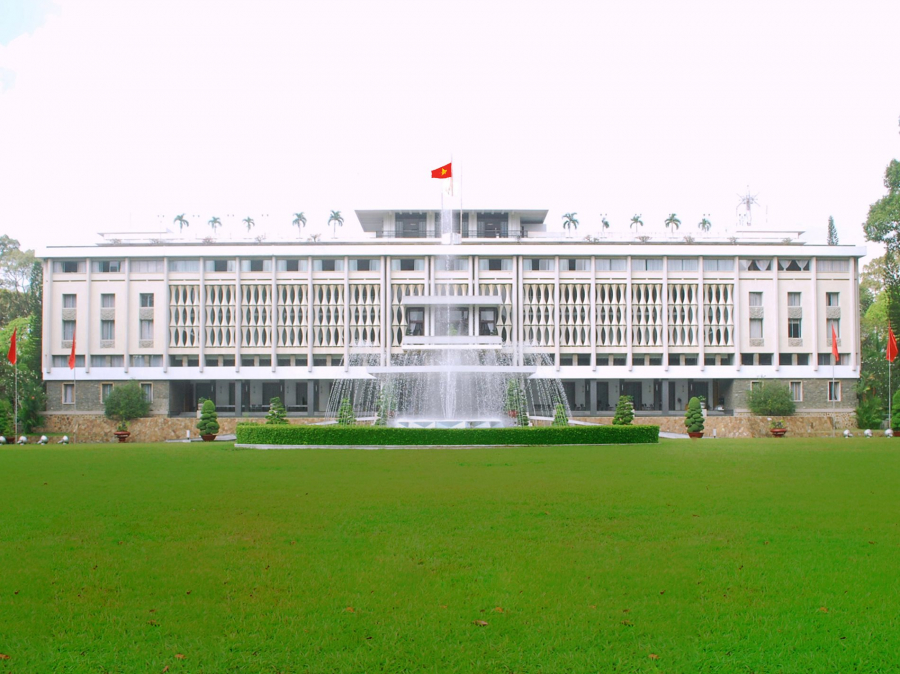
Reunification Hall (formerly Independence Palace)
Forty-four years have passed, but witnessing the remarkable sights here—from the luxurious rooms filled with historical events and the sturdy underground bunker system to the tank outside the grounds and the helicopter on the rooftop—the reporter from Khaleej Times felt the impact of Reunification Day as if it had happened not so long ago.
Sandip Hor's emotions were dampened when he visited the War Remnants Museum. It was there that he saw firsthand images of the My Lai massacre, one of the most brutal crimes committed by the American army against 500 civilians, including women, the elderly, and children; the French guillotine, last used in 1960 to execute prisoners; and a replica of the infamous tiger cage used to torture those captured. The Australian reporter shared that not only he, but many foreigners visiting the War Remnants Museum, were moved to tears.

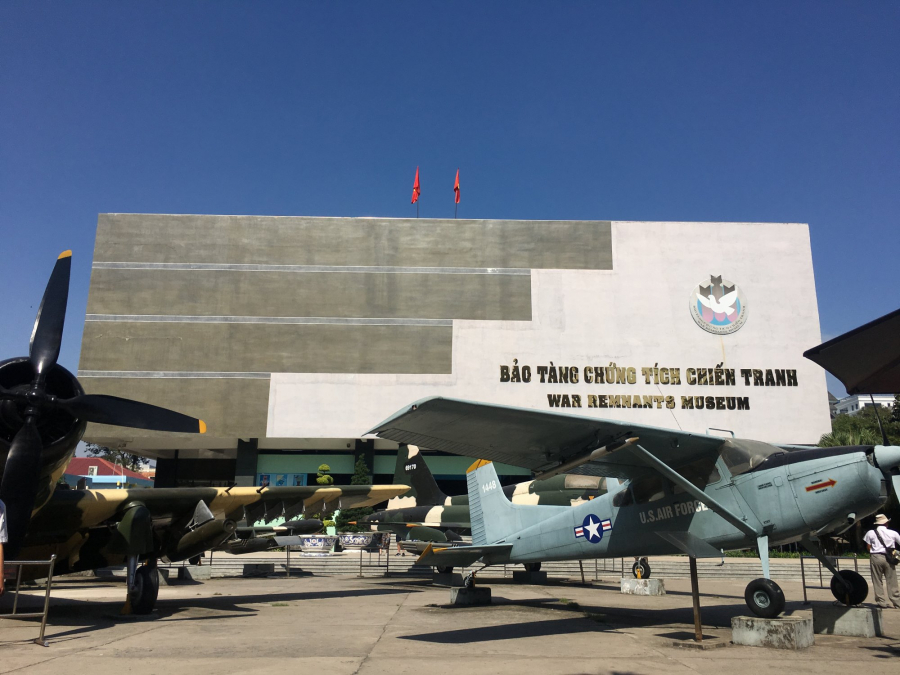
War Remnants Museum
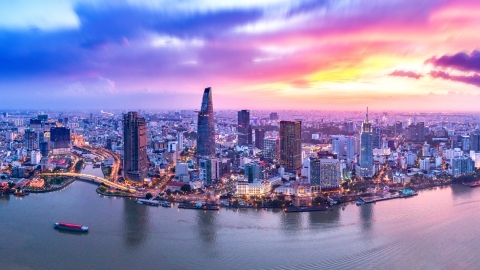
But Saigon (Ho Chi Minh City) is not just about history. After years of war, economic hardships, and reconstruction efforts, the city has now risen again. According to Sandip Hor, Saigon has become one of the most attractive destinations in Asia, both economically and for entertainment.
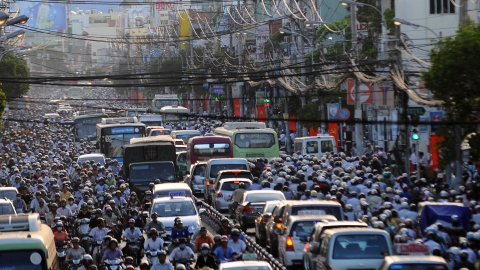
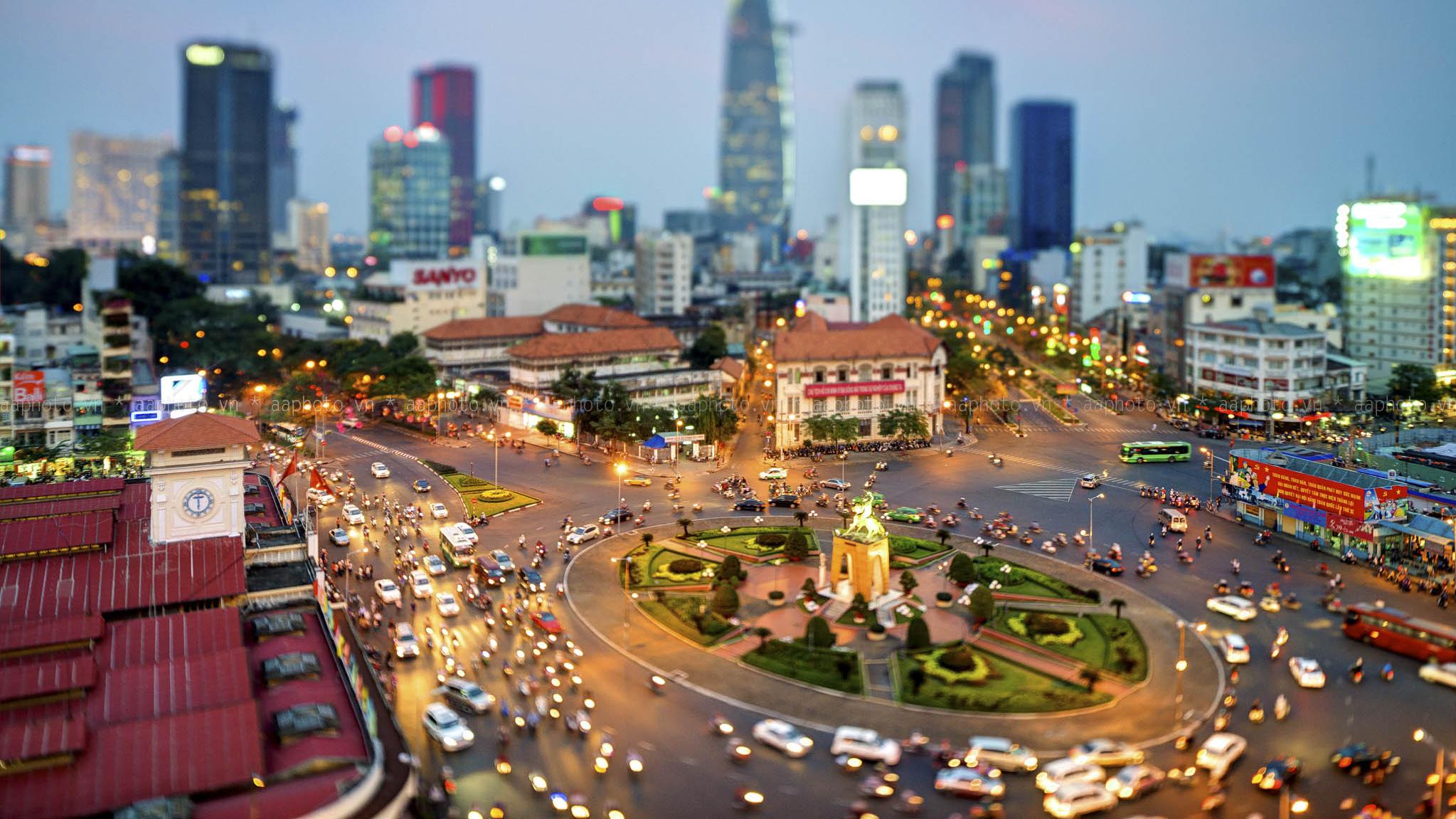
With a population of over 10 million and nearly 7 million motorbikes, this city sparks curiosity and a desire to explore. Saigon's beauty is further enhanced by the contrast between luxurious hotels, restaurants, and fashion shopping centers and fascinating museums, temples, and pagodas, perfect for those who enjoy discovery. The imprints left by the French in 1861 in this city, dubbed the "Paris of the East," remain clearly visible after more than a century: the boulevards, the City People's Committee office (formerly the City Hall), Notre Dame Cathedral, the Central Post Office, the Opera House, and hotels such as Hotel de Ville, Caravelle, Rex, and Majestic…
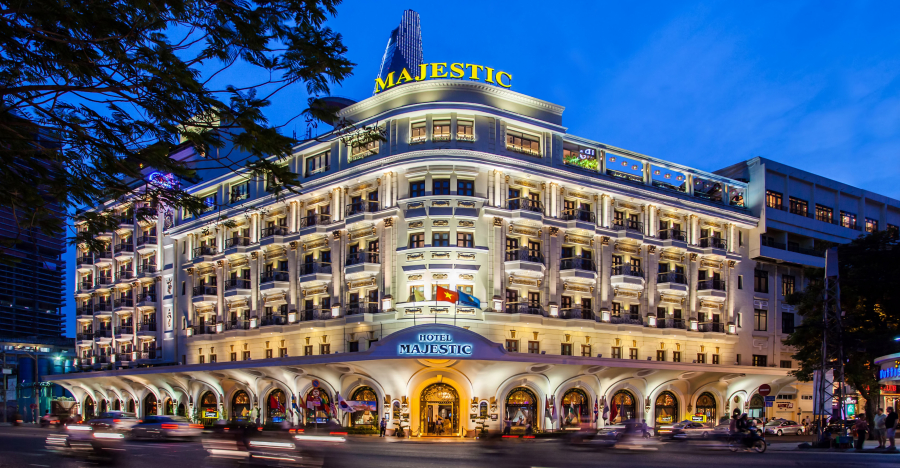
Majestic Hotel, a historic hotel in Saigon.
And it's not just bricks and mortar; the French heritage also exists in its culinary culture. The city has numerous cafés where locals and tourists alike enjoy socializing over a cup of coffee, a pastry, or a sandwich, much like the French do in Paris.
Saigon is now attractive to tourists precisely because of the parallel existence of past and present. Not only Sandip Hor, but international tourists are delighted to see classic cyclo rickshaws alongside sleek Mercedes and Audi cars on the streets. McDonald's shares business with humble pho restaurants. Prado and Armani stores coexist with budget clothing shops, even those selling knockoffs. Simple houses don't envy skyscrapers, and tourists can quench their thirst with sugarcane juice instead of soda. This contrasting yet coexisting experience is what makes Ho Chi Minh City so special and interesting to visitors, especially those from the West.
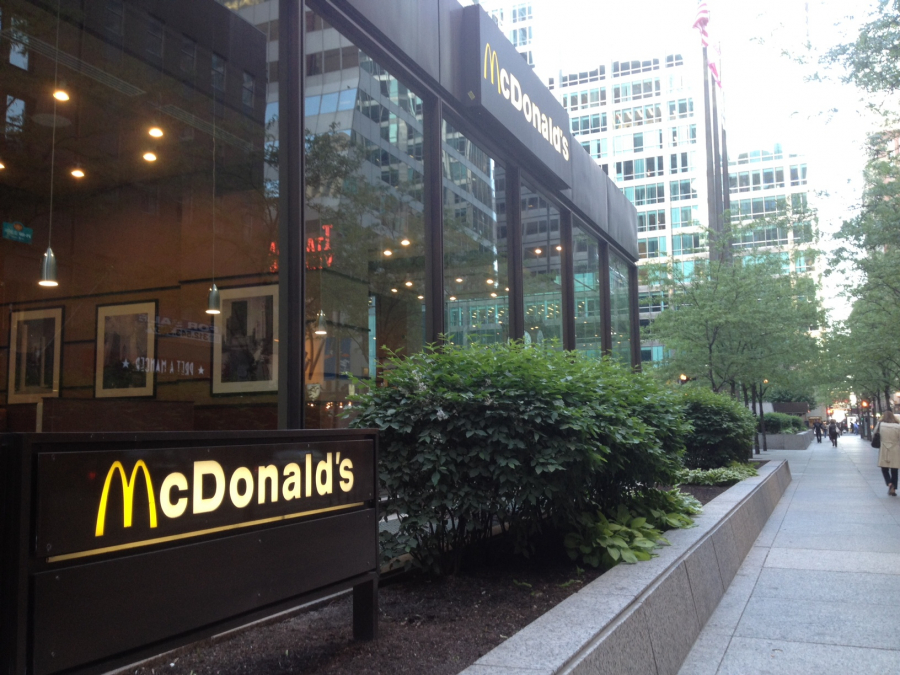
A McDonald's restaurant in Ho Chi Minh City.