VI
VI


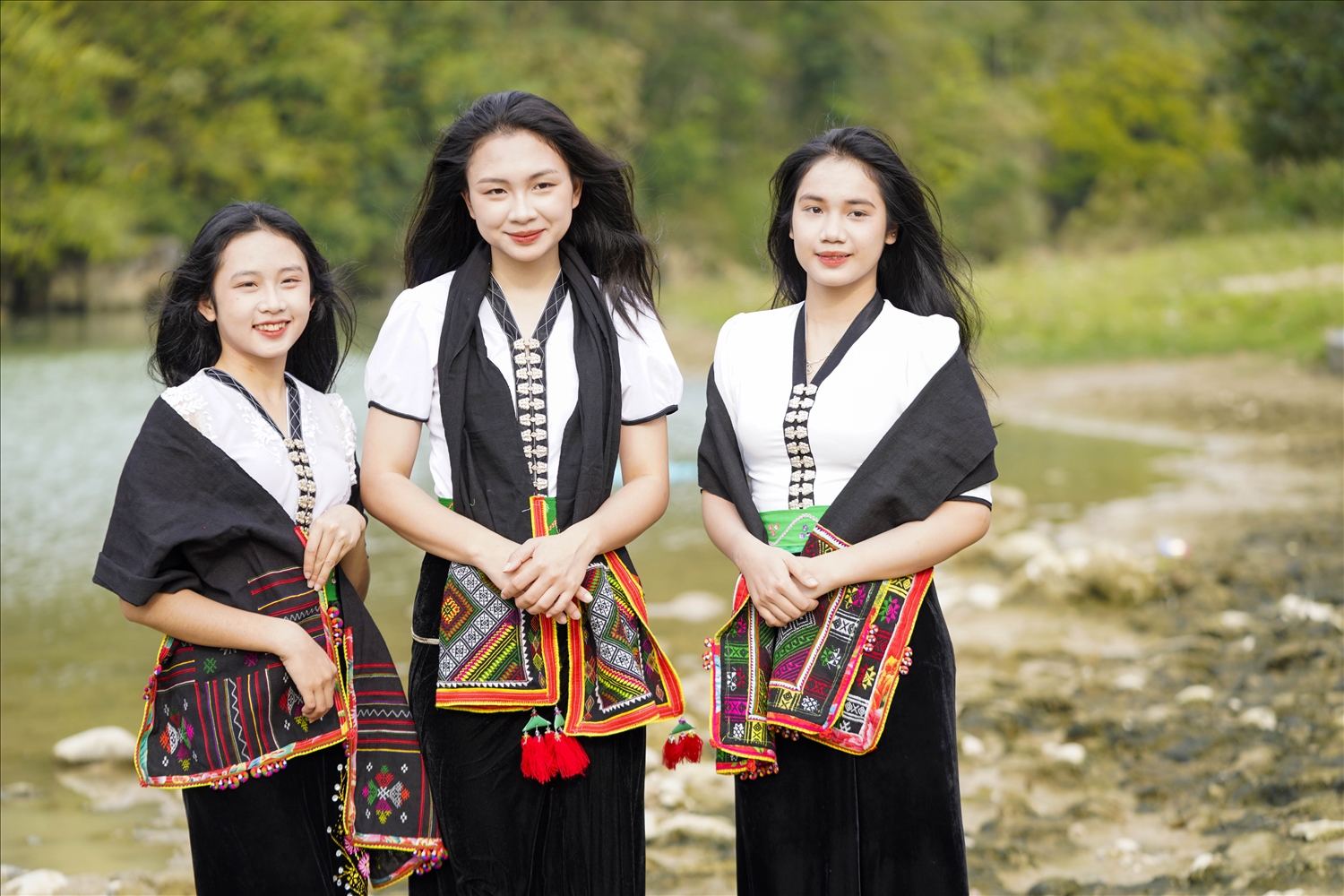

For the people of the highlands, the 15th day of the 7th lunar month is considered the biggest festival after the Lunar New Year. During this time, folk beliefs and rich customs and traditions of each ethnic group are clearly expressed; alongside similarities, there are also unique and distinctive features.
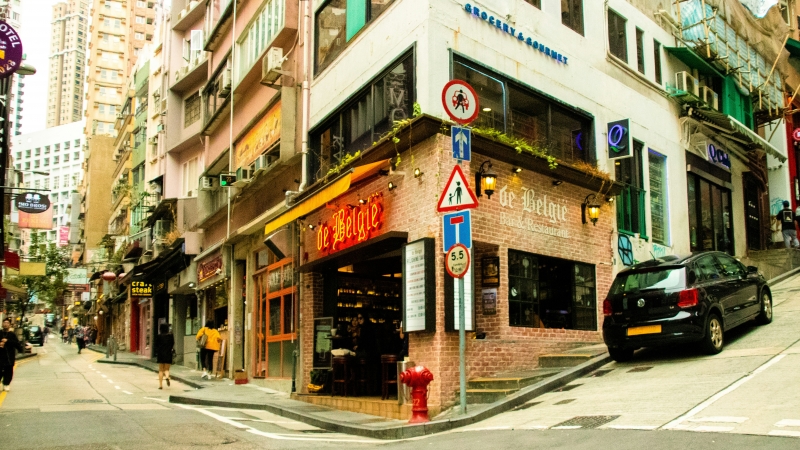
Rich in the culture of the highland people.
In the Giáy language, the full moon of the seventh lunar month is called "Tết Xíp xí". This festival is usually celebrated on the afternoon of the 14th day of the seventh lunar month. The White Thái people traditionally say that after harvesting and plowing, children race to the forest to graze buffalo, while adults stay home to perform the plowing-stopping ceremony, then slaughter pigs, chickens, and ducks for a lavish feast without calling the children back or saving any food for them.
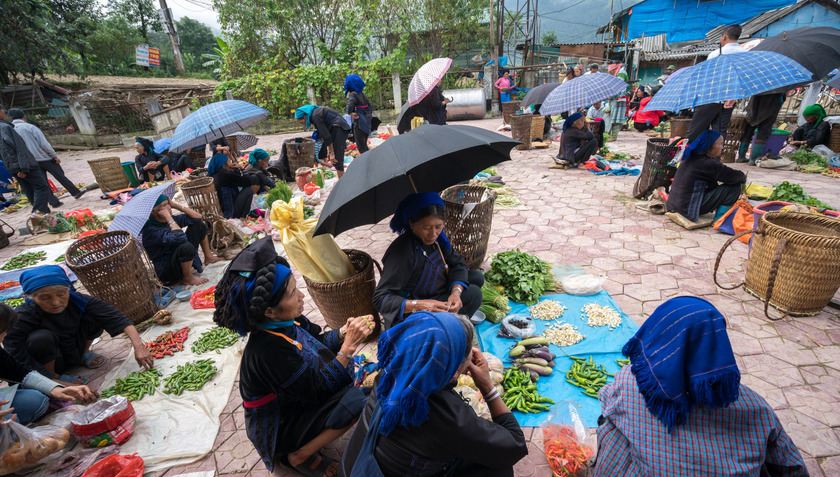
The White Thai people of Son La province believe that the "Xip Xi" Tet festival is a day when descendants pay respects to their ancestors.
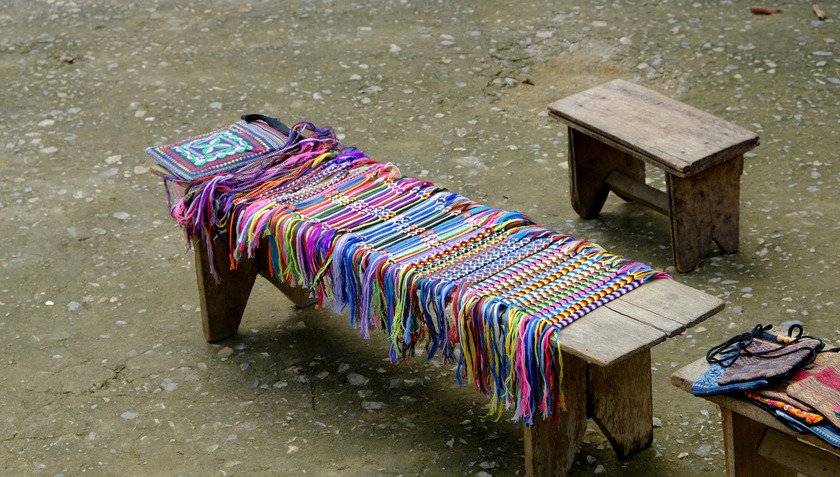
A custom similar to the Mid-Autumn Festival (15th day of the 7th lunar month) of the Kinh people, expressing love for the homeland and preserving national cultural identity.
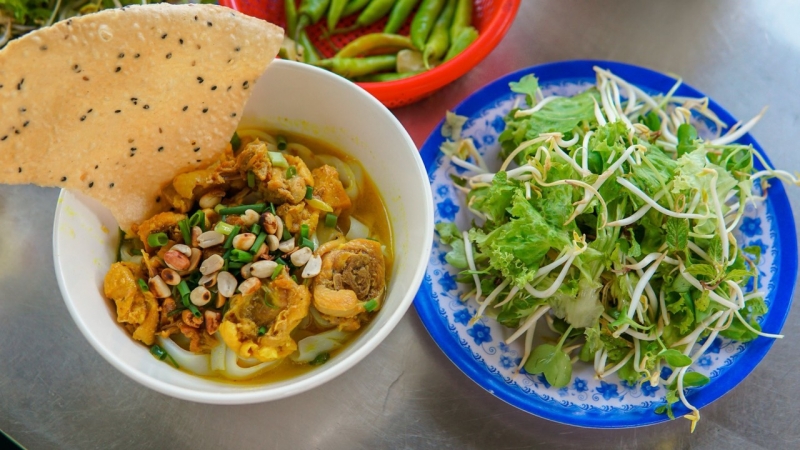
On the Xip Xi Tet festival, there is always an offering tray to pray for good fortune for each individual, family, and clan in the village; to pray for good fortune from heaven and earth, for favorable rain and wind, and for the villagers to have abundant health to work; and to pray for the gods and ancestors to bless the children with good health, to grow quickly, and to be free from illness. The offerings include: duck meat, chicken meat, smoked pork, pork ribs, grilled fish (Pa Pinh Top), vegetable salad, bon soup, sour soup, khau cam (sticky rice dyed in 5 or 7 colors), banh it uoi (small sticky rice cake), and banh chung gu (small glutinous rice cake).
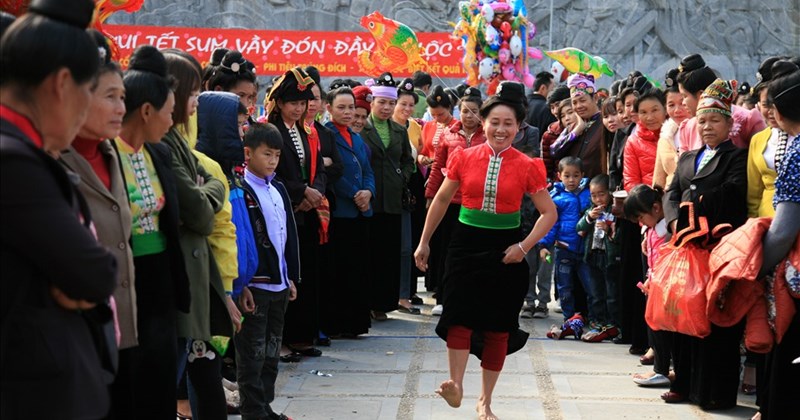
According to Thai beliefs, the souls of the deceased ascend to heaven. Human life on earth is protected by ancestors, river gods, and mountain gods, so they place great importance on worshiping them.
The Xip Xi Tet festival is incomplete without "nhứa tô pết" (duck meat), because the White Thai people believe that ducks are closely associated with rice fields and streams. Offering duck meat is meant to ward off insects that harm the rice crops, and to carry away bad luck and misfortune. After the offering, family members gather around the feast; children wish the elders long life, and adults pray for the younger generation to be happy and healthy...

After worshipping Then, ancestors, and local deities, and performing the ritual of offering prayers, children are rewarded and given gifts by adults. During the Xip Xi festival, they can play to their heart's content until the moon rises.
The Xip Xi Tet ritual has been recognized as a National Intangible Cultural Heritage.
According to Decision No. 2313/QD-BVHTTDL dated August 9, 2024, the Xip Xi Tet ritual of the White Thai ethnic group in Quynh Nhai and Phu Yen districts, Son La province, has been included in the list of National Intangible Cultural Heritage, belonging to social customs and beliefs.
After the offering ceremony, family members gather around the feast, wishing each other good fortune. This is also an opportunity for the White Thai community to show their hospitality. Guests are warmly welcomed and treated to characteristic dishes of the Xip Xi New Year such as grilled fish, fish salad, bon soup, sour soup, moss, five-colored sticky rice, smoked meat, and buffalo skin salad.
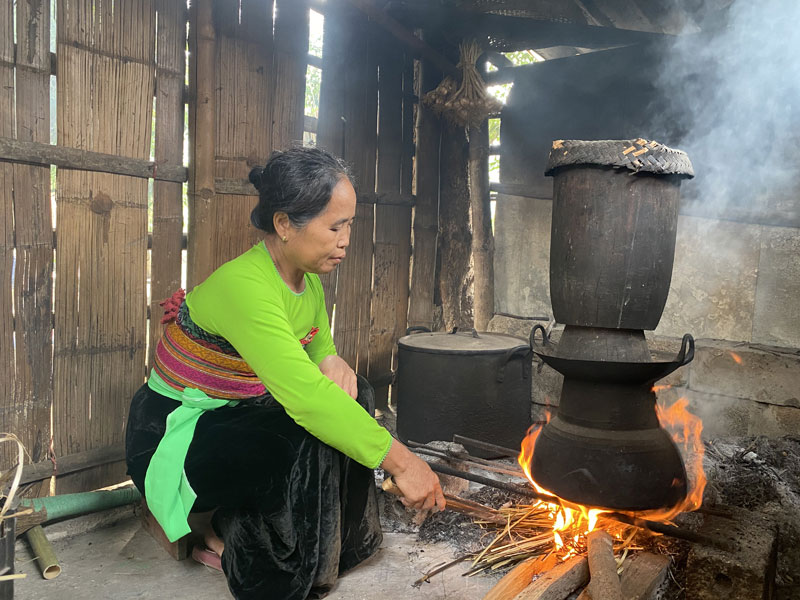
During family meals, people chat happily, ask subtle questions, and offer open congratulations.
In recent years, Phu Yen district, Son La province, has organized many activities to revive the Xip Xi Tet ritual and held cultural, artistic, sports, and culinary events... contributing to reviving pride and promoting the cultural traditions of the White Thai people.
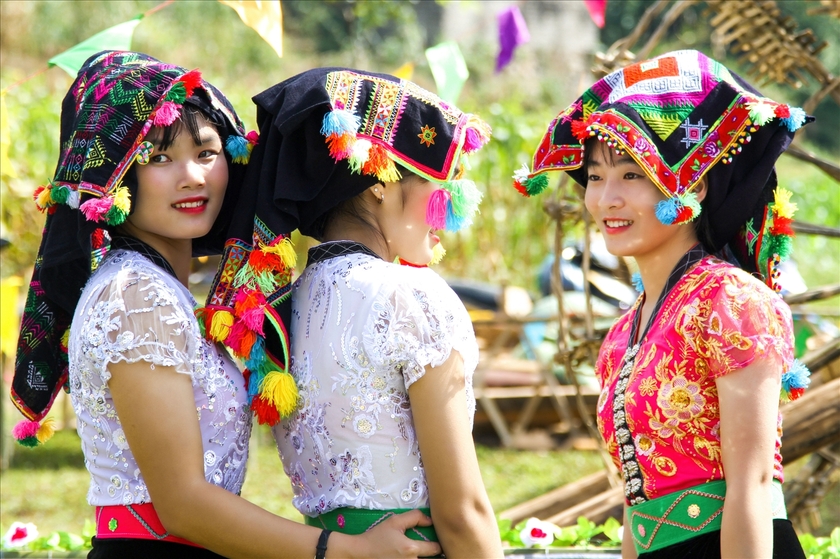
During family meals, people chat happily, ask subtle questions, and offer open congratulations.
At the Xip Xi Tet festival, people have the opportunity to meet, socialize, exchange life experiences, and revive the unique cultural traditions of their ethnic group, wishing everyone good luck, peace, and health. For White Thai children, Xip Xi Tet is a special holiday because, in addition to eating with their families, they also pack the best food to share while herding buffalo or playing games.
The Xip Xi Tet ritual contributes to strengthening the bonds and unity among family members and the community, while also playing an important role in preserving national cultural identity. Through this, elements of traditional culture are preserved and passed down, helping future generations understand their ethnic traditions. This ritual is also deeply rooted in ethnic identity, imbued with spiritual and humanistic elements, and fosters strong community cohesion.
The recognition of the "Xip Xi Tet Ritual" as a national intangible cultural heritage not only affirms the unique cultural value of the White Thai people, but also serves as a driving force for ethnic groups in Son La to further cherish and be proud of their traditional culture, contributing to strengthening national unity.