VI
VI


The Ministry of Culture, Sports and Tourism has issued Decision No. 2326/QD-BVHTTDL announcing the list of National Intangible Cultural Heritage for Nam Dinh pho.
Accordingly, Nam Dinh pho has been included by the Ministry of Culture, Sports and Tourism in the list of National Intangible Cultural Heritage under the category of folk knowledge, meeting all the criteria: It is representative, reflecting the identity of the community and locality; it reflects cultural diversity and human creativity, passed down through many generations; it has the potential for restoration and long-term survival; and it is nominated and protected by the community with consensus and voluntary commitment.
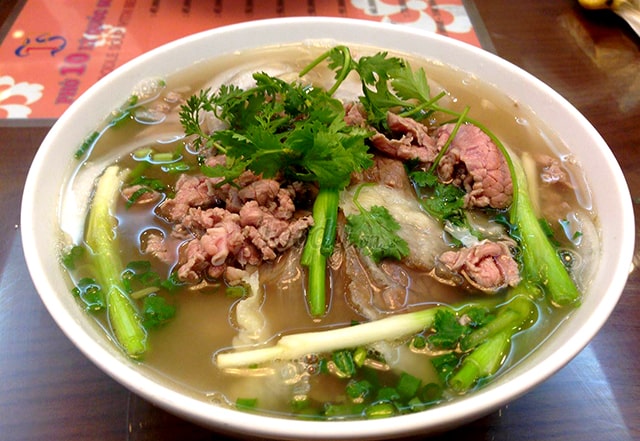
"The folk knowledge of Nam Dinh Pho" added to the National List of Intangible Cultural Heritage.
The recognition of Nam Dinh pho as a National Intangible Cultural Heritage is the initial step for the Government to submit a proposal to the United Nations Educational, Scientific and Cultural Organization (UNESCO) for consideration and inscription of Nam Dinh pho on the list of Representative Intangible Cultural Heritage of Humanity.
Therefore, the study proposes solutions for preserving and promoting the intangible cultural heritage of Nam Dinh pho; continuing to promote and publicize the culinary heritage of Nam Dinh pho; and strengthening state management of the heritage. Simultaneously, it emphasizes enhancing the role and responsibility of all levels of government, culinary associations, and the community in preserving and protecting the unique brand and product of Nam Dinh's land and people.

Nam Dinh is a land that preserves a rich and diverse cultural heritage. When visiting, tourists have the opportunity to enjoy many Northern Vietnamese culinary specialties. Among them, beef pho is a delicious dish with humble origins that has gradually gained great popularity.
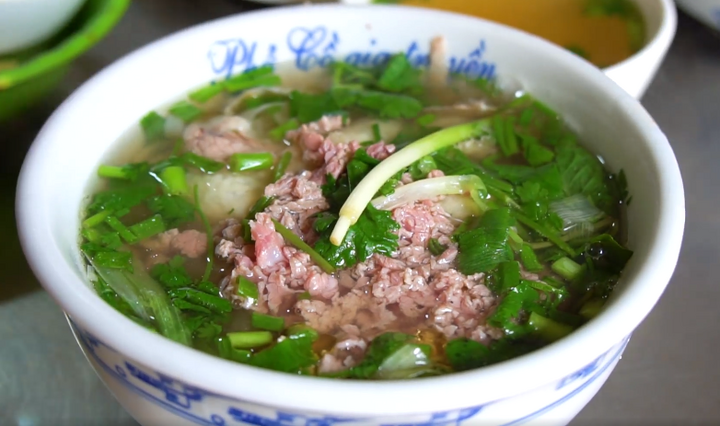
A bowl of pho, a pho restaurant, many of which are run or owned by people from Nam Dinh, is a very familiar and close image, becoming a cultural feature.
According to local pho makers, from the late 19th century, many villagers went to work as textile factory workers in Nam Dinh city, and pho vendors also moved to Nam Dinh to serve the late-night dining needs of city dwellers. From then on, people from Nam Dinh took their pho-making skills to provinces and cities throughout the country. Nam Dinh pho gradually built and established its brand, becoming not only a famous and delicious dish but also the embodiment of Nam Dinh's culinary culture.
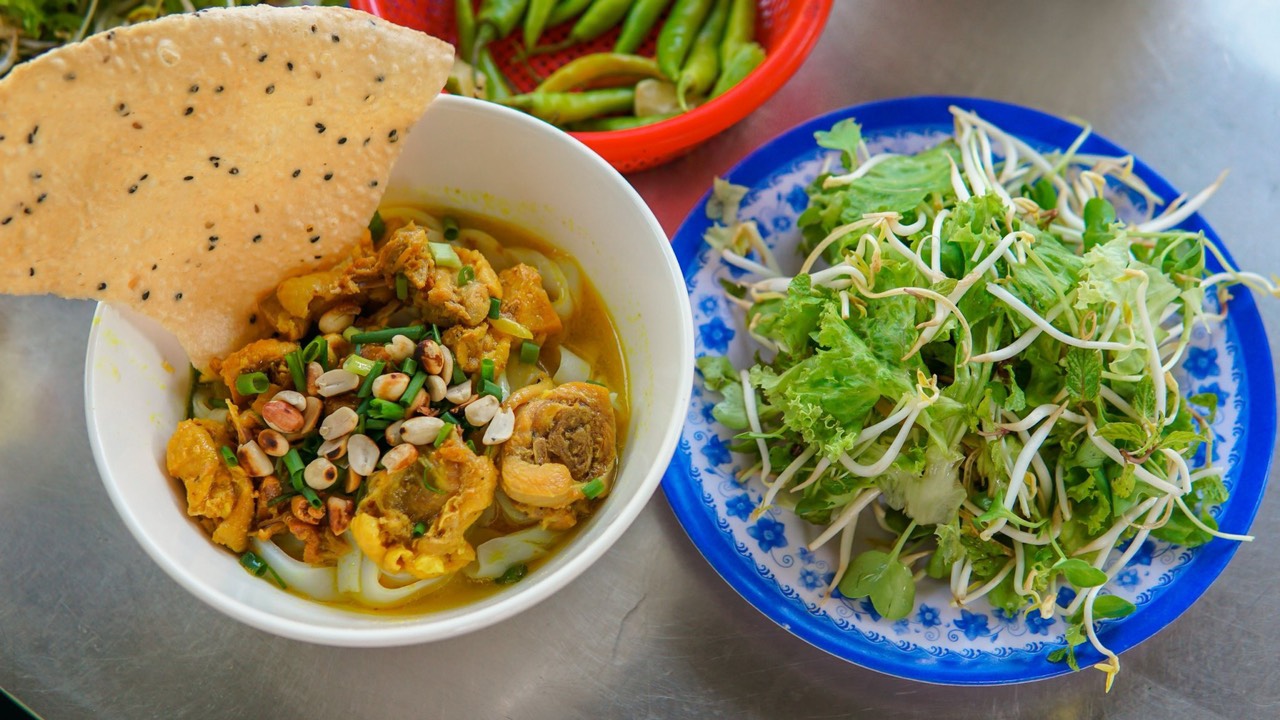
According to the Quang Nam Provincial People's Committee, from the latter half of the 15th century until the Nguyen Lords' era, the vast southern region, with its fertile soil and abundant resources but sparse population, became a "promised land" for the inhabitants of Thanh Hoa, Nghe An, and Ha Tinh provinces and the Northern Delta who were eager to establish a new living space.
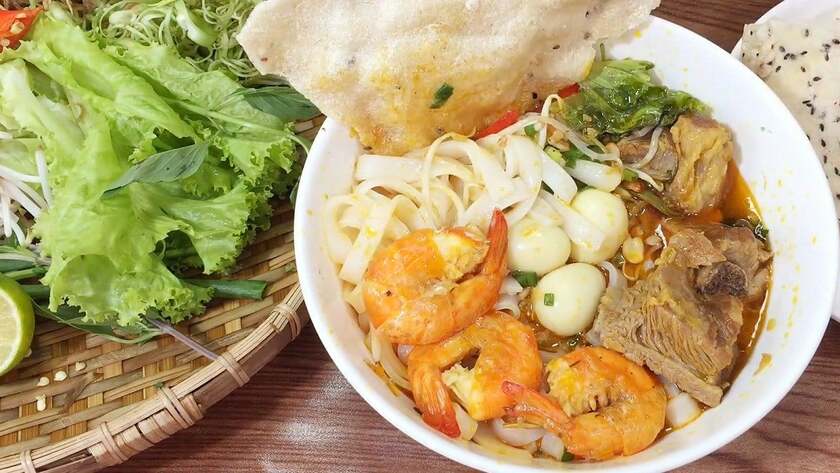
This is a dish with many variations, highlighting the unique characteristics of folk culinary culture.
Through diligent labor, transformation, and adaptation to the natural conditions of this new land, generations of ancestors gradually shaped the identity and character of the people of Quang Nam. One of the clearest and most vivid manifestations of this character is its culinary tradition, of which Quang Nam noodles are a prime example.
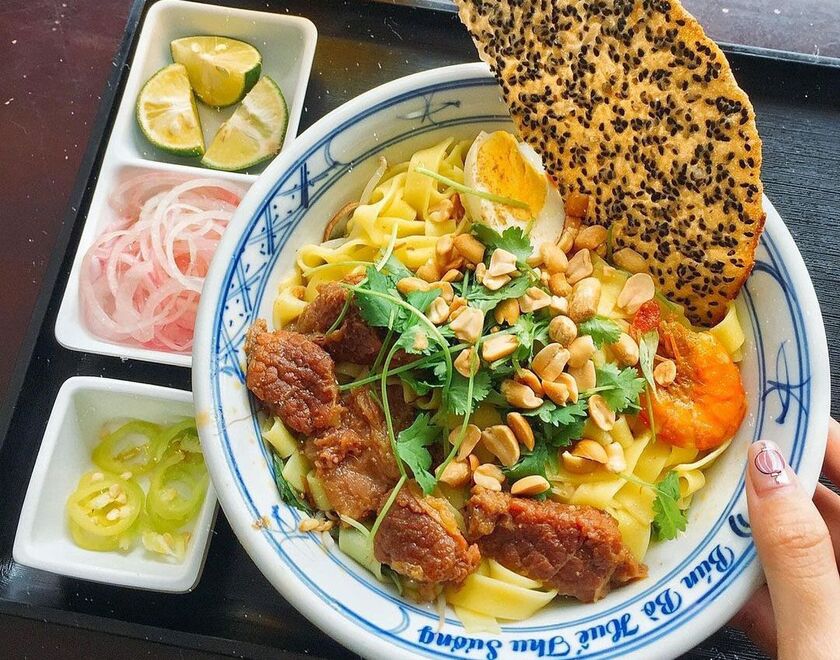
This delicious dish is over 500 years old but never goes out of style.
The craft of making Quang Nam noodles in Quang Nam province embodies the unique culinary values of the region. Quang Nam noodles followed the footsteps of migrants on their journey southward, readily accepting any ingredients along the way to adapt and transform, creating a diverse and rich culinary flavor.
Accordingly, currently, in terms of cuisine, Vietnam has a total of 4 national intangible cultural heritage sites: Nam Dinh pho, the folk knowledge of Quang noodles, the craft of making Nam O fish sauce, and the craft of making Phu Quoc fish sauce.