
 VI
VI


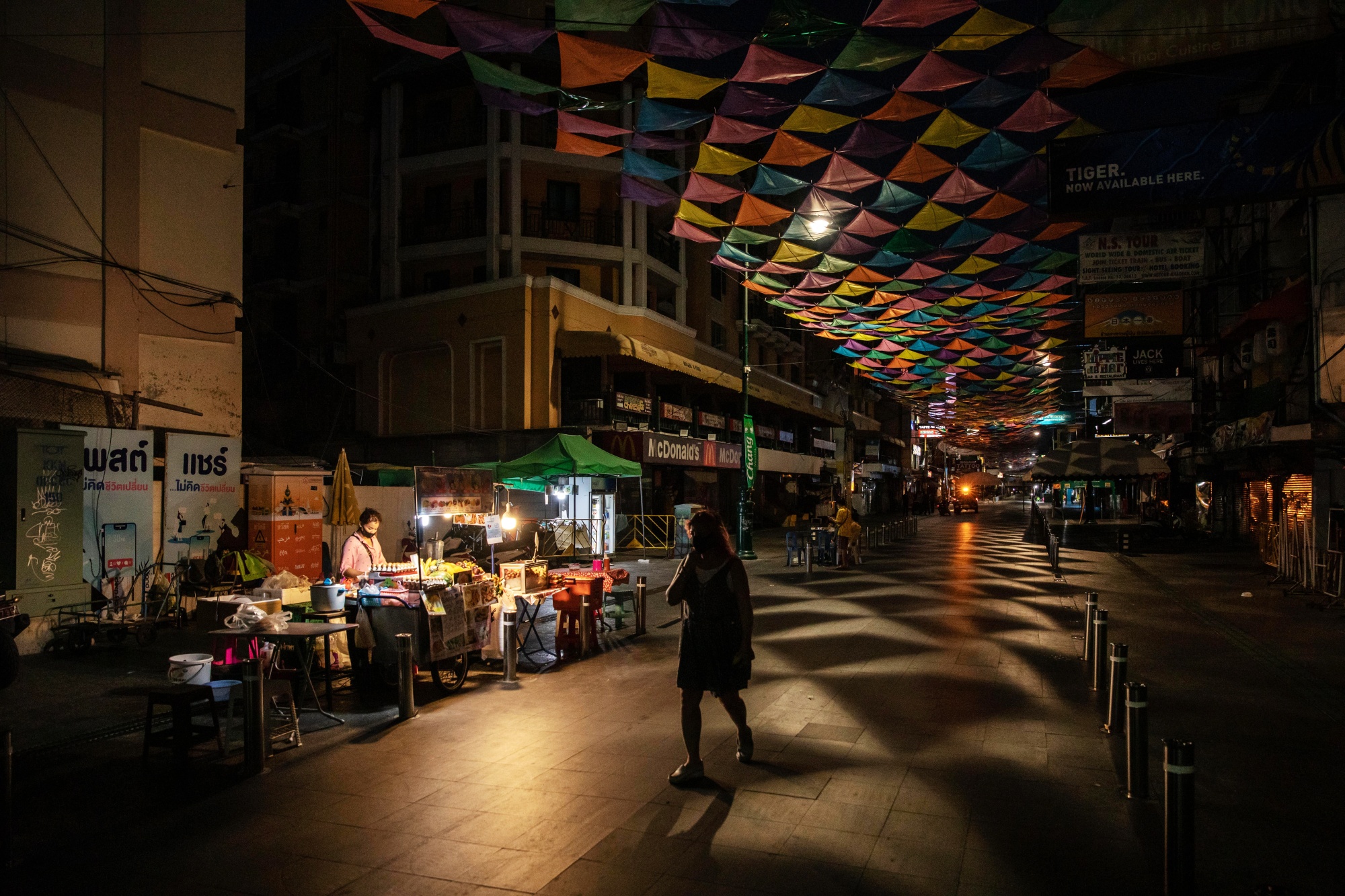
Despite the high number of Covid-19 infections (up to 15,000 per day), the Thai government eased restrictions to curb the spread of the disease starting September 1st. This is a result of the National Infectious Diseases Commission's decision on August 23rd to shift the national strategy to "learning to live with Covid-19."
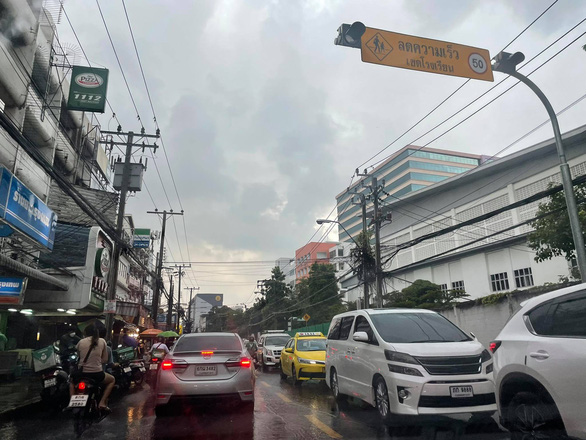
Streets in Bangkok on September 1st. - Photo: Phan Thi Thuy Tien/Tuoi Tre Newspaper
Under the new policy, restaurants will be allowed to reopen, but they will have to maintain a 50% seating capacity limit in air-conditioned restaurants, while outdoor restaurants can serve up to 75% of their seating capacity. Shopping malls, hair salons, massage parlors, and beauty clinics will also remain open as usual. However, convenience stores will have to close at 8 PM daily, and restaurants will not be allowed to serve alcoholic beverages. Large gatherings are permitted with a maximum of 25 people instead of the previous 5.
At the same time, Thailand also allowed the resumption of domestic commercial flights from September 1st.

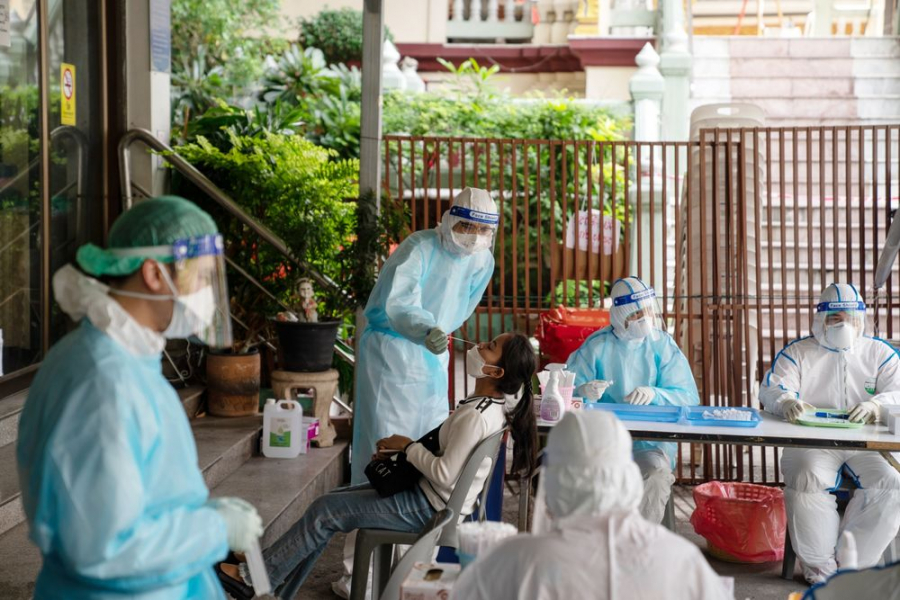
Monks and volunteers conduct free Covid-19 testing at Wat Suthi Wararam, a Buddhist temple, in Bangkok, Thailand. - Photo: Nicolas Axelrod/Bloomberg
On the first day of implementing the "living with Covid-19" policy, the streets of Bangkok were packed with vehicles, and the city experienced traffic congestion from early morning.
According to an interview conducted by the Bangkok Post with people present at the Seacon Square shopping mall on Srinakarin Road in Prawet District, residents had mixed reactions to the government's decision. They said there were both negative and positive aspects to the decision. A new wave of Covid-19 could erupt, but it could also bring people back to normal life and boost the economy.
Pranom Yomchan, 62, the owner of a clothing store in the Klong Thom area near the shopping mall, expressed optimism about her store reopening. She said that even with rising Covid-19 cases, she believes the reopening will be sustainable because people are now more aware of how to take care of themselves and are more likely to comply with government measures to limit the spread of the disease.












