Three cold winter days in Copenhagen left me with a range of emotions. I remember the feeling of my freezing hands clutching a steaming cup of traditional Danish coffee, the happiness of snuggling under a blanket up to my chest, sipping on the fragrant coffee...
THE ANCIENT CHARM OF A MODERN CITY
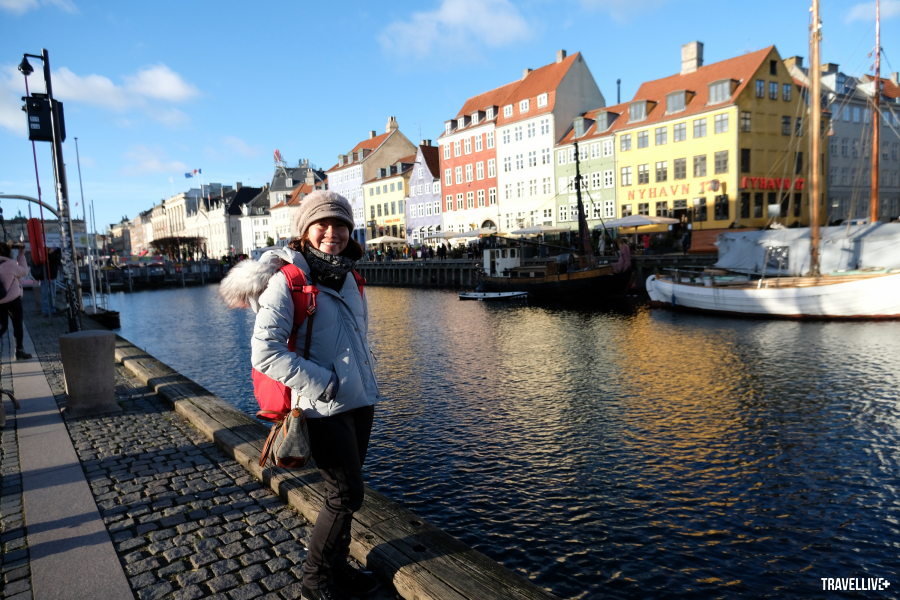
Copenhagen was the first stop on our 17-day journey through the "cold" Arctic to hunt for the Northern Lights in the Nordic countries. Actually, the city wasn't added to the itinerary for the Northern Lights, but for its charming blend of old-world charm and modern appeal. Before arriving in Copenhagen, a friend of mine – who had been there a few times – said the city had nothing special to offer besides the colorful buildings along the Nyhavn canal and the locals' habit of cycling. But for me, Copenhagen was far more interesting than that.
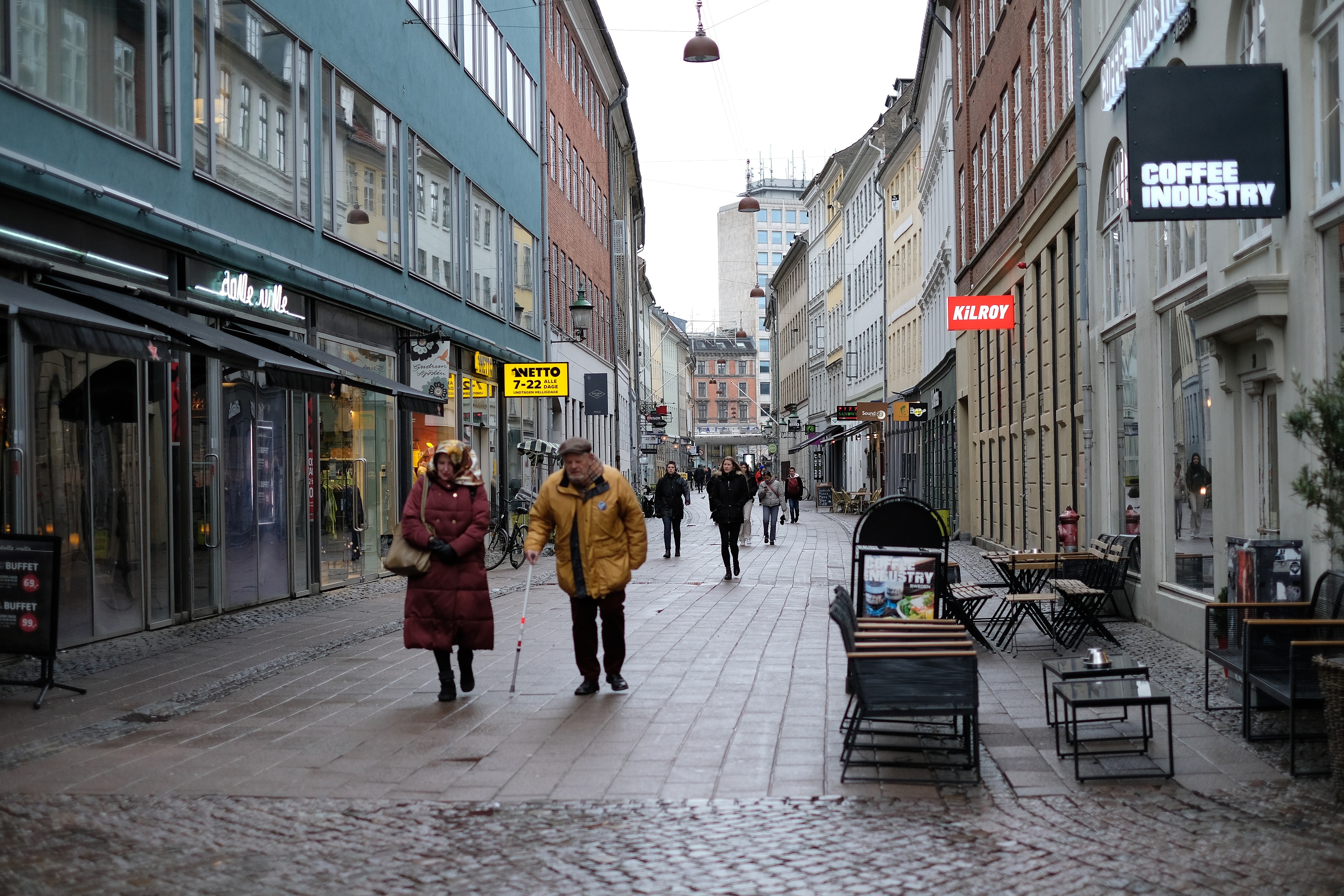
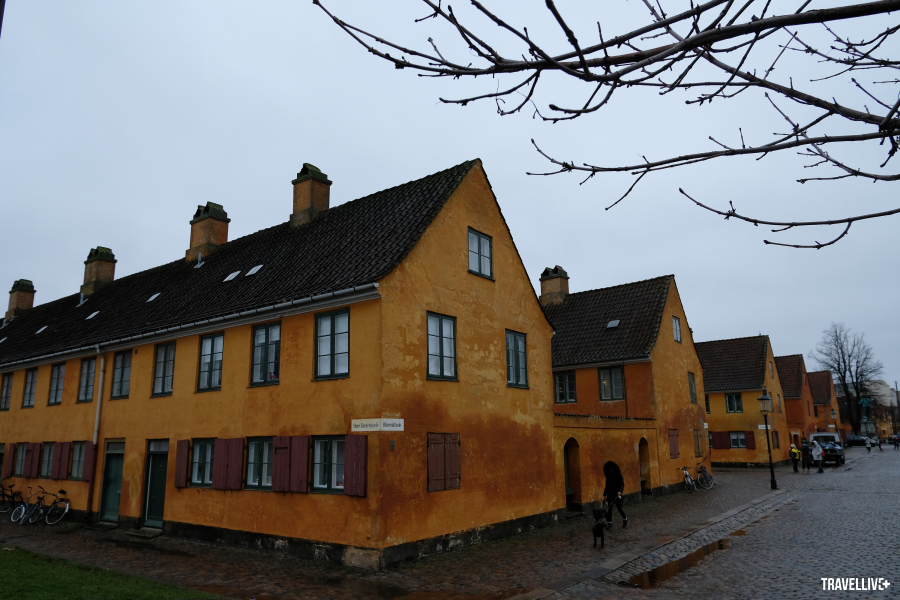
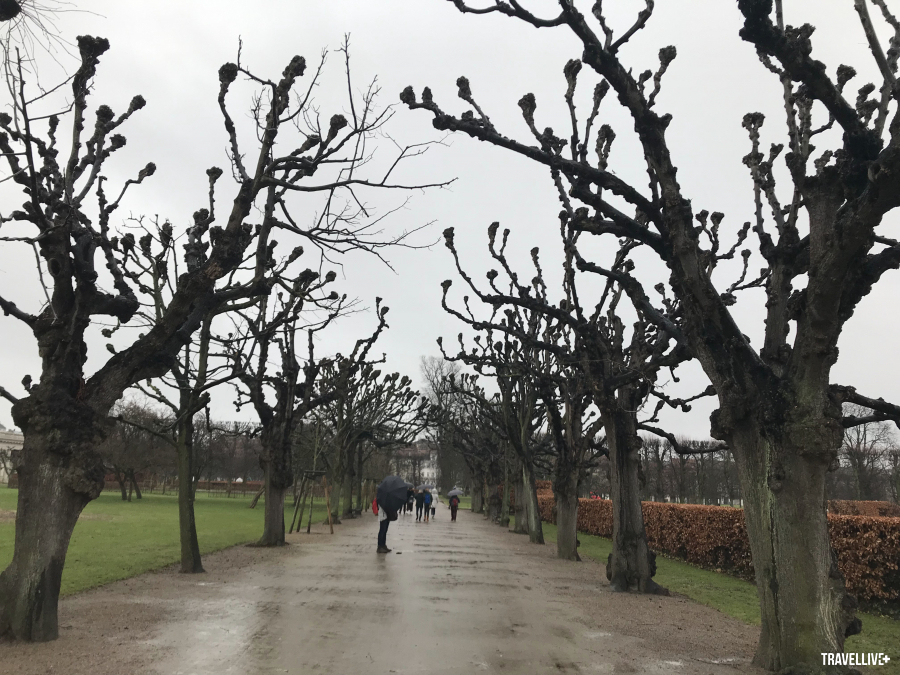
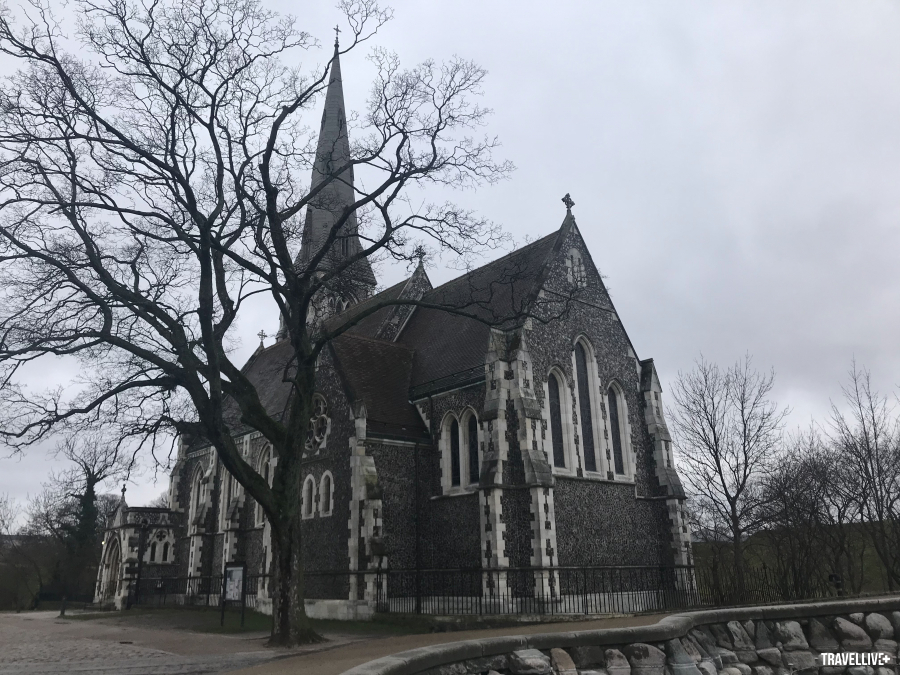
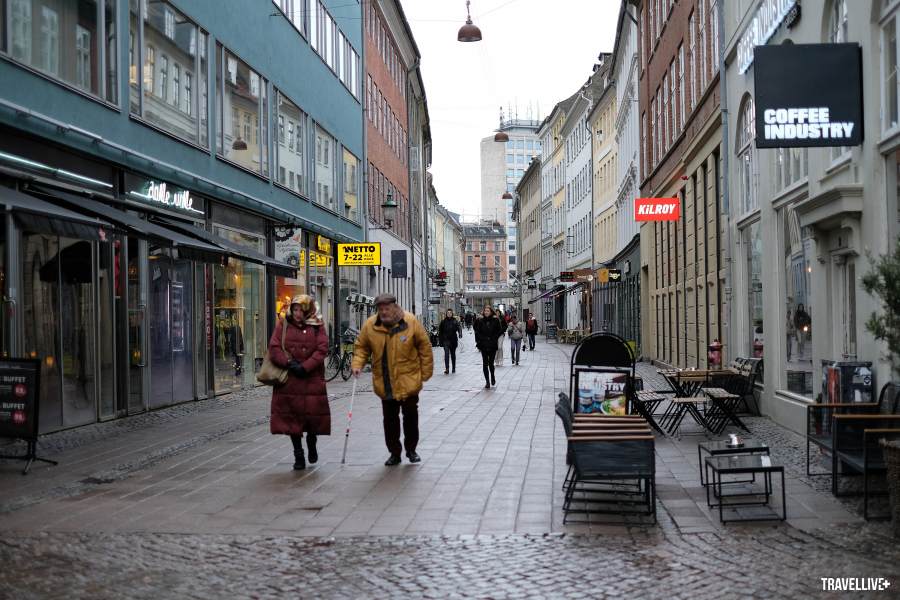
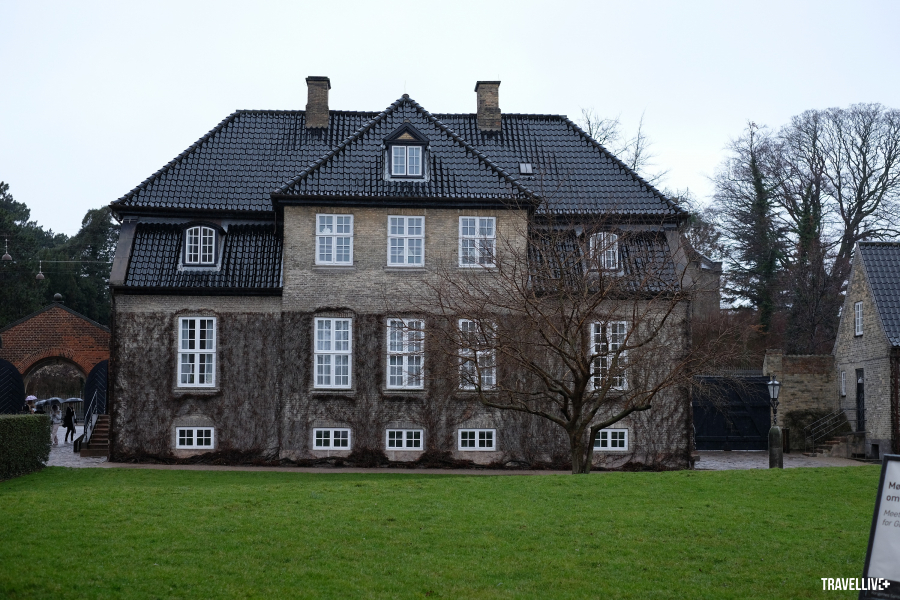
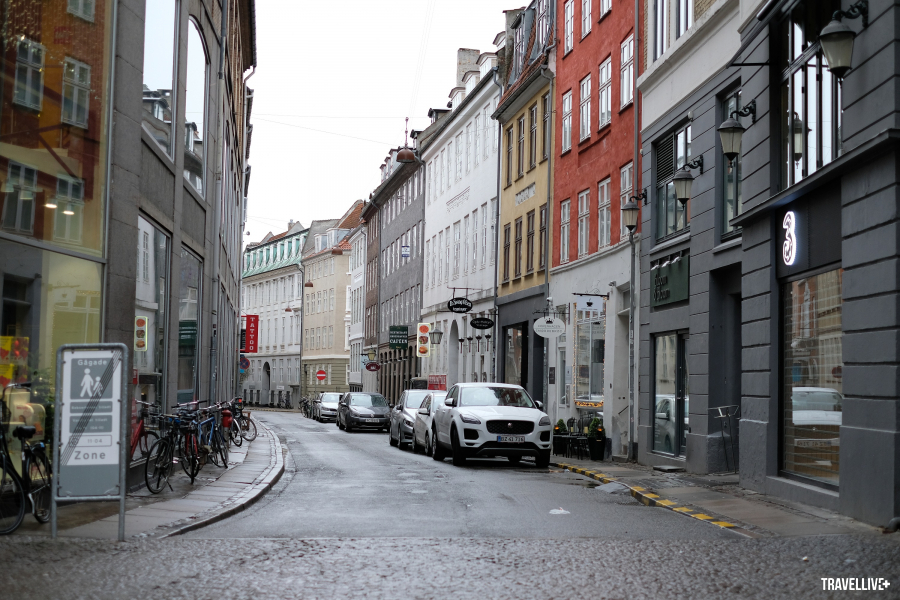
Copenhagen in winter has no snow, only drizzle and a gray sky. Walking along the small cobblestone streets on those damp days, I was truly captivated by the bare trees. Their somber gray tones and diverse, gaunt shapes gave the ancient castles and churches a haunting, almost eerie quality. They seemed an integral part of Copenhagen, present everywhere and helping me to frame the winter scenery here.
Copenhagen's Old Town is a charming blend of historical charm and modernity. Trendy shops mingle with the vaulted ceilings of ancient churches and colorful centuries-old buildings, creating delightful surprises at every intersection. The Nyhavn Canal, considered an icon of Copenhagen, is perhaps partly due to its long history of docks and colorful old buildings, and partly because it has become a vibrant entertainment hub with its famous restaurants and bars. During my three days in Copenhagen, the sun only smiled for a brief moment. But in those fleeting moments, I witnessed the city's radiant glow.
CHRISTIANIA FREEDOM - A PEACEFUL REBELLION
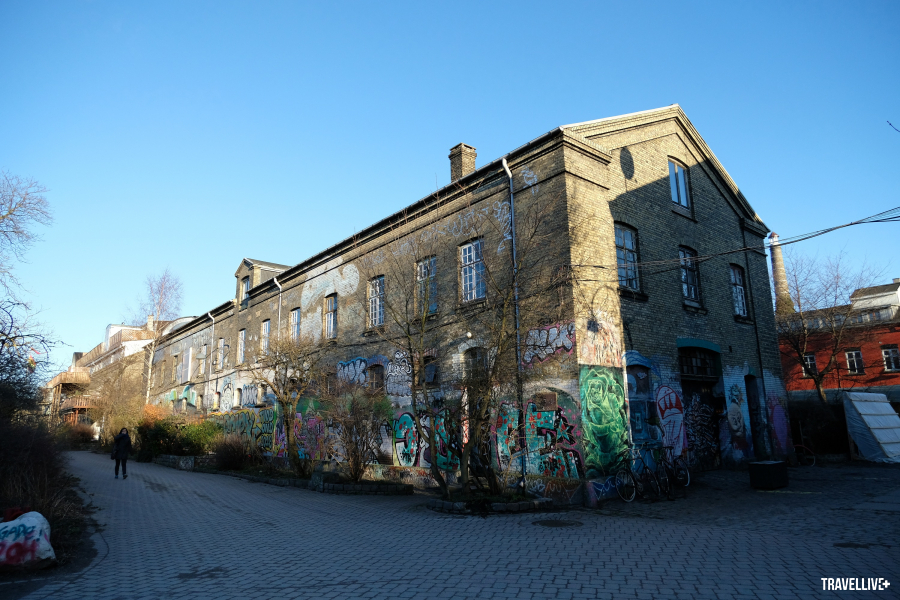
Perhaps my biggest surprise about Copenhagen was the Christiania neighborhood. Formed in 1970 by undocumented immigrants on the site of a former military barracks, Christiania became an autonomous community of anti-government activists. Its motto is "no one has a home, everyone governs themselves, and all decisions are made by the crowd." Located in the heart of Copenhagen, Christiania offers a completely different image from the classic, well-organized Copenhagen.
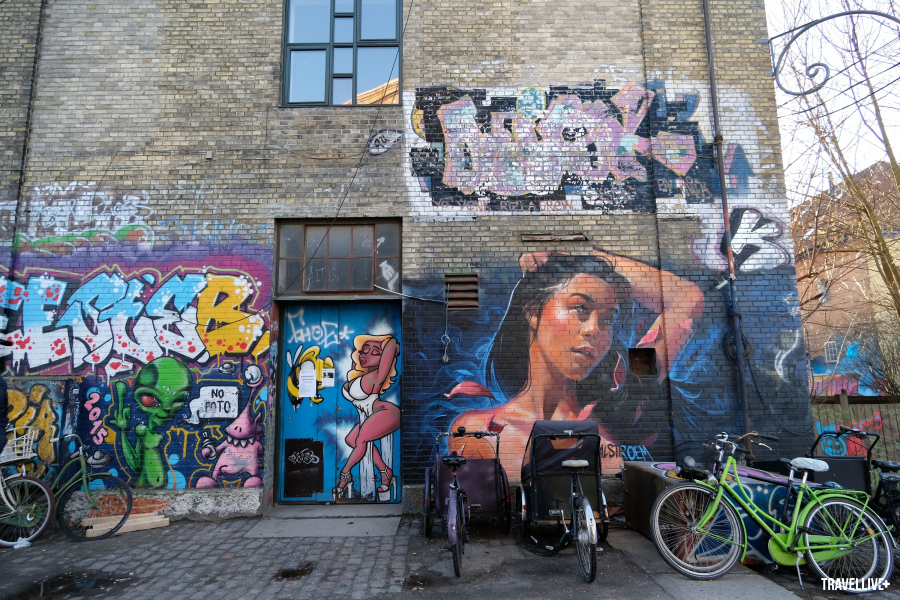
Entering this neighborhood, we felt a little uneasy seeing the houses with furniture scattered haphazardly behind overgrown trees. Graffiti was everywhere; not a single wall was without a painting. The motifs reflected a carefree, hippie lifestyle. Scattered throughout the neighborhood were stalls selling hand-rolled cigarettes, also known as marijuana (a mild form of opium), creating a rather chaotic scene. Here and there, groups of teenagers gathered, smoking and laughing boisterously.
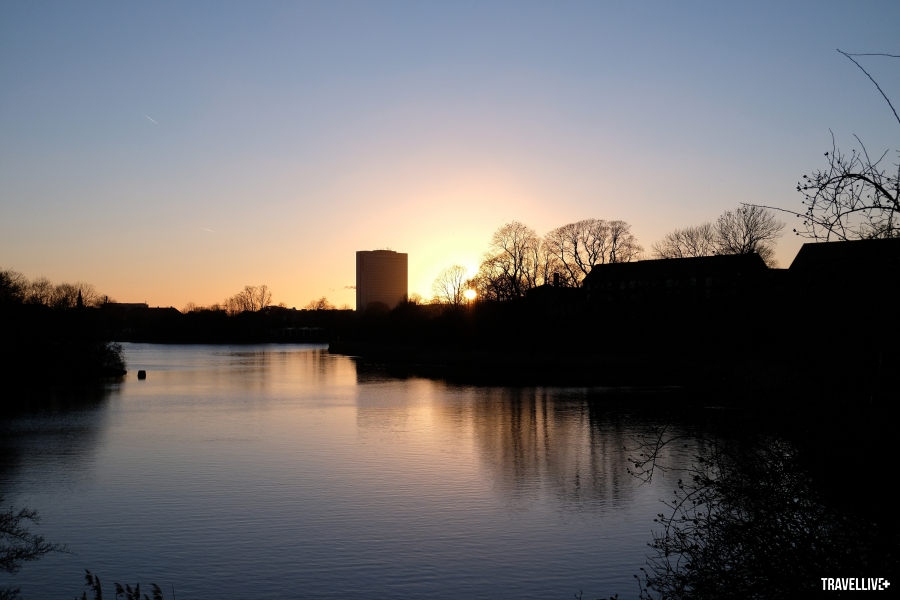
We hurried past the drug stalls, across the central courtyard to a large lake. To my surprise, a strangely peaceful and serene scene unfolded before me. White swans swam leisurely on the calm surface of the lake. The sun cast its last rays through the golden reeds. I couldn't imagine such a tranquil natural landscape hidden within a somewhat rebellious neighborhood. On the surface, they seemed incompatible, but upon closer reflection, it was a wonderful arrangement of nature. What could be more perfect than "rebelling" with smuggled cigarettes in such a peaceful setting? Perhaps there's no room for romance, but that's what "life" is all about.
We found a seat overlooking the lake, quietly enjoying the clear view. A feeling of peace mixed with excitement as we shared sips of whiskey, took a few puffs of cigarettes, and watched the glorious sunset descend over the lake.
A CHANCE AND INTERESTING ENCOUNTER
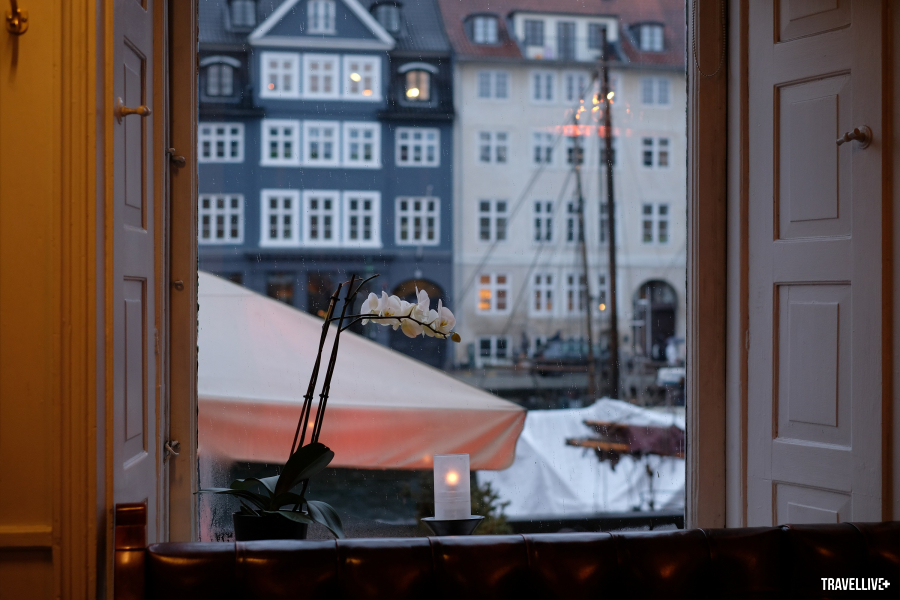
After a day of strolling through Copenhagen's drizzling rain, we stopped at a quintessential Danish restaurant on the Nyhavn canal. Wrapped in blankets and enjoying a hot cup of traditional Danish coffee in the chilly winter weather was a truly delightful experience.
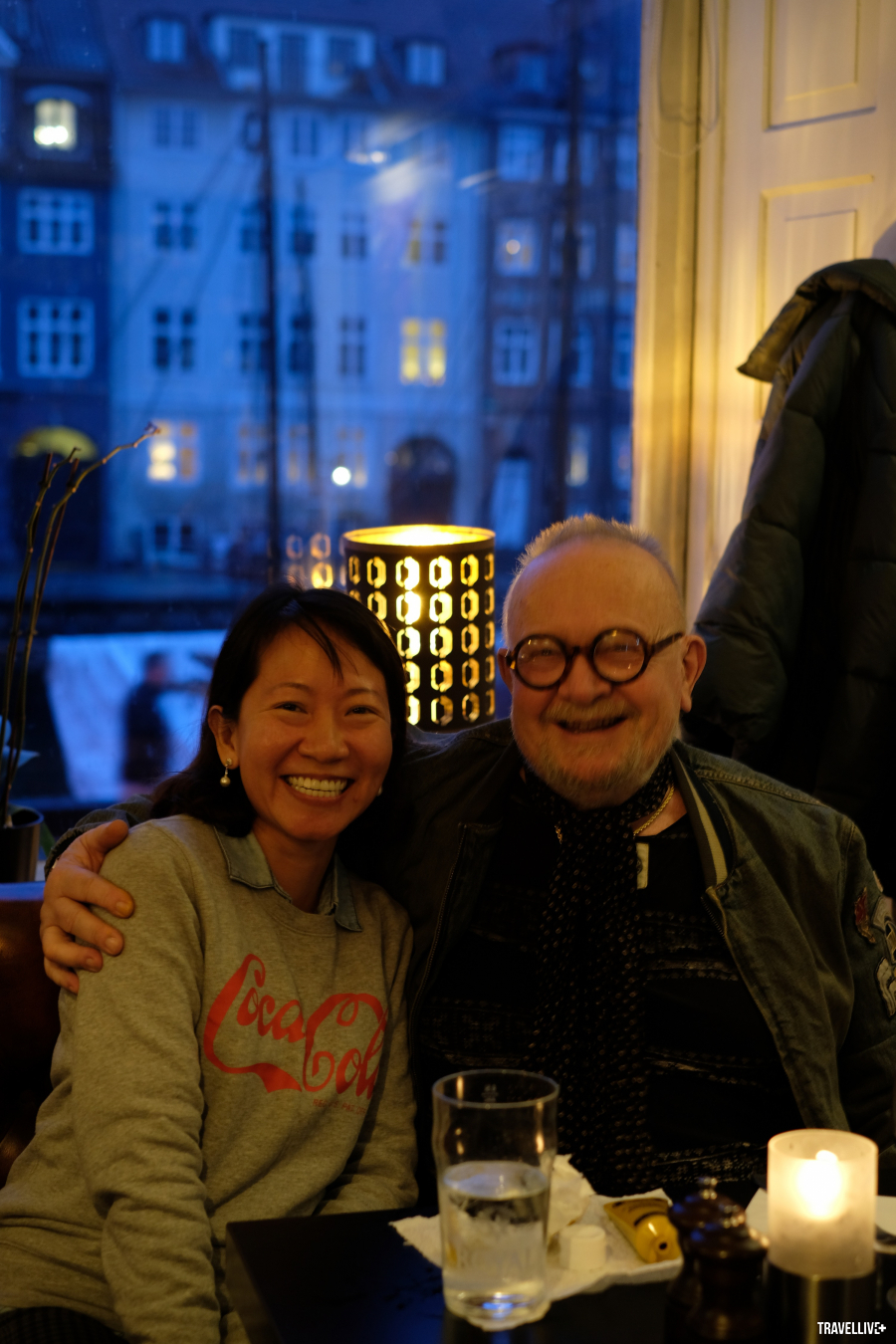
As evening approached, the weather grew colder, forcing us to move indoors. It was a cozy and relaxing space, with colorful paintings and warm yellow lights by the pretty windows. We were so engrossed in conversation that we didn't notice an elderly gentleman sitting at the next table. It wasn't until he approached the painting at our table and added a few more strokes that we were truly surprised and started a conversation.
It turns out he's the owner of this old house, now rented out as a restaurant, and also the "creator" of all the paintings in this restaurant and many nearby restaurants. He's Rolf Gjedsted, a famous Danish painter and writer, who has published 60 books of various kinds, mainly novels about the history of the Nyhavn canal, Danish culture, and a lot of poetry.
I also boldly mentioned that I was learning to paint and showed him my latest work. He looked at it in a flash and asked, "Would you like to hear my opinion?" I enthusiastically nodded repeatedly. He asked again, "Are you really sure you want to hear it? You might not like it." I replied that it was an honor to receive honest feedback from a famous artist like him. He laughed and said, "You paint very realistically; even I can't paint like that. But it lacks your own unique style; it's just like a photocopy, and that's not art. To create your own signature, you have to break away from the meticulousness. The important thing is, do you dare?"
Wow, first shock! He really hit the nail on the head. The more I paint, the more I find myself engrossed in meticulous detail, wanting the painting to be accurate down to the smallest detail. When I painted my younger brother's portrait, I initially wanted to experiment with acrylics and a different style. But after putting so much effort into achieving such meticulousness, I became afraid of disrupting it, afraid that my unconventional approach would ruin the painting. That's exactly what he said. If you want to create art, you have to have the courage to break away from old works. What a profound observation from an experienced artist.
Then, he handed me a piece of tissue paper smeared with yellow acrylic paint and told me to feel free to add it to the paintings in the room. Wow, shock number two. I was really confused because I didn't know how to avoid ruining his work. He kept encouraging me to just do it freely, and I just tried my best to add a few strokes.
I deeply appreciate the good intentions behind this artist's actions. It didn't matter how I painted on those canvases; what mattered was that he wanted to show me he was willing to let me ruin his finished works. So, do I have the courage to ruin my own paintings? It was a serendipitous and interesting encounter. It was also a profound lesson about art and life. "If you want to make your own mark, you must have the courage to break the old ways."
ADDITIONAL INFORMATION
Visa:Denmark is one of the 26 European countries in the Schengen Area, so Vietnamese citizens are required to apply for a Schengen visa before traveling. You can apply for this visa at the embassy or consulate of any Schengen country if your itinerary includes a first stop in that country or if you plan to stay there for the longest period.
Trip:Copenhagen is the capital of Denmark and one of Europe's major cities, so you can get there by many flights. The journey from Vietnam to Copenhagen is a long one, taking 13 hours or more, and there are currently no direct flights. We flew from Ho Chi Minh City to Copenhagen and returned from Oslo (Norway), so we bought tickets from Aeroloft of Russia. That was the flight with the most reasonable travel time and layover (in Moscow). Other airlines you could choose for a round trip from Vietnam to Copenhagen include Thai Airways, Qatar Airways, or Emirates.
Time:Copenhagen's weather is divided into four distinct seasons, each with its own unique beauty and charm, so you can visit Copenhagen at any time of the year.
Means of transportation:Copenhagen's public transport system is very convenient, including buses, the metro, trams, and trains. If you travel frequently within the city or surrounding areas, the best option is to purchase a Citypass, which offers 24-hour, 48-hour, or 72-hour passes to cover all public transport.
Accommodation:It really depends on your budget and preferences, as there are many options in this large city. We stayed at the Urban House Copenhagen by Meininger hotel, near the central train station, for around 2 million VND per double room per night.
Cuisine:Copenhagen offers a wide variety of delicious and exotic seafood. However, the cost of a main course at a mid-range restaurant can be quite high, ranging from 150 to 200 DKK (approximately 500,000 to 700,000 VND). Traditional Danish coffee is very aromatic and is served with a layer of cream rather than milk.
Money:Although part of the EU, Denmark, like several other Nordic countries such as Norway, Sweden, and Finland, does not use the Euro, but instead uses its own currency. The Danish currency is the Krone (DKK), with an exchange rate of approximately 3,700 VND = 1 DKK.

 VI
VI