VI
VI


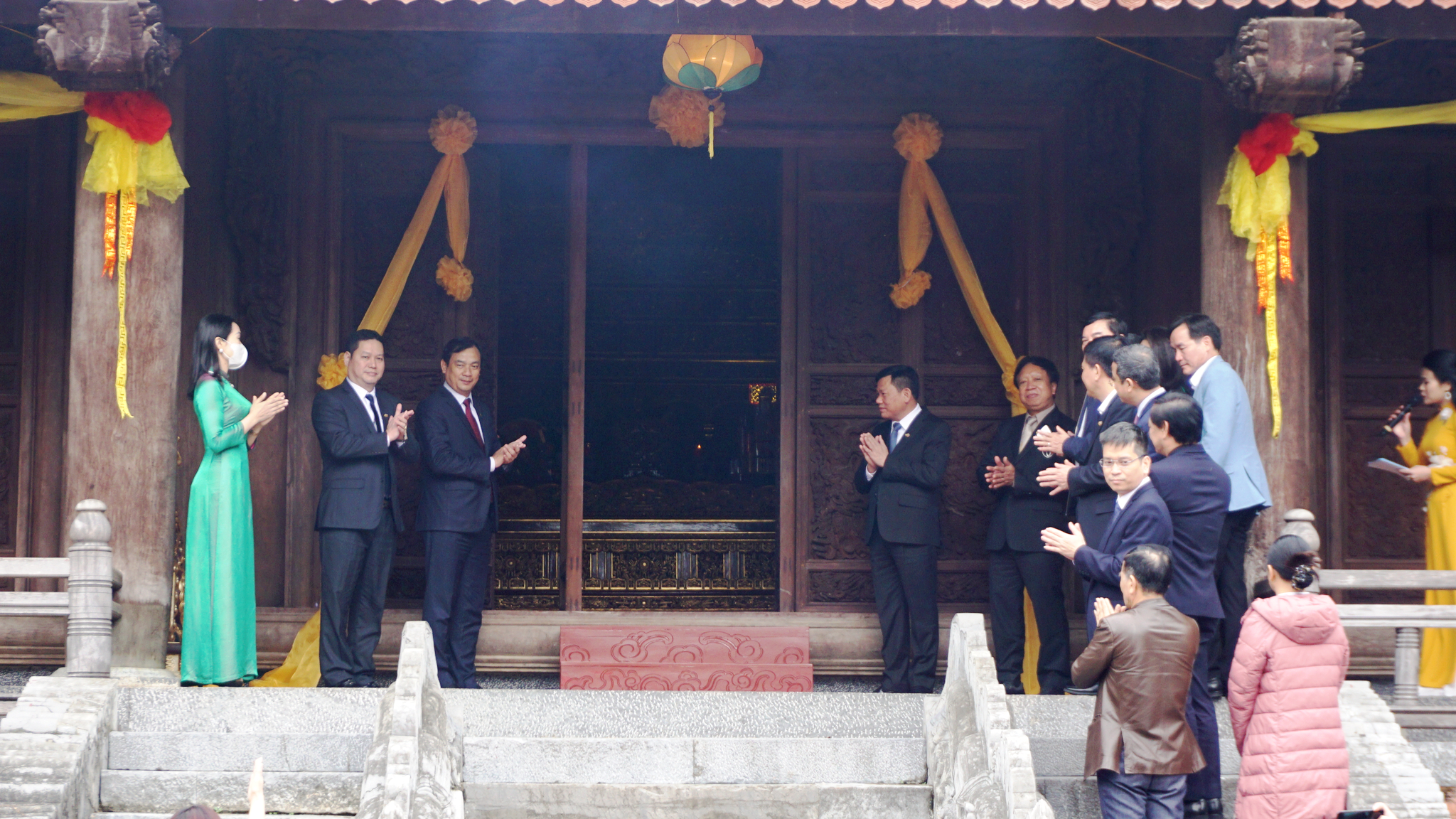
On April 2nd, at the Lam Kinh National Special Historical Site, the Thanh Hoa Department of Culture, Sports and Tourism announced the launch of MobiFone Smart Travel, a product within the smart tourism project. The project consists of two phases:
Phase 1 has been completed, developing a smart tourism application and successfully digitizing many tourist destinations in Thanh Hoa with features such as: 360-degree VR tourism experiences; augmented reality (AR) tourism experiences within tourist areas; and tourism information search and retrieval. Currently, Thanh Hoa province continues to cooperate with MobiFone to digitize tourism at famous destinations: Lam Kinh Ancient Citadel, Pu Luong Community Tourism Area, Ho Dynasty Citadel World Heritage Site, Nua Temple - Am Tien Temple, etc.

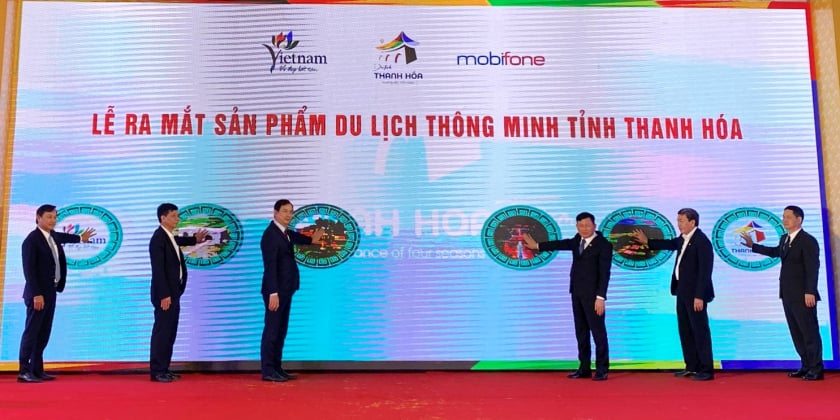
Delegates perform the ceremony to announce smart tourism products.
In phase 2, Thanh Hoa focuses on developing enhanced features to connect accommodation, travel agencies, restaurants, and entertainment venues. The province aims to develop mobile applications by 2025 to serve tourists in key tourist areas, including: information on destinations, tourism products and services, and automated tour guides; 100% of key tourist areas and attractions will have Wi-Fi systems installed; and 100% of tourist information and service lookup machines will be installed in key tourist areas such as Tho Xuan Airport, Thanh Hoa Railway Station, and Na Meo International Border Gate…
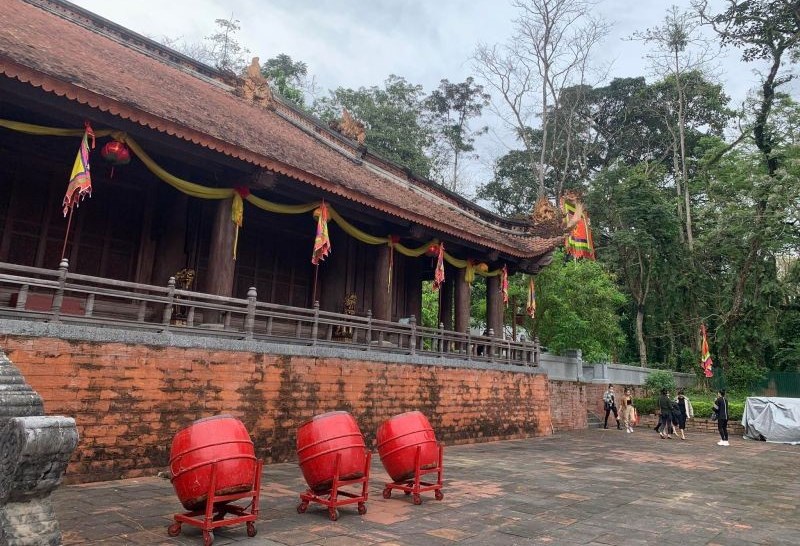
Lam Kinh Ancient Citadel Main Hall
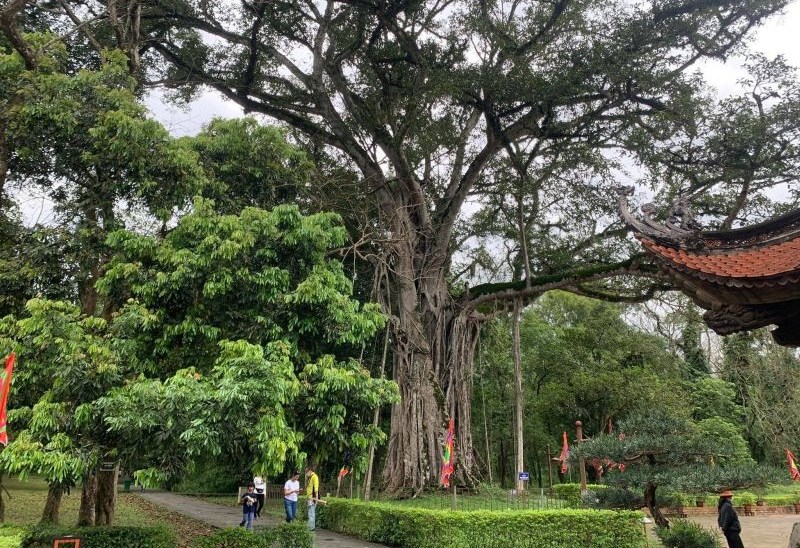
Space within Lam Kinh Urban Area
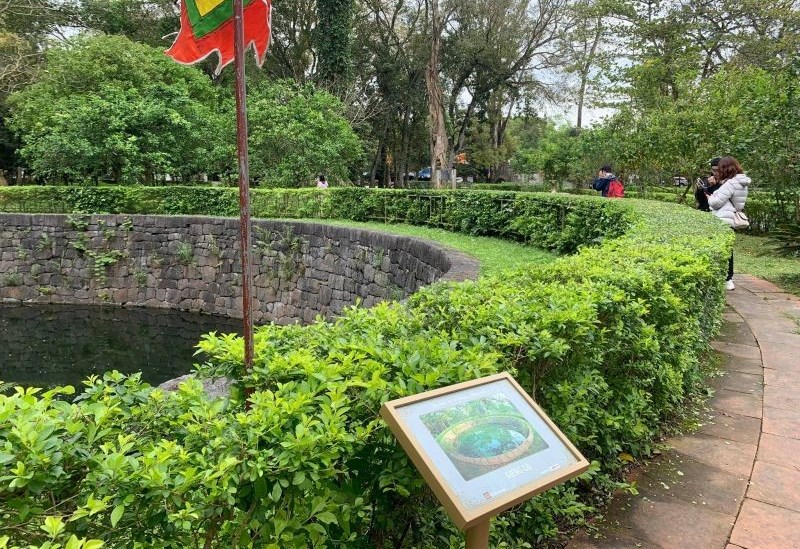
Tourists visiting the Ancient Well area.
During the announcement ceremony, Thanh Hoa province also announced the opening of the Lam Kinh Historical Site's Main Hall to visitors. According to the provincial Department of Tourism, after more than 10 years of restoration, the Lam Kinh Historical Site's Main Hall will take visitors back in time to experience the past, the most prosperous period in Vietnam's feudal history. The main hall currently features architecture strongly influenced by the Le Dynasty; it is meticulously and elaborately carved and is considered the largest wooden structure made of ironwood in Vietnam today. Decorative patterns on the surface of the wooden components include dragons; mythical creatures, cloud patterns, and flowers from the Le Dynasty; relief and openwork carvings with depths ranging from 10-20 cm; and a restored terracotta tile roof. Visitors to the historical site can also explore ancient structures such as the Thai Mieu Temple, Nghinh Mon Gate, Dragon Courtyard, Bach Bridge, Ngoc River, ancient wells, and stone steles.
At the ceremony, Director General of the Vietnam National Administration of Tourism Nguyen Trung Khanh stated that Thanh Hoa province will continue to integrate smart applications and digital transformation into sustainable tourism development.