VI
VI


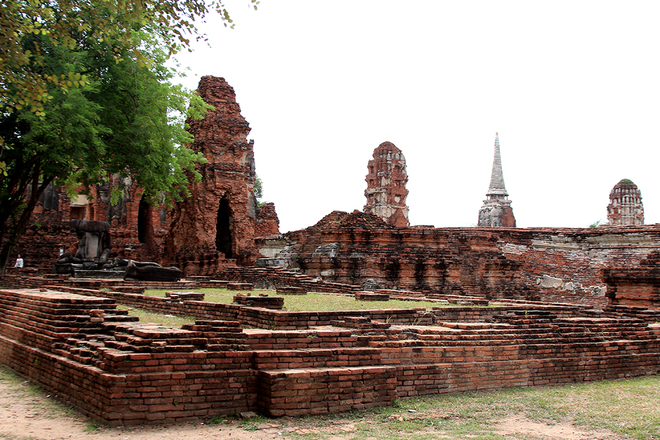
Like the ancient capital of Hue in Vietnam, Ayutthaya preserves the glorious past of an ancient capital that existed for over 400 years, from the mid-14th century to the late 18th century.
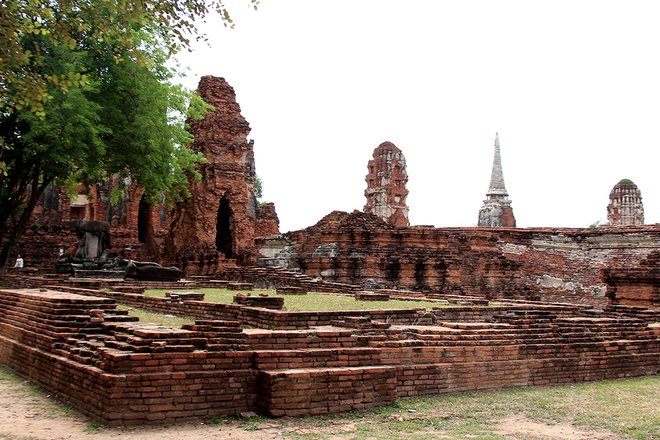
Ayutthaya was founded as the capital by King U Thong in 1350, with King Ekatat being the last. After 33 kings and 7 dynasties, in 1767, neighboring Myanmar invaded and destroyed the entire capital of Ayutthaya. However, amidst the ruins and devastation, one can still glimpse the former splendor of this once prosperous imperial city, one of the most magnificent in Southeast Asia.
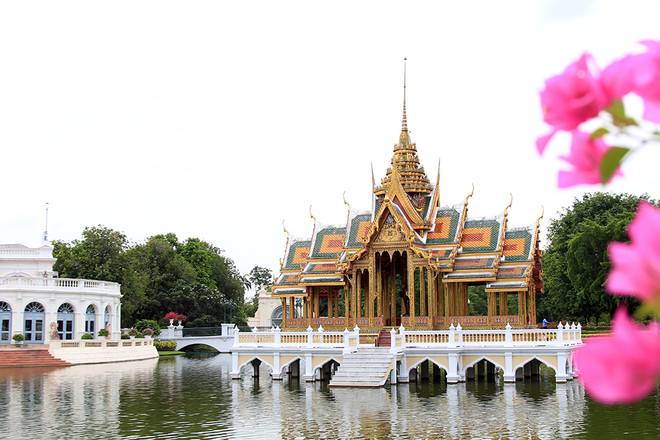
At Bang Pa In Summer Palace, you'll find a beauty reminiscent of a traditional ink painting, with the palace surrounded by a vast, tranquil, and picturesque lake. Upon entering, all the worries and troubles of life seem to vanish.
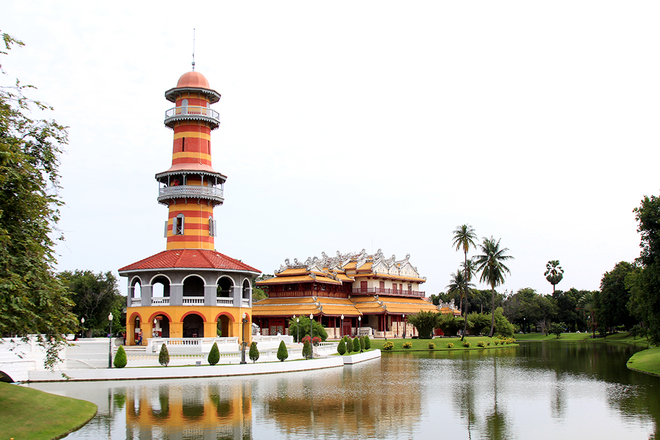
With a harmonious blend of Eastern and Western architectural styles, the palace complex includes notable structures such as the Thai-style castle Phra Thinang Aisawan Thippa-at; the two-story European-style building Phra Thinang Warophat Phiman; and the Chinese-style building Phra Thinang Wehat Chamrun, along with the unique Elephant Bridge that subtly reflects Greek architecture.
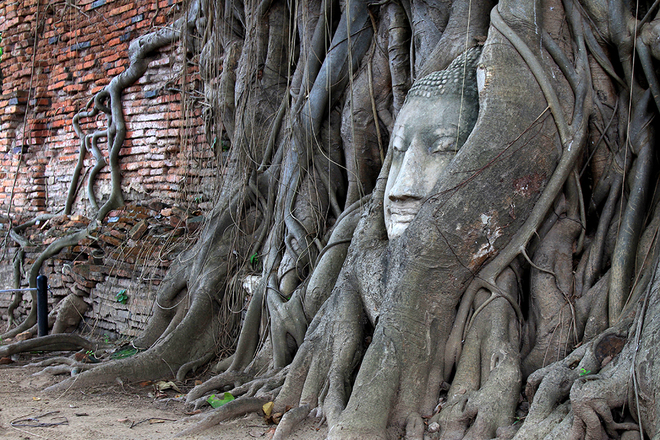
You also shouldn't miss Wat Mahathat, which, while not the most beautiful temple, is a top religious site in Thailand. Particularly interesting is the Buddha's face nestled within tree roots, creating a vivid and unusual image.

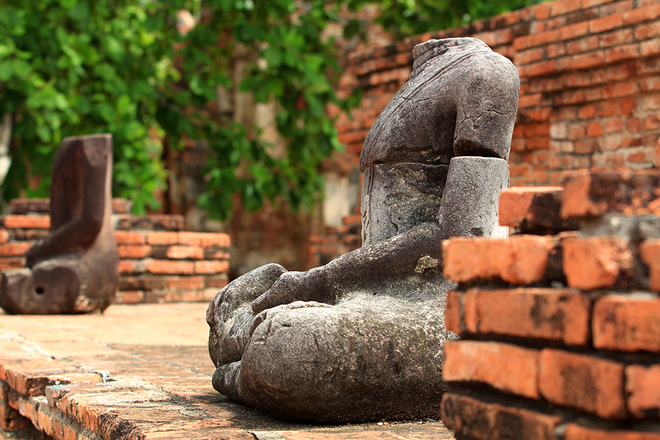
Right next to Wat Mahathat is the Ayutthaya Historical Park, a ruin with many temples, characterized by their exposed red brick construction. The site lies on the banks of the river formed by the confluence of three rivers: the Chao Phraya, Mae Nam Lop Buri, and Pa Sak. Perhaps this is why Ayutthaya is remembered by many tourists as an oasis of temples along the river.
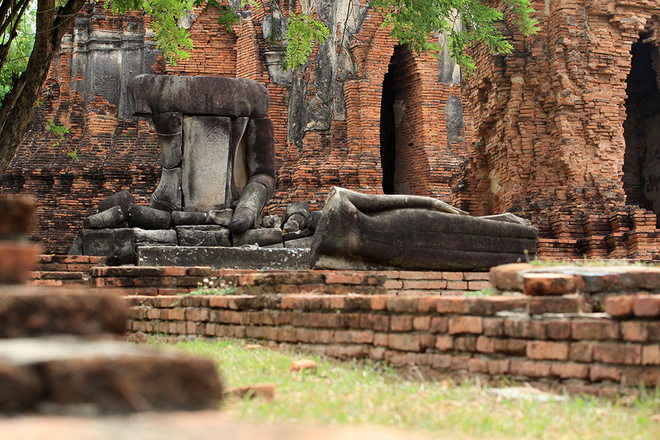
During its heyday, which lasted over 400 years, Ayutthaya boasted more than 300 temples with glittering gold-plated pagodas and exquisite sculptures. However, in 1765, the Burmese attacked the city, destroying many of its magnificent structures and melting down the gold statues. Today, in Ayutthaya Park, most of the Buddha statues are headless, leaving only remnants of the kingdom's glorious past.
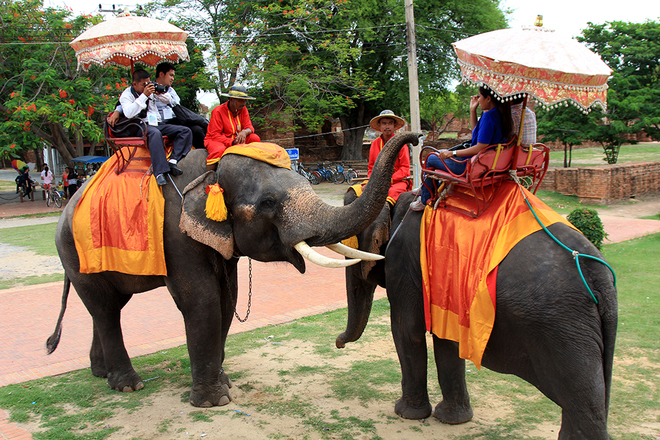
Riding an elephant to see the city of Ayutthaya is quite enjoyable. Try the feeling of sitting on the back of an elephant, swaying as you pass through the streets with cars constantly moving on either side. The price for an elephant ride in Ayutthaya is 50 baht per person for 15 minutes. You can see several elephants wandering around the ancient city of Ayutthaya at any time.
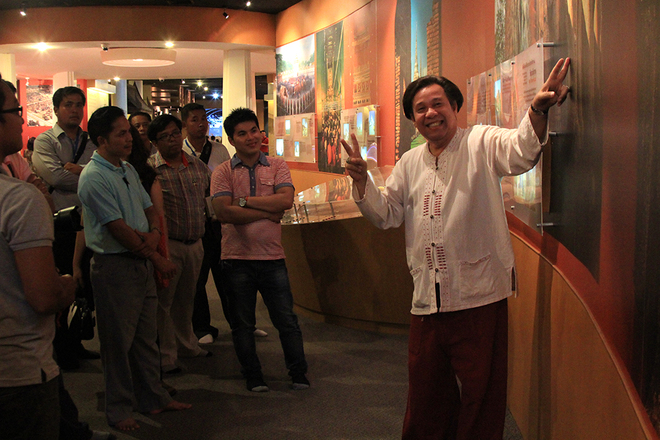
You should also visit the Chao Sam Phraya National Museum, which houses most of the artifacts excavated from Wat Ratchaburana and other temples in Ayutthaya. The first floor features Buddha statues in various poses and porcelain, as well as ancient bullets. The second floor displays collections of gold ornaments, sarcophagi containing relics of the Buddha, and carved wooden doors. Additionally, there are religious artifacts and artwork from various royal dynasties, a traditional Thai house from the central region, and some everyday items from the Rattanakosin period.
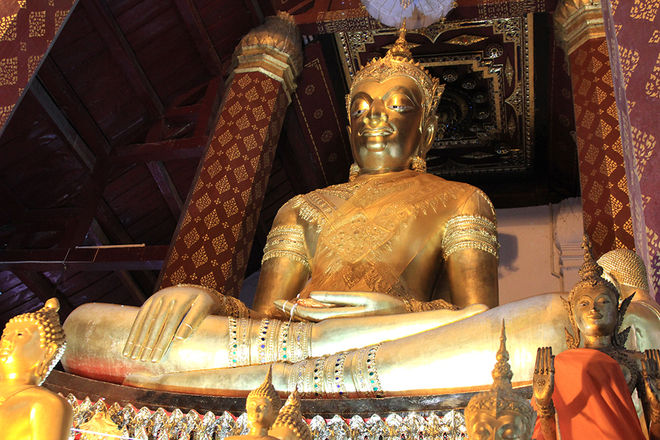
The Pananchoeng Temple, located south of Phra Nakhon Si Ayutthaya, was built in 1324 and is also a place you should visit. The main Buddha statue in the temple's sanctuary, called "Phrachao Pananchoeng," was completed in 1334 BC.
This beautiful Buddha statue, made of gilded stucco, stands 19 meters tall in the pose of subduing demons and is revered by many people in Ayutthaya. The temple is open daily to visitors from 8 am to 5 pm.
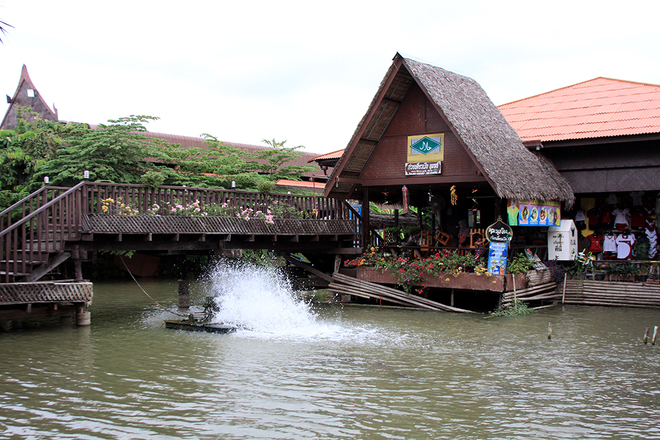
Unlike the bustling floating markets of Cai Rang and Cai Be in the natural waterways of the Mekong Delta in Vietnam, Ayutthaya floating market is situated on a canal, offering a peaceful atmosphere with boats selling fruits (grapefruit, mango, jackfruit, etc.) and various types of cakes wrapped in banana leaves. The goods here mainly consist of clothing, souvenirs, and Thai food, attracting many visitors and shoppers.
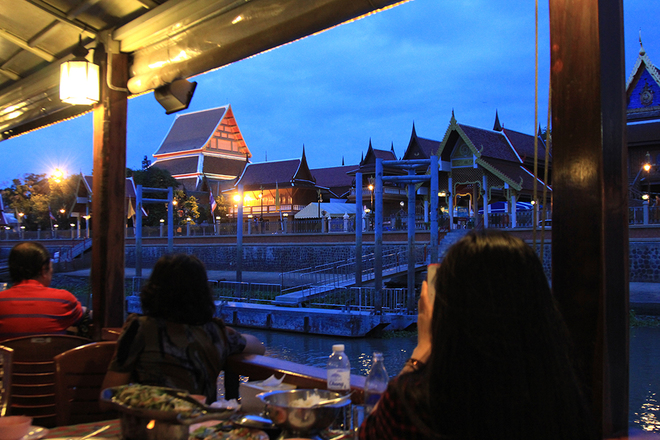
You can reserve a table for yourself, your family, or loved ones on wooden boats that can accommodate about 50 people on the Chao Phraya River to enjoy a romantic dinner while admiring the ancient monuments and temples along both banks of the river.