VI
VI


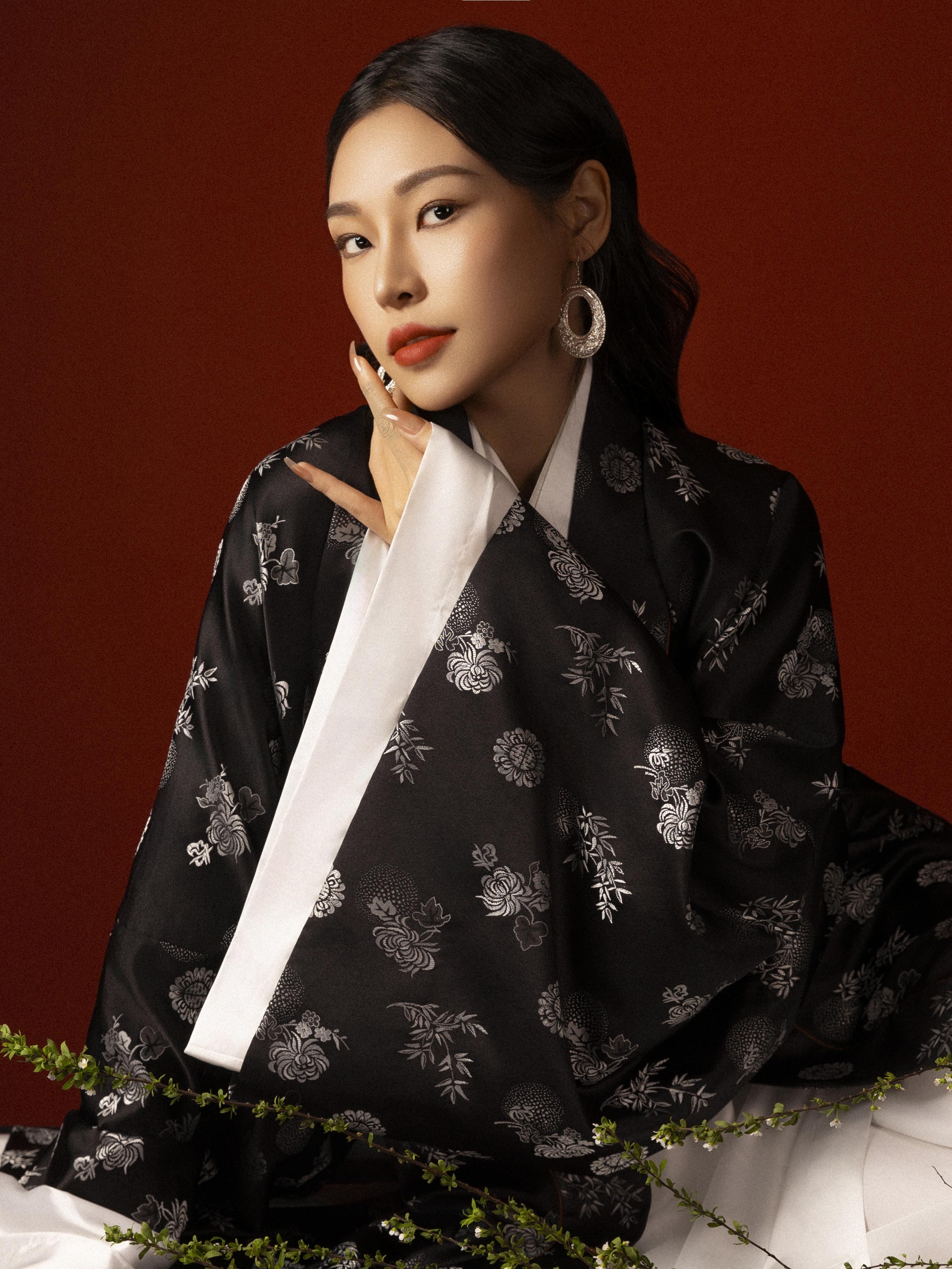
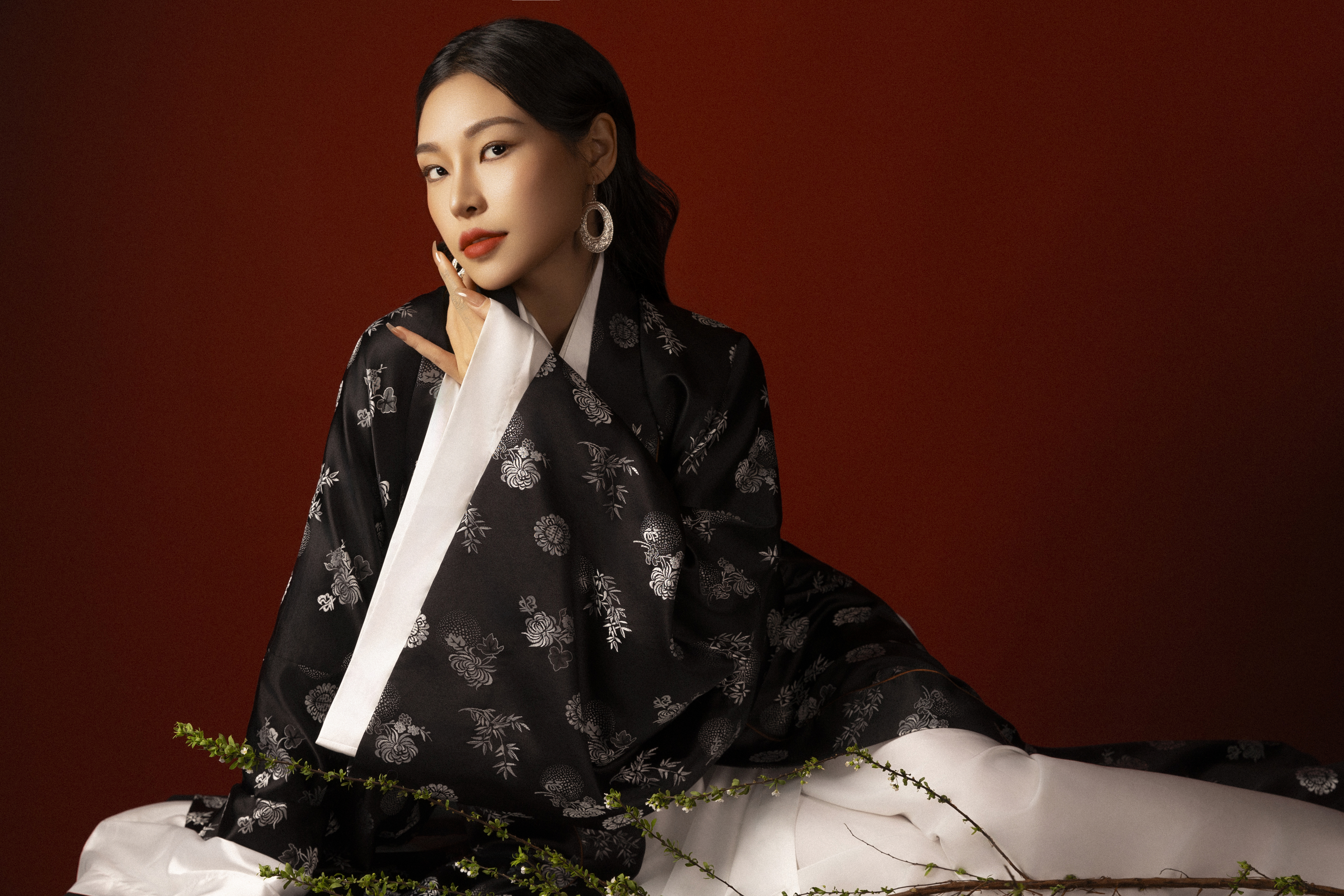
Traditional Vietnamese clothing and the new fashion trend among young Vietnamese people during Tet (Lunar New Year).
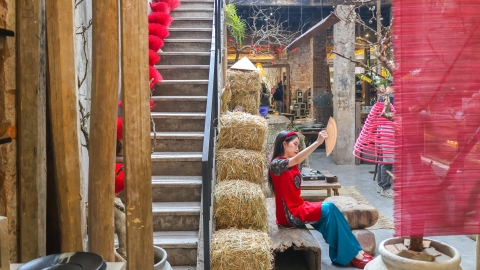
As Tet (Vietnamese New Year) arrives, the atmosphere of family reunion permeates everywhere, providing an opportunity for Vietnamese people to reflect on traditional cultural values that have been cherished for generations. Today's youth are creating a new trend, with the revival of traditional garments like the Nhat Binh, Ao Tac, and Ao Ngu Than – once symbols of the aristocracy – becoming popular attire during Tet. Images of young people wearing these traditional outfits in Tet photos, family gatherings, or spring outings are no longer uncommon, showcasing their individuality and clearly demonstrating the deep connection between the younger generation and national traditions.
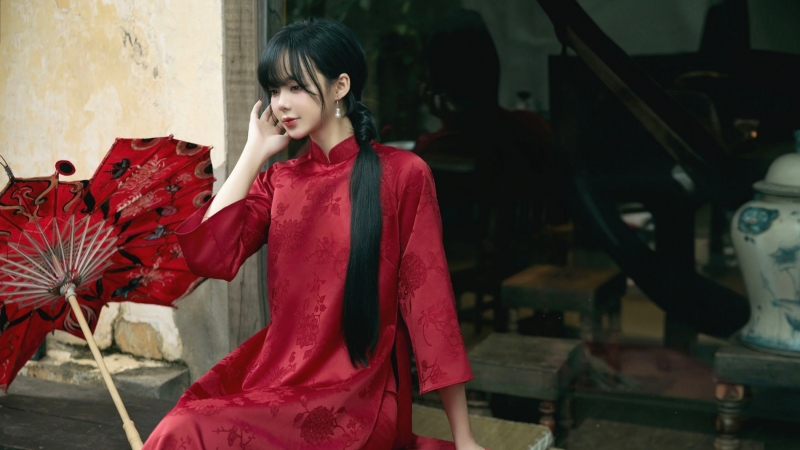
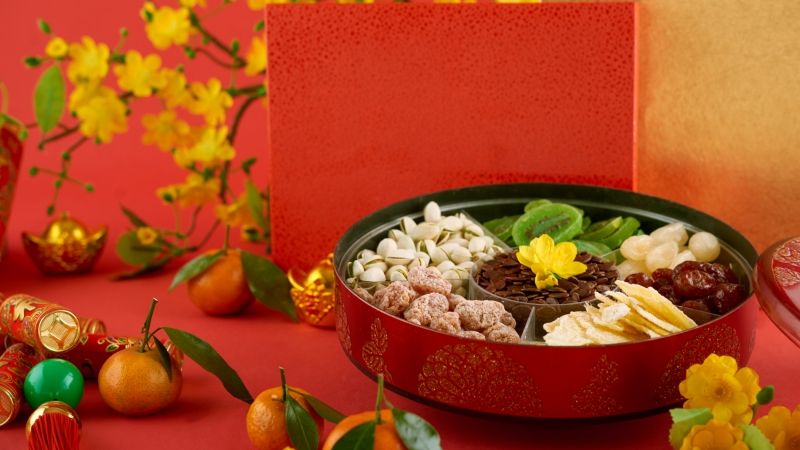
According to Nguyen Duc Loc, founder of the traditional clothing brand Y Van Hien, this trend is not a temporary phenomenon but the result of natural development. “When society reaches a stable level, people will return to traditional culture to affirm their individual and national identity. This is not only common in Vietnam but also appears in countries like Japan with kimono, Korea with hanbok, and China with hanfu,” he shared.
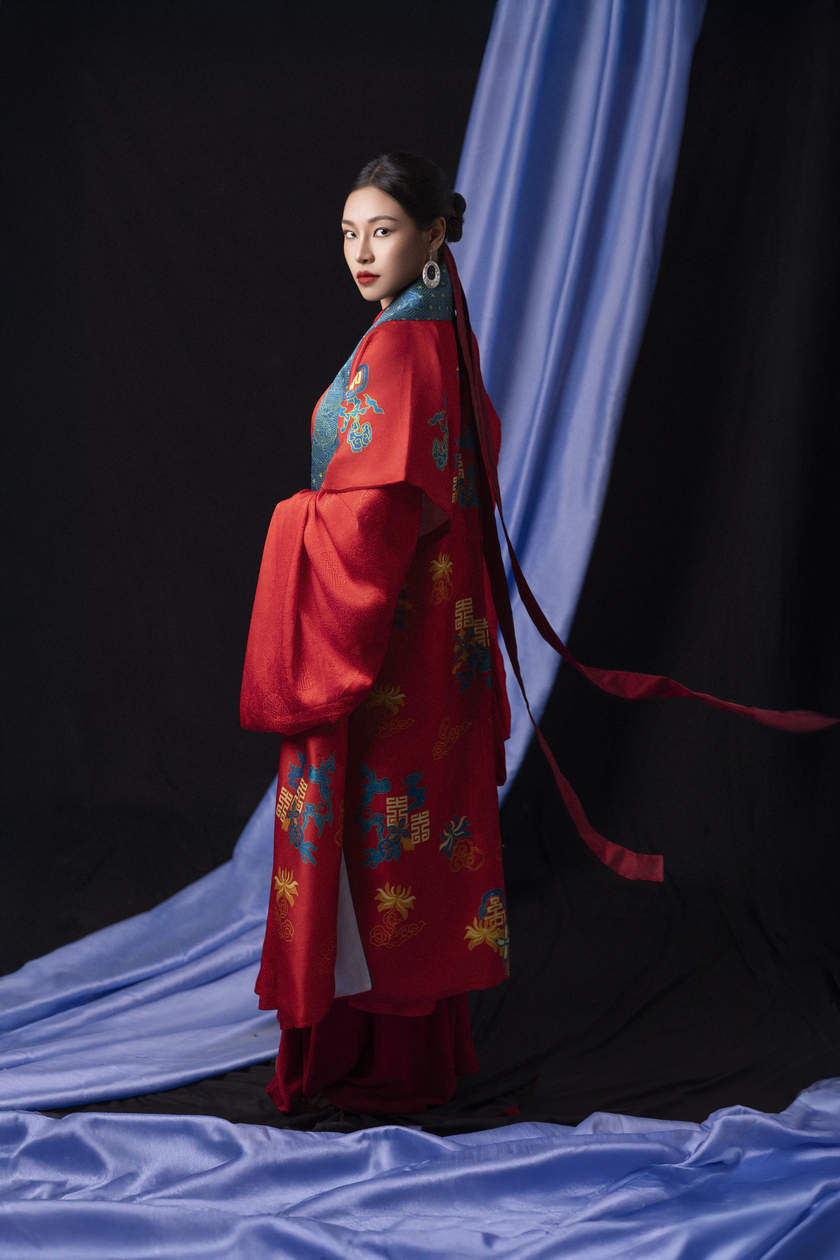
The Y Van Hien brand was established in 2018, marking a turning point in the revival of traditional Vietnamese clothing. From its challenging beginnings, the brand has continuously developed, building a foundation based on core historical values while innovating to suit modern needs. One of Y Van Hien's important goals is to bring traditional clothing back into contemporary life. "We don't just restore traditional clothing for display in museums or cultural exhibitions; we want to bring these garments into everyday life, so they become a natural part of life," he emphasized.
Despite their increasing popularity, incorporating traditional clothing into everyday life, especially during Tet (Lunar New Year), still faces many obstacles. Many young people are still hesitant, fearing that traditional clothing is only suitable for formal ceremonies, or worried about combining traditional attire with modern styles, or simply about its practicality in modern life.
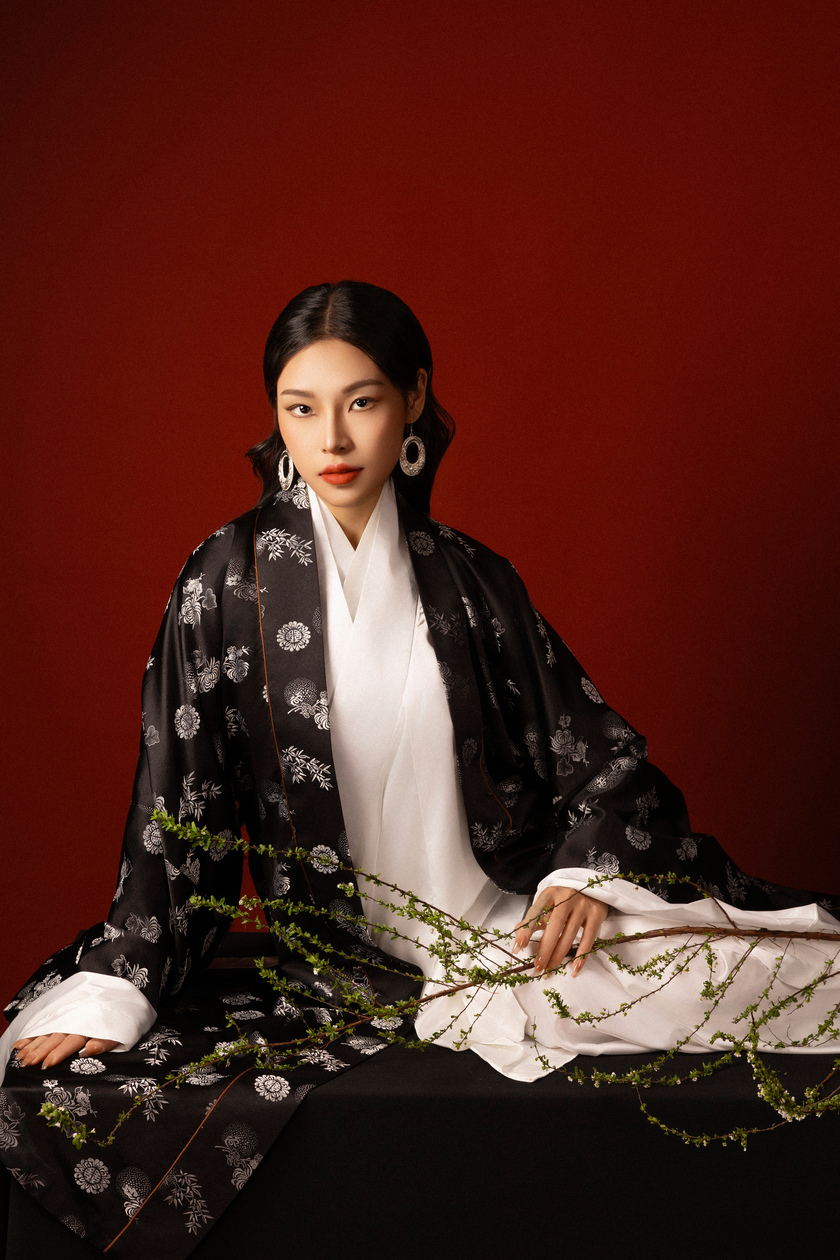
To overcome these barriers, Y Van Hien has continuously strived to create numerous activities to promote and spread culture. Tea ceremonies and cultural exchange events are regularly organized with the participation of young people wearing traditional costumes, giving them the opportunity to experience and understand the value of traditional clothing firsthand. More in-depth research on traditional clothing also opens up diversity in choices: instead of focusing only on the Nhat Binh dress of the Nguyen dynasty, they begin to explore costumes from the Ly, Tran, Le Trung Hung, or even Dinh dynasties… This diversity not only enriches the fashion of young people but also brings a fresh perspective to traditional festivals, evoking national pride in everyone.

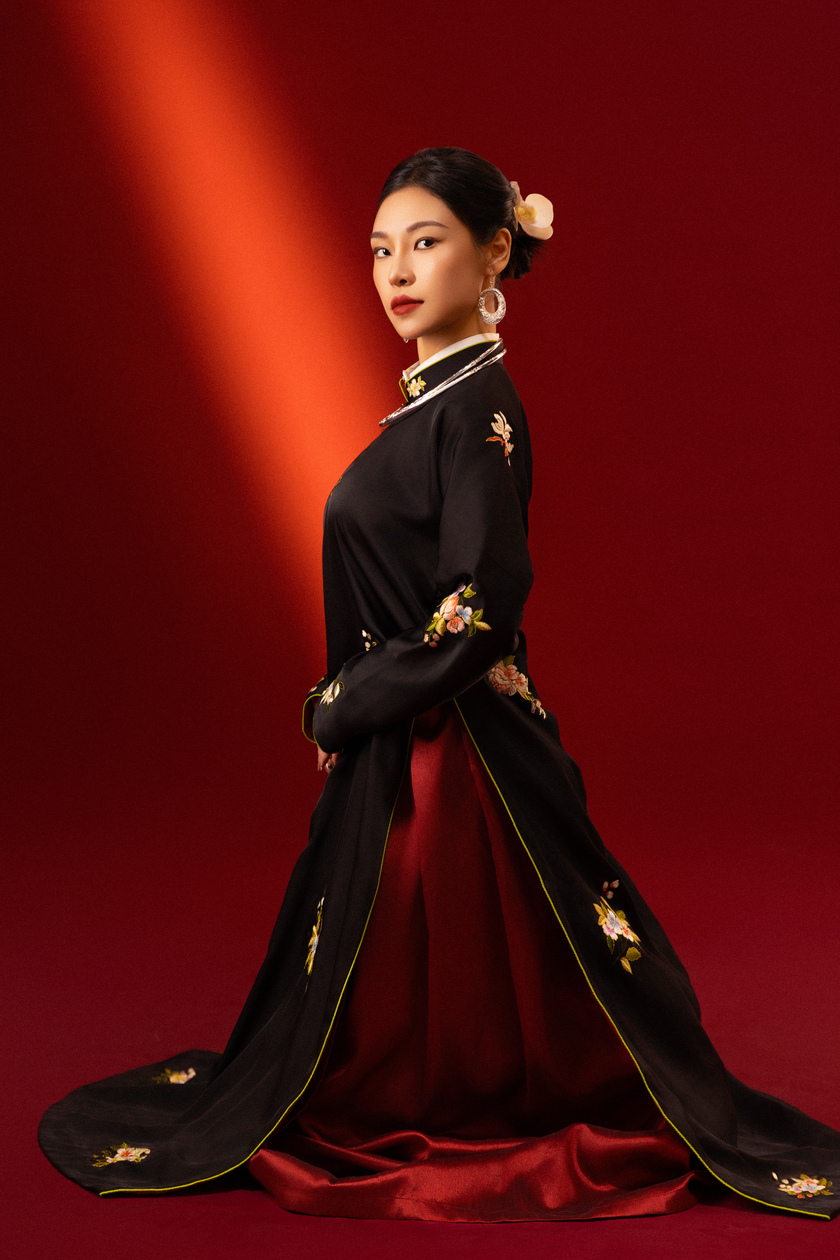
“Deep down, every Vietnamese person possesses patriotism and national pride. When cultural values are widely and properly disseminated, they will naturally be accepted. Vietnamese traditional clothing not only carries historical significance but also reflects self-respect and patriotism. Loving and wearing Vietnamese traditional clothing is also a way of expressing one's own patriotism and national pride,” Mr. Loc emphasized.
To meet the needs of the younger generation and suit modern social life, Y Van Hien applies modern technologies such as 3D painting, machine embroidery, and uses alternative materials to reduce costs while maintaining aesthetic appeal. At the same time, the brand simplifies some processes, replacing entirely hand embroidery with a combination of hand and machine embroidery.
Today's youth also demonstrate creativity in how they style and accessorize traditional costumes. They can wear them in their original form or add a twist by combining them with sneakers, modern handbags, or unique hairstyles, creating a fresh and attractive look while still preserving the traditional spirit.
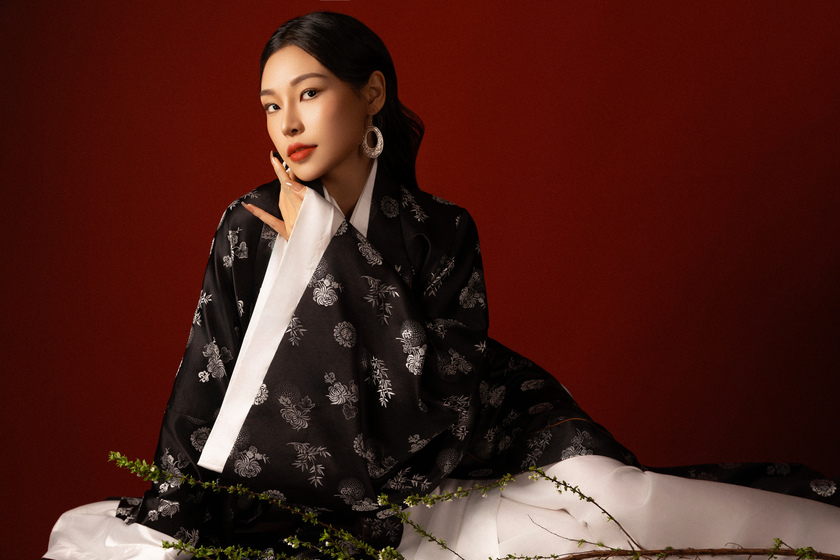
Wearing traditional clothing during Tet (Lunar New Year) is not just about aesthetics; it also offers meaningful cultural experiences. Many young people believe that wearing traditional clothing helps them feel more deeply about themselves and the cultural values of their nation. Every stitch and pattern holds historical stories, helping them connect more deeply with their roots.
The future of Vietnamese traditional costumes
A key factor contributing to the popularity of traditional Vietnamese clothing among young people is the rapid development of social media. Platforms like TikTok, Instagram, and YouTube have become places to showcase and spread images of traditional clothing in an accessible, creative, and engaging way. Videos instructing how to wear the Nhật Bình dress, photo shoots of traditional clothing in traditional settings, and articles analyzing the history of the garment have created a strong wave of interest within the community. We are living in the digital age, and traditional clothing also needs to integrate into that flow.
“These costumes will be introduced to the public through various channels: from stage performances, music videos, films, youth photo shoots, to being made for ambassadors of many countries in Vietnam and abroad. This is not only an effective form of promotion, but also a way for traditional costumes to become an indispensable part of modern life,” Mr. Nguyen Duc Loc further shared.
With the growing trend of wearing traditional Vietnamese clothing during Tet (Lunar New Year), Vietnamese traditional attire is gradually asserting its role as a unique cultural symbol of the nation. According to Mr. Nguyen Duc Loc, Vietnamese traditional clothing has the potential to become an international cultural symbol, similar to the kimono of Japan or the hanbok of Korea. "When young people confidently wear traditional ao dai (Vietnamese long dress), they are not only honoring the beauty of the nation but also becoming cultural ambassadors, bringing the image of Vietnam to the world," he affirmed.
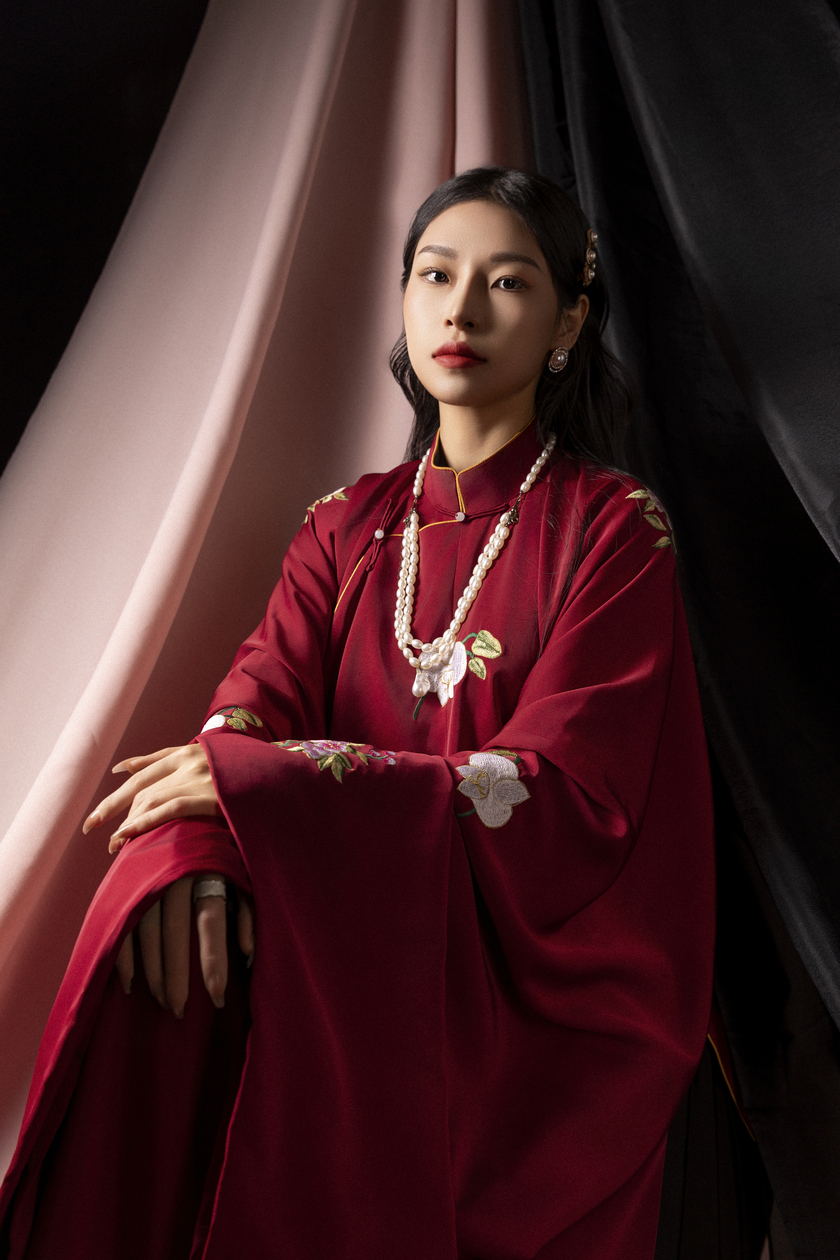
Traditional Vietnamese clothing not only holds historical significance but also reflects national pride and patriotism.
Beyond the Lunar New Year, Vietnamese traditional costumes have the potential to expand into other fields such as performing arts, diplomatic events, and even international fashion runways. The future of Vietnamese traditional costumes lies in preserving their traditional values, how they are applied and commercialized to reach a wider audience both domestically and internationally. With the creativity and enthusiasm of young people, Vietnamese traditional costumes are gradually reviving, becoming a source of cultural pride and a bridge between the past and present in the journey towards the nation's roots.
"It's crucial that we make the world aware of the uniqueness and value of Vietnamese traditional clothing. This is the mission we are striving to fulfill," affirmed Nguyen Duc Loc, founder of Y Van Hien.