VI
VI




The trend of charging tourism fees is becoming increasingly popular worldwide. Currently, more than 60 destinations have implemented various taxes and fees for tourists, with diverse forms of application.


Venice, with the implementation of a new tourist fee from April 2024, is one of many popular tourist destinations worldwide that are adopting tourist fee measures to manage visitor numbers and generate local revenue.
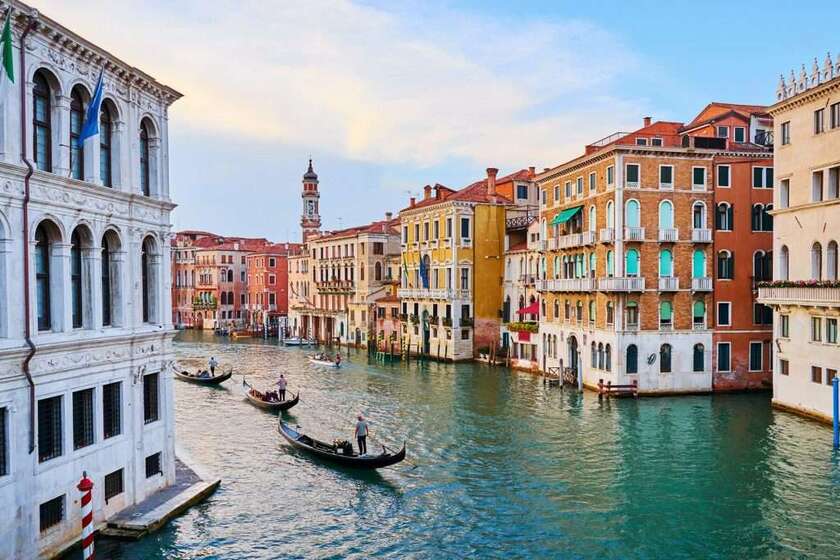
Many popular tourist destinations around the world have begun implementing entrance fees for tourists.
In the UK, Kent County Council recently recommended a tourist tax for overnight stays within the county. Similarly, in Scotland, a fee could become mandatory for visitors to Edinburgh from 2026.
The implementation of a tourism tax, despite its good intentions, has always been a controversial topic with many differing opinions. Some support the tourism tax, arguing that it is a necessary measure to manage tourist numbers, protect the environment, and generate revenue for local areas. However, there are also many concerns about the negative side effects of the tourism tax, especially on the tourism industry.


Charging tourists helps to curb mass tourism.
Tourism taxes can deter tourists and make them reconsider visiting destinations that apply them, leading to a decrease in tourist numbers and impacting the revenue of tourism businesses. If tourists feel that tourism taxes are not being used effectively or the purpose of collecting them is unclear, they may react negatively and affect the image of the tourist destination.
Beyond concerns about potential side effects, implementing tourism fees also offers numerous potential benefits, contributing to sustainable tourism development and environmental protection. CNN conducted research on seven destinations that implement fees and how the revenue is used.
In most cases, tourism fees can be used to promote tourist destinations, attract potential visitors, and enhance the destination's standing in the international tourism market. Investing in effective marketing campaigns will help attract high-quality tourists while contributing to building a strong tourism brand for the locality.
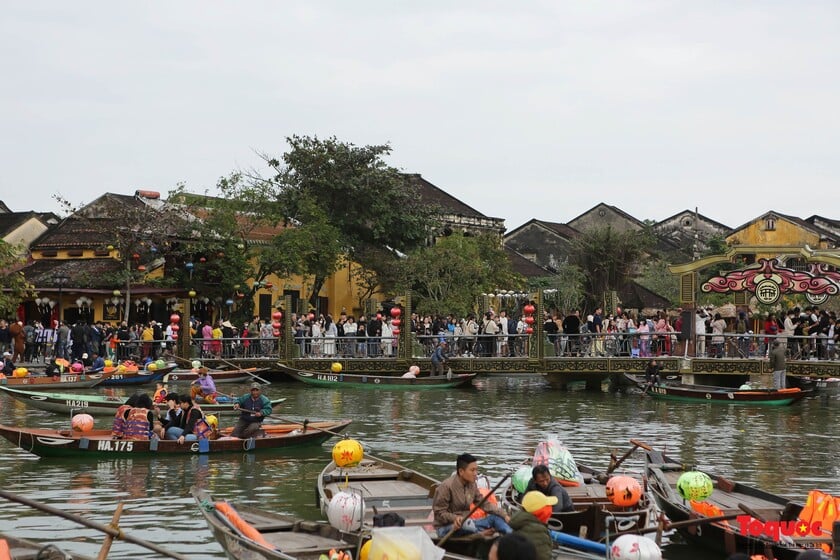
Charging an entrance fee to Hoi An Old Town to protect the heritage.
Revenue from tourism fees can be used to improve tourism infrastructure, including roads, transportation, drainage systems, public restrooms, and recreational areas. Upgrading infrastructure will help improve the quality of tourism services, provide a better experience for tourists, and encourage repeat visits.
Overall, the tourism tax was implemented successfully across all the destinations they studied. There was little evidence to suggest that tourist numbers declined simply because of the additional tax.