VI
VI


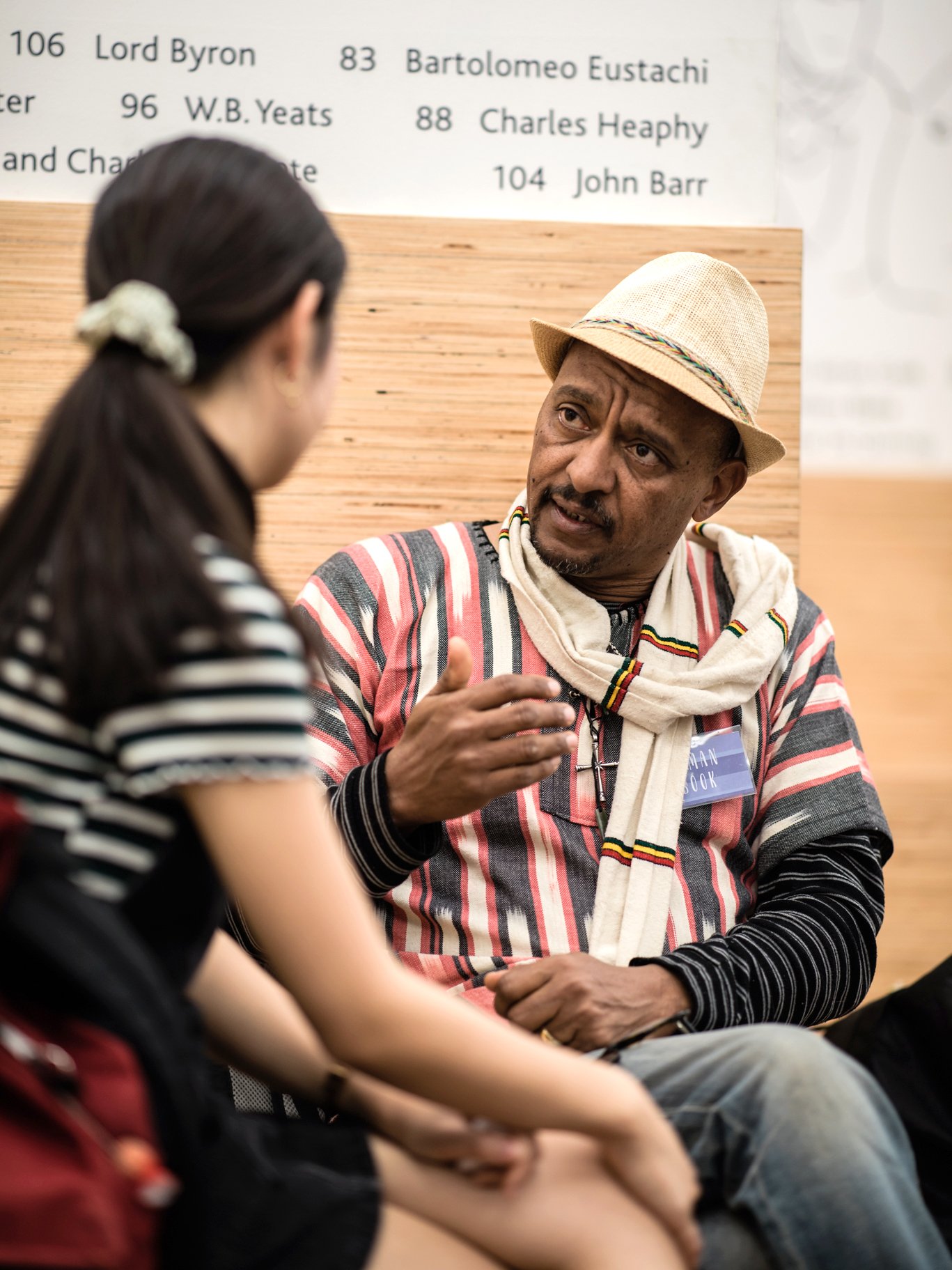
30 minutes of "borrowing someone"
Most of us are familiar with the idea that libraries are filled with books, with shelves offering a diverse range of content. However, there is a library in Denmark where visitors can "borrow people" instead of borrowing books.
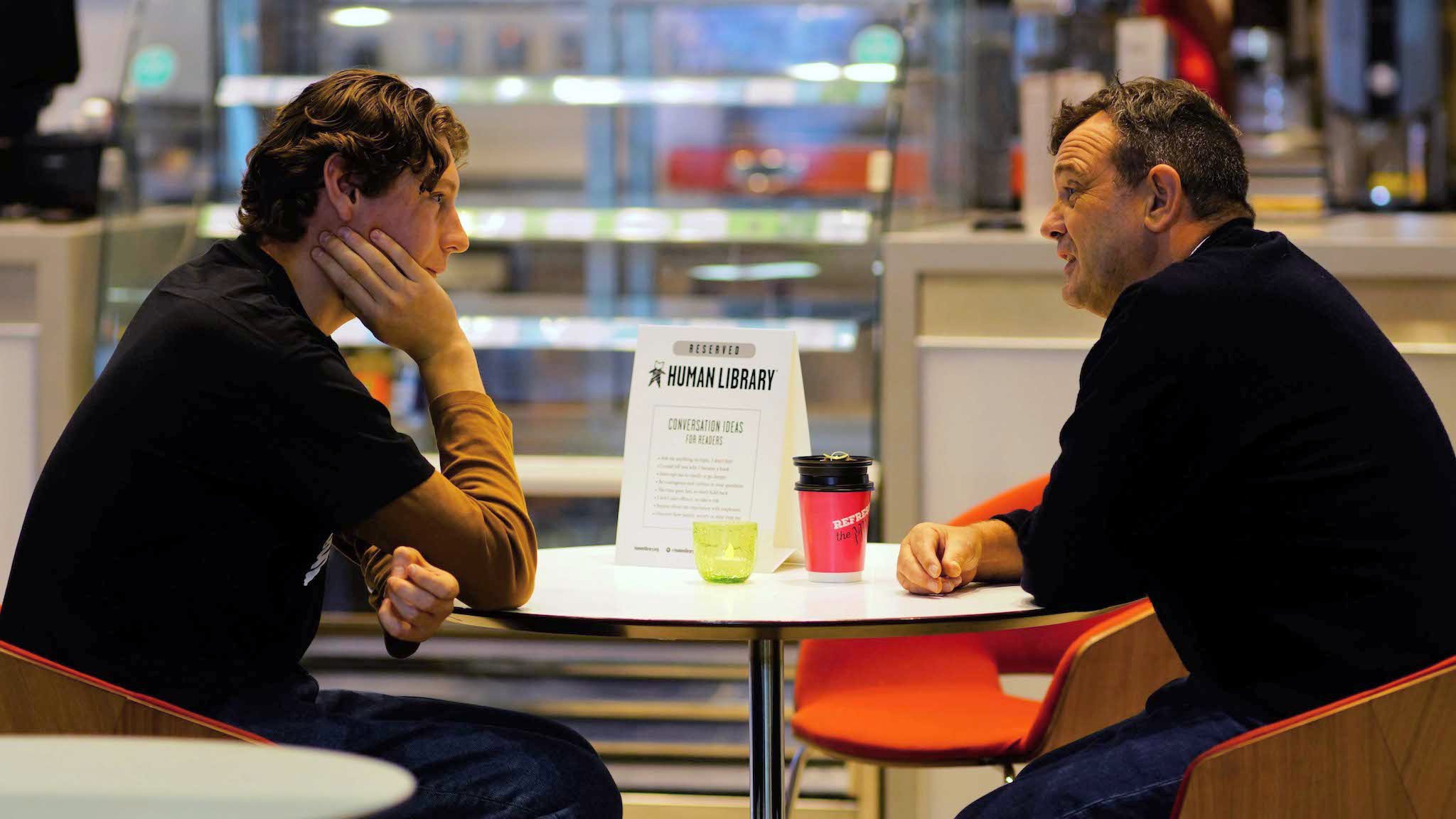
This was the idea of a group of innovators in 2000 who founded The Human Library, or Menneskebiblioteket in Danish. Accordingly, readers can borrow a person for 30 minutes to chat, tell, or listen to life stories from complete strangers.
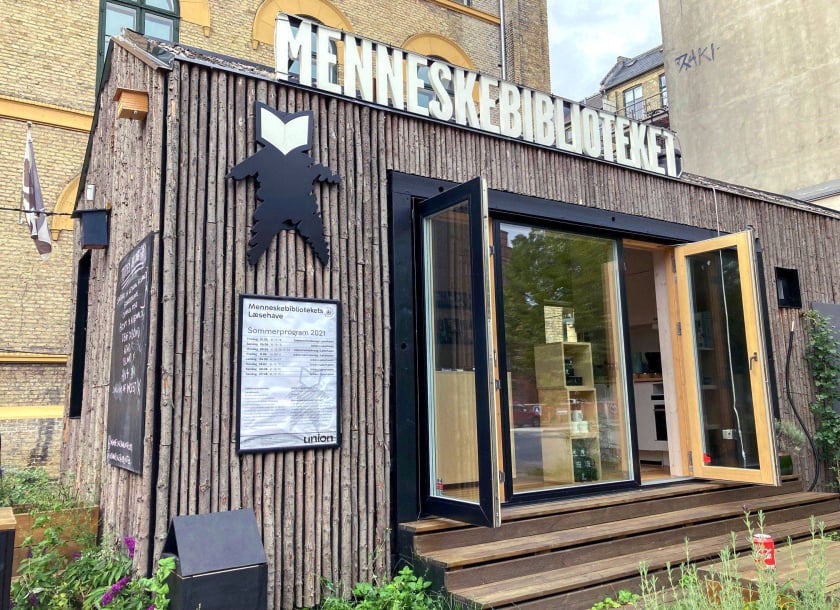
Initially, this idea was only implemented as an event designed for the Roskilde festival. However, in just four days, the library attracted over 1,000 readers to explore the "human books." These "human books" were chosen to represent groups often misunderstood or subjected to prejudice in life. The success of this pilot project led to the establishment of the Human Library Foundation.
People can become part of the Human Library in two ways. One way is to volunteer to be a "human book," which requires patience, empathy, and a comfortable sharing with others. Like a regular book library, the books here also have titles, such as: "Bipolar," "Depression," "Alcohol Addiction," etc. Through this, the library hopes that readers will open their hearts to understand these people better, rather than just judging them by their appearance and hearing prejudiced opinions.
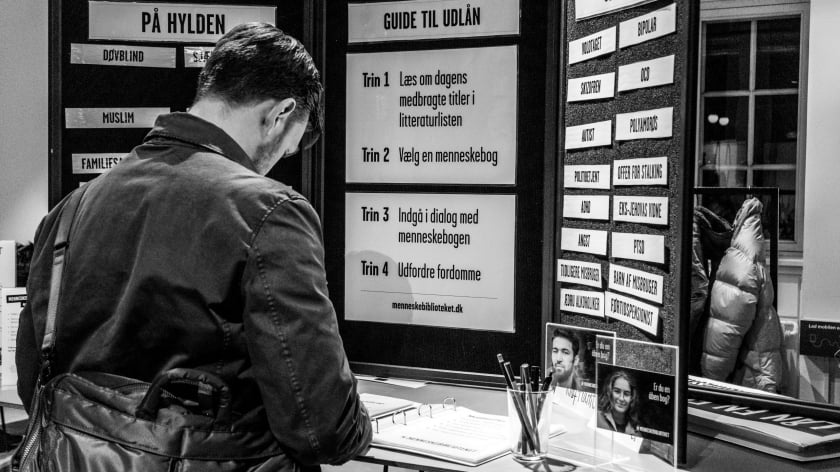
Another option is to experience the library as a reader for half an hour. Readers choose a title that interests them and go to a group or individual chat area. There, they will exchange stories with others who are willing to share their experiences for 30 minutes. Readers are encouraged to ask challenging questions they've always wondered about. Of course, no two "human books" will have exactly the same experience. And they could be anyone from any profession, from funeral organizers and veterans to children.
What kinds of "books" can one "borrow"?
'Borrowing' people with autism: Today, one in 68 children is diagnosed with autism. If you'd like to learn more about this condition, the Human Library will allow you to interact with someone who has the syndrome.

'Borrowing people' to get piercings and tattoos: Have you ever wondered why someone has so many tattoos or piercings here and there? Just as you can't judge a book by its cover, when you talk to these "books," you'll gain a different perspective and a deeper understanding of their lives.

'Borrowing' homeless people:There are prejudices that the lives of homeless people are self-inflicted, attributed to their own faults for not working hard, for abusing drugs and alcohol, etc. Perhaps they have other personal struggles that you may not know about? The Human Library will help you meet and hear the stories of these individuals.
'Borrowing' refugees:You've probably heard news about Syrian refugees during the civil war crisis. Go to the library, set aside the media stereotypes about refugees, and actually talk to them. From there, you'll gain a better understanding of their true nature.
'Borrowing' transgender people:Beyond the physical pain, how do transgender people cope with prejudice from society, family, and friends? And how long does it take them to dare to make such a bold decision? Countless questions about the lives of transgender people can be answered when you meet and talk to those who are actually living there.
'Borrowing' people who are visually and hearing impaired:How do these less fortunate people respond to life? Instead of suffering and feeling helpless, many of them live optimistically and cheerfully, and are willing to share their interesting stories with us through their own perspective.
'Borrowing' obese people:Instead of criticizing or mocking obese people, try asking them directly and listening to their problems.
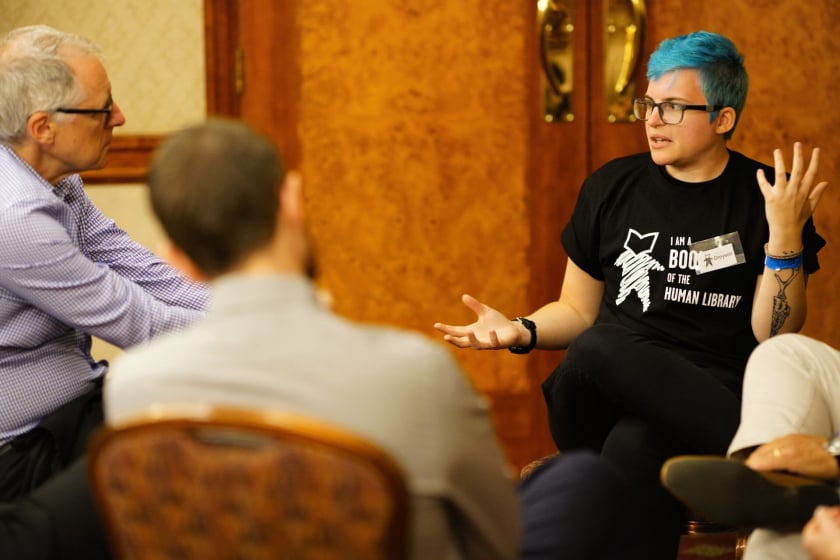
The culture of sharing is spreading.
In addition to the aforementioned "books," readers can borrow a police officer, a former soldier suffering from post-traumatic stress disorder, a widow, a teacher, a Muslim, a polyamorous lover, a former gang member, or even a prostitute. The list goes on and on.
This is exactly what founder Ronni Abergel has long hoped for since establishing this unique library: "I hope this will be a place where people who never talk can find someone to share with."
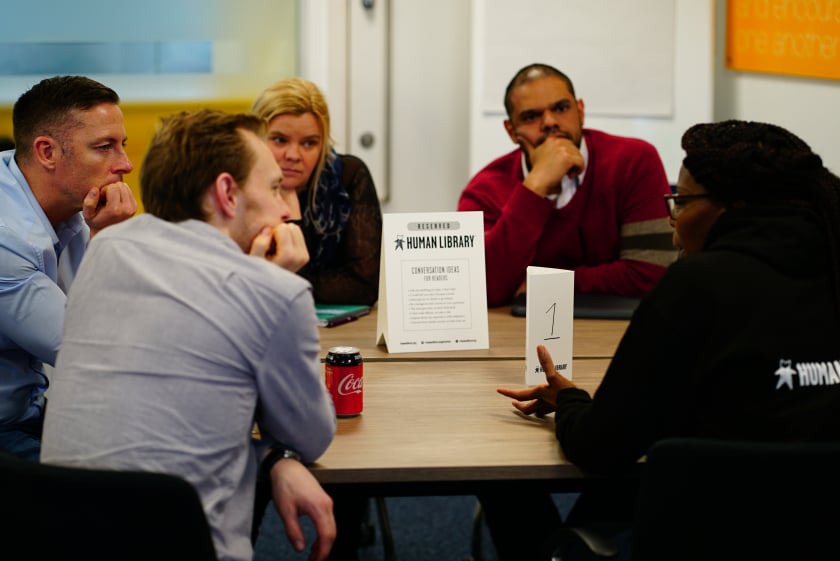
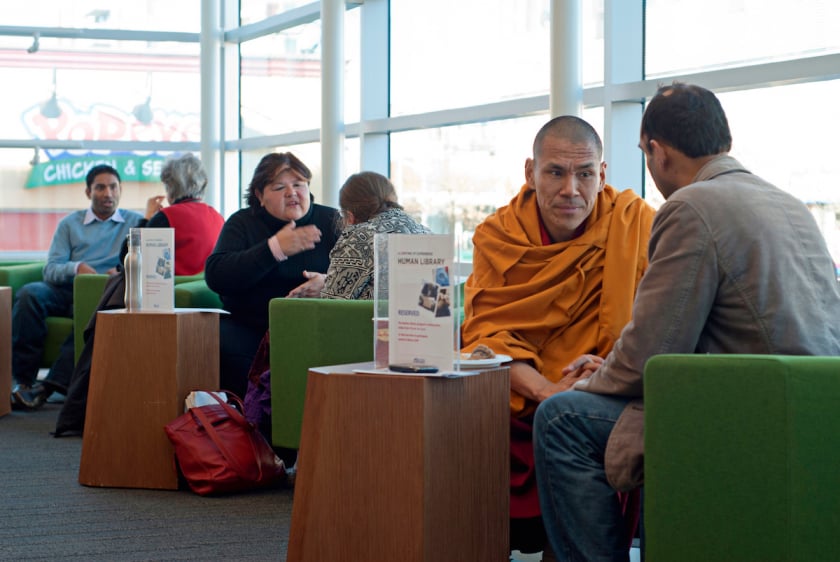
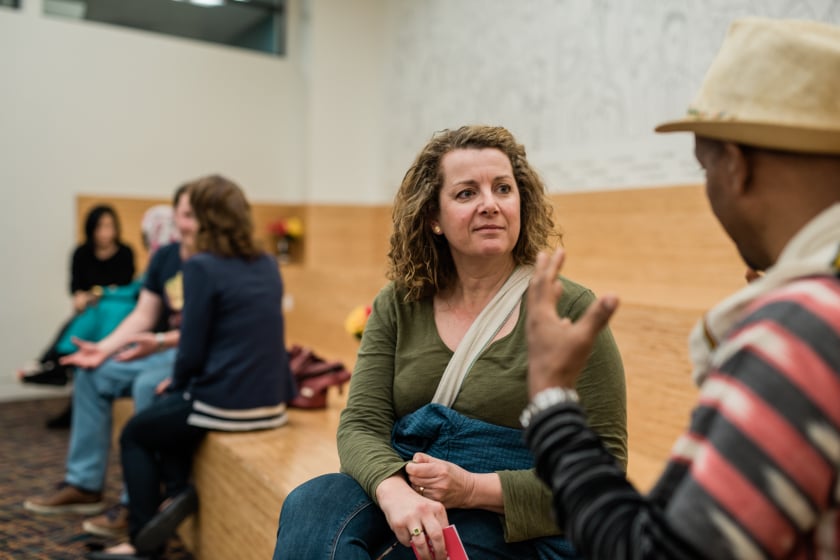
Today, the Human Library also organizes events all over the world, even opening branches in several cities. The concept of a "living book library" exists in more than 70 countries worldwide, including Vietnam. In addition, they work with corporations and suppliers to create conversational and listening sessions for office workers. Numerous studies have shown that positive person-to-person interaction can influence a person's personality, psychology, and perspective.
"I can't guarantee that a 30-minute conversation will change anyone. What I'm confident about is that with a little effort, their disagreements and prejudices will change. Or at least it will force them to question their conscience," said the library representative.