VI
VI


Hoang Thuy Duong (Duong Duong Blog), a travel blogger, recently took a trip to Japan in early April and enjoyed many of the country's signature dishes.
"I've always dreamed of visiting Japan in the spring, when the cherry blossoms are in full bloom. The scenery is beautiful, and the weather is quite pleasant. Tokyo, Kyoto, Osaka, and Mount Fuji in Fujikawaguchiko are the four places I'm going to on this trip," Thuy Duong said.
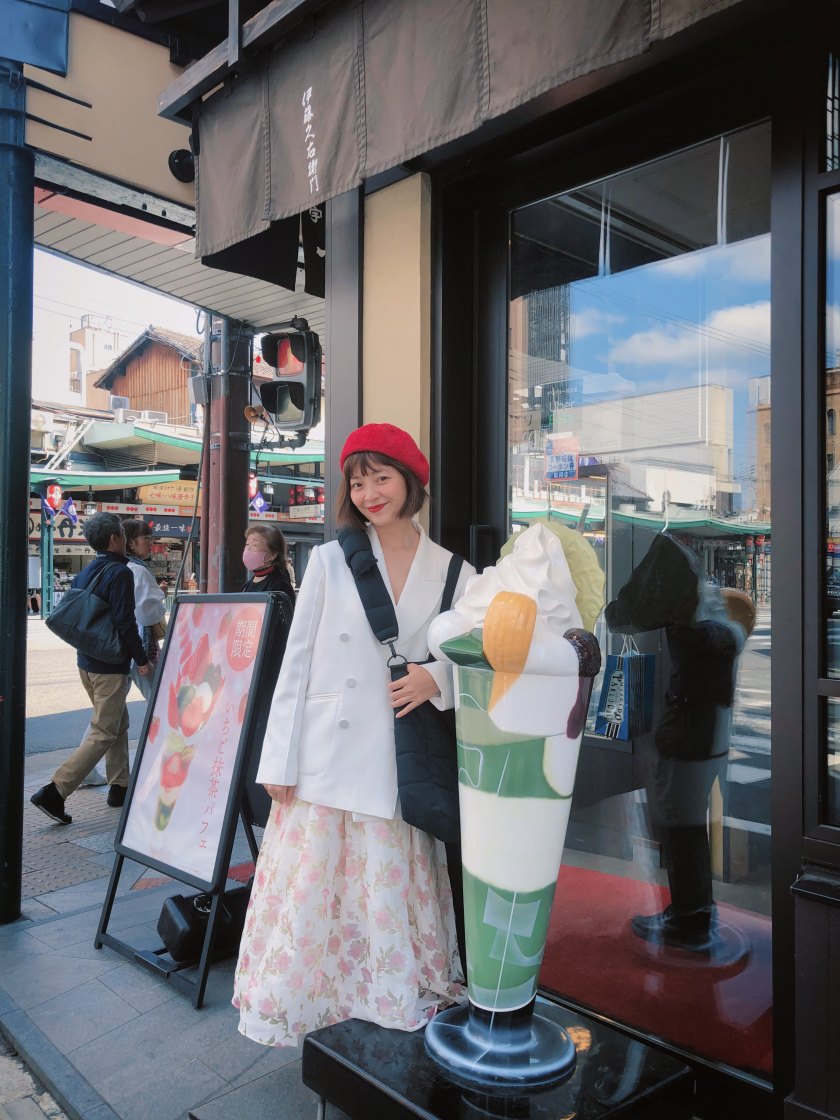
Hoang Thuy Duong had the opportunity to enjoy many signature dishes of the Land of the Rising Sun during her trip in early April.
A truly unique culinary scene.
Japan attracts many tourists not only with its beautiful scenery and unique culture but also with its unparalleled cuisine. Some of the dishes Thuy Duong enjoyed during this trip include: eel rice, ramen noodles, matcha, sakura mochi, taiyaki fish-shaped cakes, lemon ramen, gyoza, niku origini, tofu ice cream, sushi, takoyaki, wagyu beef…
“I enjoy a lot of food, from street food to restaurants. If I see something delicious on the street, I try it. I don't eat based on reviews from other people who have been there before, so it's entirely my own personal experience, a self-discovery. Famous restaurants in Japan are usually crowded, requiring queues of an hour or reservations. Once, I queued for an hour in 10-degree weather in Kyoto just to eat grilled mochi, but when it was my turn, they were sold out,” Thuy Duong recounted. According to her, Japanese food is delicious; some restaurants, even those I visited by chance, still offer very palatable, visually appealing, and unique flavors.
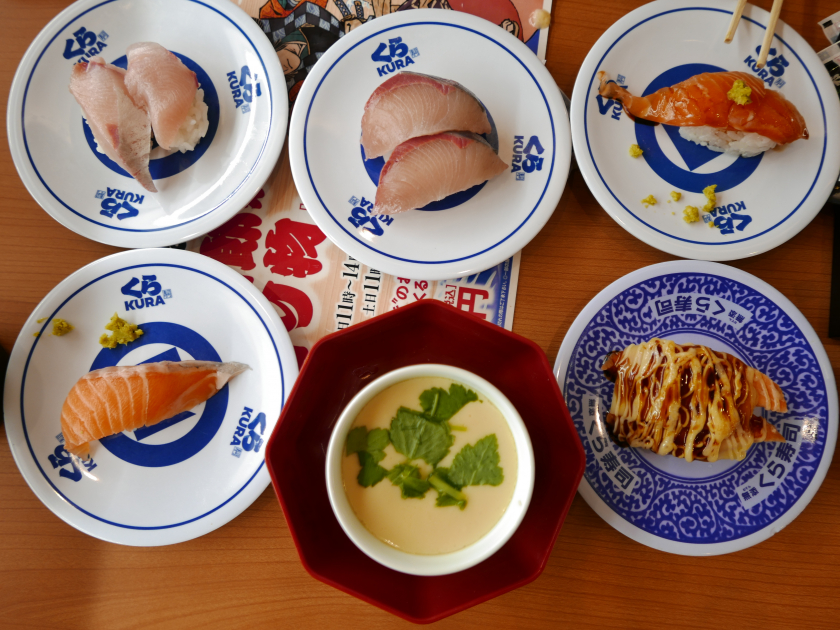
Sushi is considered a traditional Japanese dish.
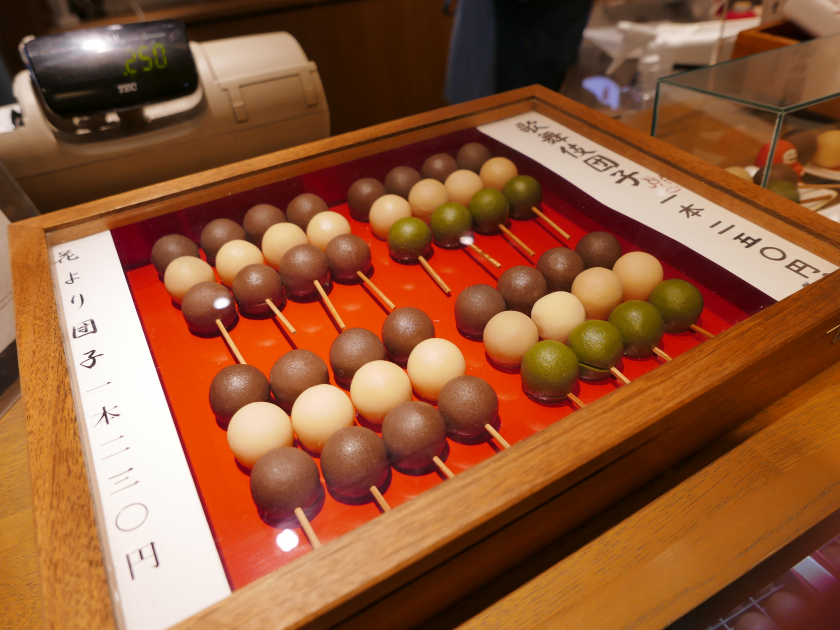
Mochi
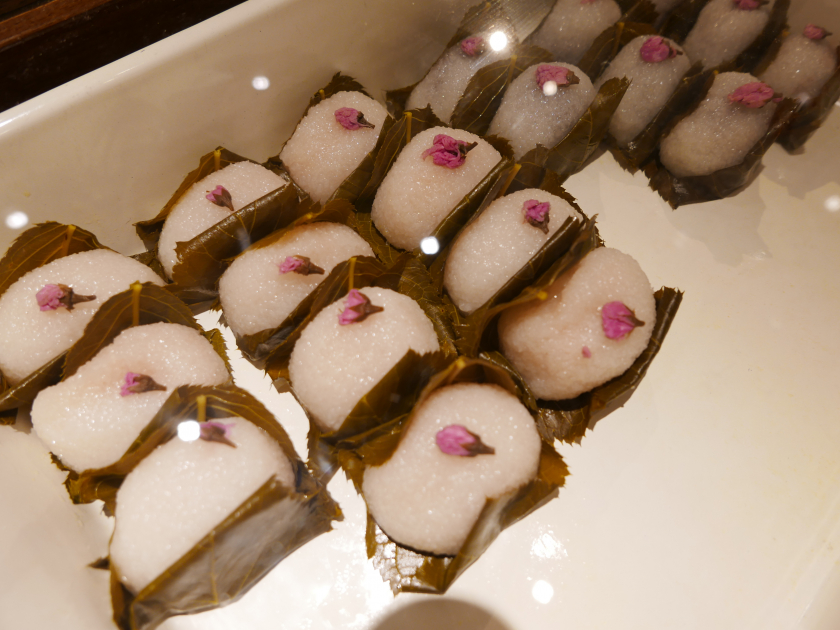
Sakura mochi
“Before, I wasn't a fan of matcha green tea, but after coming to Japan, I officially fell in love with all the food and drinks made with this ingredient. Matcha milk tea, mochi, noodles, and ice cream are so fragrant, delicious, mild, and well-rounded, with no bitter aftertaste. At Sensoji Temple, in the food court, I even witnessed matcha powder being ground using a traditional Japanese stone mill; the aroma spread, soothing all my senses. It truly is the land of matcha!” Thuy Duong exclaimed.

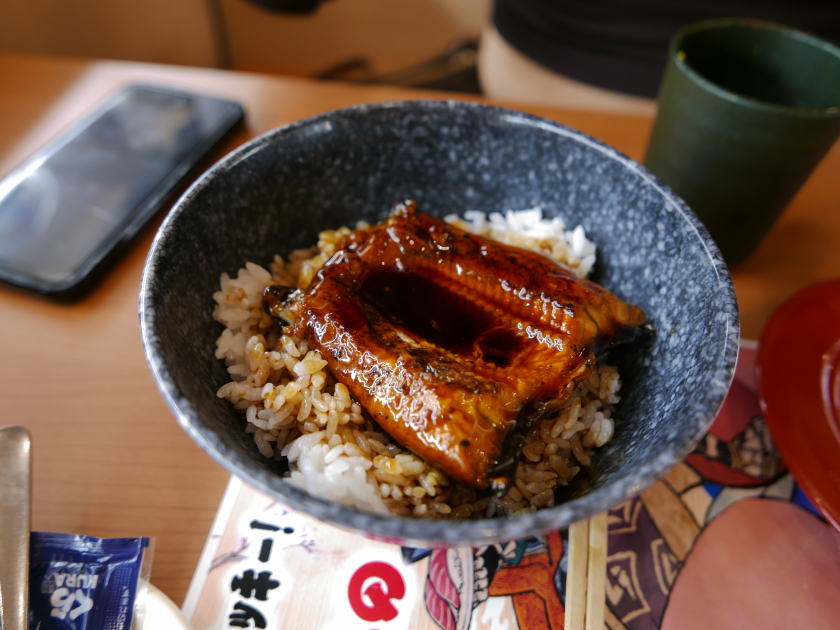
Eel rice is loved for its chewy texture and unique flavor.
In Japan, dishes made from natto are very popular, highly nutritious, and considered one of the secrets to longevity among Japanese people. Natto is a traditional food made from fermented soybeans, light brown in color, with an pungent smell and a sticky texture. When first eaten, Japanese food might seem slightly salty like ramen, some dishes like mochi might be a bit sweet, or takoyaki might be high in starch.
Sushi is always beautifully and delicately presented. The vibrant colors of this dish come from natural ingredients such as fresh seafood (tuna, squid, shrimp, etc.). All of this contributes to a refreshing and delicious flavor when enjoyed.
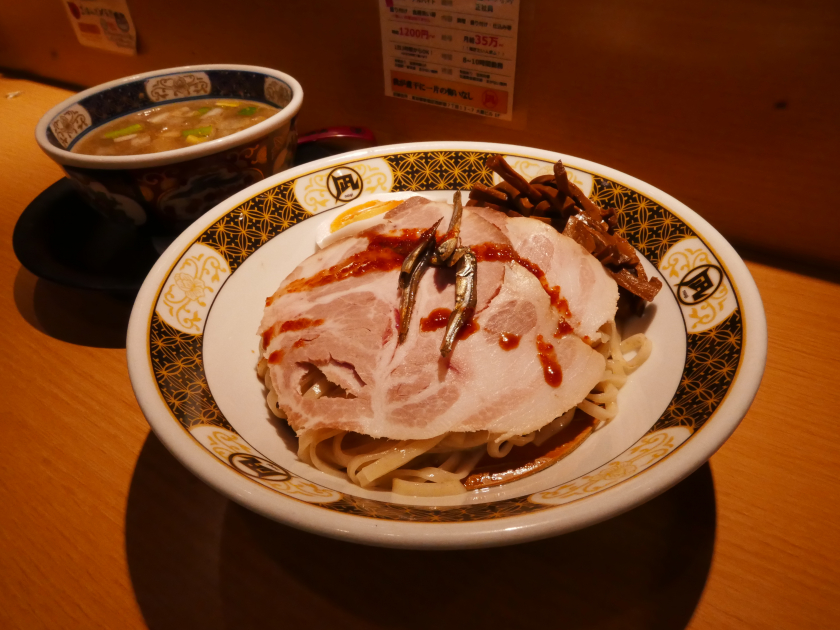
Tsukemen (noodles with dipping sauce)
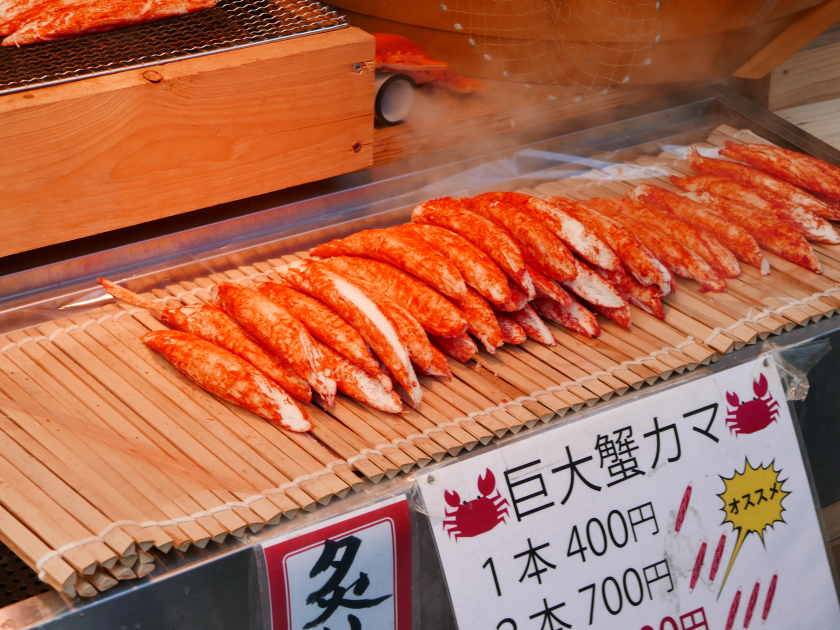
Grilled crab sticks
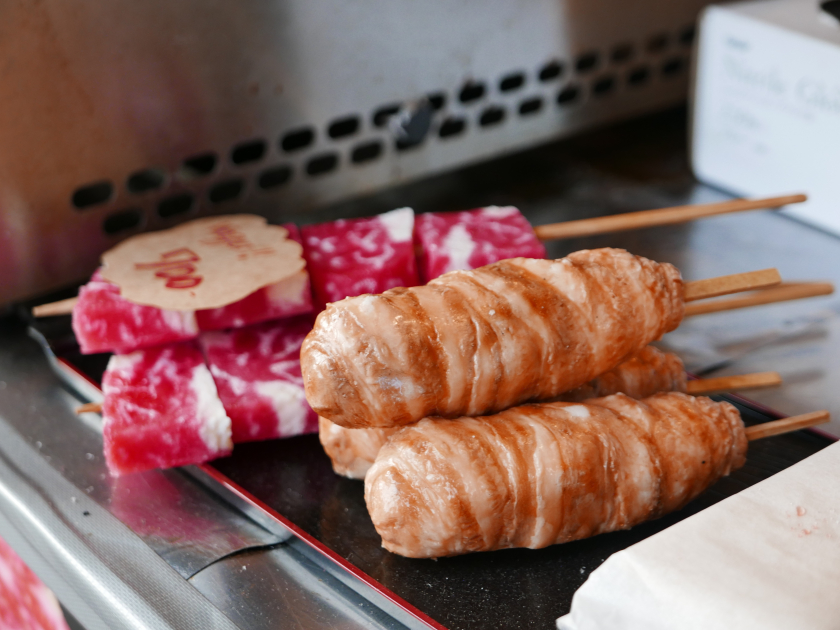
Grilled beef skewers
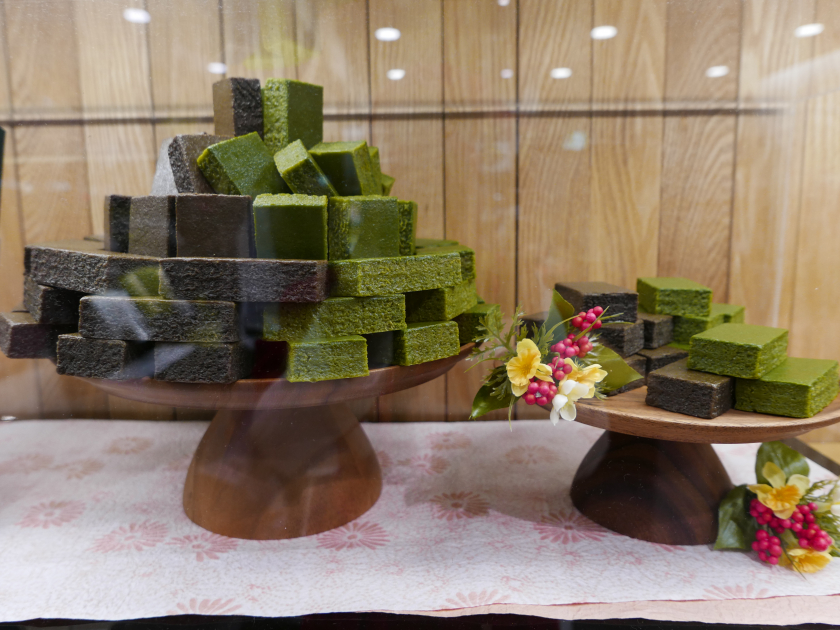
Thuy Duong said that the cakes, milk tea, mochi, noodles, matcha ice cream... were very fragrant, delicious, mildly flavorful, and not at all bitter or harsh.
Before eating, you should ask beforehand or buy a small amount to try to see which dishes suit your taste. Japanese food isn't too spicy or difficult to eat; most dishes are easy to eat. Many dishes are delicious, and from convenience stores to restaurants, they are all prepared very cleanly and conveniently. The prices of the dishes are fixed and cannot be bargained.
When thinking of spring in Japan, the first thing that comes to mind is cherry blossoms. During cherry blossom season (sakura), many dishes are flavored with this flower, such as mochi, cakes, sakura ice cream, and jelly, all featuring a lovely pink color and a delicious aftertaste.
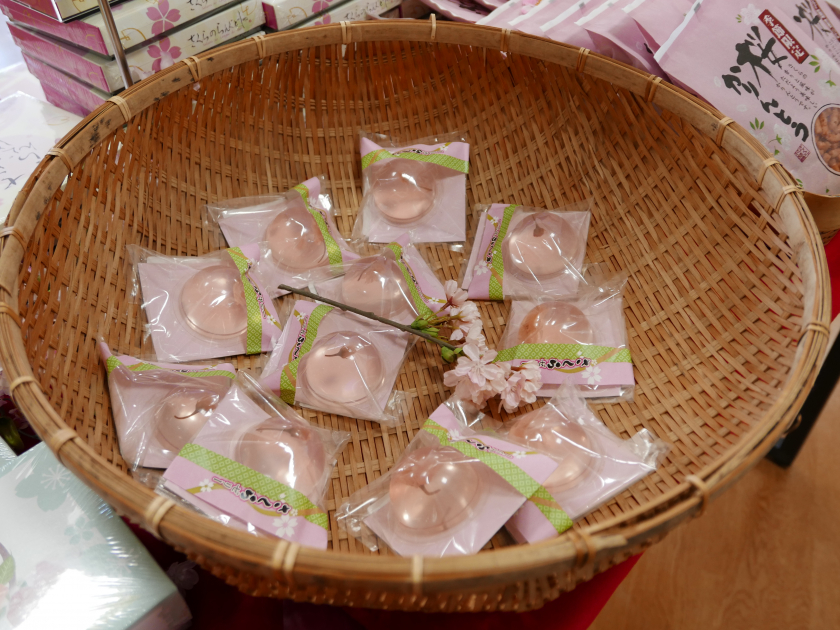
Cherry blossom jelly
Some distinctive features of Japanese cuisine
During this trip, Thùy Dương also noticed some differences between Vietnamese and Japanese cuisine.
In Vietnam, traditionally, the staple food has been rice (mainly long-grain rice), while in ancient Japan, the staple foods were barley (mugi, also known as buckwheat) and rice (kome, basically short-grain rice).
Among dishes made from rice and grains, the most prominent are rice (gohan), sticky rice (okowa, kowameshi), porridge (kayu), and rice cakes (mochi), while dishes made from other grains include cakes and various types of noodles. Japan uses many raw animal dishes, especially seafood, such as sashimi.
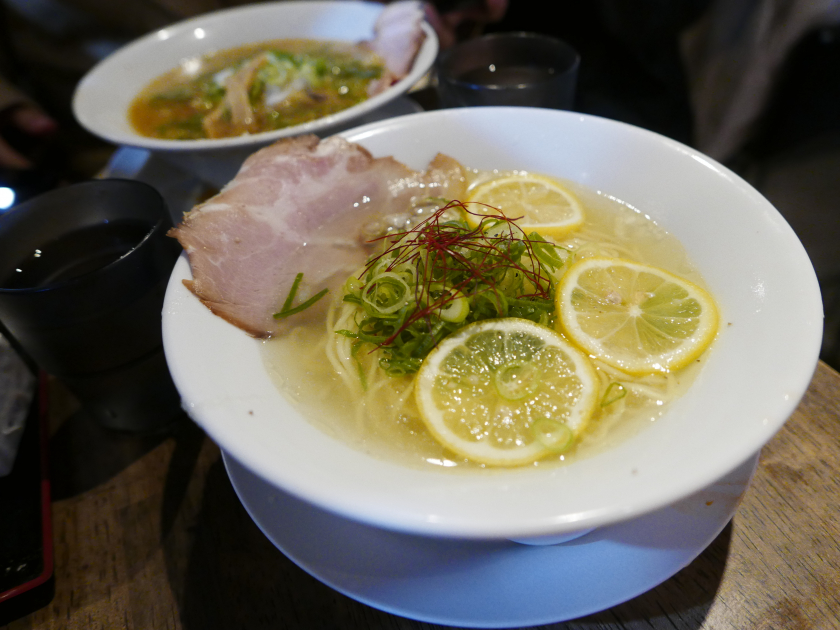
Lemon ramen is unique because of the lemon slices.
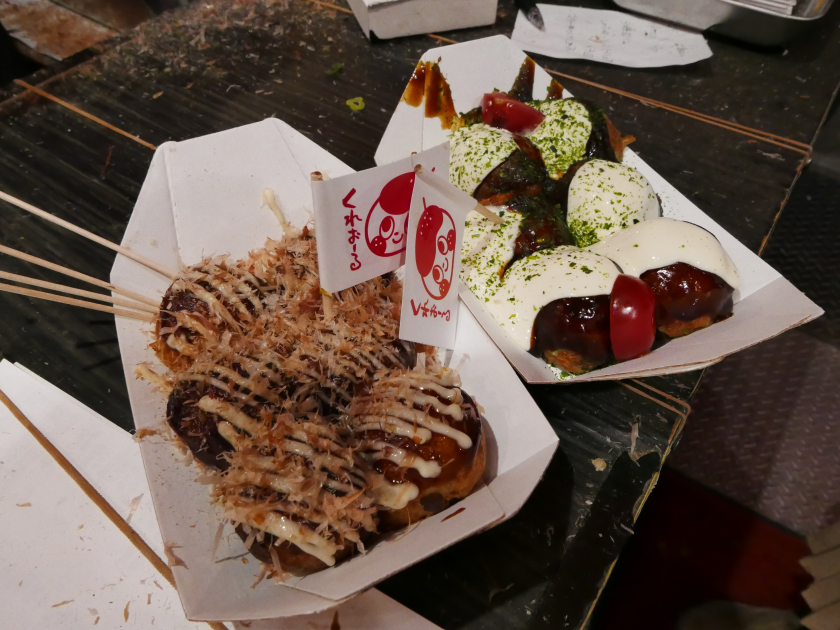
Takoyaki
Japanese cuisine typically features various dipping sauces made from soybeans and pickled vegetables/ginger, but not kimchi like in Korea. Japan also incorporates seaweed and algae, which are very healthy. The overall flavor of Japanese food is not overly sour or spicy, but fresh and easy to eat. They also combine unique seasonings, such as the unusual yet refreshing and flavorful combination of ramen noodles with lime, served hot and savory. The Japanese present their dishes beautifully, creating a high aesthetic appeal.
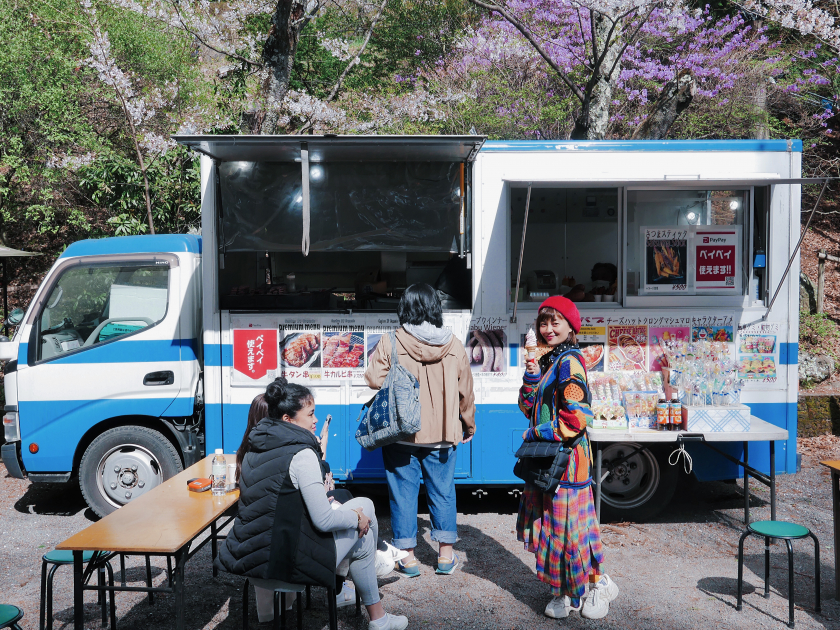
The charming food stalls on small vans, nestled under cherry blossom trees, are a distinctive feature that Thùy Dương encounters everywhere she goes. They're both picturesque and visually appealing.
Thùy Dương also shared: “Japanese food is beautifully presented, so you want to try every dish and it's very easy to get addicted to it. They also know how to utilize seasonal recipes; during the sakura season, they create dishes and drinks from the cherry blossoms themselves. The entire tradition, from tourism to cuisine, is centered around a single flower season characteristic of the country. Each tourist area has shopping spots, but each item has its own value. For example, when visiting a temple, souvenirs often come with stories and anecdotes about it, holding significance for the place and the buyer. Furthermore, there are many choices of products and prices, so everyone can buy something, from a simple keychain to a large statue to display at home.”