VI
VI


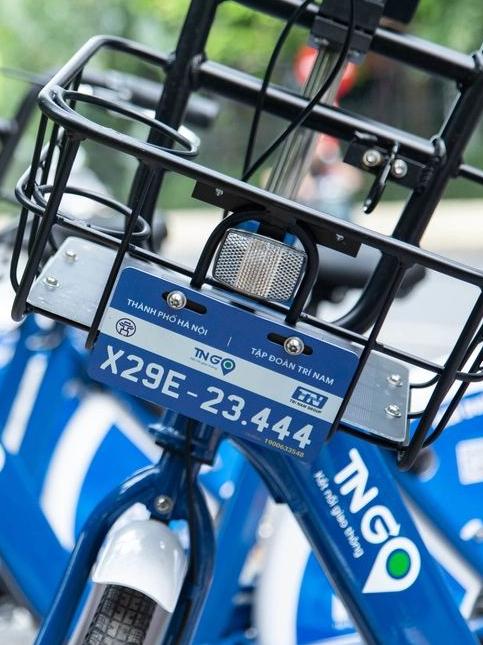

Since August 11th, the TNGo public bicycle service has been available in 6 inner districts of Hanoi, with 1,000 bicycles within 12 months. This is part of a public bicycle project in Hanoi implemented by the city government in collaboration with Tri Nam Group Joint Stock Company – a company that has been operating similar public bicycle rental systems in Hai Phong, Da Nang, Quy Nhon, Vung Tau, and Ho Chi Minh City since 2022.
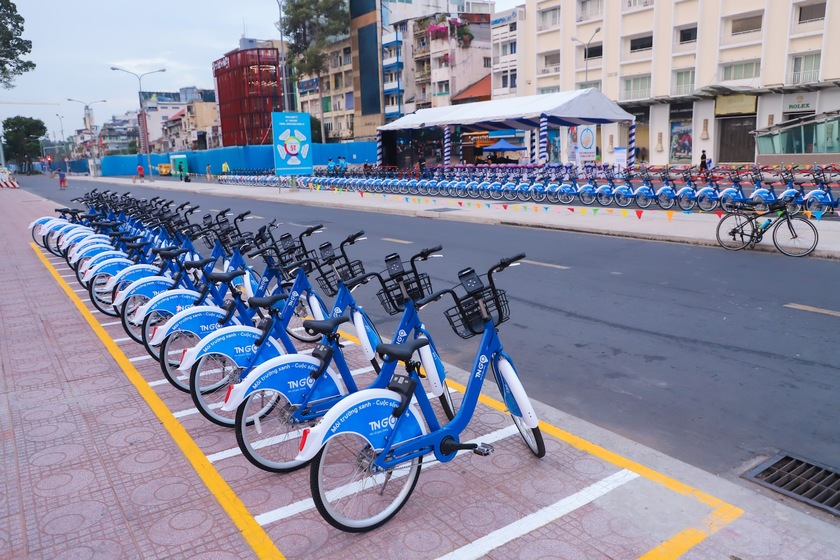
Starting August 11th, Hanoi residents will begin to see rows of light blue bicycles parked on sidewalks around parks, tourist attractions, or near bus and train stations, and shopping malls.
Hanoi's public bicycle project is part of the Urban Bicycle Project, divided into two phases. Phase one lasts 12 months from the start of service. During this phase, Tri Nam Group plans to provide 500 manual bicycles and 500 electric bicycles at 79 rental stations scattered across six central districts of Hanoi: Ba Dinh, Tay Ho, Hoan Kiem, Dong Da, Thanh Xuan, and Hai Ba Trung. Each station will have 10-20 public bicycles for residents to test. Phase two is expected to be implemented in 2024, increasing the number of bicycles to approximately 3,000 at 350 locations, with the goal of expanding the service to other central districts and surrounding areas.
Although the target was to put 1,000 vehicles into operation, the actual number at present is only 600, with 500 being motorized bicycles. In the near future, when Hanoi receives the remaining 400 vehicles, the entire city will have a total of 94 to 100 stations.
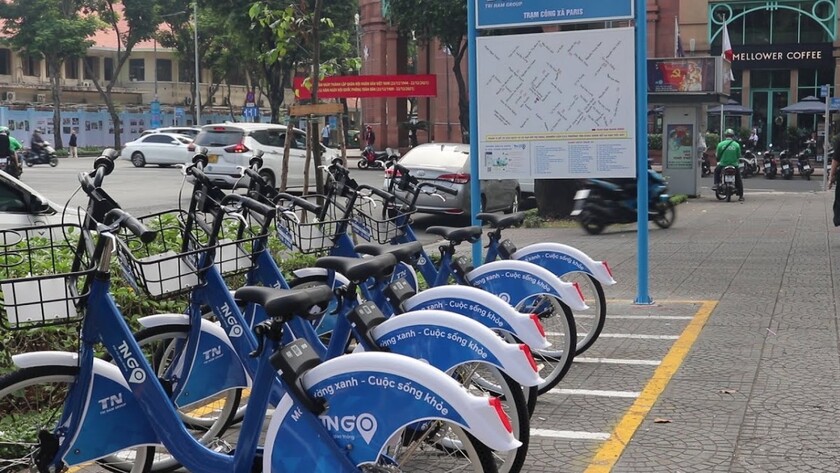
There are 79 locations where people can pick up or drop off vehicles.
Sharing with Travellive, Cúc Nguyễn (26 years old, office worker) said: "The process of renting a bike is quite simple. This type of service helps protect the environment, improves health, and is very affordable. As someone who enjoys cycling, instead of having to go to a store to rent a bike for exercise, I can now easily go anywhere. In the future, I will definitely use this service more often."

To rent a public bicycle, people need to use a smartphone, download the TNGo app, and top up their account through online payment gateways. When using the service, users will have to scan the QR code attached to the bicycle. The wheel lock is equipped with RFID signal recognition technology, so the lock will only unlock after the payment code is scanned.
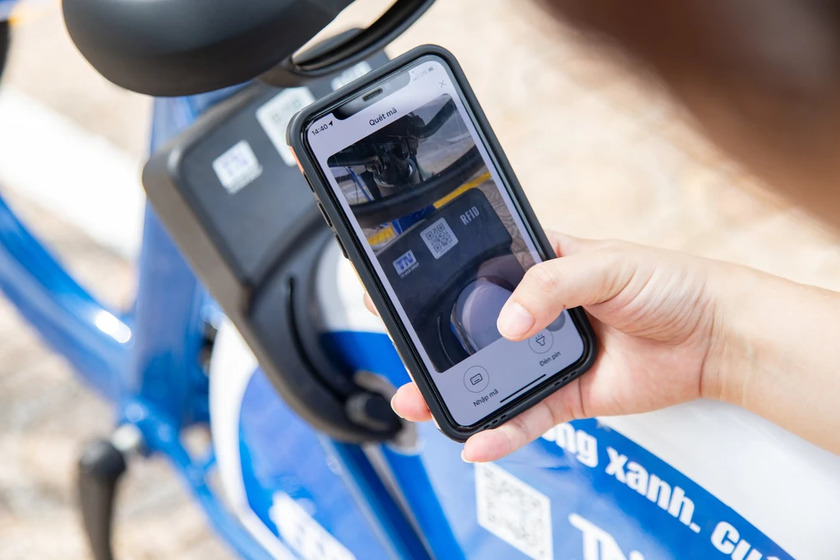
When using it, users will have to scan the QR code attached to the vehicle.
For bicycles, the rental cost is 5,000 VND per 30-minute session, and 10,000 VND for electric bicycles. Daily and monthly passes are also available for customers who need them. During the rental period, customers can park in various locations, but they should remember to lock and secure their bikes carefully. Staff will provide continuous support and call if any unusual situations are detected, such as bikes being parked for too long without being locked.
Upon completing their trip, users can return the bike at any station without having to return to the original station. Each bike also has a built-in GPS system that works with the app to record the user's journey.
This project aims to diversify public passenger transport, connecting bus terminals, railway stations, urban areas, shopping centers, etc., helping people travel conveniently within Hanoi and promoting tourism development.
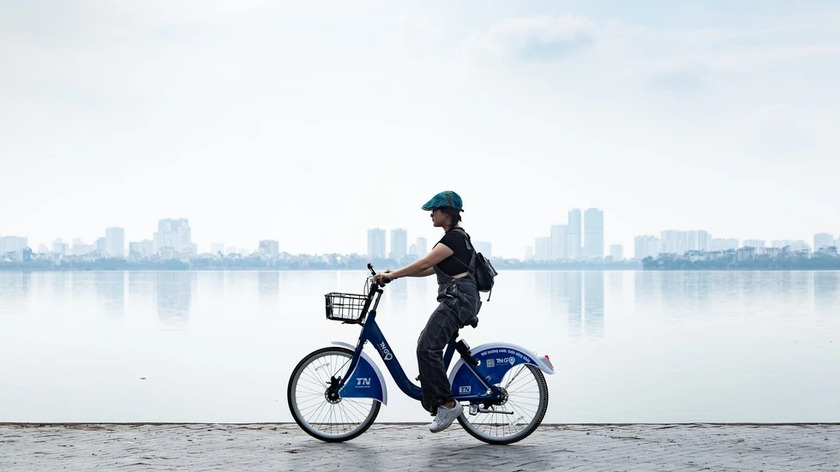
After the public bicycle service was launched, it received a positive response from the people of Hanoi. This shows that there is a great demand for bicycles, especially among students, tourists, and other groups.
Hai Yen (22 years old, Ba Dinh district) said: "I chose to use public bicycles to cycle around West Lake for 3 hours, costing only 30,000 VND. I find this service very convenient, especially since I don't have to return to the same station where I initially rented the bike."
After the public bicycle service was launched, it received an enthusiastic response from the people of Hanoi. This shows that there is a great demand for bicycles, especially among students and tourists.