VI
VI


With their ability to retain color and reproduce exquisite detail, murals have become a timeless decorative element. From opulent palaces to humble homes, murals always bring a unique and elegant beauty.
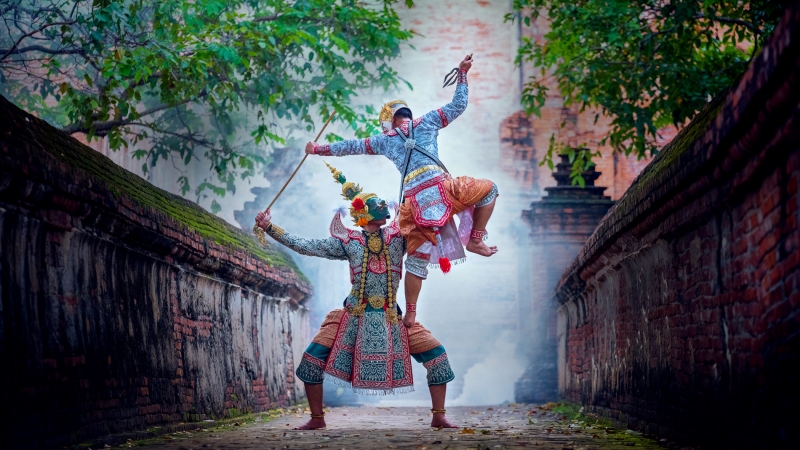
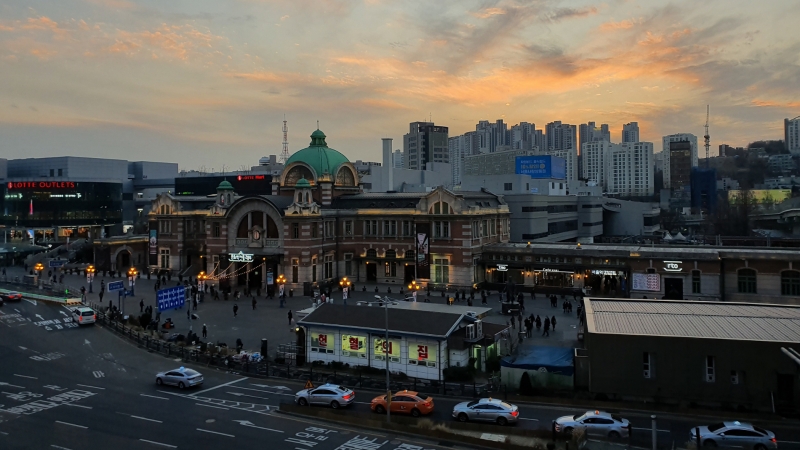
Like fairy tales etched on walls, murals adorn living spaces with enduring beauty and vibrant colors. In an era where personalization of living spaces is increasingly popular, murals have made a comeback and reaffirmed their position as one of the top choices for creating unique living spaces.
Unique and captivating art.
Murals, a precious legacy from the Renaissance, have proven the enduring power of art. The technique of applying paint to wet plaster not only creates highly durable works but also offers a unique beauty, harmoniously combining color, light, and space. From the walls of churches and palaces to ordinary homes, murals have always been an endless source of inspiration for people.
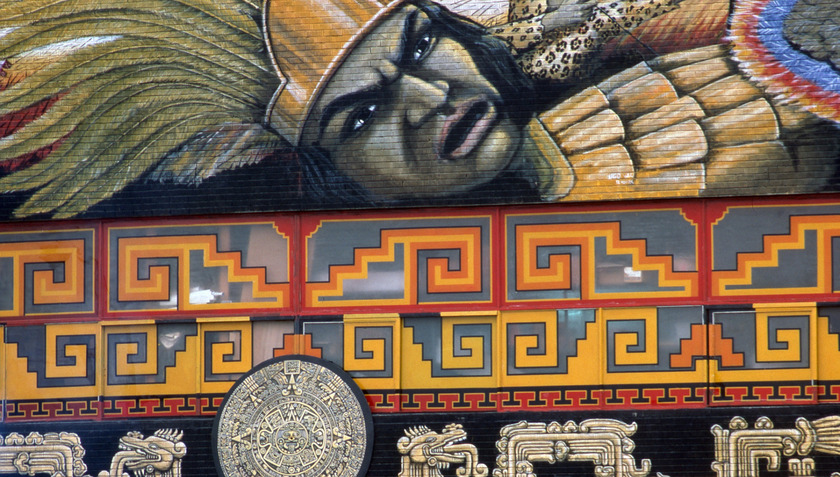
Mural painting, an art form that has been with humanity since ancient times, is experiencing a strong resurgence.
Cave paintings have a long and rich history, dating back thousands of years. Their meaning and purpose have evolved over time, reflecting the cultural, religious, and political values of different societies. Early cave paintings were a form of storytelling and a way to express spiritual beliefs. In ancient Egypt, murals adorned the tombs of pharaohs to ensure safe passage to the afterlife.
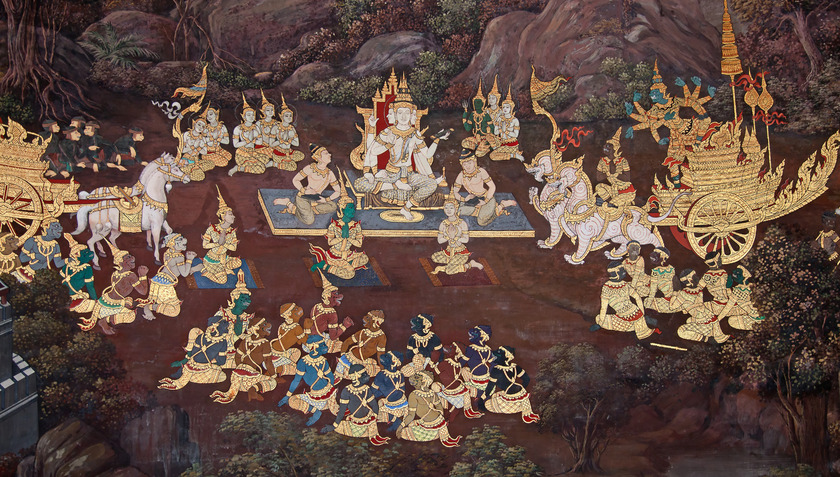
With their ability to retain color and reproduce exquisite detail, murals have become a timeless decorative element.
During the Renaissance in Europe, frescoes became an integral part of church decoration. Religious stories were depicted on large-scale frescoes covering entire walls or ceilings. These frescoes served not only as visual representations but also as educational tools for illiterate congregations.
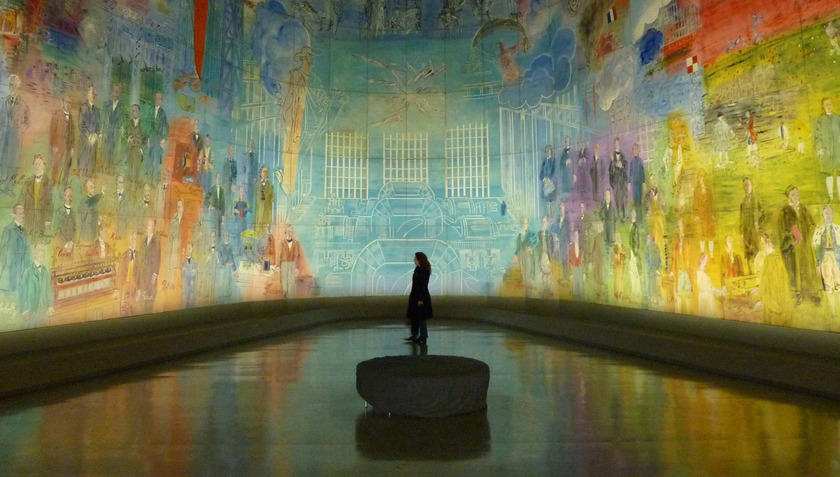
From opulent palaces to humble homes, murals always bring a unique and elegant beauty.
In modern times, murals have become a powerful tool for socio-political activism. Murals depicting civil rights leaders or raising awareness about environmental issues serve as reminders of our shared history and inspire change.

Preserving traditional mural painting techniques allows us to connect with the past while still capturing contemporary concerns. By reviving these age-old methods, we can celebrate the artistic heritage of diverse cultures while signaling a commitment to diversity and art preservation.
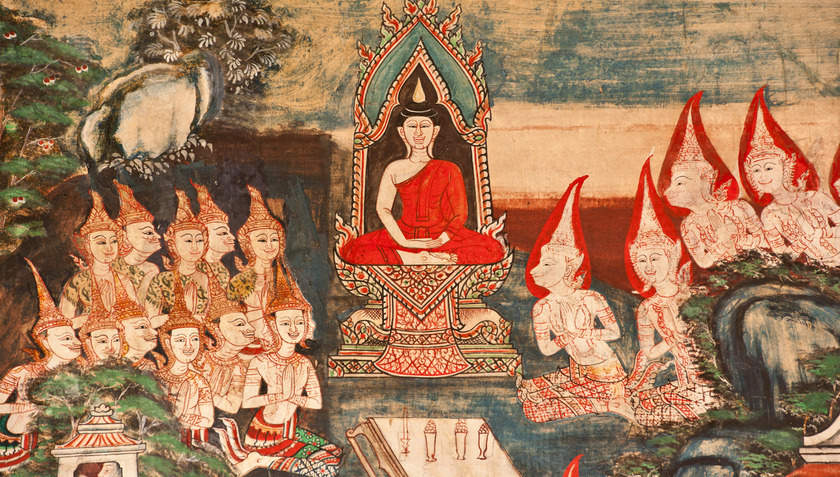
Like fairy tales depicted on walls, murals adorn living spaces with enduring beauty and vibrant colors.
In Vietnamese, this type of painting is simply called a mural or wall painting. They are large-scale paintings created by applying pigments to a layer of wet plaster. This technique ensures that the artwork blends seamlessly into the wall surface once it dries, retaining its vibrant colors for a long time. Historically, murals have been used to decorate public buildings, religious sites, and private homes, sometimes even serving to narrate the events of the era.
Murals can be classified based on many criteria, but the painting technique is the most common. Buon Fresco, also known as wet fresco, is the most classic and sophisticated technique. Pigments are mixed directly with water and applied to a wet plaster layer, creating a durable and firmly bonded film of color to the wall. The most typical example is Michelangelo's Sistine Chapel ceiling.
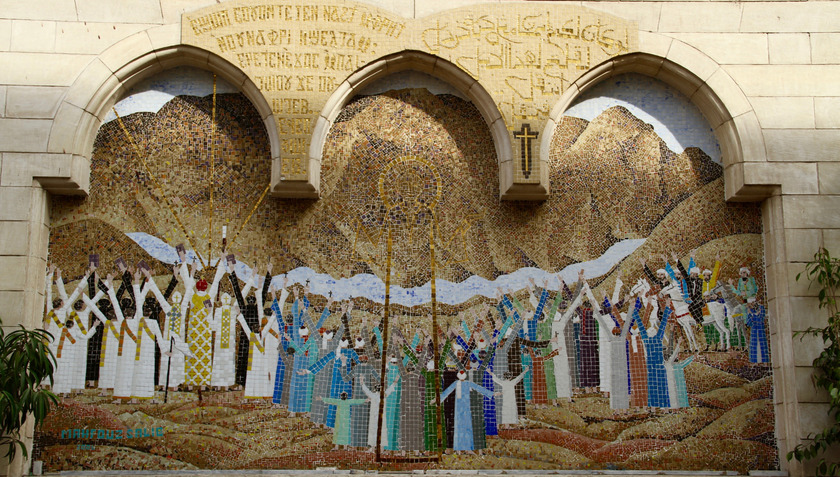
In an era where the trend of personalizing living spaces is increasingly popular, wall murals have made a comeback and reasserted their position.
In contrast, Fresco Secco, or drywall painting, is a later and less sophisticated technique. Pigments are mixed with a binder and then applied to a layer of dry plaster, creating a less durable colored film. However, Leonardo da Vinci's "The Last Supper" is a prime example of the beauty and power of this technique.
A symphony of colors on the street - reflecting life, reviving unique art.
In a world increasingly dominated by digital technology, where virtual images abound, the return of traditional murals is like a breath of fresh air. These murals, created by the hands of artists using natural materials, offer a genuine and warm beauty, a stark contrast to the cold, virtual world. They are not just works of art, but also stories told through color and form, connecting people to the past and inspiring the future.
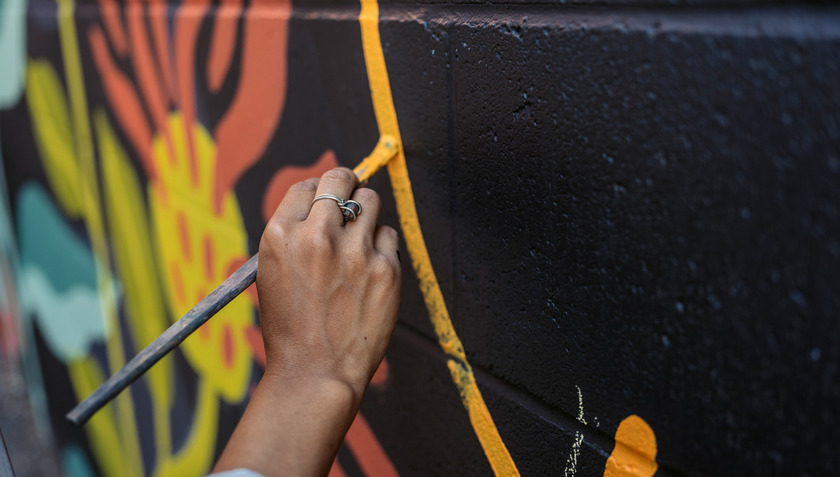
Street graffiti can be found everywhere, from street corners to trains and metros all over the world.
The art of mural painting has only emerged in recent years and has garnered significant attention. Instead of the familiar hand-painted murals hanging on walls, many people are now opting for mural painting directly onto their home walls to create a unique and distinctive look. This demand has also provided many artists, especially young artists, with more opportunities to showcase their talent.
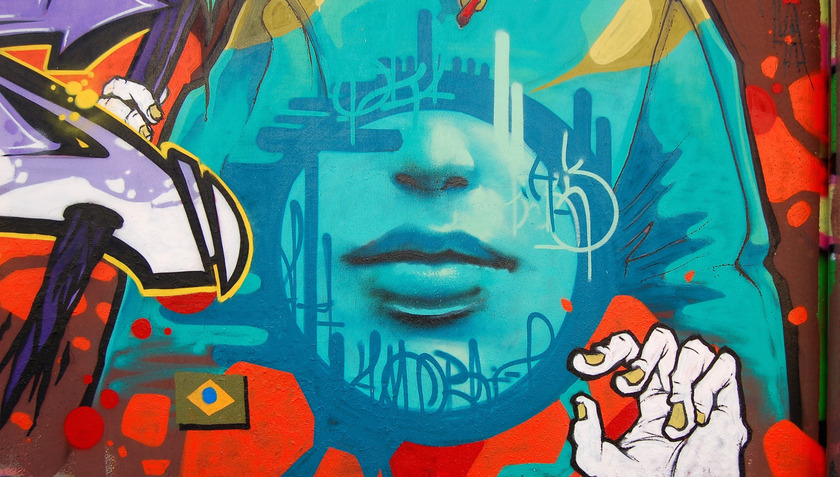
This is a form of art that expresses itself widely throughout society, and the artwork itself takes many forms.
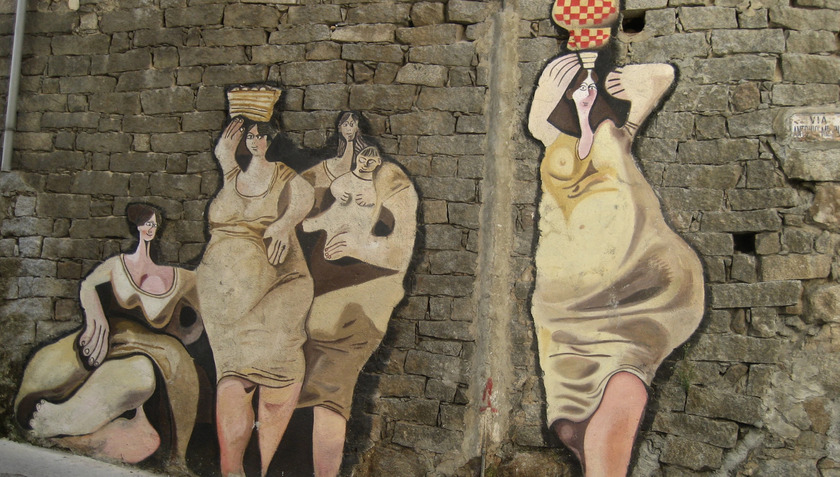
From simple writings about identity to scribbled expressions of political protest, and even complex, beautiful scenes.
Graffiti art first appeared in the 1970s in New York City. Currently, this art form has become deeply integrated into the art scenes of many countries, including Vietnam. Graffiti walls are considered an indispensable part of the hip-hop scene. These walls are often associated with the hip-hop dance style that has become a trademark.
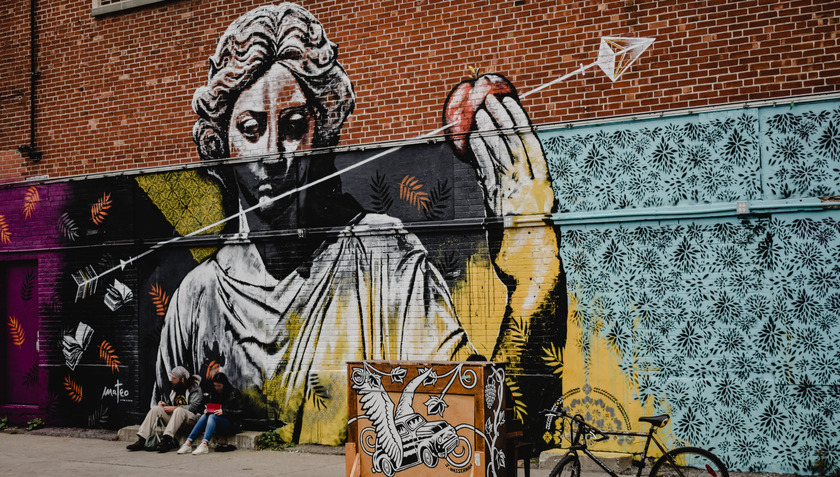
Graffiti celebrates the individuality of the artist, expressing their personality and unique style in each artwork.
Introduced to Vietnam through the influence of young, art-loving people with liberal ideas, graffiti is becoming increasingly popular and favored. This street art form is gradually finding its own path.
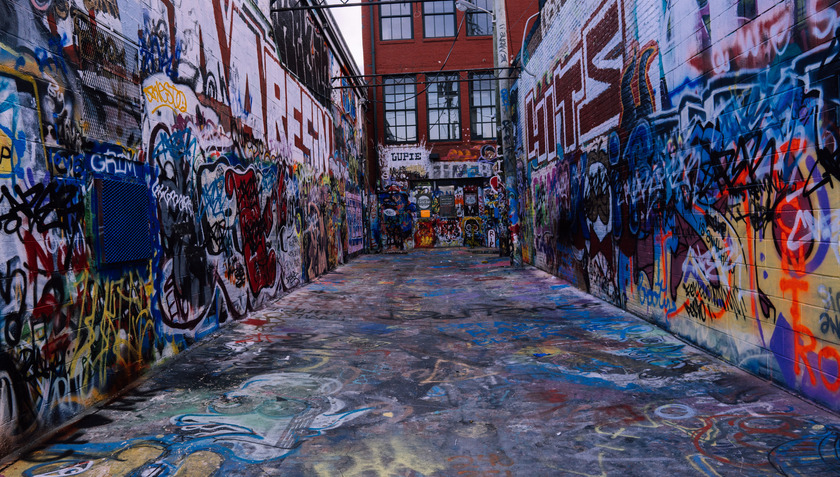
In stark contrast to the many scribbled letters and meaningless drawings that mar the city's aesthetics, there are murals created by genuine graffiti artists.
The main content of these street paintings is often diverse and interesting: familiar street corners, everyday human figures, and vibrant, fascinating natural landscapes. Street paintings may also be presented sequentially according to a particular theme, or as an impromptu creation upon encountering a beautiful street scene. Most street paintings are created using 3D techniques to trick the eye and achieve the highest possible visual effect. With just a white wall and a few cans of paint, artists have given the streetscape a new look, breathing new life into passersby and attracting art lovers to admire and appreciate them.
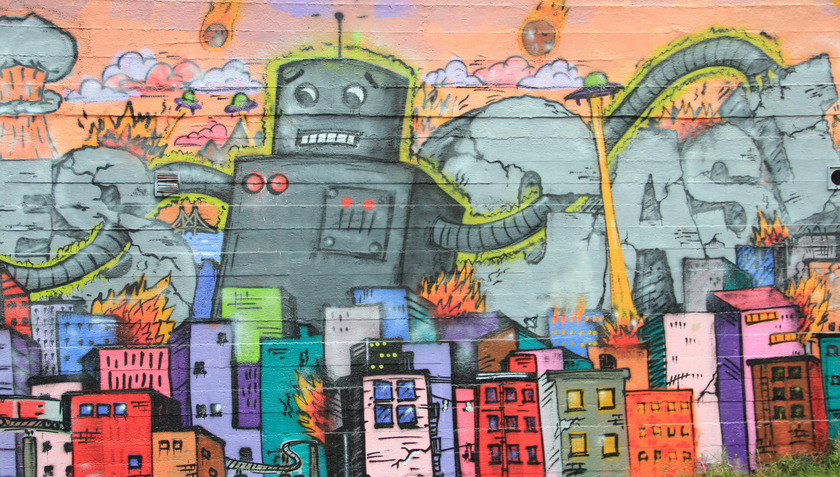
There have been many projects within the graffiti community to change people's perceptions of these somewhat crude drawings.
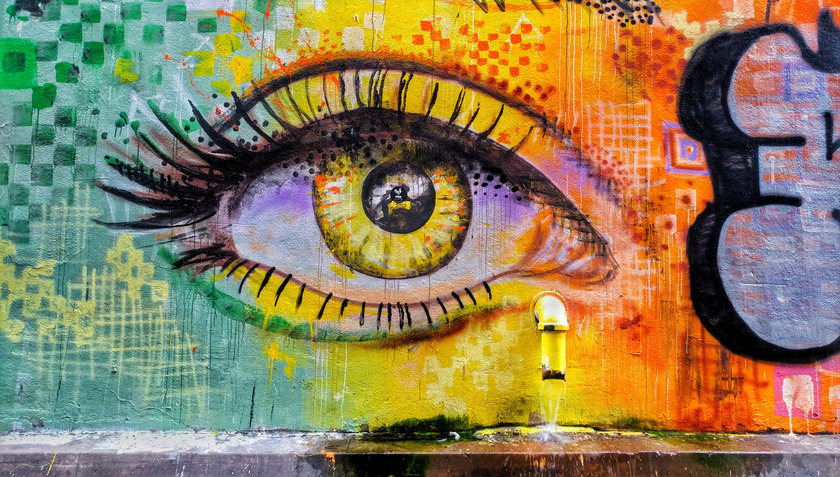
Many artists added that painting murals is not as simple as many people think, as the space is too high, posing potential dangers during the process; it requires knowledge of feng shui principles, and a professional design team. In particular, murals cannot be erased like on paper, so the artist must be careful and precise. Because of their love for the profession and beauty, many artists are willing to bring the most wonderful spaces and joy to people through their murals.
The art of mural painting, with its unique features and high artistic value, refined style, and enduring quality, demonstrates the boundless creativity of artists and artisans. These mural works contribute to enhancing the aesthetic value of architectural structures and enriching the colors of modern living spaces.