VI
VI


Tragic remnants from the Con Dao prison era.
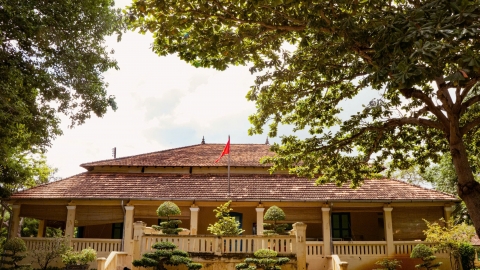
Van Son Pagoda was built by the US-backed South Vietnamese regime in 1964 on the summit of Mount Mot, initially to serve the religious needs of the families of officials and soldiers in Con Dao, while also concealing from international public opinion the harsh treatment of prisoners. Many are unaware that this structure is linked to the blood and tears of hundreds of political prisoners.
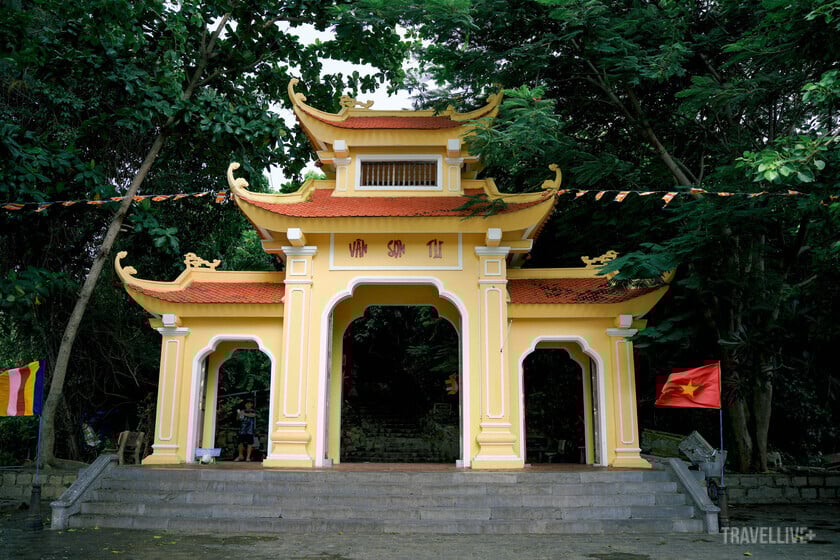
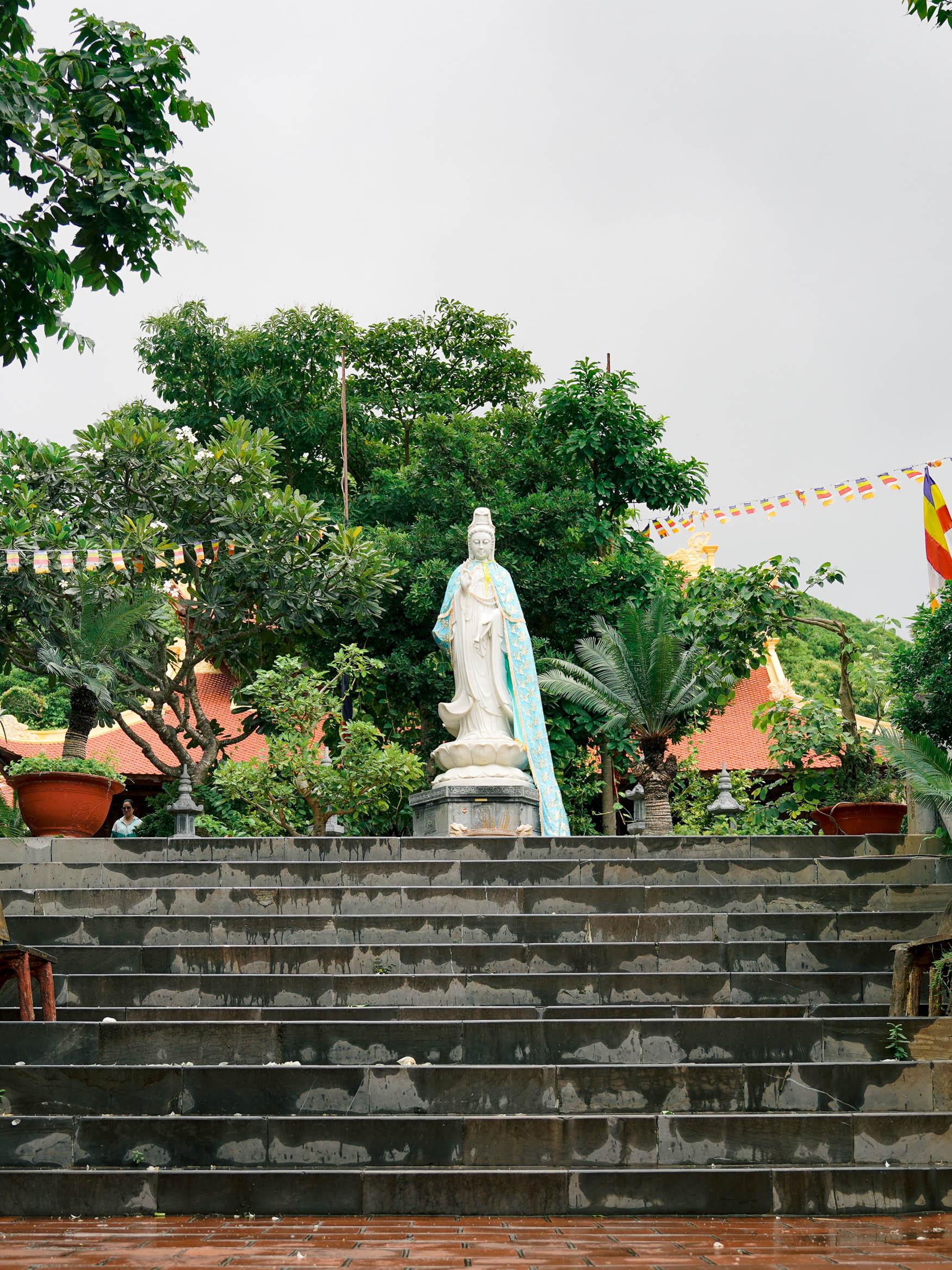
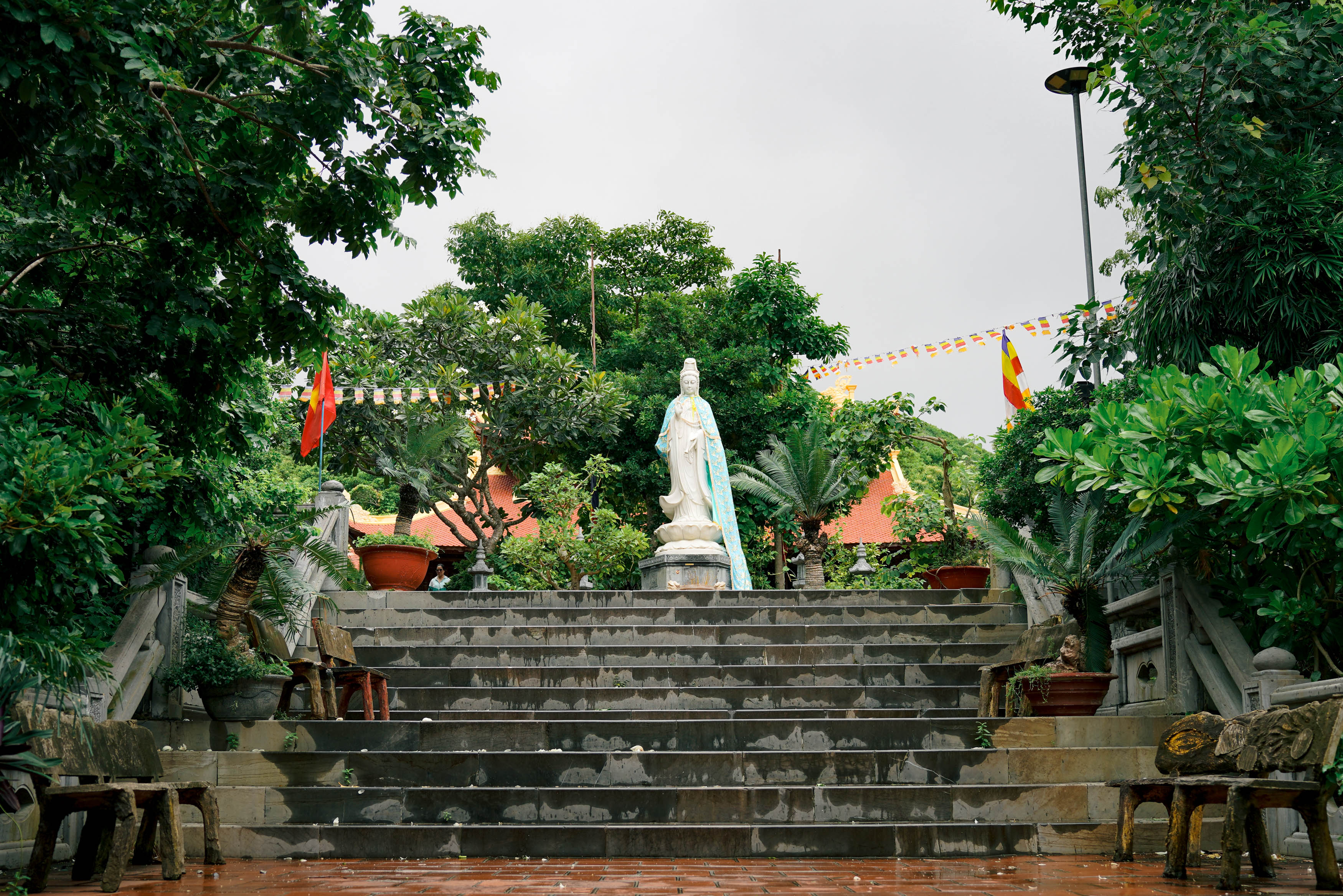
From the foot of the temple gate, stone steps lead up to Van Son Pagoda on Mount Mot.
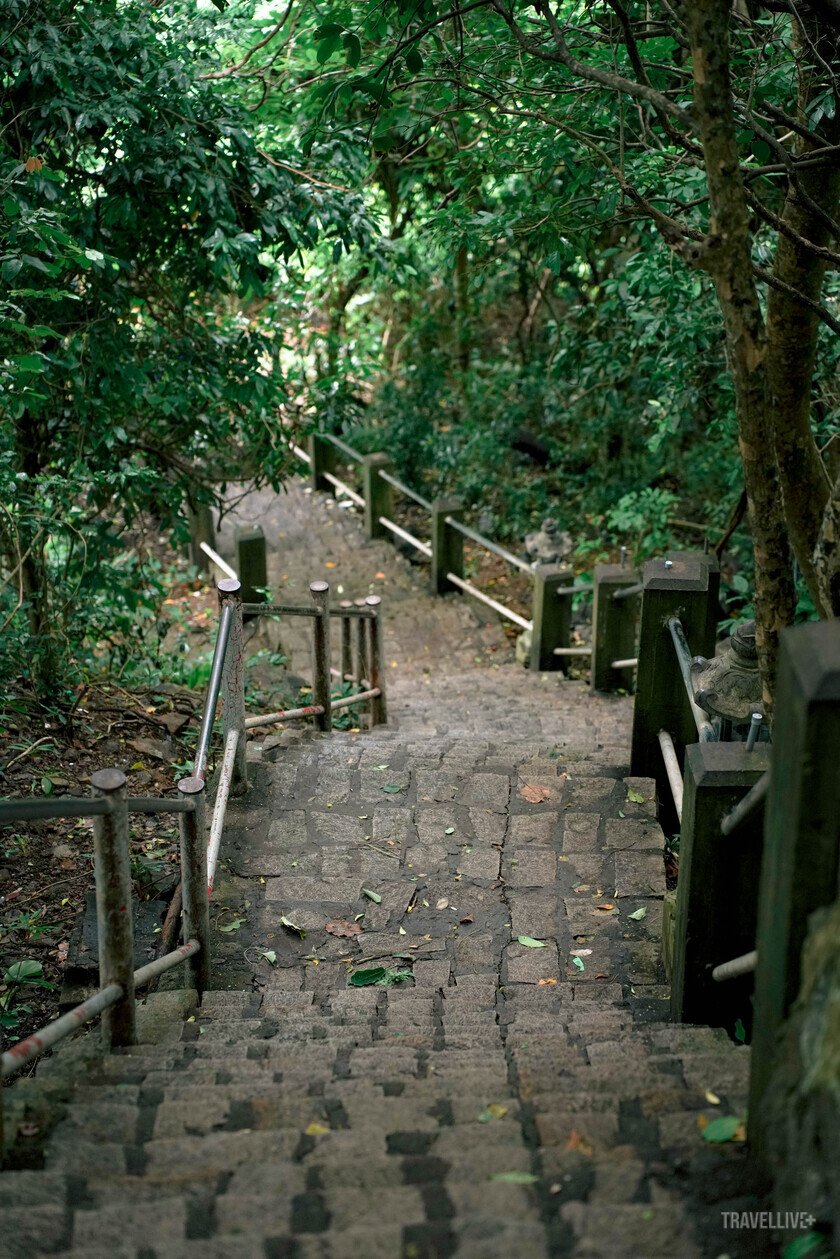
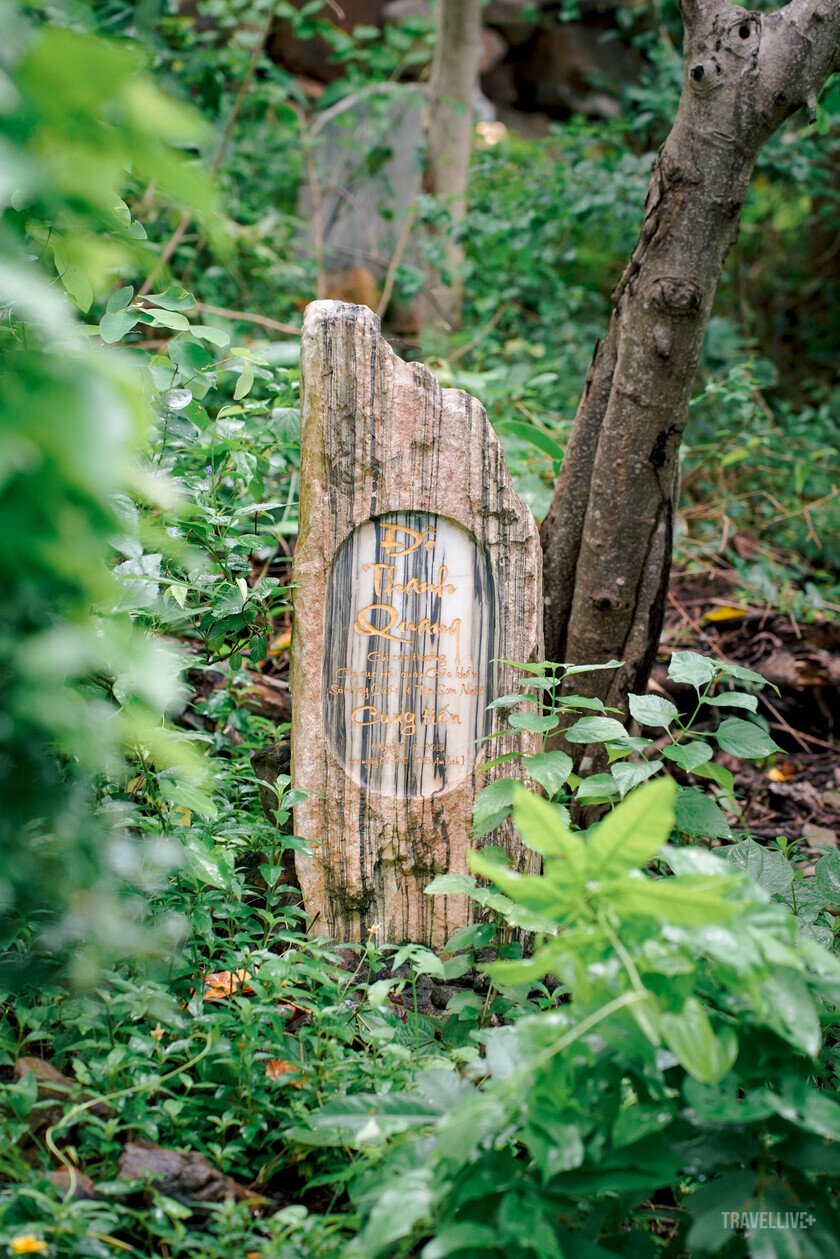
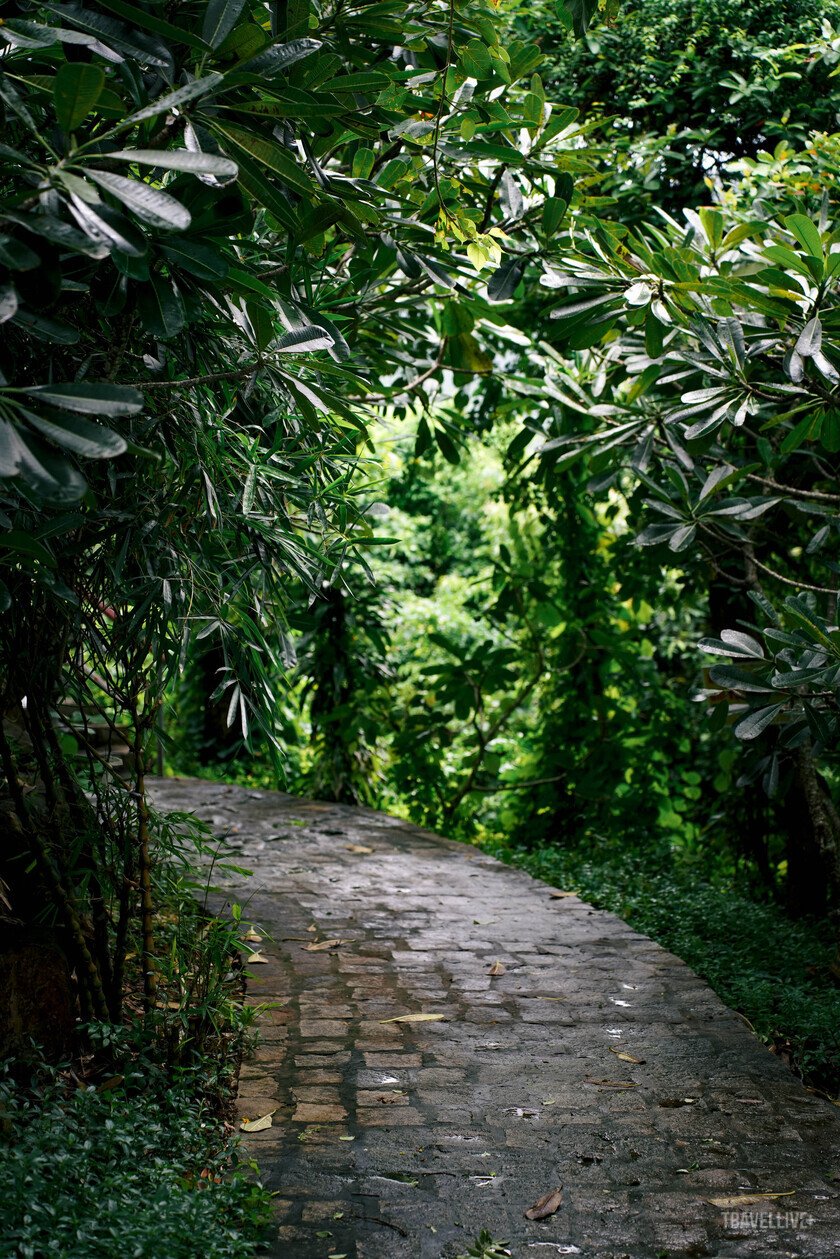
In April 1965, the ruling authorities forced prisoners serving life sentences at Camp 2 (Phu Hai) to carry sacks of sand, stones, and cement from the foot of the mountain to the summit. Under the scorching sun, their emaciated bodies toiled in this grueling labor. When prisoners protested, they were brutally punished: denied bathing, deprived of adequate food and drink, forced to salute the flag, and then imprisoned. Particularly, 63 prisoners were confined in a cramped, airtight stone cellar, causing many to suffocate. Comrade Mai Van Xinh, from Ben Tre province, died here on May 1, 1965. His grave is located in Section C of Hang Duong Cemetery – a place that forever commemorates the indomitable spirit of the Con Dao prisoners.
From those traces, Van Son Pagoda is not only an architectural masterpiece but also a testament to the brutality of the neo-colonial regime, as well as the indomitable will of the revolutionary fighters in that "hell on earth".
A journey of revival and restoration
After 1975, when the country was unified, Van Son Pagoda became a Buddhist temple for the island's residents and a place to honor fallen heroes. However, for a long time, the temple was neglected and seriously deteriorated. It was only with the attention of the Vietnam Buddhist Association, Vinh Nghiem ancestral temple, numerous Buddhists, and the local government that the structure gradually began to recover.
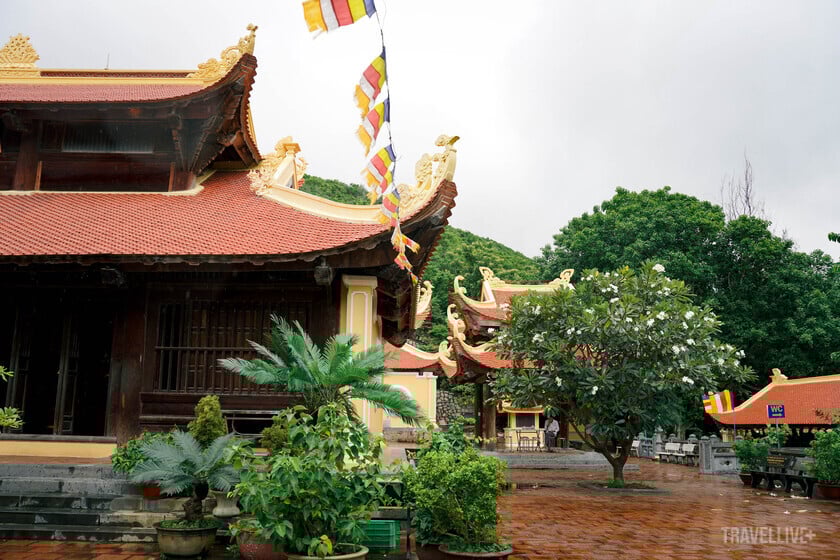
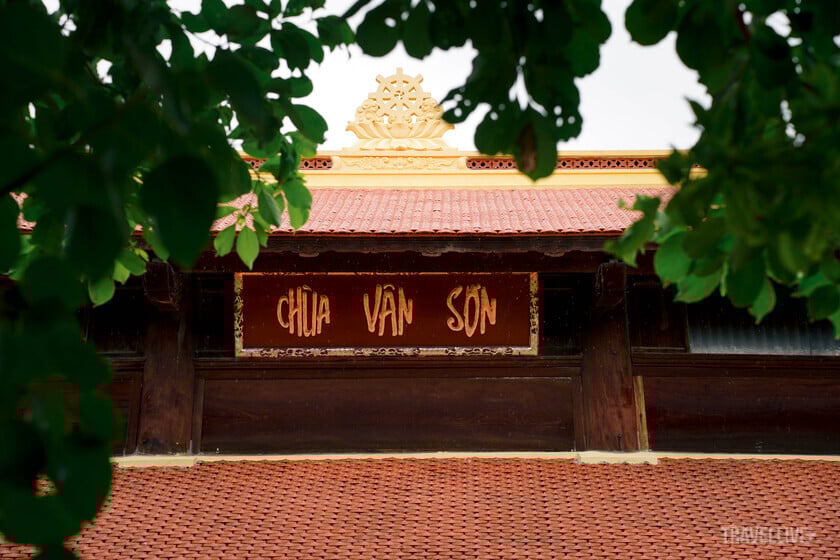
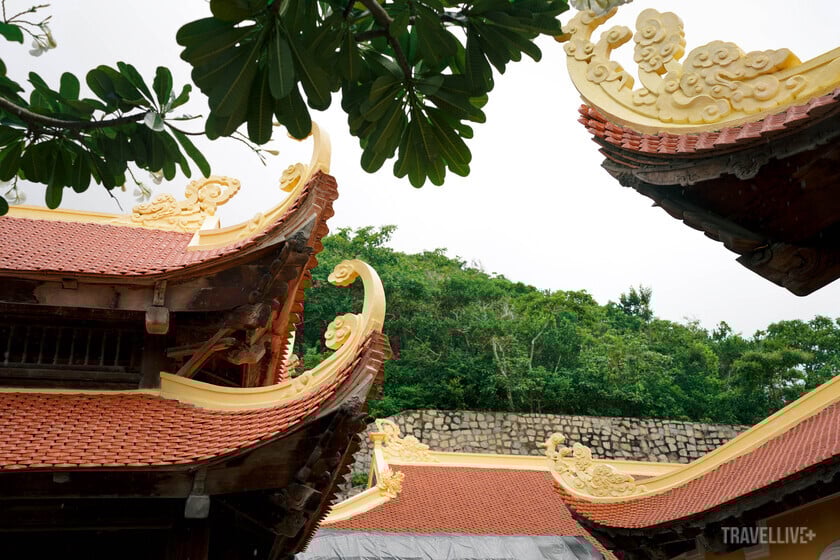
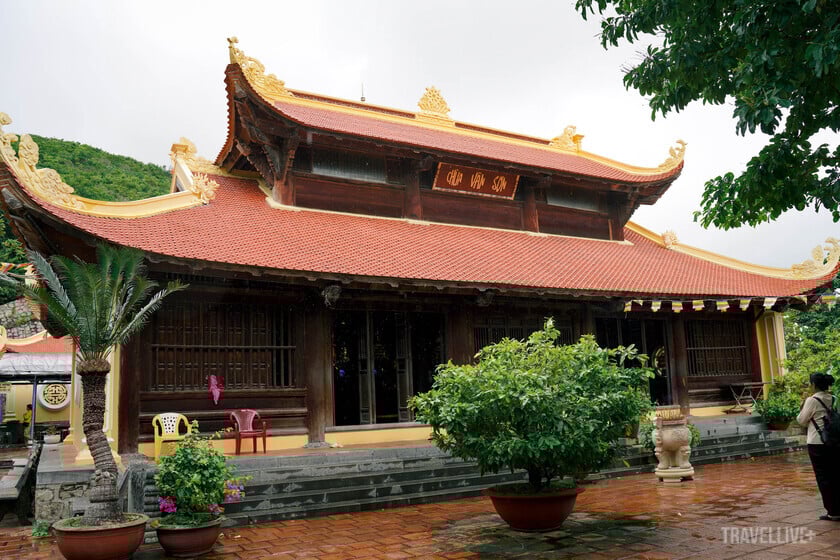
Today, the temple has been restored and has become a sacred destination in Con Dao.
In particular, in 2010, the People's Committee of the former Con Dao district, in coordination with the Ministry of Culture, Sports and Tourism and many sponsoring units, implemented the project "Investment in the construction and restoration of the Nui Mot Pagoda" with a total budget of nearly 100 billion VND. After nearly a year of construction, on December 3, 2011, Van Son Pagoda was inaugurated in a spacious and majestic appearance. This project was also recognized by Ba Ria - Vung Tau province as a provincial-level historical and cultural relic and scenic spot (Decision No. 4025/QD-UBND dated December 4, 2009).

The restoration is not simply about restoring a temple, but also about integrating it with the overall historical site of Con Dao Prison, transforming it into a destination that embodies spiritual, cultural, and historical values, both to commemorate the past and to look towards a future of sustainable tourism development.
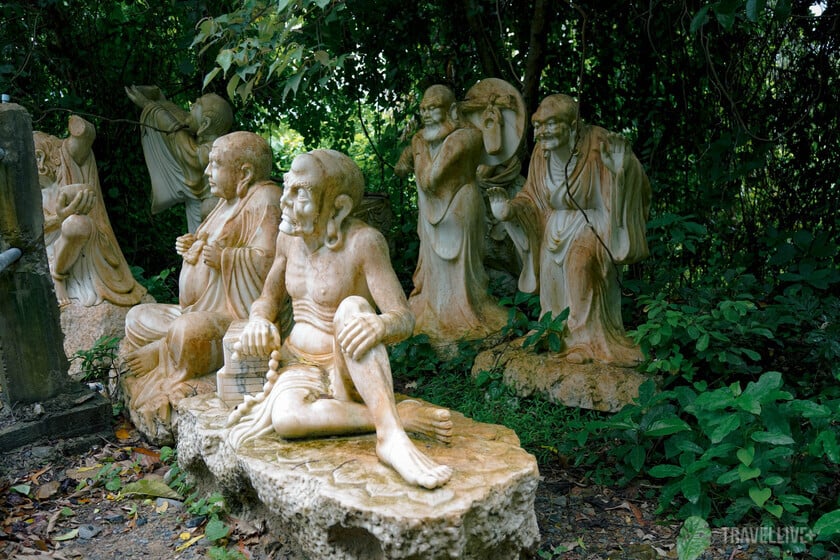
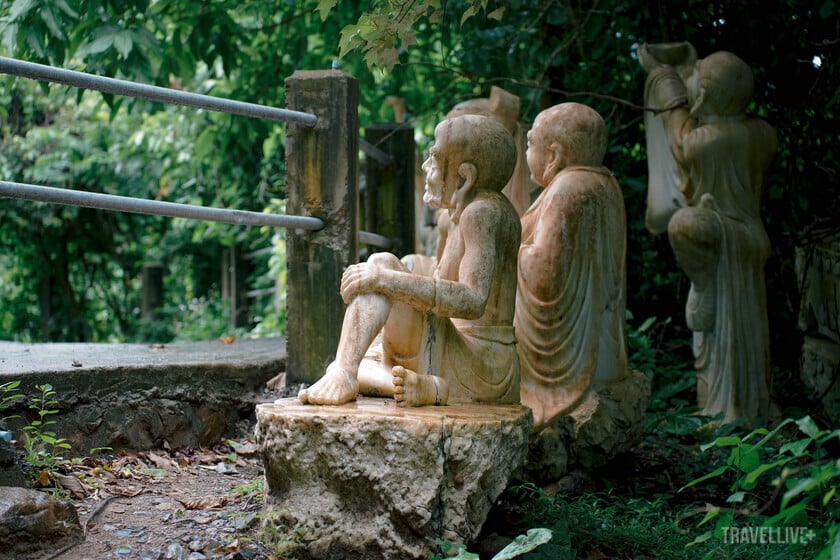
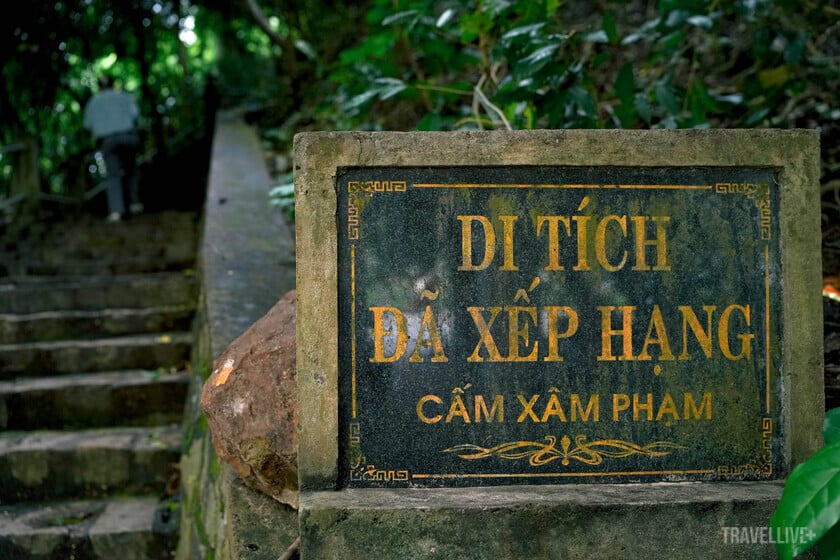
Van Son Pagoda is classified as a provincial-level historical and cultural relic and scenic spot.
The temple on the mountain overlooks the sea and the sky.
Today, Van Son Pagoda stands majestically amidst the magnificent natural scenery. Nestled against Mount Mot, the pagoda faces four directions: two overlooking the sea, and two nestled against the mountains. From the main hall, gazing into the distance, the azure sea of Con Son stretches out, with boats and ships appearing like vibrant brushstrokes. To the east lies Con Son Bay and Con Dao town, to the north opens up the vast An Hai lotus fields, and to the south is an expansive forest.
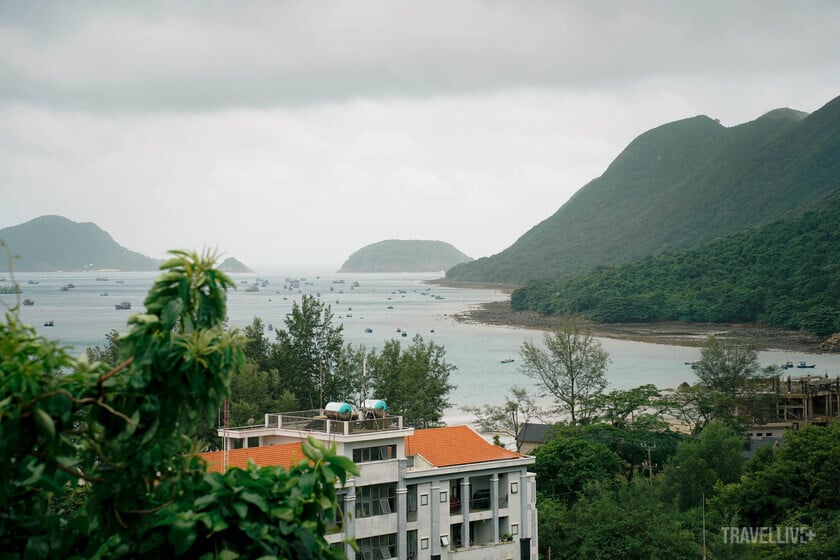
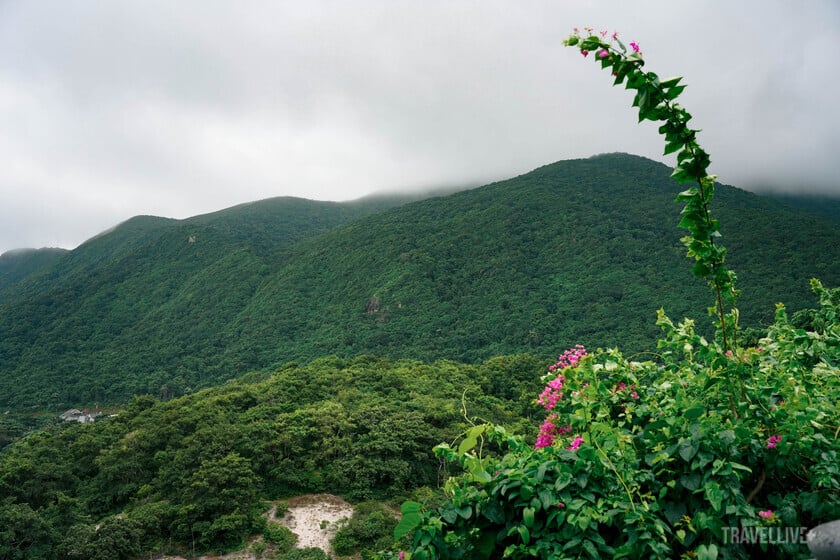
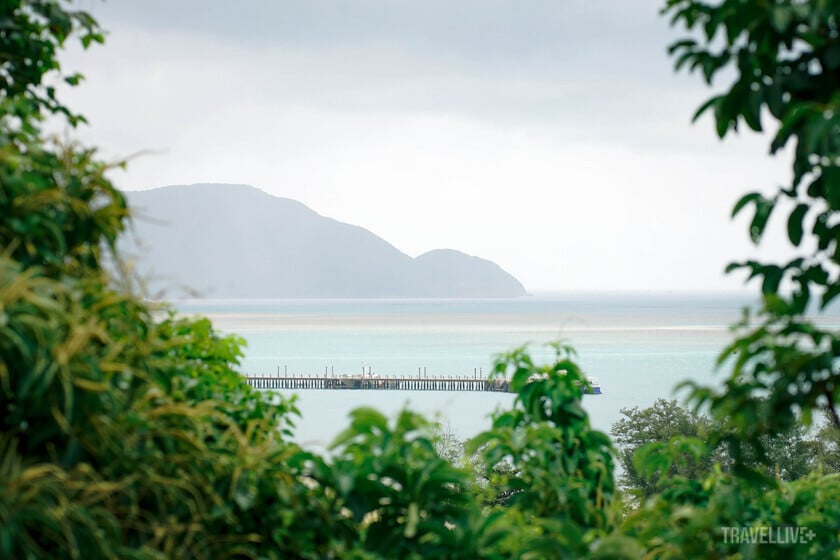
The temple offers a view of Con Son Bay.
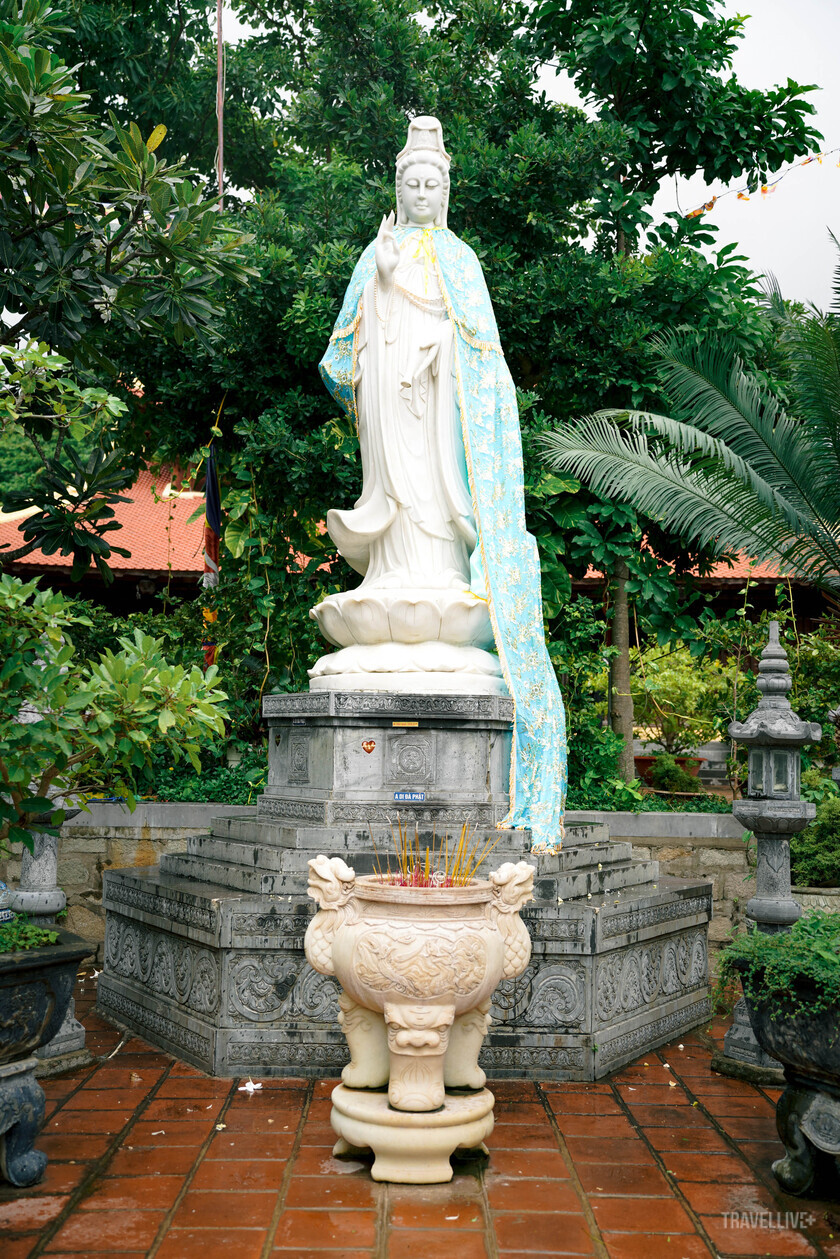
The temple complex, spanning nearly 20,000 square meters, features a distinct East Asian Buddhist architectural style. The constructed and restored structures include the temple gate, bell tower, ancestral hall, Ksitigarbha shrine, Mountain God shrine, a statue of the Bodhisattva Avalokiteshvara, and a comprehensive infrastructure system. Most notable is the statue of Avalokiteshvara Bodhisattva, over 2 meters tall, holding a vase of nectar and standing on a serene lotus pedestal.
Inside the temple, the front section houses statues of the Great Heroic Deity, the Lord Buddha, the Holy Sage, the Bodhisattva Avalokiteshvara seated on the mountain, and the Bodhisattva Avalokiteshvara of the South Sea. The back section houses statues of Avalokiteshvara Cundi, the Founder of Vietnam, the Holy Mother of Vietnam, the Shining Example of Zen Buddhism, and the Saints of the Tran Dynasty. A section on the right houses statues of President Ho Chi Minh along with heroes and martyrs who contributed to the revolution.
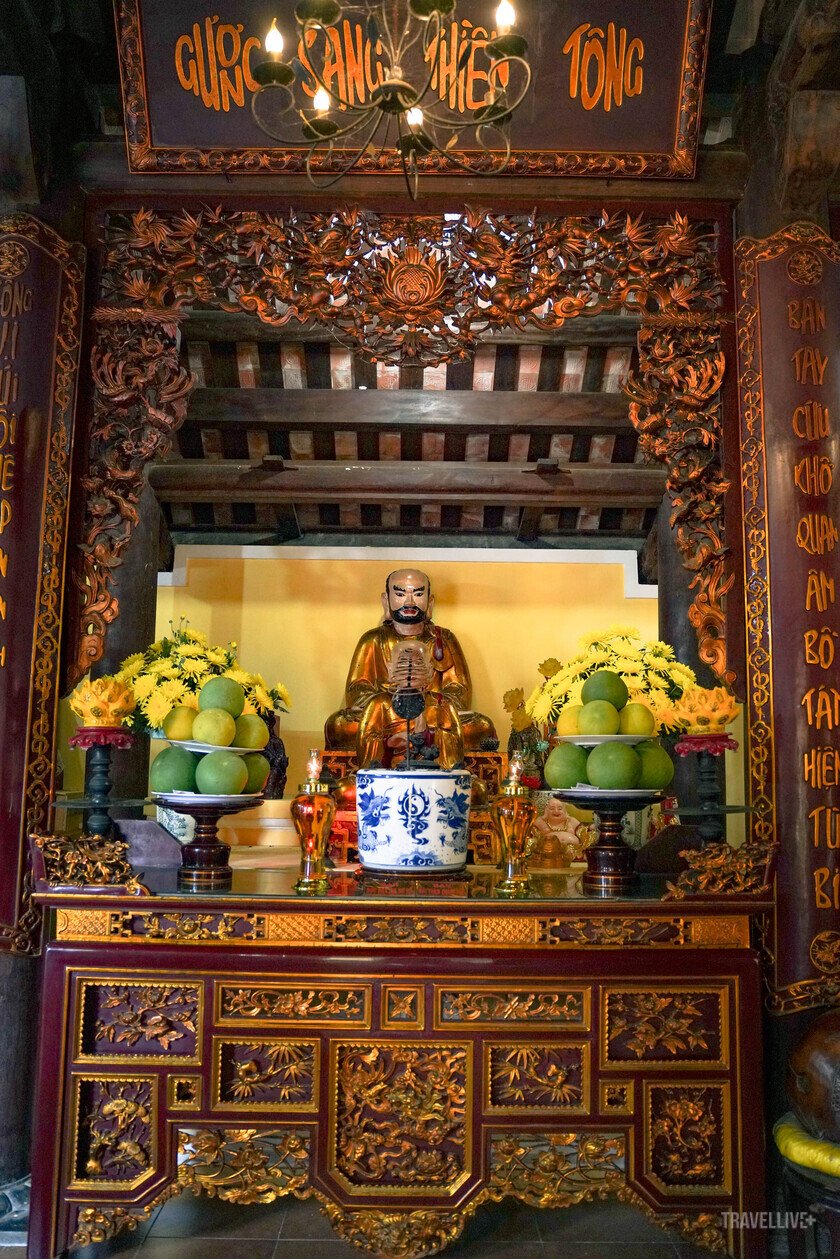
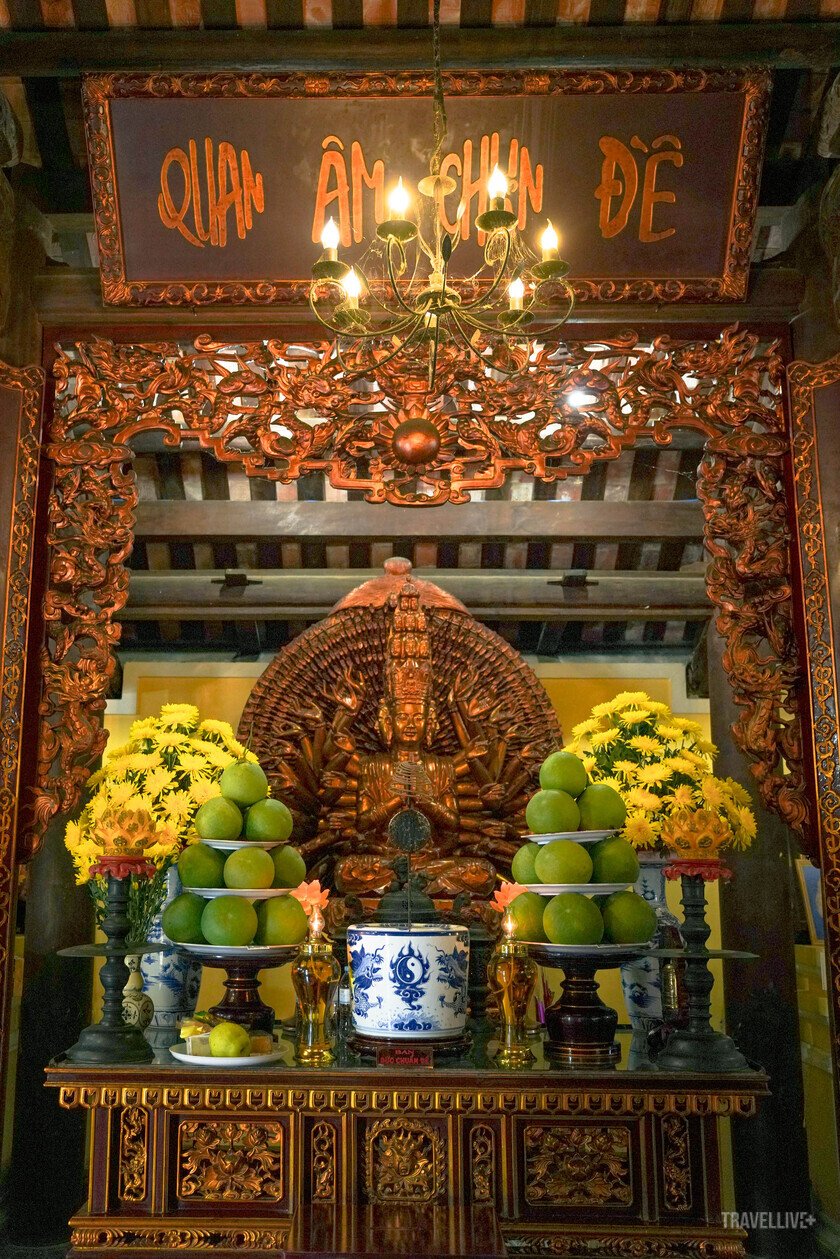
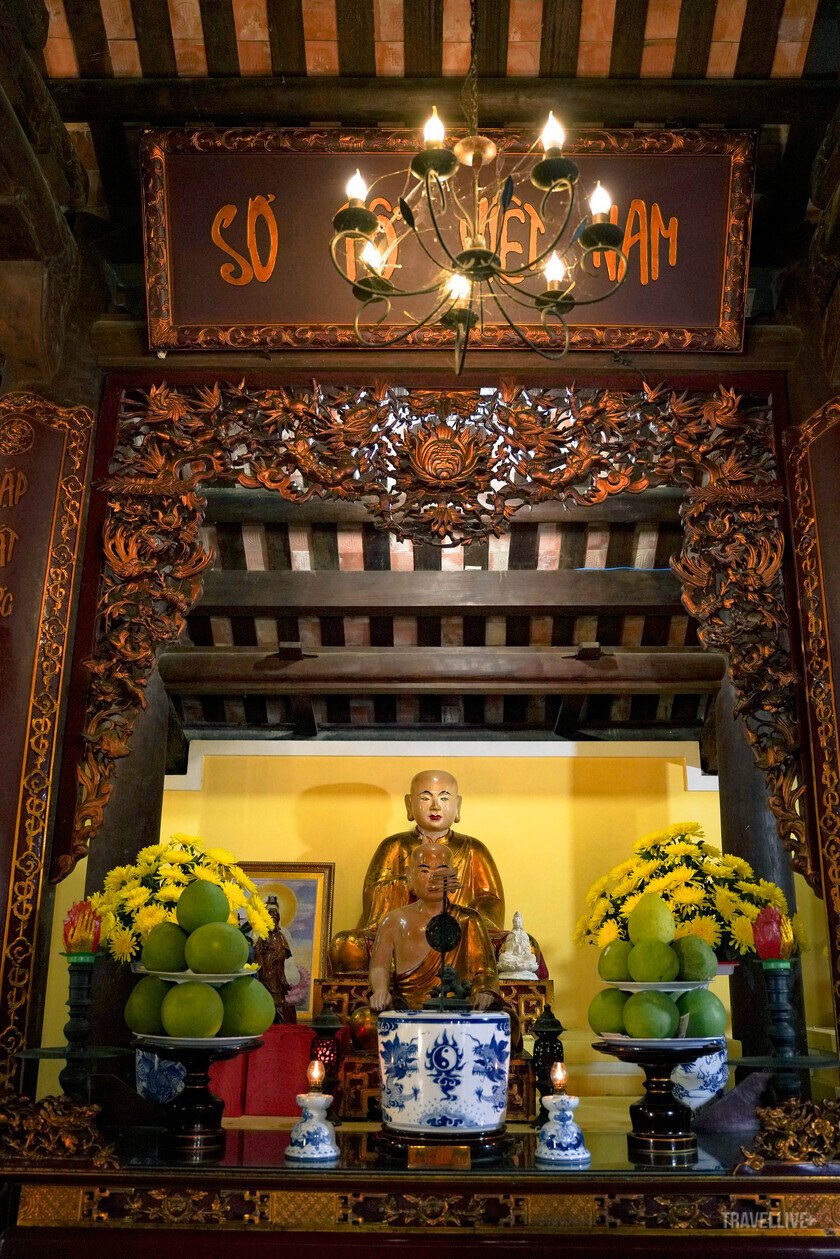
Stepping into the main hall, the tranquil atmosphere soothes the soul. Each statue of Buddha and saint appears solemn, evoking the enduring spiritual roots of the nation. In the shrine dedicated to President Ho Chi Minh and the heroic martyrs, many visitors are deeply moved, respectfully clasping their hands before those who dedicated their youth and lives to the Fatherland. Amidst the temple atop Mount One, the tragic past of Con Dao seems to come alive, evoking profound gratitude and boundless pride in the resilient traditions of the Vietnamese people.
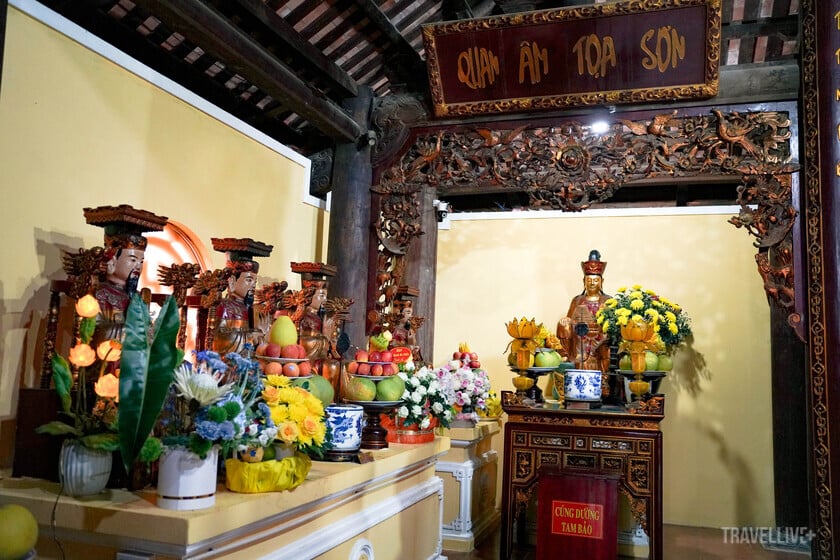
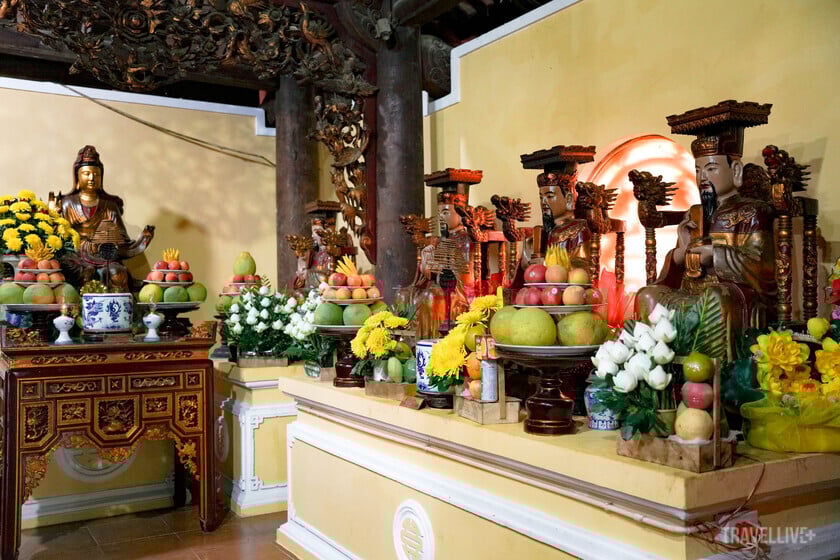
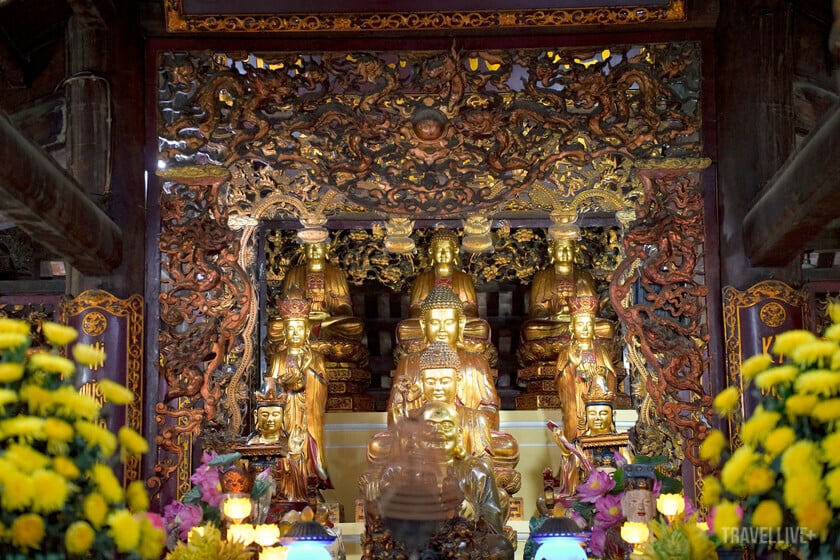
Main Hall of the Great Buddha
More than just a pilgrimage site, Van Son Temple is also a fantastic viewpoint. From here, visitors can enjoy the fresh air while feeling the harmonious blend of sea, mountains, and spirituality.
Timeless significance
Nui Mot Pagoda - Van Son Temple is not just a historical site, but also a vivid lesson in history. It evokes memories of the brutality of war, the pain and resilience of political prisoners, while simultaneously affirming the vibrant life of the nation's culture and spiritual beliefs.
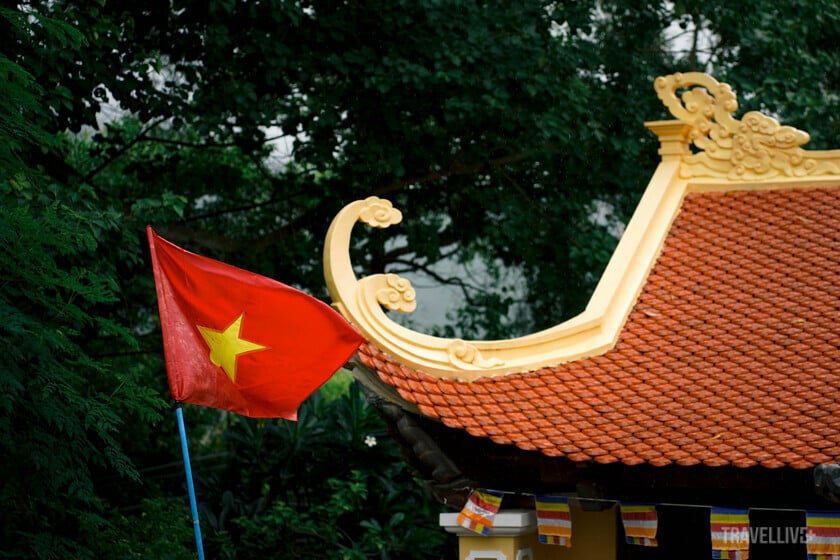
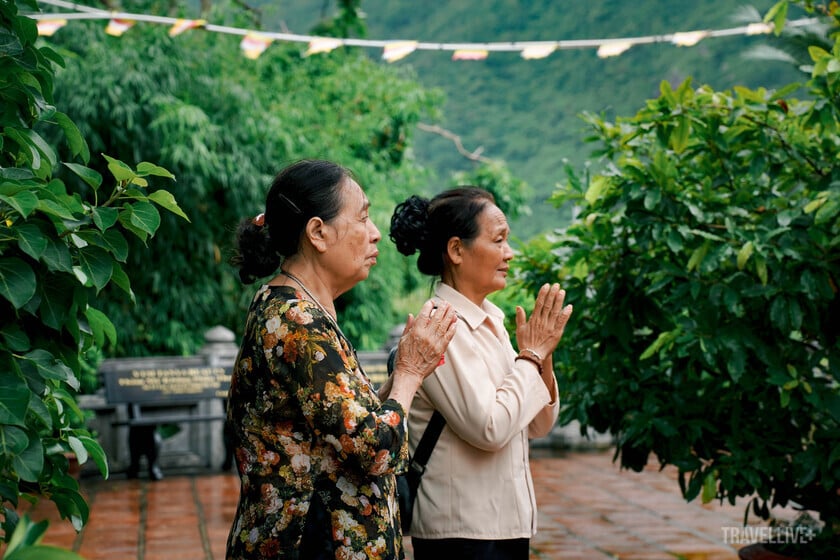
Van Son Pagoda has become a sacred destination, serving not only the religious needs of locals and tourists but also as a place to commemorate the heroic martyrs who fell in Con Dao.
The restoration and renovation of the temple is an important step in the strategy to develop Con Dao into a cultural and spiritual tourism destination. Like the chanting of scriptures echoing every morning and evening, Van Son Temple carries within it a message of awakening, of the principle of "drinking water and remembering the source," contributing to the cultivation of moral values for future generations.
More than half a century has passed since political prisoners were forced to build the temple under hard labor, and Van Son Pagoda now stands majestically atop Mount Mot as proof that: from suffering, people can still create beauty; from loss, they can still give birth to enduring values. And on the sacred land of Con Son, that pagoda will forever be a destination of faith, memory, and the aspiration for peace.