VI
VI


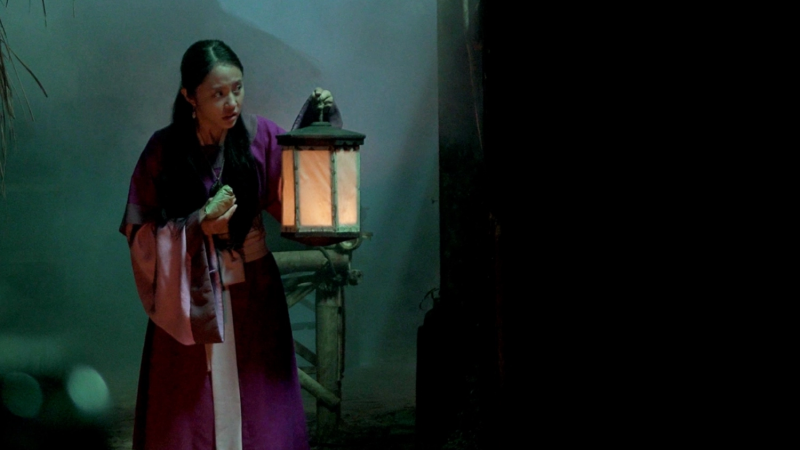
The ancient village of Phuoc Tich has recently become the focus of attention after being chosen as the main setting for the film "Cam," a horror version of the Vietnamese fairy tale Tam Cam. Director Tran Huu Tan and the film crew chose Phuoc Tich village for filming because of its ancient beauty, unique architecture, and peaceful atmosphere.

Phuoc Tich, the second ancient village to be recognized as a national heritage site after Duong Lam ancient village (Hanoi), has a history dating back to the 15th century, established during the reign of King Le Thanh Tong in 1479. Located about 40 km north of Hue city, beside the tranquil O Lau river, the village offers a harmonious blend of natural scenery and architecture, creating a space isolated from the hustle and bustle of the outside world.
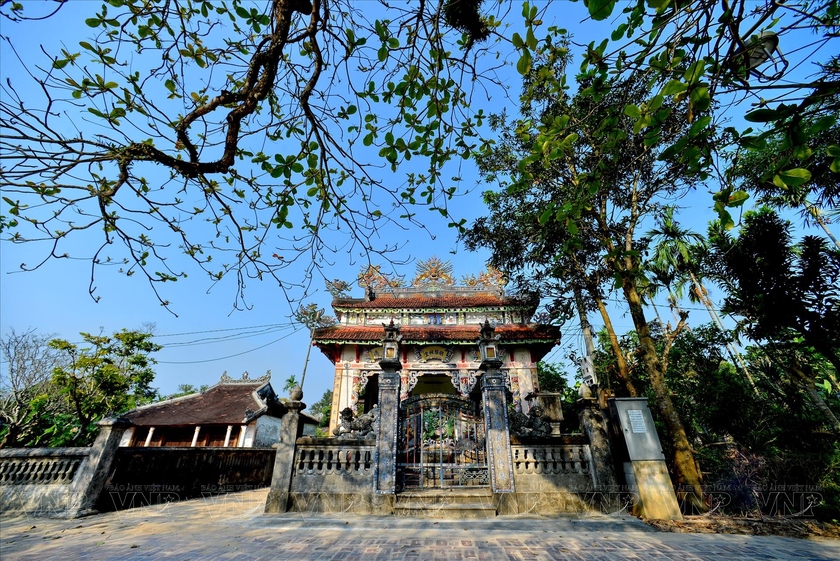
The quintessential Hue charm of Phuoc Tich ancient village.
The unique architecture of Phuoc Tich village lies in its exquisitely carved wooden houses. These houses typically follow the traditional Vietnamese design of three bays and two wings. A special feature is that each house is surrounded by a spacious garden, separated by rows of straight, green tea plants. The intelligent and careful planning of the architecture helps keep the village lush and fresh, despite its centuries-old history.

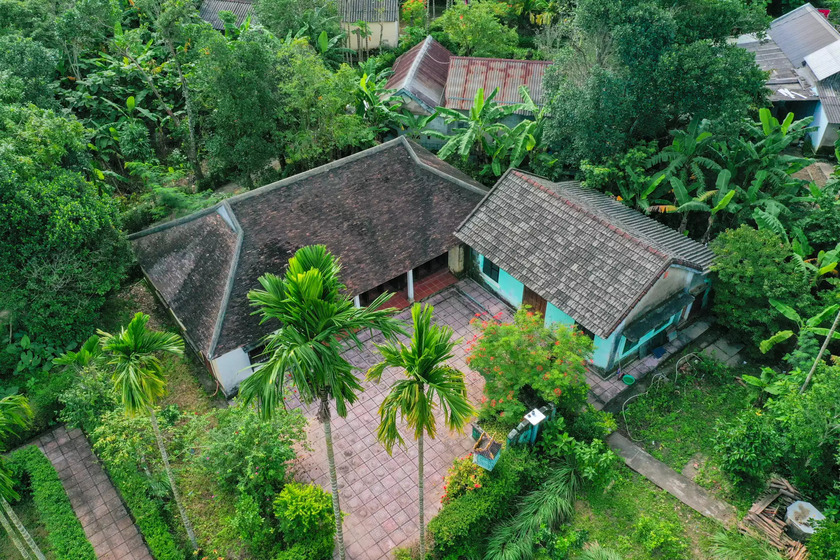
The characteristic architecture of a traditional three-bay, two-wing house.
One of the distinctive symbols of Phuoc Tich village is the ancient persimmon tree, over 600 years old. For hundreds of years, this ancient tree has provided abundant shade and a fragrant aroma. The villagers of Phuoc Tich say that during the south wind season (the summer monsoon), ripe yellow persimmons fall onto the temple grounds. Anyone wishing to pick them must ask permission from the Goddess at the temple. Each season, the tree only sheds fewer than ten fruits, so the villagers cherish them greatly. Instead of eating them, they respectfully place the fruits on the altar, praying for protection from the temple and the tree spirit.
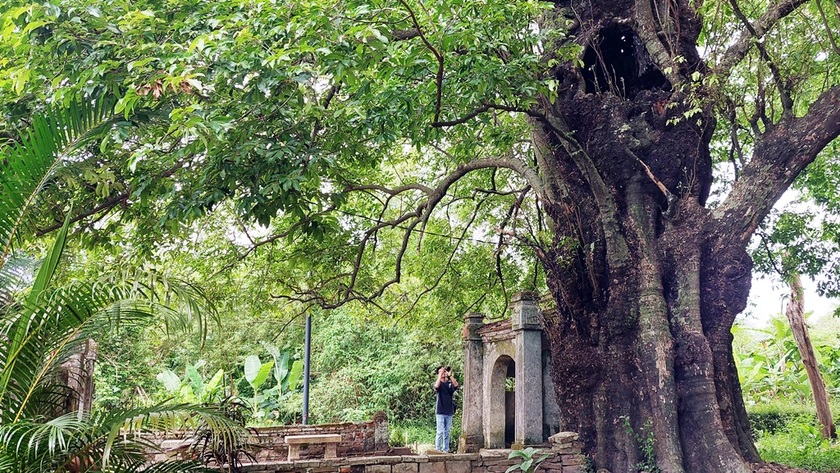
The persimmon tree, over 600 years old, has witnessed countless ups and downs of the village.
Phuoc Tich is a place that preserves a traditional pottery craft that has existed for over 500 years. Phuoc Tich pottery is characterized by its straw-fired firing technique, creating highly durable, smooth, and exquisite products. Historically, Phuoc Tich pottery was used as offerings to the emperors of the Nguyen dynasty. The pottery craft not only provides income for the local people but also serves as a testament to their enduring creativity and perseverance in preserving this traditional craft through generations.
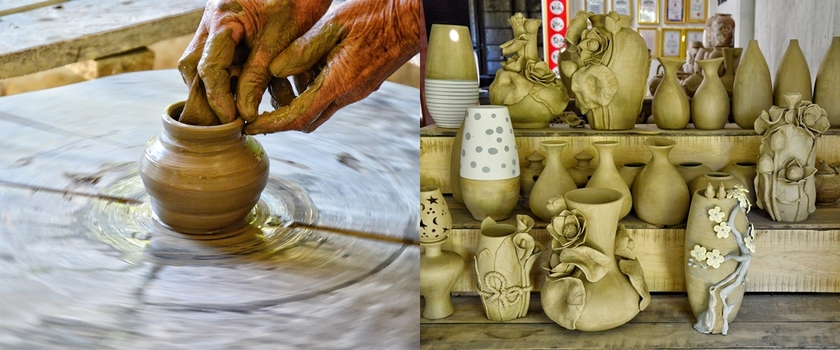
Pottery making in Phuoc Tich
The natural beauty of Phuoc Tich is further enhanced by the O Lau River, which surrounds the village. Originating from a towering mountain peak over 905m high, the river meanders through the Truong Son mountain range before flowing towards Van Trinh, then into Tam Giang lagoon, passing through Lac estuary and finally into the East Sea. The O Lau River not only provides clean, fresh water, but its crystal-clear surface and gentle, poetic flow also captivate many visitors.

"A hundred years later, the promise remains unfulfilled / The banyan tree by the riverbank, the ferry boat is no longer the same / The ferry boat has passed away long ago / The banyan tree, the old riverbank, only retain the shadow of a person."
Phuoc Tich offers a diverse range of tourist services, from visiting ancient traditional houses and experiencing pottery making to enjoying traditional cuisine and cycling around the village. For 20,000 VND per bicycle, visitors can freely explore every corner of the village, or pay an additional 50,000 VND to visit the gardens.
With its historical, cultural, and natural advantages, Phuoc Tich ancient village has great potential for sustainable tourism development. Its appearance in films like "Cam" will undoubtedly help the village become more famous, attracting more domestic and international tourists. However, to develop tourism while preserving its ancient and charming character, the preservation and maintenance of cultural values is extremely important.