VI
VI


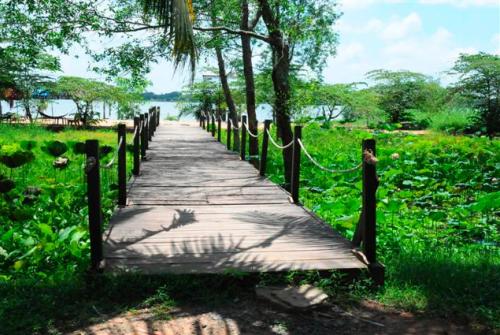
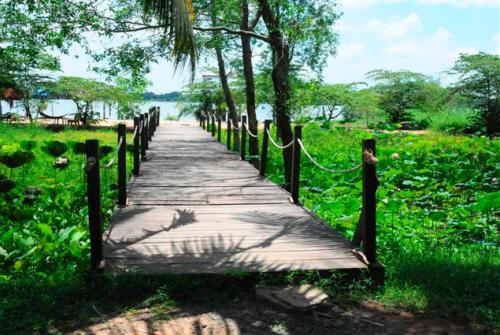
A section of the landscape covered in green on Con Au islet. Photo: dccd
Located in Hung Loi ward, Cai Rang district (Can Tho city), Con Au islet is considered the most beautiful among the islets along the Hau River. The name Con Au originates from the local people's way of calling it. In the past, when they moved to the islet to live, they saw many water chestnut trees and named it Con Au. Later, when they cleared the land and planted fruit trees, the water chestnut trees gradually disappeared.
Con Au Island, covering an area of 130 hectares, is a place that embodies many characteristic features of the Mekong Delta. Seen from afar, it appears pristine and unspoiled, surrounded by vast mangrove forests and bordered on all sides by expansive waterways. The mangroves grow and thrive very quickly, making them a signature tree species when referring to Con Au Island.
Inland on the islet, a green space unfolds with hundreds of varieties of fruit trees and vegetable gardens belonging to local households. Small paths shaded by coconut trees, and clusters of mangoes and plums hang heavy almost overhead, delighting visitors and making them want to reach out and pick a fruit to enjoy.

Approximately 70 families live on Con Au islet, mostly engaged in gardening. Those without land usually trade at the market, so the islet is very quiet and peaceful. Almost every house here is surrounded by lush greenery, from the alleyways to the back of the house.
Mornings on Con Au Island begin quite early as locals wake up to harvest fruits and vegetables to sell at Can Tho market. Not bustling or chaotic, a morning on Con Au Island is simply a routine, followed by boat trips to the market, and only returning home in the late afternoon.
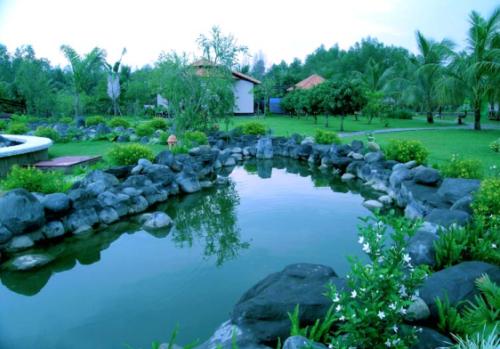
The scenery on Con Au islet also possesses a poetic beauty in the evening. Photo: disanxanh
Approximately 30 hectares at the tip of Con Au islet are currently being developed into the Phu Sa eco-tourism area. This area capitalizes on the potential of its land and lush greenery, making it an ideal spot for those who enjoy weekend picnics or outdoor photography.
Wandering through the mangrove orchards, visitors can take boat rides and experience the simple, rustic life of fishermen and anglers. Ripe mangrove fruits will be prepared by restaurant staff into unique dishes such as sour mangrove soup or mangrove-flavored fish.
This tourist area features a 1-hectare crocodile farm. Visitors can enjoy fishing for crocodiles. Additionally, you can relax in a natural swimming pool located along the Hau River. Activities such as canoeing, waterskiing, towed speedboat rides, and parasailing on the Hau River are also available for visitors.