VI
VI


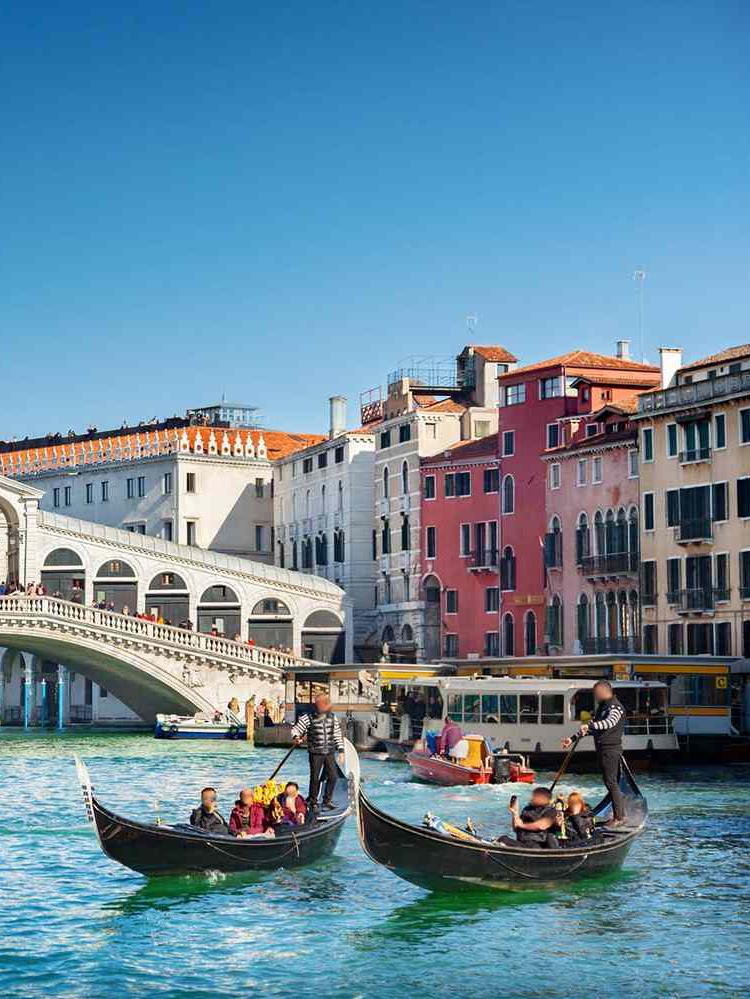
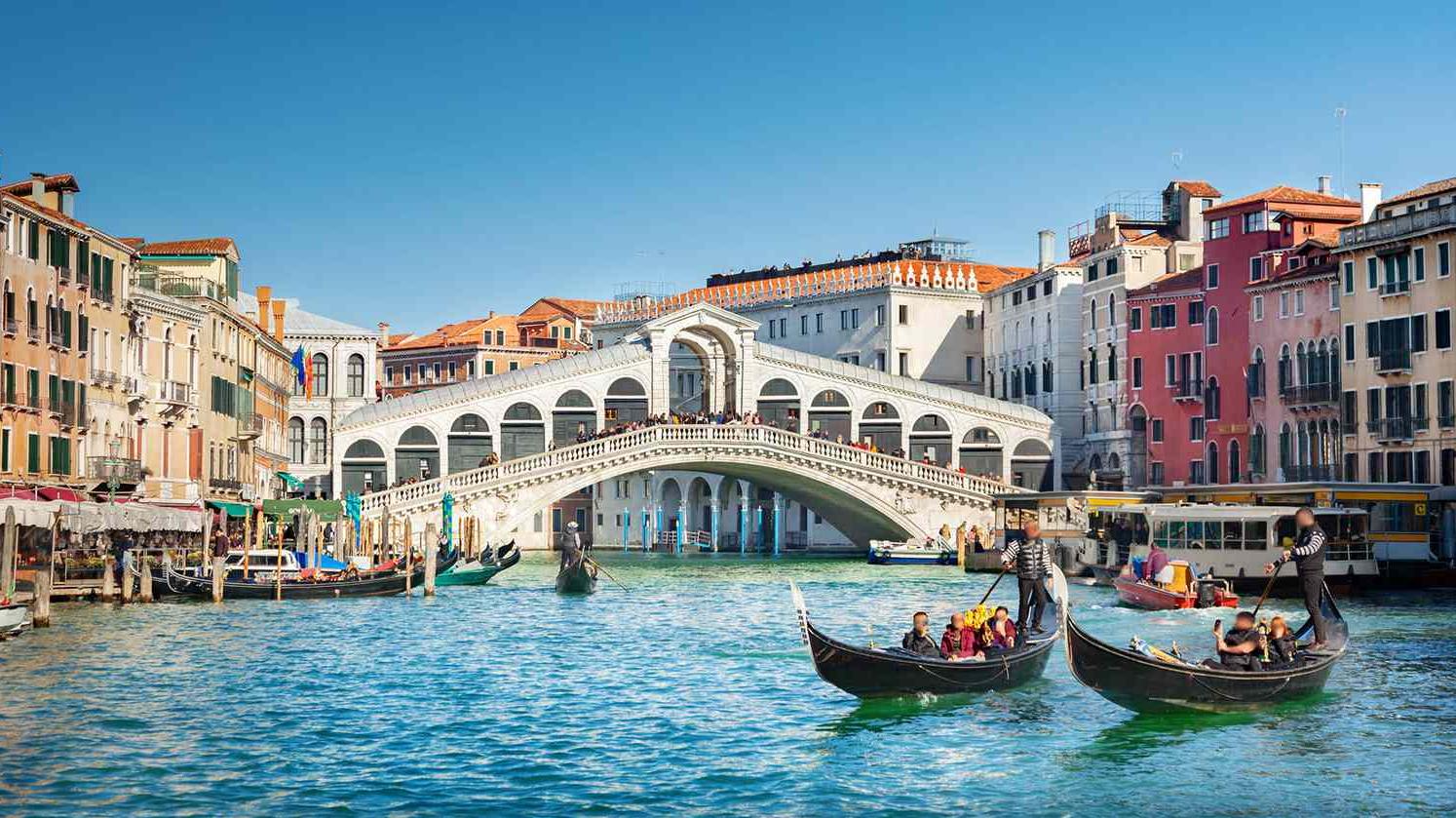
According to CNN, starting in April 2024, the authorities in Venice, Italy, will officially begin testing the imposition of fees and limiting the number of visitors allowed to tour popular landmarks in an effort to preserve the city's heritage.
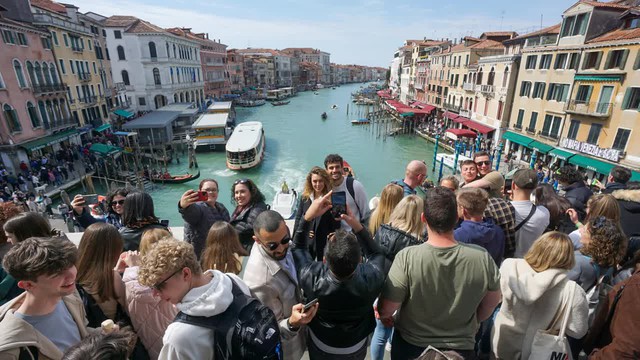
Anyone visiting Venice during peak season in 2024 will have to register. Photo: Andrea Merola/Bloomberg/Getty Images
The program of charging an entrance fee and limiting visitors will be tested for 29 days, mostly on weekends, from April 25 to mid-July 2024. The price is fixed at 5 euros ($5.45) for admission.
The program will be managed through an online platform and will generate QR code tickets confirming payment or exemption. The city will also have kiosks for fee payment.
Visitors will be able to register online starting January 16, 2024. This code will be checked at specific entry points and will grant visitors access to certain city attractions.
Exemption cases
In general, all tourists aged 14 and over who do not stay in the city overnight will have to pay the fee. Even those who stay overnight will have to register online to receive a QR code to determine their exemption entitlement.
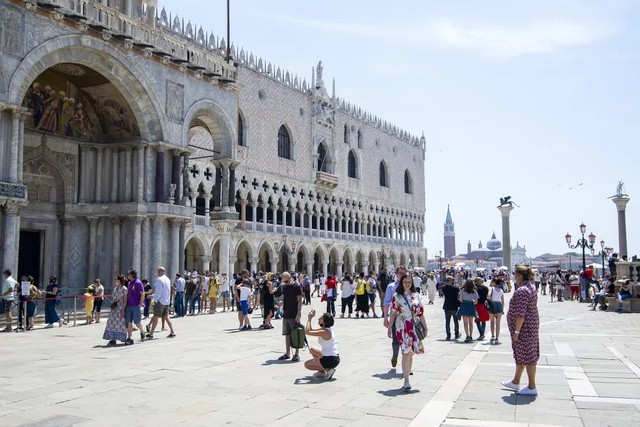
The idea of charging a fee was introduced to improve the city experience for residents and tourists. Photo: Luca Zanon/Awakening/Getty Images
Anyone exempt must carry a QR code for identification, except for residents of the city and those born in Venice.
Meanwhile, property owners in the city, students, and workers in Venice will have to register on the new online platform to receive a long-term QR code valid for the year.
Those visiting the city for short-term work or study are also granted free entry but must register a daily QR code. The same applies to tourists staying overnight in Venice, including the Mestre on the mainland and residents visiting Venice's historic center.

Notably, children under 14 will not have to pay, as will those with "certified disabilities" and their caregivers. However, a reservation must be made and a free QR code obtained.
Additionally, those staying in Venice will not have to pay an entrance fee as they have already paid the overnight tax. However, a QR code for verification is still required. Local hotels will likely arrange the code for guests. Otherwise, guests will have to register for an exemption before arrival.
There are seven main access points and ticket checks, including the airport, train and bus stations, Fusina port, and the banks of the Fondado Nove and Riva degli Schiavoni rivers, where many boats dock.
Fines will range from 50 euros ($54) to 300 euros ($327) per person for violations.
Increase accountability
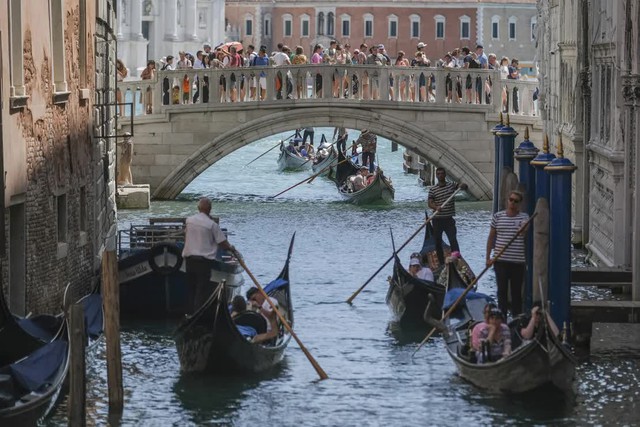
The council has identified 29 peak days in the first half of 2024 to charge fees to day commuters. Photo: Stefano Mazzola/Getty Images
Overtourism and flooding have long been persistent problems for this city, famous for its canals and cultural sites. Previously, the United Nations Educational, Scientific and Cultural Organization (UNESCO) recommended adding Venice to its list of endangered world heritage sites, and urged the Italian authorities to intensify their efforts to protect it.
In response to this situation, the city council first mentioned the introduction of fees in 2019, but officially implemented them from 2024. This is a way to curb day-trip tourism overcrowding.
"The aim is to achieve a new balance between the people, the users of urban space, and tourists visiting the Old Town, who wish to experience positive emotions in a UNESCO World Heritage site," said Venice Mayor Luigi Brugnaro.
Mayor Luigi Brugnaro said this is not a revolution but the first step on adjusting the approach to day tourists – an experiment aimed at improving the lives of the city's residents and those who live and work here.
Mayor Luigi Brugnaro stated that Venice is the first city in the world to embark on this journey and could become an example for other fragile cities that need to be preserved.
He warned that "issues" could occur, such as a high error rate, but we are prepared to make the necessary changes to improve the process.
The number of visitors will be monitored through the city's Smart Control Room for continuous tracking, which uses mobile phone technology as well as surveillance cameras to monitor the number of people arriving and determine the program activation date.
According to Brugnaro, the entrance fee will serve as a reminder to tourists to behave more responsibly and with better awareness.
"We hope to avoid charging too much because that would mean a decrease in visitor numbers. We also hope that those who want to come on those days will decide to find another appointment. Our goal is not to make money, but to prevent the daily influx of money that is detrimental to the city," Brugnaro emphasized.