VI
VI


According to the Ha Long Bay Management Board, controlling and managing waste in the area faces many difficulties, leading to an increasing amount of waste. Waste originates from various sources, including tourism, daily activities of coastal residents, and waste drifting from other areas.
The issue of waste in Ha Long Bay remains a major challenge, affecting the landscape and environment of this world natural heritage site.
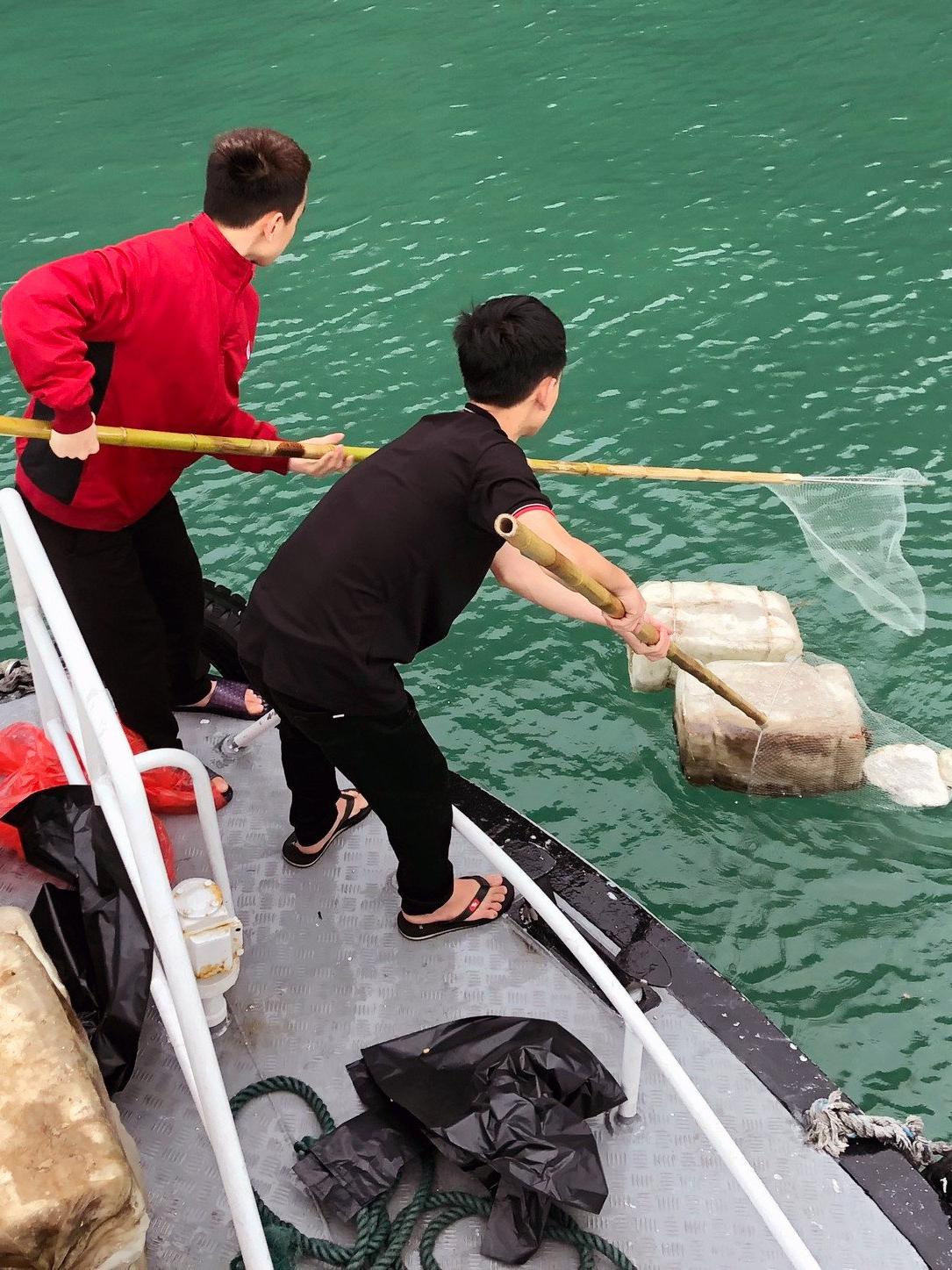
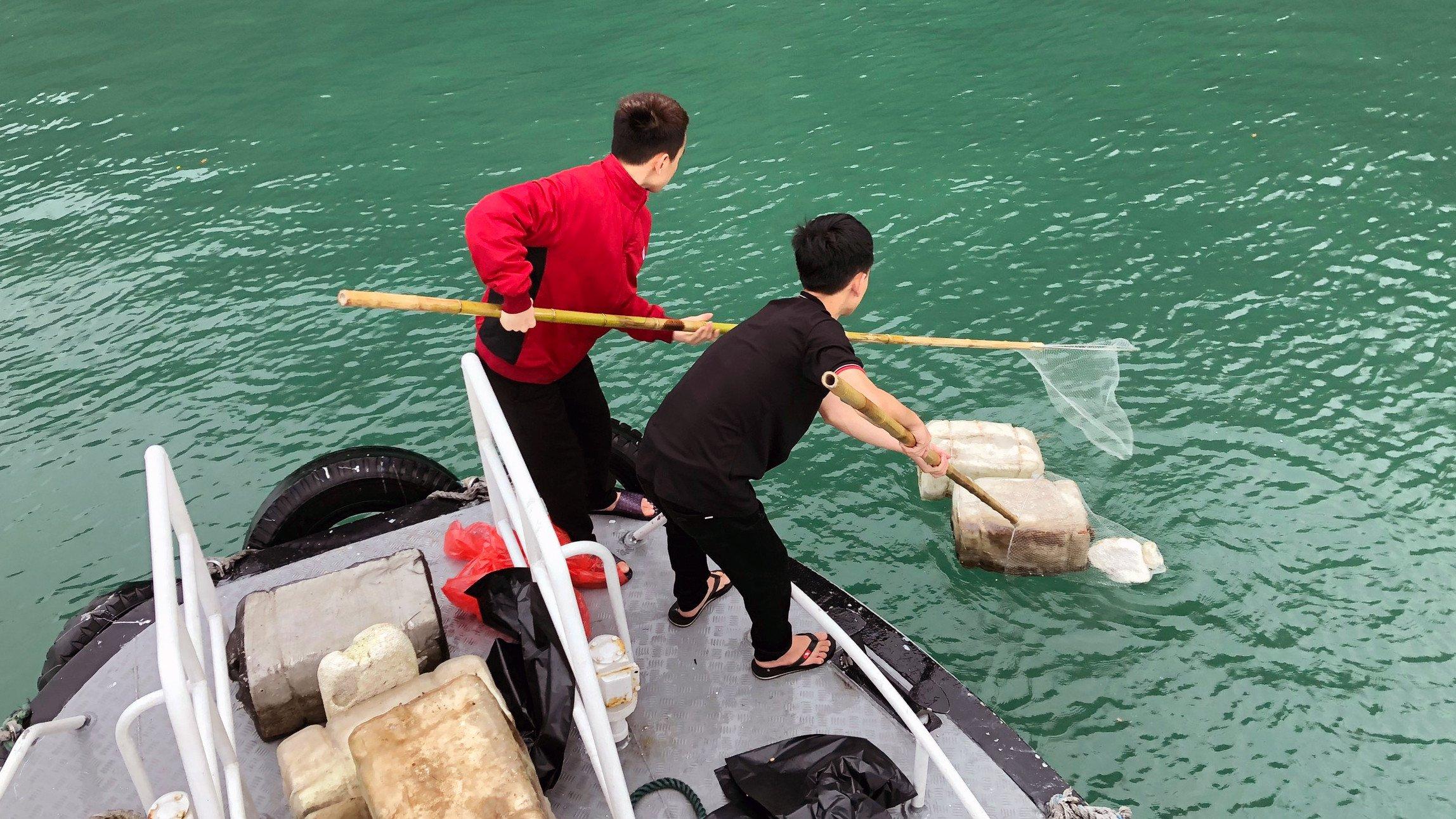
According to Mr. Vu Kien Cuong, Head of the Ha Long Bay Management Board, since the beginning of 2024, the units have collected 75 tons of garbage and more than 2,000 cubic meters of waste.2The bay is covered in spongy foam. Collecting the trash is difficult because floating debris gets caught on rocky islands and mangrove forests. When the tide rises, the trash is carried out into the bay by the current, floating everywhere and creating an unsightly scene, affecting the tourist experience.

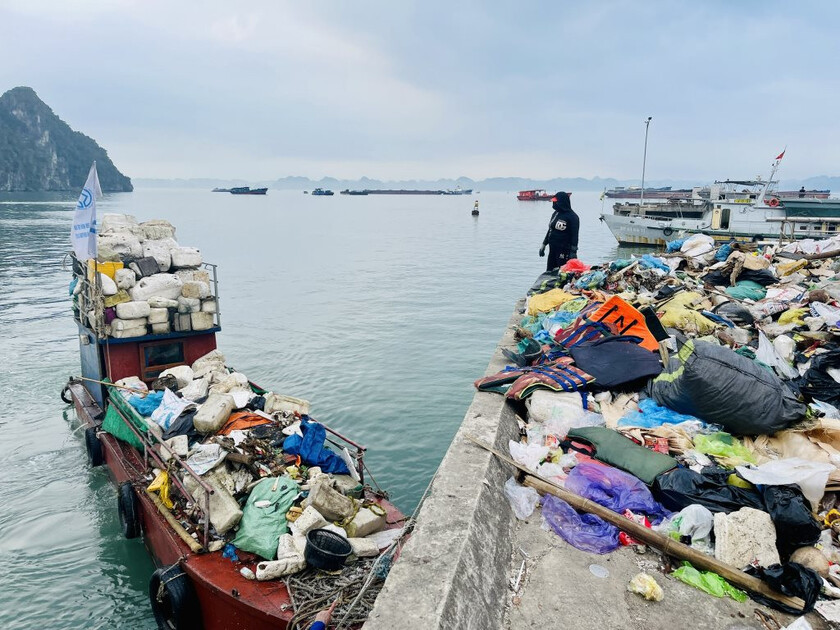
The issue of waste in Ha Long Bay remains a major challenge, affecting the landscape and environment of this world natural heritage site.
There are four sources of waste in Ha Long Bay:
- Consequences of dismantling fish cages and creating rafts and styrofoam floats: The replacement of styrofoam floats with environmentally friendly materials is underway, but many old styrofoam floats still remain.
- Household waste: Plastic bags, food containers, and plastic bottles are dispersed from the shoreline into the bay.
- Trash from the ocean: Carried into the bay by ocean currents.
- Leaves and branches from the dense forest fall onto the rocky islands: the wind whips them down into the sea.
In addition, the bay's water is also polluted by domestic wastewater from old coastal residential areas that lack treatment systems, and wastewater from some outdated fishing vessels.
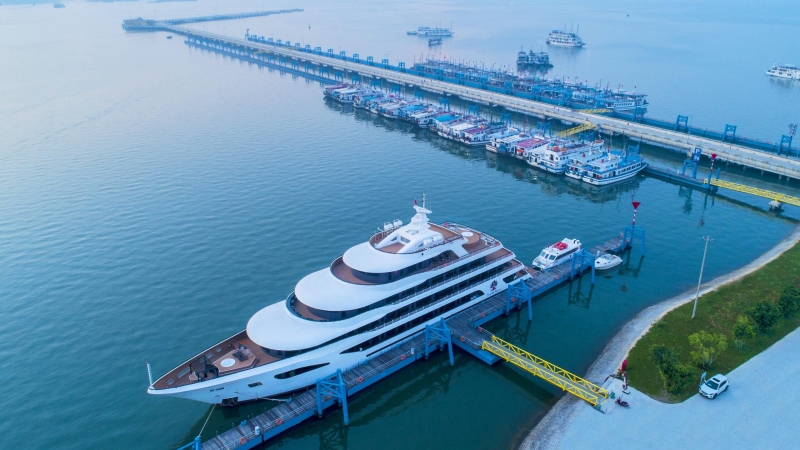
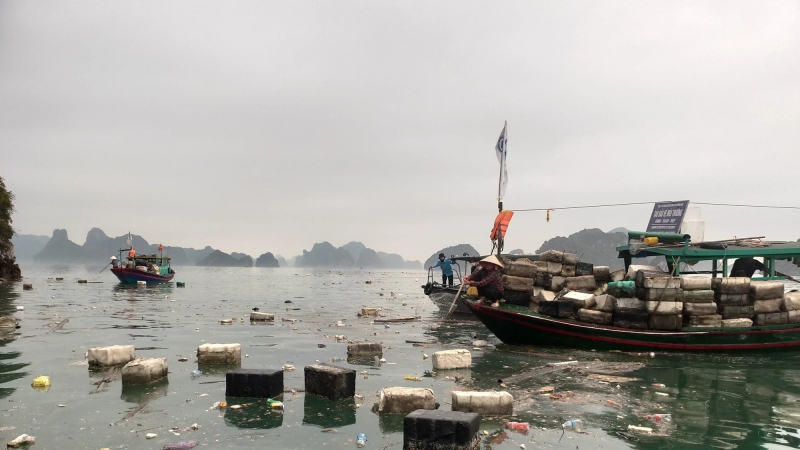
Mr. Cuong stated that the presence of waste in Ha Long Bay is unavoidable. However, the local authorities and relevant units are making efforts to implement various solutions to protect the bay's environment, including:
- Enhance waste collection efforts: Install more waste traps and floating waste collection points, and organize regular waste collection in the bay and coastal areas.
- Raising public awareness: Conducting awareness campaigns and education on environmental protection, encouraging tourists to engage in "green tourism," and limiting the use of single-use plastics.
- Effective waste management: Waste sorting, investment in modern waste treatment plants, and ensuring no environmental pollution.
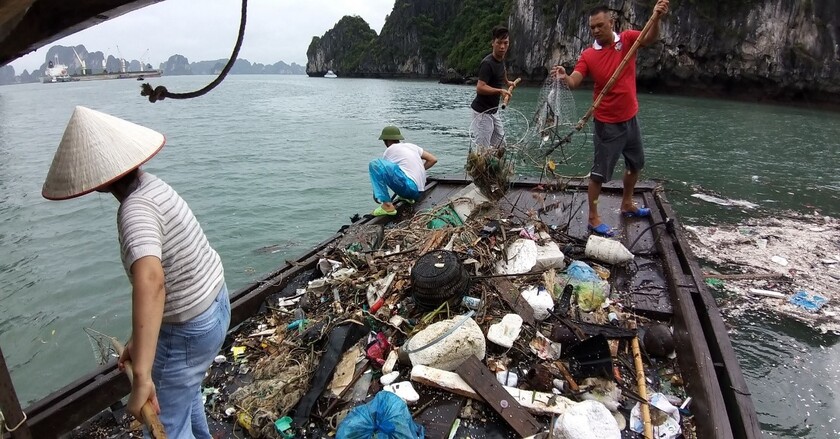
Waste originates from various sources, ranging from tourism and the daily activities of coastal residents to debris drifting from other areas.
Besides the efforts of the government, the cooperation of every citizen and tourist is extremely important. Let's work together to take practical actions such as: limiting the use of single-use plastics, collecting waste in designated areas, and participating in environmental protection activities.