VI
VI


Identification documents
For domestic travel, a national ID card or passport is required for travel and procedures at tourist destinations. If you plan to travel by motorbike or car, bring your driver's license to ensure safety and compliance with traffic laws. And if traveling with young children, bring a copy of their birth certificate to prove the family relationship.
Furthermore, when traveling abroad, a passport is a mandatory document for entering and exiting foreign countries. Ensure your passport is valid for at least six months from your departure date. Depending on the country you are visiting, you may need to apply for a visa before entry. Carefully research the visa application procedures for your destination country. Additionally, some countries may require other documents such as return air tickets, proof of financial means, travel insurance, etc. Check the website of the embassy or consulate of your destination country for more details.
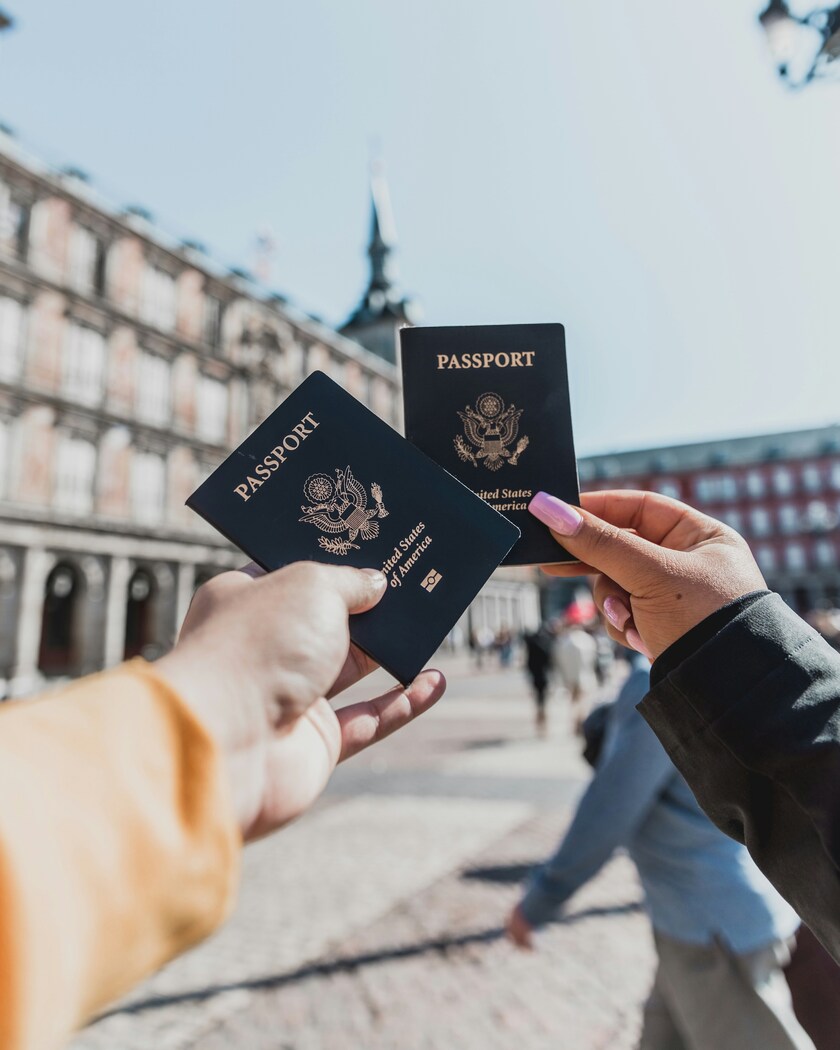
A national identity card or passport is a required form of identification for travel and procedures at tourist destinations.
Cash and bank cards
Cash and bank cards are two extremely important items you need to bring on any trip. To ensure a smooth and safe trip, before traveling, find out what currency is used at your destination. This will help you exchange money appropriately and avoid losing value. You should exchange some cash before you go so you can pay for small expenses such as transportation, food, and shopping at small stores.
In addition, you should also bring your bank card (if possible, bring an international credit card) to pay for larger expenses such as hotel reservations, shopping at malls, etc.
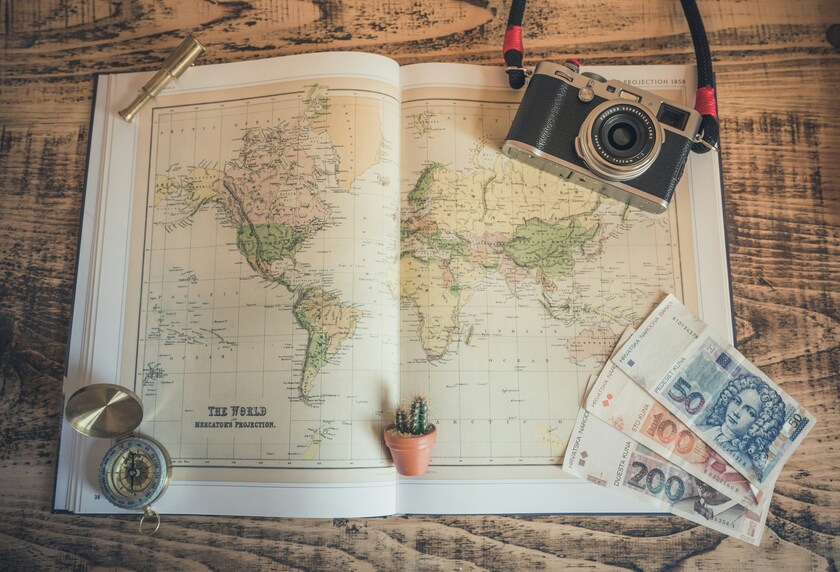
Cash and bank cards are two extremely important items that you need to bring on any trip.
Electronic devices
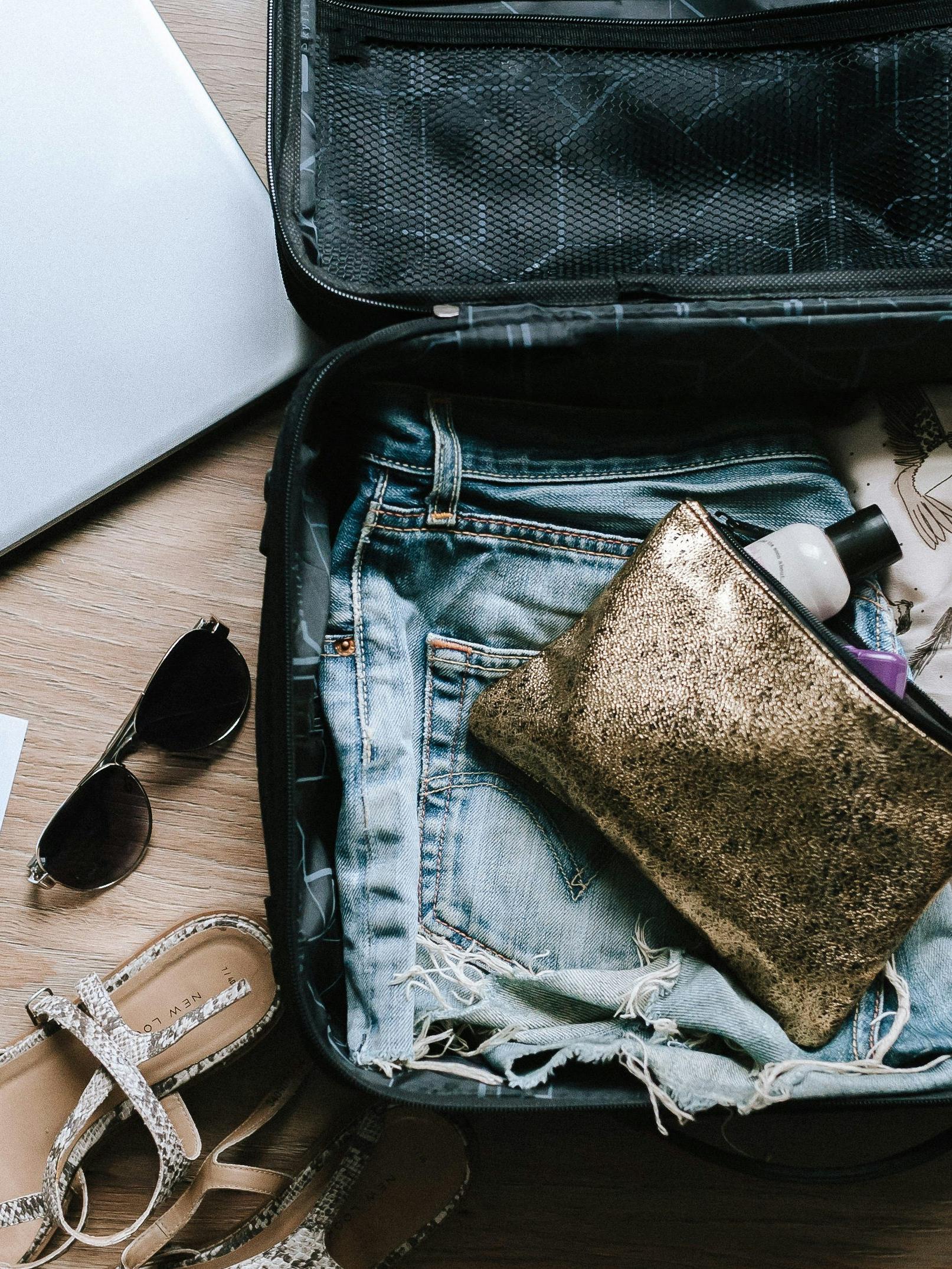
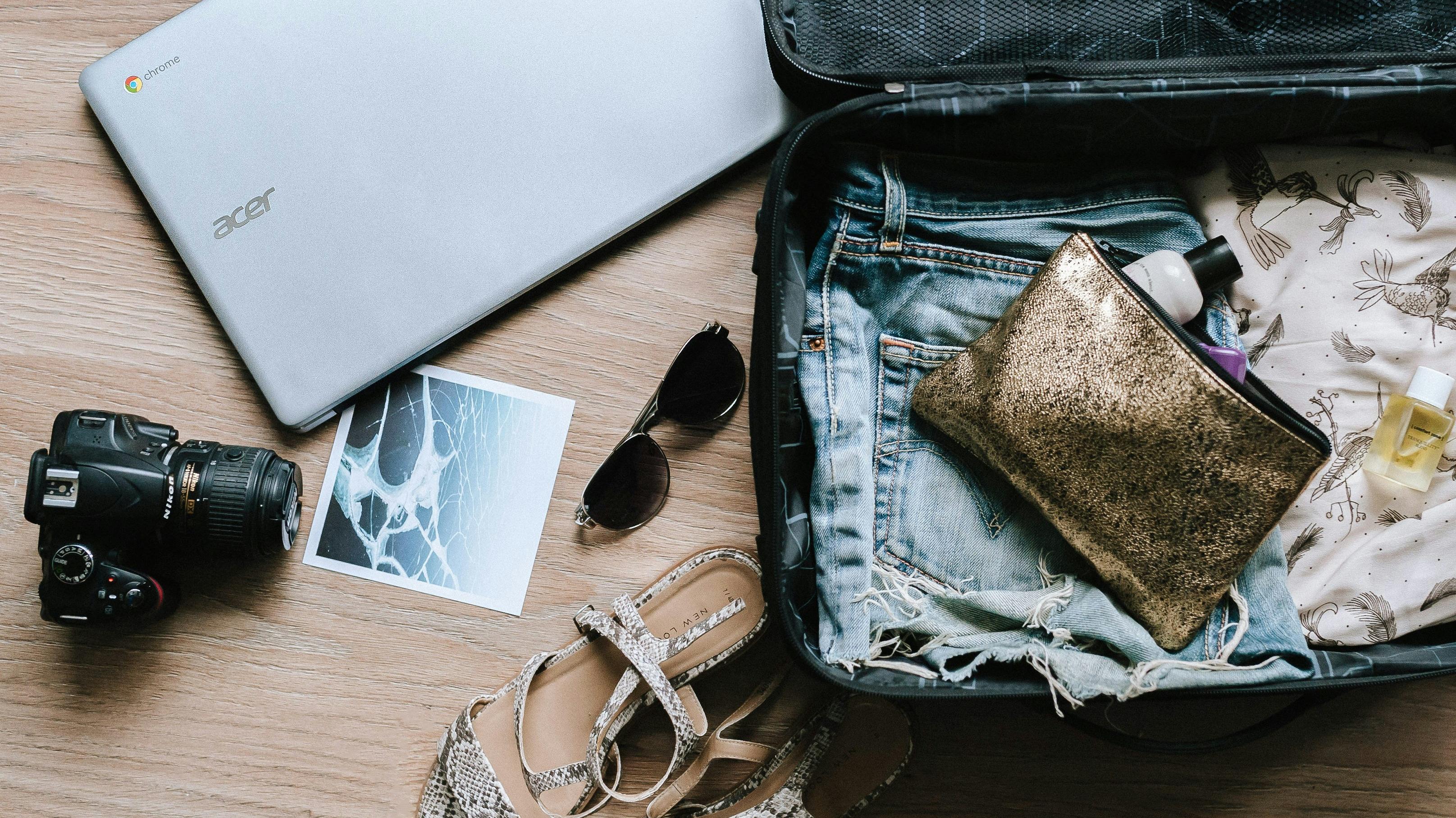
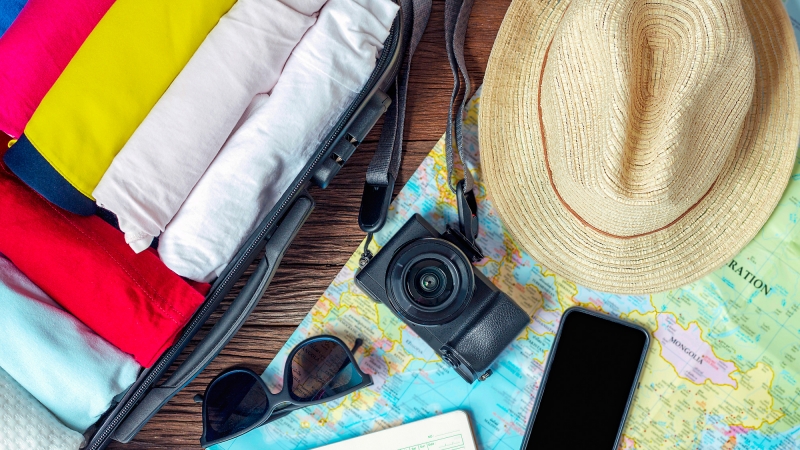
To ensure all your electronic devices work perfectly throughout your trip, you need to prepare chargers, power banks, camera chargers, batteries, etc., suitable for all the devices you bring. Prioritize compact, multi-functional charging accessories to save luggage space. Additionally, fully charge all your devices before departure so you can use them immediately when needed.

You should always keep your charging cables and batteries in your carry-on luggage so you can easily access and use them when needed. Avoid putting electronic devices such as phones, tablets, and laptops in checked baggage due to the risk of fire and explosion. Additionally, turn off or switch to airplane mode when not in use to save battery power.

Ensure all electronic devices are working properly throughout your trip.
In addition, you should bring a universal adapter if you're traveling abroad. And take advantage of free charging sources at airports, hotels, or public places.
Medicines and medical equipment
To ensure your health and the health of your family throughout your trip, remember to bring basic medications such as anti-diarrheal medicine, anti-nausea medicine, digestive enzymes, pain relievers and fever reducers, pain relief balm, mosquito repellent, etc.
In addition, some simple medical supplies such as bandages, cotton swabs, antiseptic... for first aid of open wounds, and antiseptic solution/hydrogen peroxide to disinfect wounds and prevent infection are also extremely important items for a trip.

To ensure your health and the health of your family throughout your trip, remember to bring basic medications and simple first-aid supplies.
In addition, you should keep all medications and medical supplies in an easily accessible place in your luggage so you can use them quickly when needed. You should consult your doctor before using any medication, especially for children or people with underlying health conditions.
Snacks
According to many experienced travelers, preparing some snacks before each trip is a secret to effectively satisfying cravings, especially when you have to travel by vehicle for a long time.
When traveling by train, bus, or plane, sitting for hours on end can make you feel peckish and crave something to snack on. Bringing along snacks will help satisfy your cravings and maintain your energy throughout the journey.
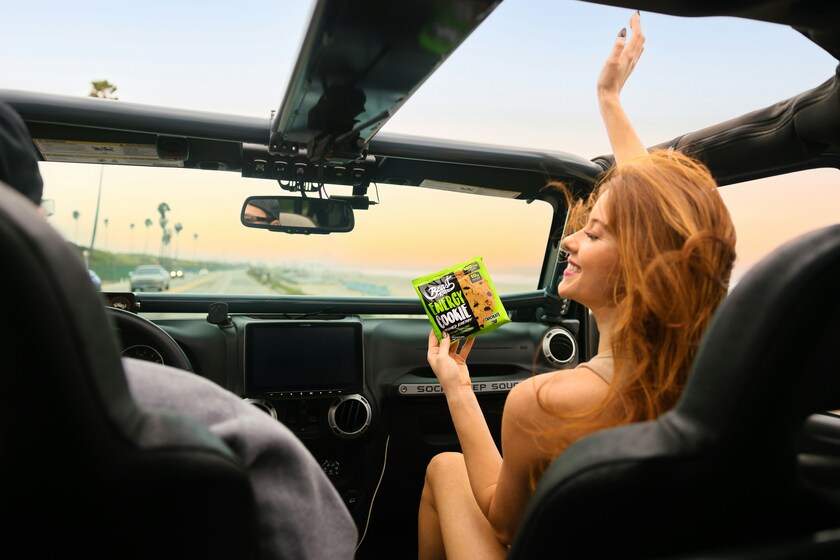
According to many experienced travelers, preparing some snacks before each trip is a secret to effectively satisfying cravings.
Instead of buying expensive snacks at shops in train stations, bus terminals, or airports, you can prepare your favorite snacks yourself at a more affordable price. Preparing your own snacks allows you to control the origin of your food and ensures food safety and hygiene, reducing the risk of digestive illnesses.