
 VI
VI


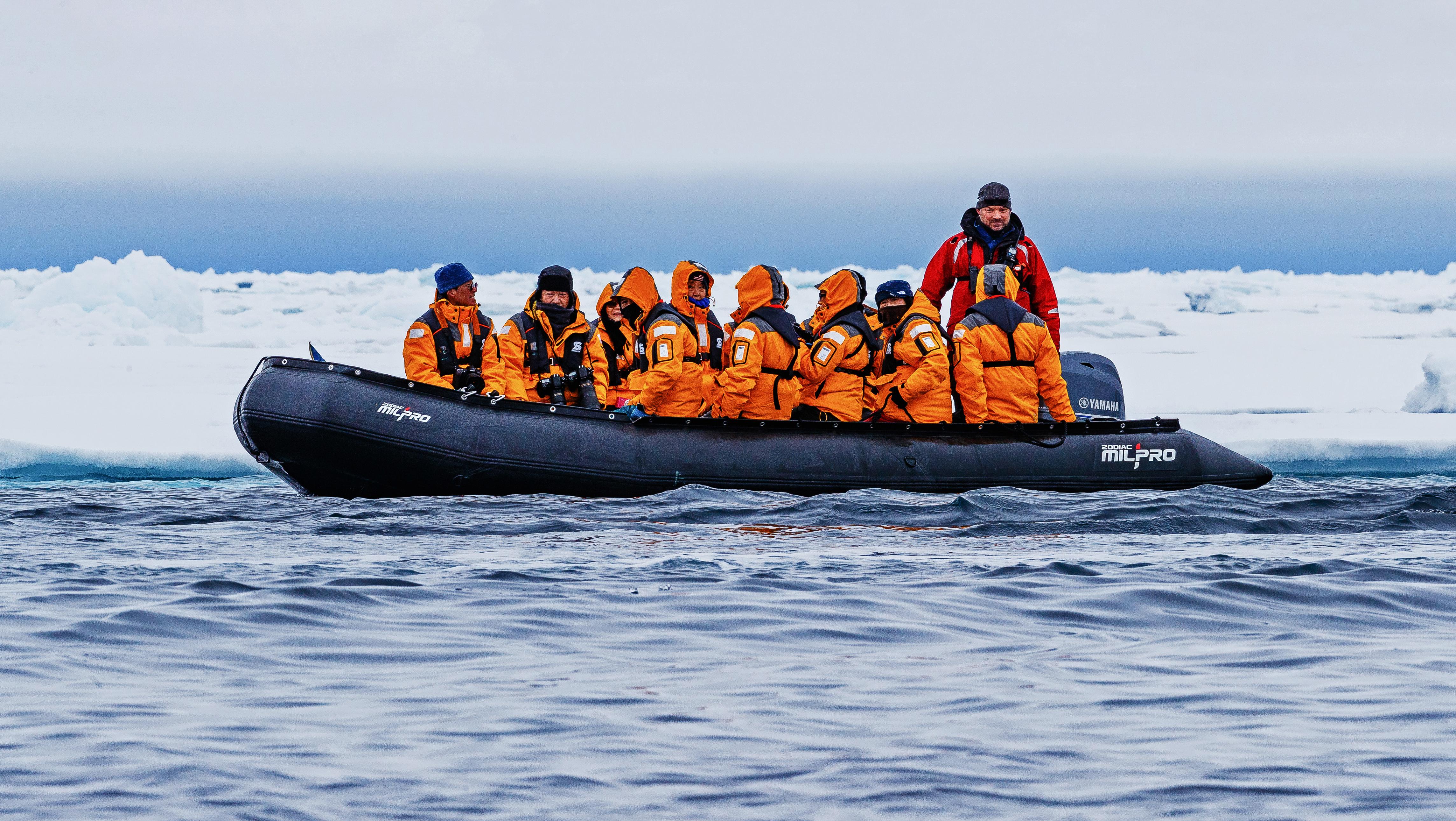
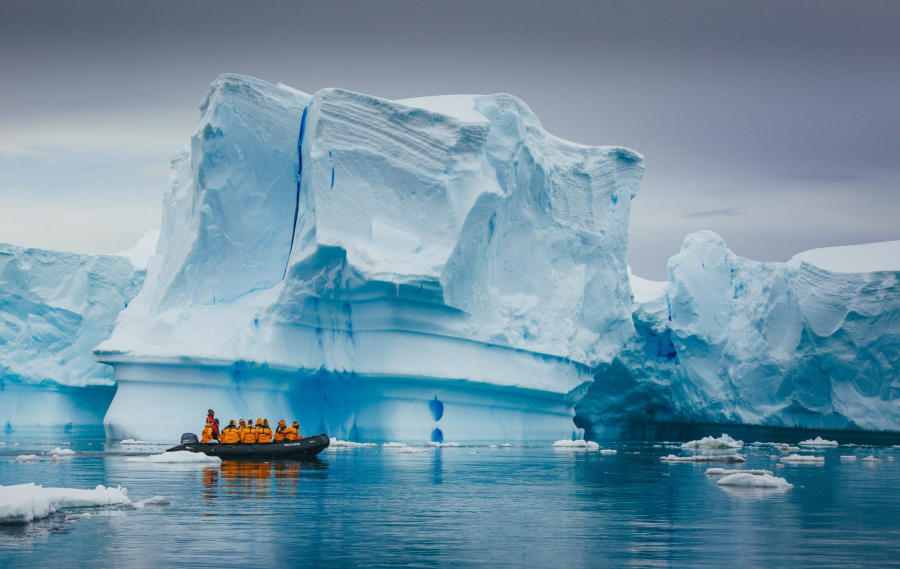
Spitsbergen Island is bordered by the Arctic Ocean, the Norwegian Sea, and the Greenland Sea. Spanning an area of 39,044 square kilometers, Spitsbergen is home to a diverse population of polar bears, whales, walruses, and other marine life, attracting many tourists seeking exploration.
Watching polar bears
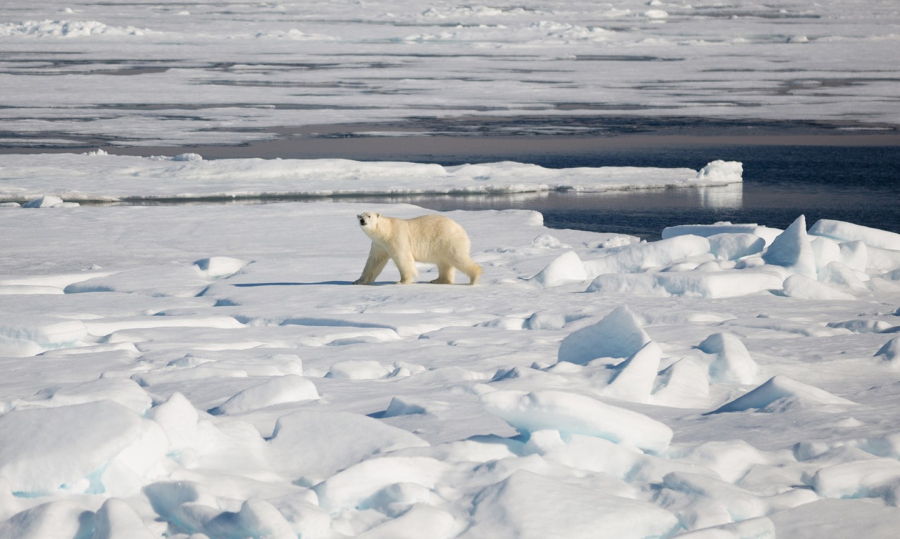
The Svalbard archipelago in general, and Spitsbergen Island in particular, are considered the polar bear capital. In fact, the polar bear population here exceeds the human population (approximately 3,000 bears compared to about 2,100 residents). It would be wonderful for tourists to explore this area on an icebreaker, observing polar bears in prime locations, even in remote spots like Phippsoya and Isbukta. For a safe and enjoyable experience, it's crucial to choose a suitable expedition company. One company with a highly skilled navigation team that tourists can consider is Quark Expeditions, headquartered in the USA.
The scenery is stunning.
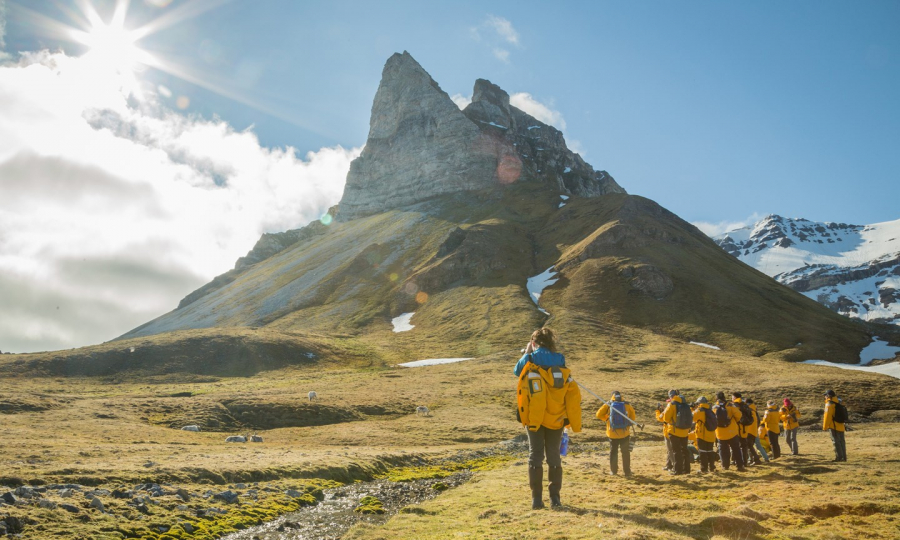
Visiting Spitsbergen, tourists will be able to admire the stunning scenery with its winding mountains and glaciers. If you are a photography enthusiast, the icebergs, towering cliffs, desolate rocky shores, and seabirds of Spitsbergen will inspire you to create amazing works of art. You can see these magnificent scenes on television through programs like Blue Planet, Frozen Planet, and Planet Earth… but when you visit Spitsbergen, the scenery is even more spectacular.
Seabirds
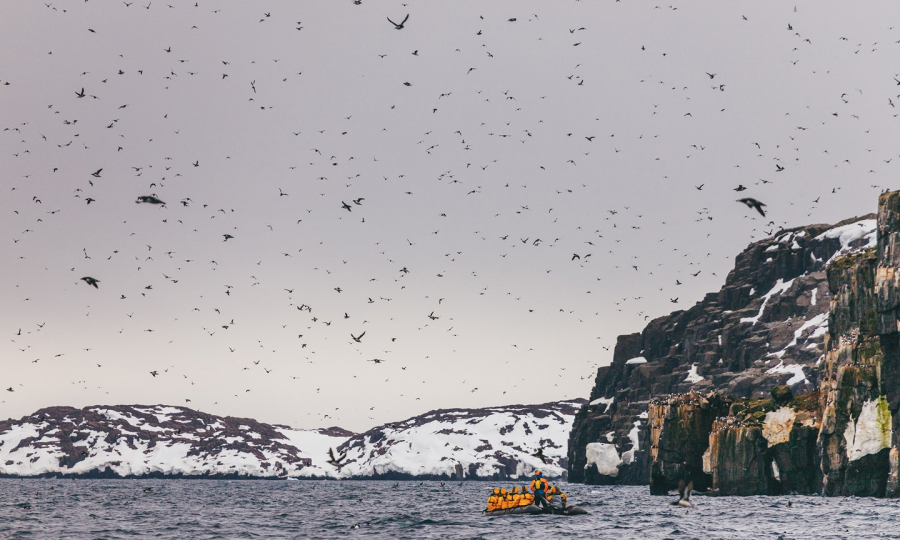
Often, when exploring Spitsbergen or the Arctic, tourists think of polar bears. However, upon arriving at this majestic location, you'll quickly realize that there are many other wildlife species worth discovering, including birds. The breeding season for cliff birds is most active around the end of June, with millions of birds of various species. In addition, several species of geese, gulls, Eider ducks, Arctic terns, and crocodiles also breed in Spitsbergen. Watching seabirds from the deck of a boat or taking guided walks along the coast are unforgettable experiences for visitors to Spitsbergen.

Whales and walruses
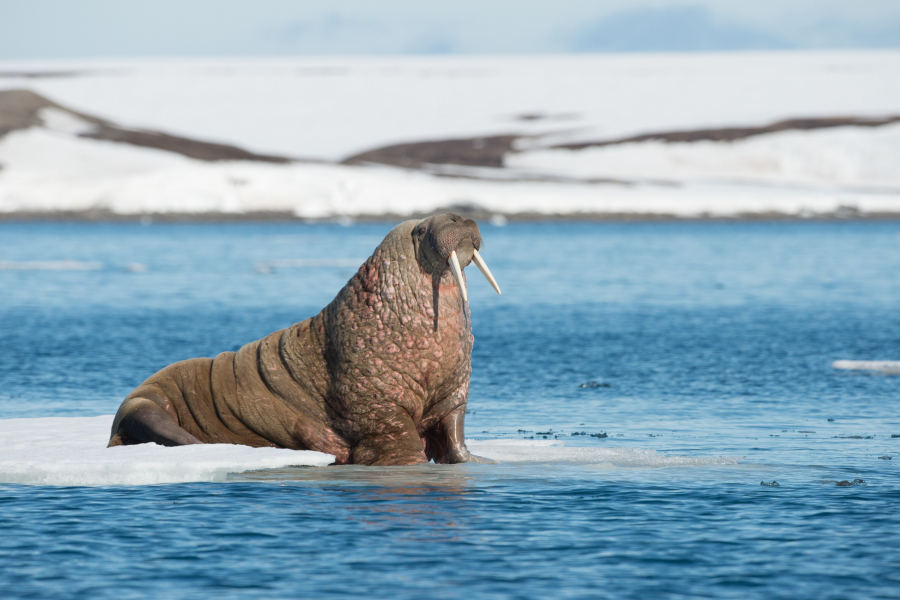
Along with polar bears and seabirds, whales and walruses are also fascinating attractions for tourists on expeditions along the Spitsbergen coast. It's wonderful to witness whales surfing, basking in the sun, or even at midnight. You might also spot bearded seals lying on the ice, perfect for taking memorable photos.
Arctic foxes and reindeer
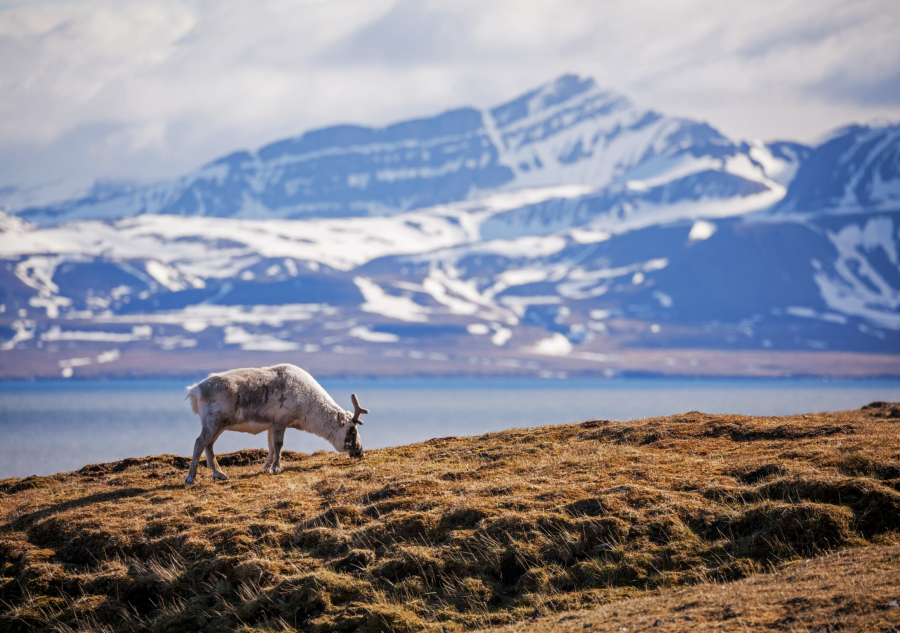
Adding to the animal population of Spitsbergen are the Arctic fox and the Svalbard reindeer. The inhabitants of the Svalbard archipelago (around 10,000 people) often see Svalbard reindeer roaming around the town of Longyearbyen.
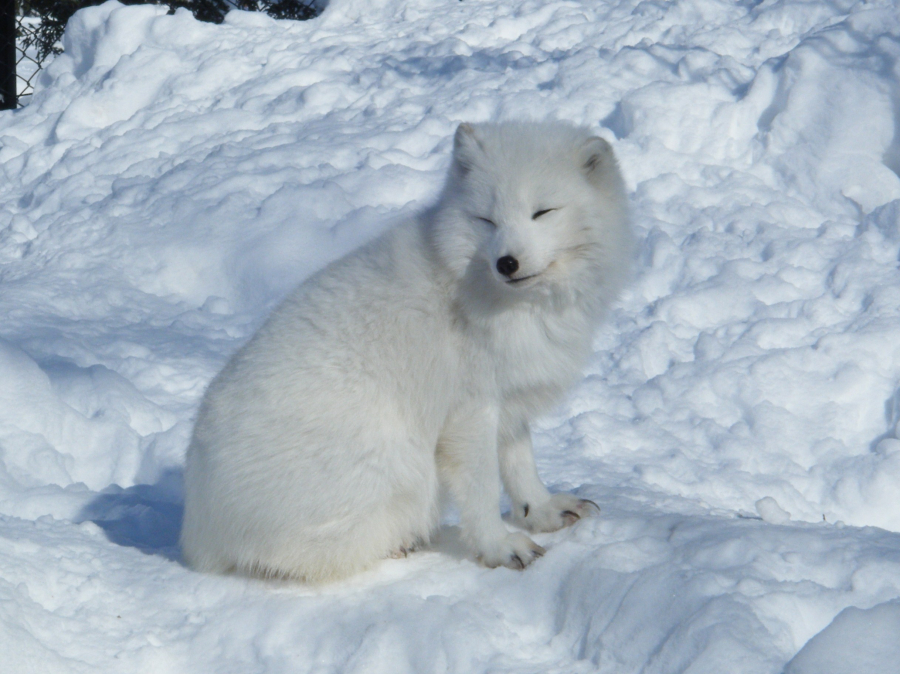
In contrast, Arctic foxes are cunning and generally avoid humans. However, the natural guides on expedition ships to Spitsbergen are experienced and skilled at spotting them. In the summer, Arctic foxes are often lured to the cliffs where birds nest and lay their eggs so they can hunt for prey. That is when visitors can see Arctic foxes.
The feeling of discovery
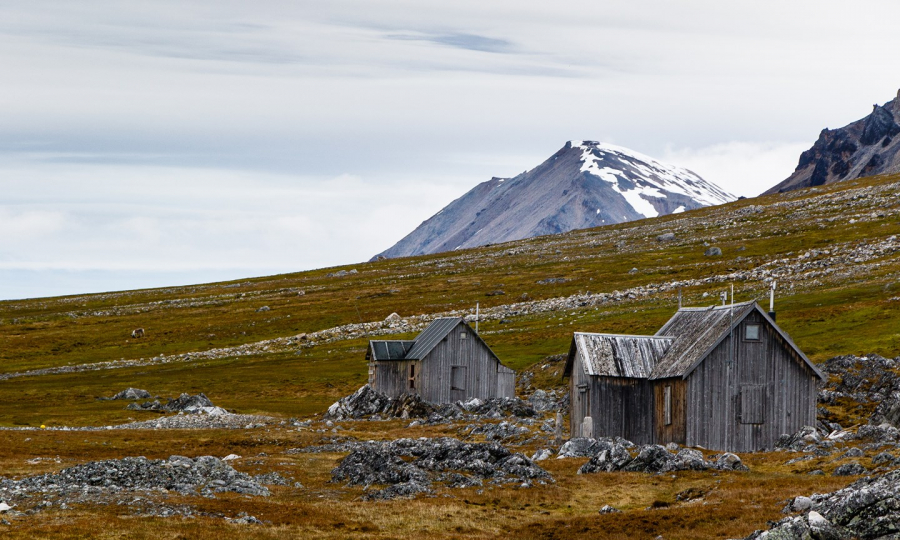
On your expedition to Spitsbergen, you should learn about the island's history. The Dutch navigator Willem Barentsz discovered the Svalbard archipelago in 1596. In 1926, Roald Amundsen became the first person to reach the Arctic by hot air balloon. He began this expedition from Ny-Alesund, a former mining area northwest of Spitsbergen and now an Arctic research station. The places you will experience in Spitsbergen are very special, not everyone has the opportunity to visit. Therefore, the feeling of visiting Spitsbergen is very different from other places you may have been to. It's a truly amazing feeling of adventure and discovery!
Watching the midnight sun
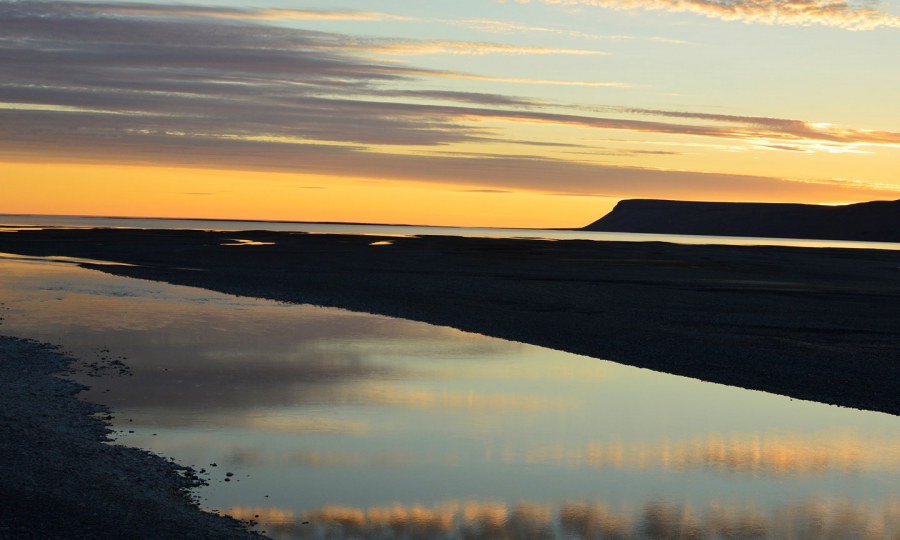
After four months of gloom, the sun returns to Svalbard in April. And during this period (lasting until June), the sun never sets. Visitors to Spitsbergen at this time will witness the midnight sun. They will have more time to observe and photograph the wildlife. Birds nest, and whales feed closer to shore as the ice melts. The entire Spitsbergen landscape comes alive with shades of purple, white, and yellow from the Arctic flowers. It will leave visitors breathless!






.jpg.jpg)


.jpg.jpg)



.jpg.jpg)






