VI
VI


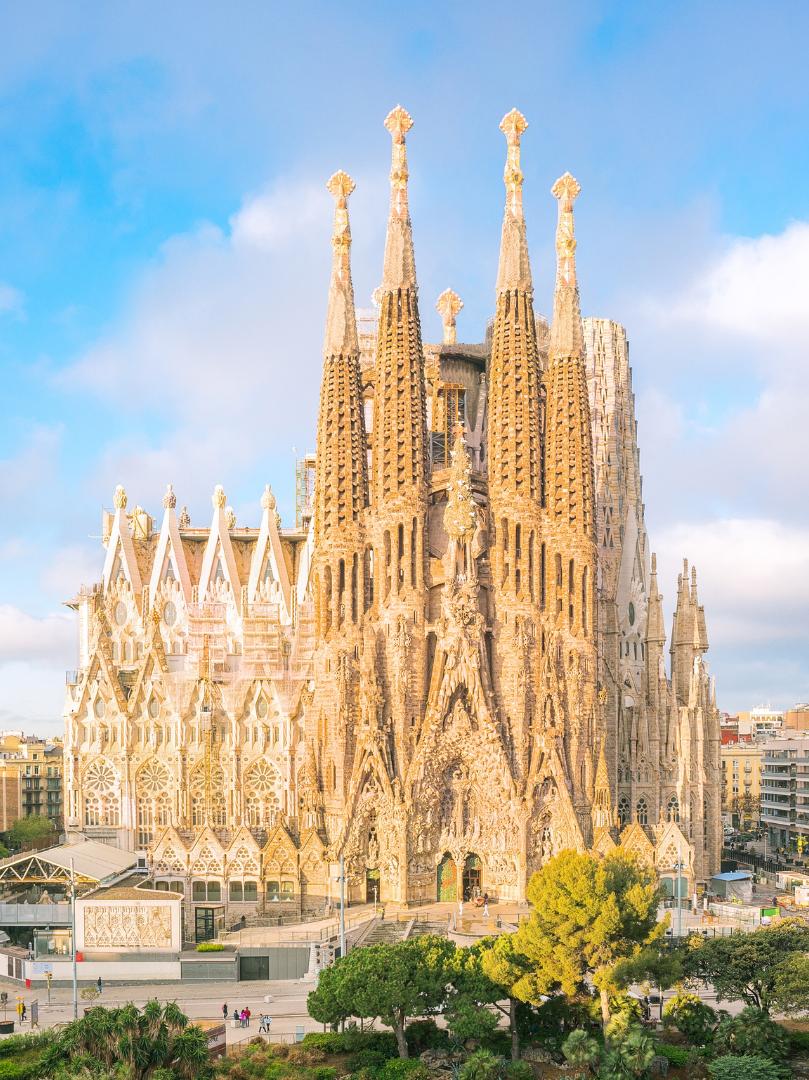
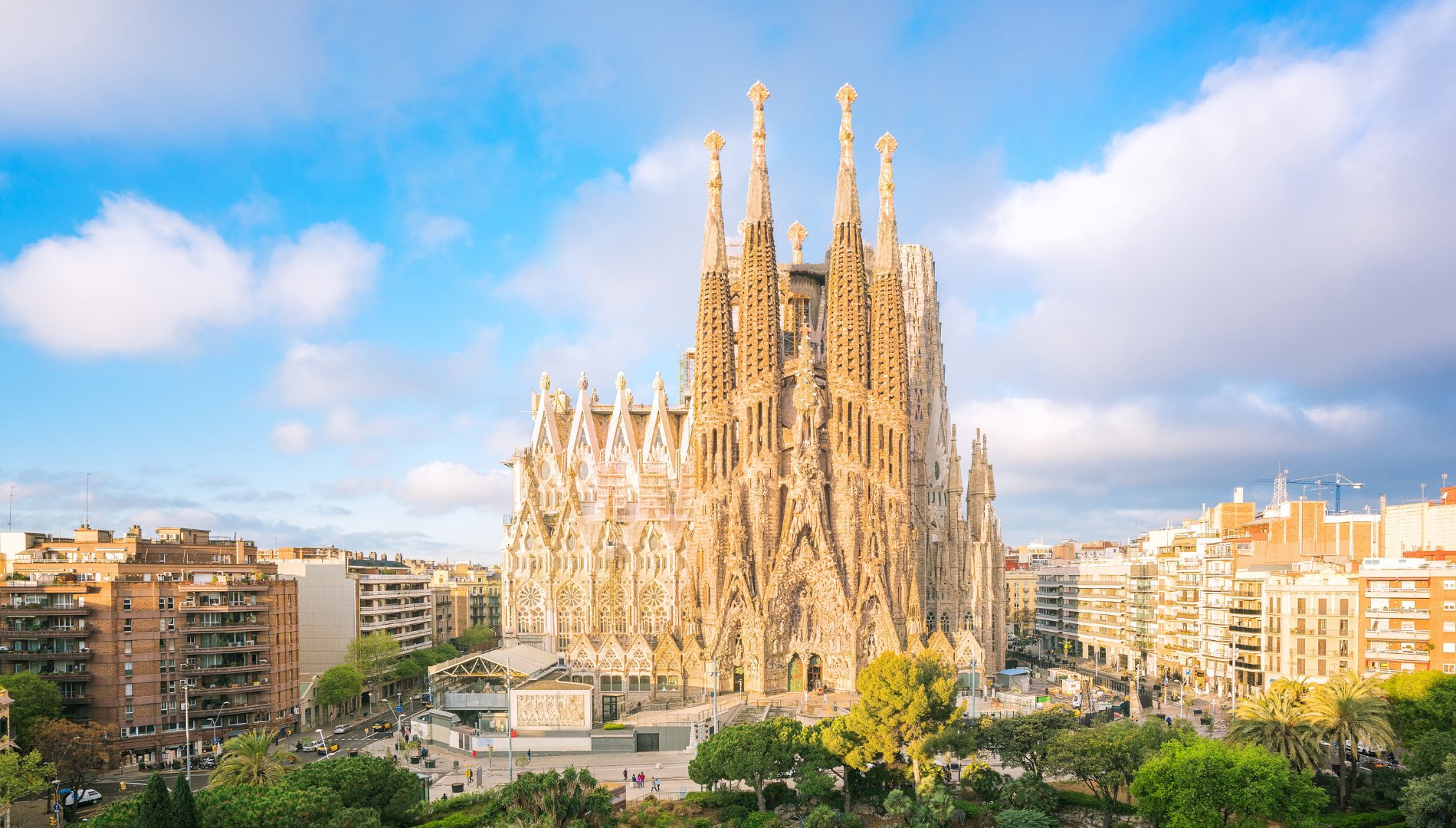
Recently, the authorities of Barcelona, Spain's top holiday destination, announced that they will ban the practice of renting apartments to tourists by 2028.


This is a surprisingly drastic move as local authorities seek to curb soaring housing costs and make the city a more livable place. Mayor Jaume Collboni announced that by November 2028, Barcelona will revoke the permits for 10,101 apartments currently approved for short-term rentals.
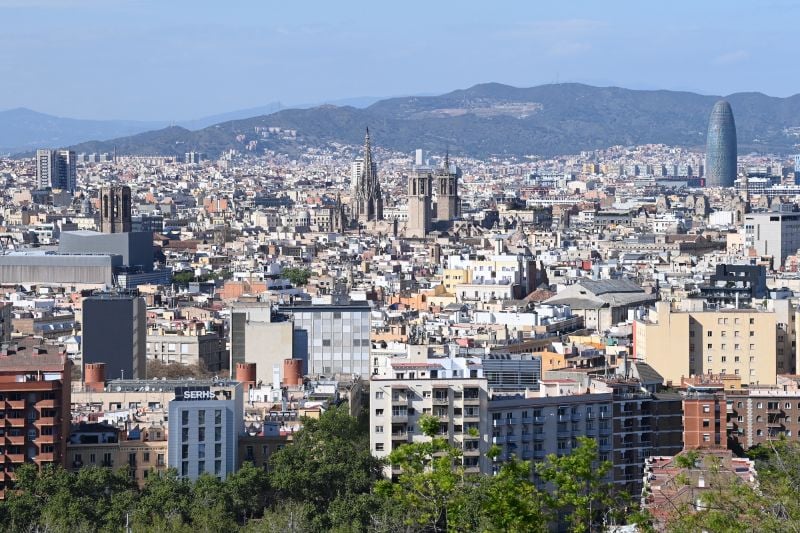
The city of Barcelona is becoming overcrowded with apartments, hotels, and guesthouses.
Under the new regulations, permits for short-term tourist apartment rentals will expire in 2028 and will not be renewed. Approximately 10,000 apartments currently used for short-term tourist rentals will be converted into housing for local residents. The city government will impose penalties on landlords who violate the new regulations.

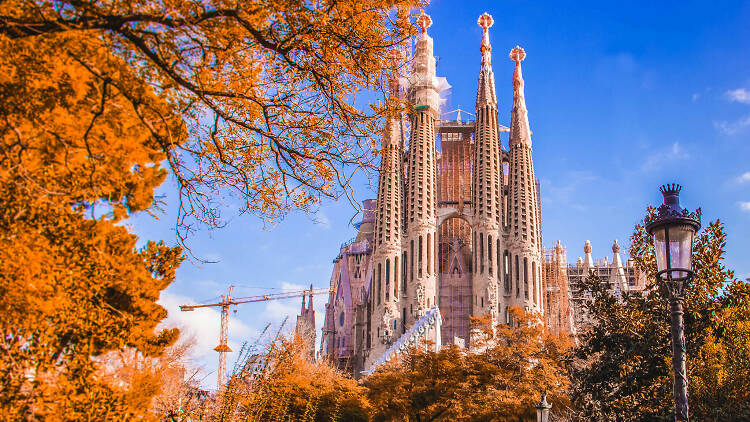
Boasting many beautiful sights, this city is so crowded with tourists that it's become overloaded.
The boom in short-term rentals in Barcelona has left some residents unable to afford an apartment after rents rose 68% over the past 10 years and home purchase costs increased by 38%. Consequently, access to housing has become a major source of inequality, particularly for young people.
Governments around the world enjoy the economic benefits of tourism (Spain is among the top three most visited countries globally), but with locals paying the price in some places, urbanization and owners' prioritization of lucrative tourist rentals are becoming increasingly hot topics across Europe.
Spain is among the top three most visited countries in the world – but urbanization and owners' preference for lucrative tourist rentals are becoming an increasingly hot topic across Europe.
Local authorities have announced restrictions on short-term tourist rentals in places like Spain's Canary Islands, Lisbon (Portugal), and Berlin (Germany) over the past decade.