VI
VI


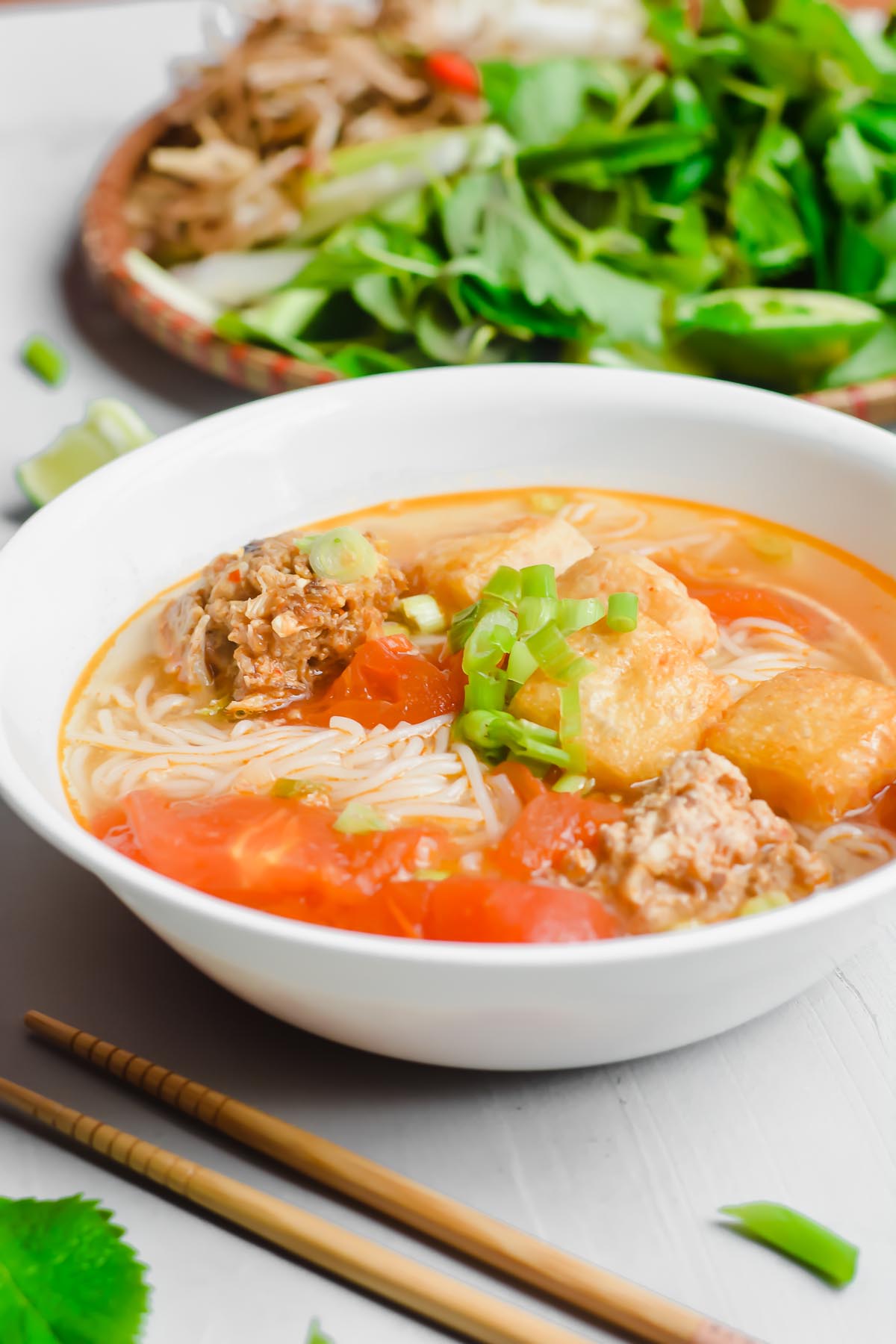
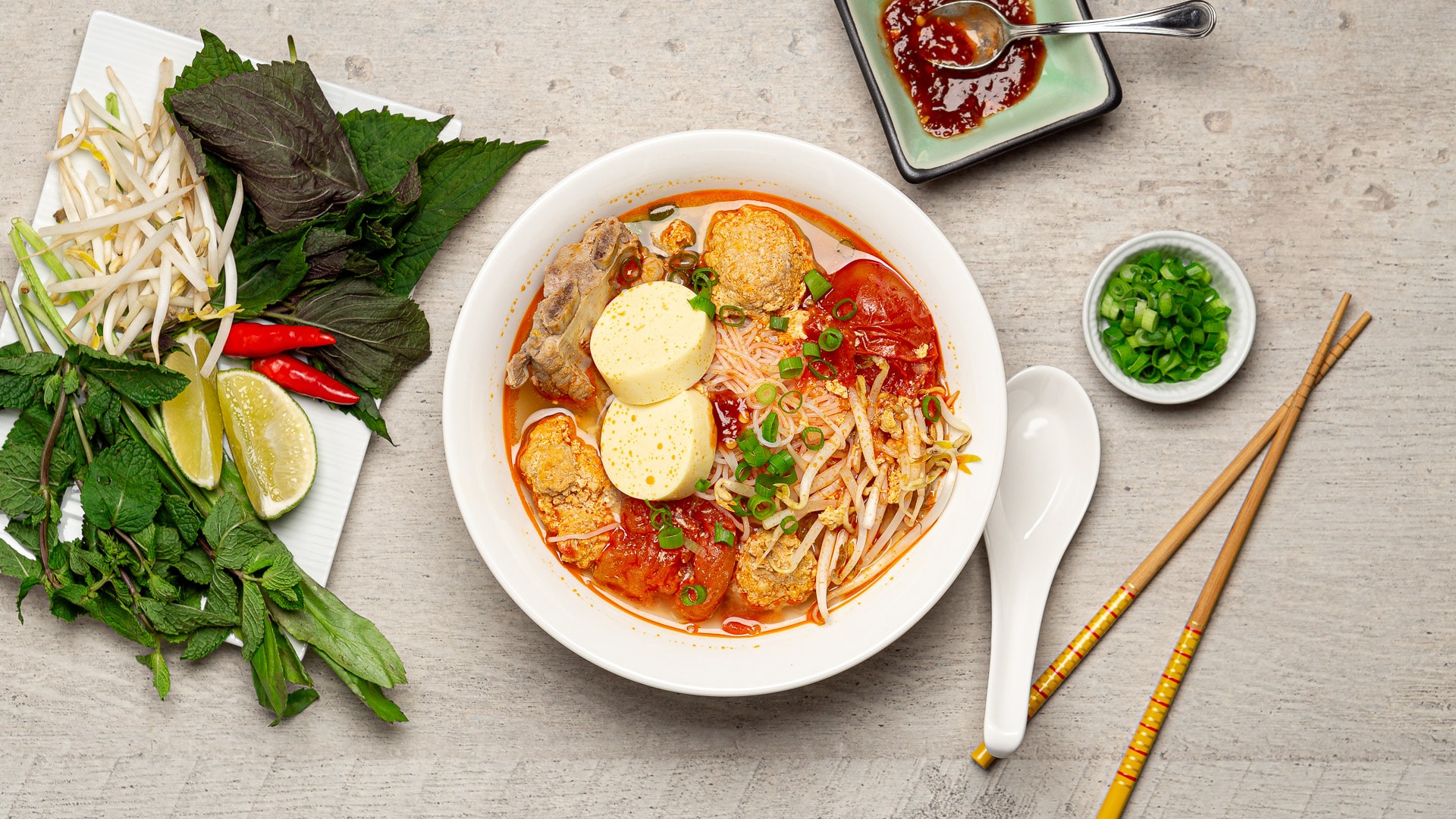
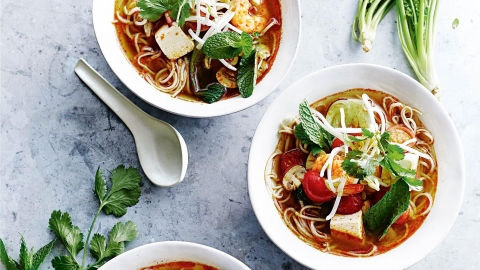
Commenting on Vietnamese bun rieu, CNN noted that this dish is more popular than many other noodle dishes because the rice noodles are easy to eat and have a light aroma. A visually appealing bowl of bun rieu, filled with crab roe, snails, fried tofu, tomatoes, beef, pork ear sausage, etc., served with fresh vegetables, is sold in many Vietnamese restaurants, from casual to upscale.
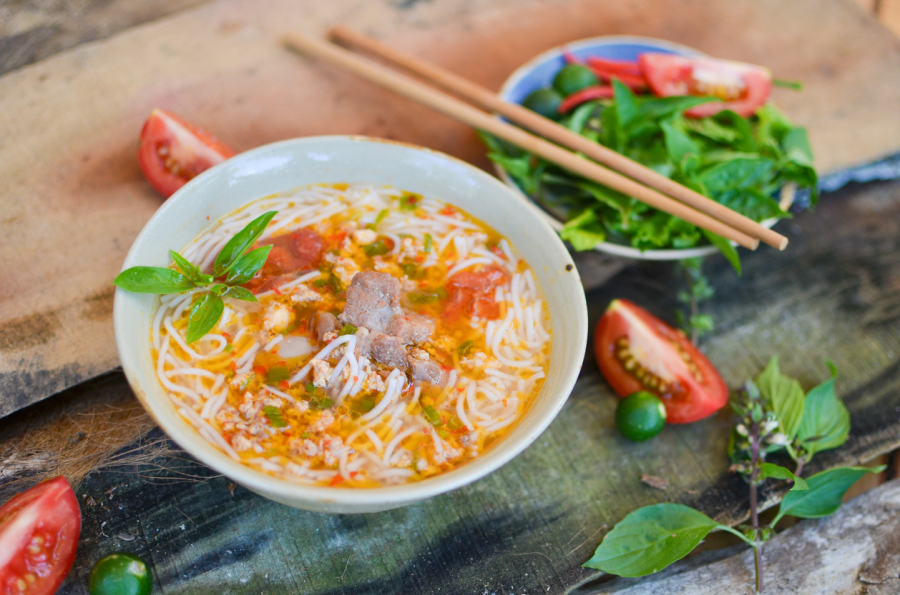
In Vietnam, bun rieu is one of the dishes that leaves a lasting impression on tourists.
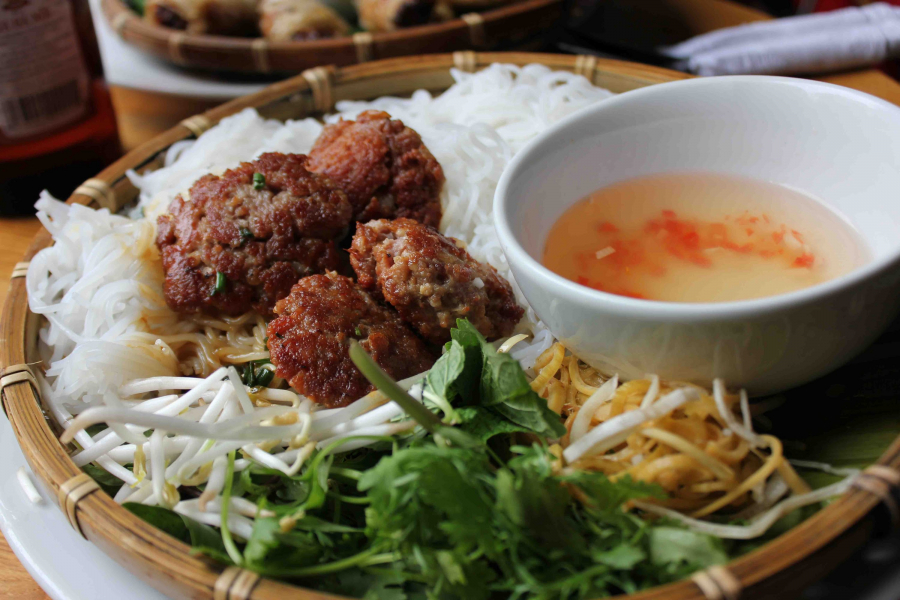
Another noodle dish mentioned by CNN is bun cha, which is typically served cold with grilled pork, herbs, and a dipping sauce made with fish sauce and vinegar, along with fresh vegetables.
Besides bun rieu, tourists visiting Vietnam should also try other dishes.high buildingCao Lau, a dish closely associated with Hoi An, features light yellow, thick, and shorter noodles than regular noodles, served with shrimp, char siu pork, pork cracklings, blanched bean sprouts, roasted peanuts, various fresh vegetables, and a little broth.
"Cao Lau noodles may look simple, but the preparation is very elaborate. After being kneaded into a paste, the noodles are thinly sliced and steamed to give them their unique light yellow color. Many restaurants even require the water used for cooking to be taken from the ancient Ba Le well in Hoi An," CNN described.
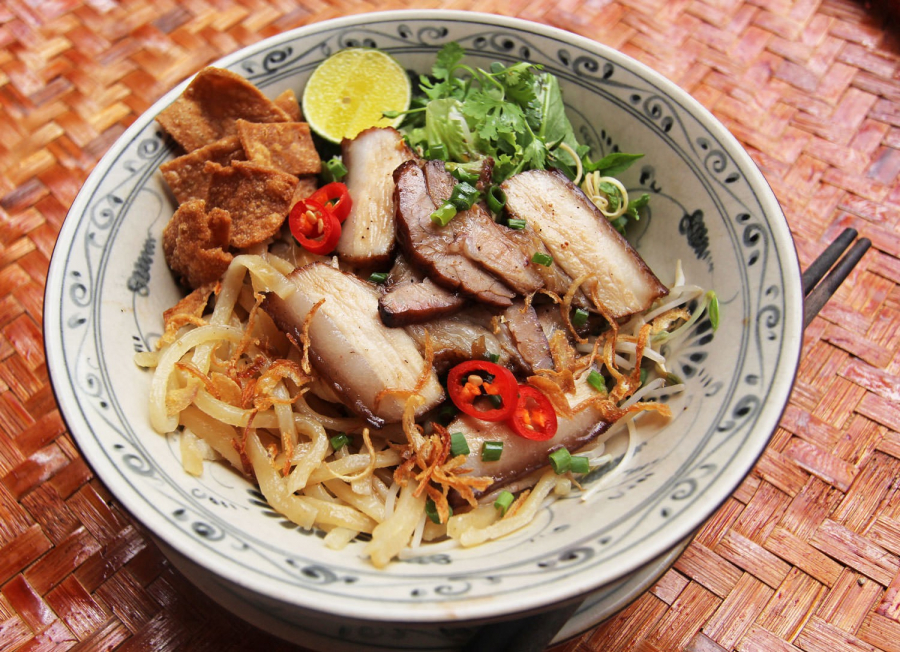
Cao Lau is described as "the culinary icon of Hoi An".
According to many foreign culinary experts, Asian noodles have a unique flavor and are easy to prepare with other ingredients such as meat and vegetables. For those who want a new experience, Asian noodles confidently "outperform" many other dishes around the world.
Included in CNN's list of rice noodles are famous flat noodle dishes like Pad Thai, a traditional and very popular stir-fried noodle dish from Thailand. Pad Thai consists of rice noodles stir-fried with eggs and tofu, along with red chili peppers, tamarind paste, fish sauce, and palm sugar, mixed with crushed roasted peanuts, fresh or dried shrimp, garlic, shallots, etc. Pad Thai captivates diners with its chewy noodles, fragrant shrimp and meat filling, and sweet and sour sauce that creates a harmonious flavor. Tourists can find this dish in night markets and restaurants ranging from casual to upscale.

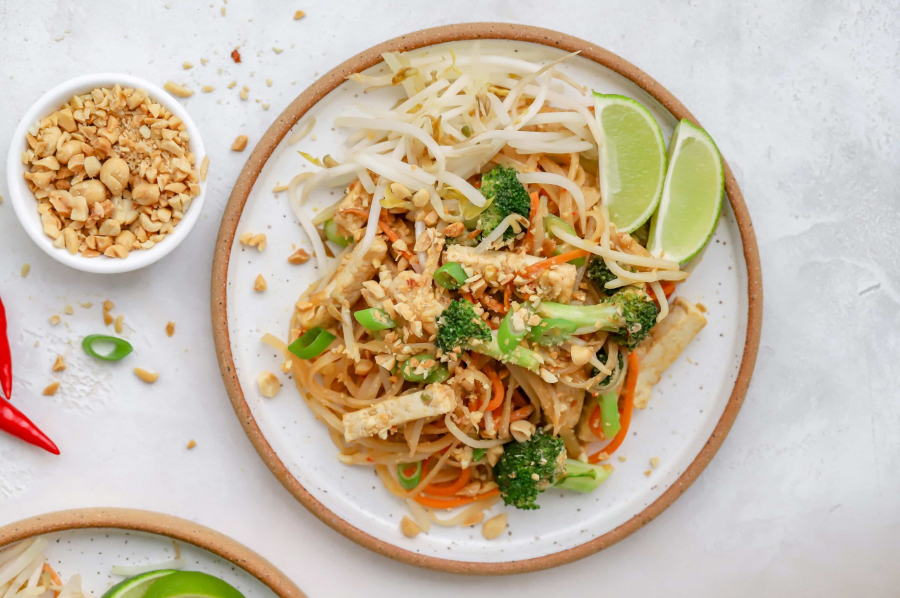
Pad Thai
Malaysia and Singapore also have a signature dish praised by CNN: Char kway teow – spicy stir-fried rice noodles, consisting of flat rice noodles, bean sprouts, onions, eggs, and depending on the location, served with shrimp and thinly sliced Chinese sausage. Typically, chefs stir-fry the rice noodles in a pan over high heat, then mix them with soy sauce and chili sauce.
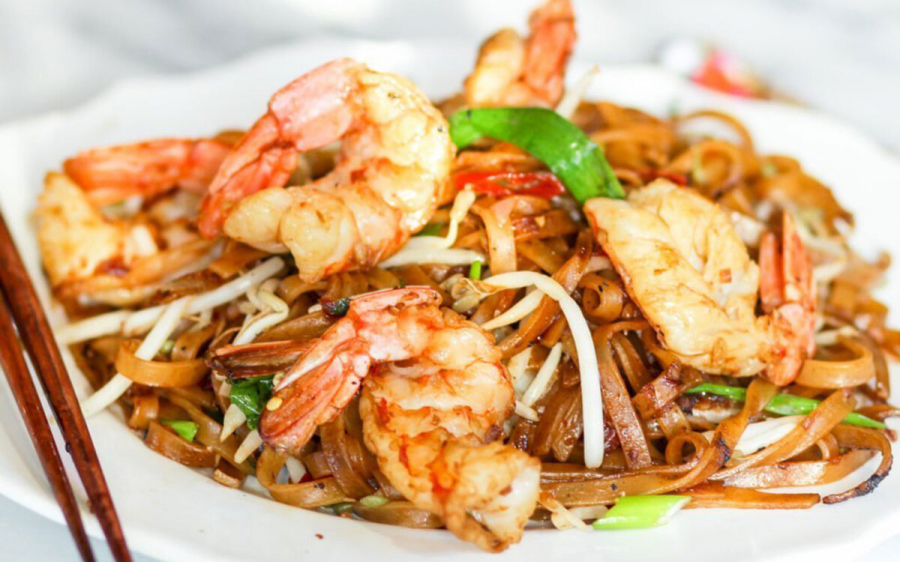
Char kway teow
Speaking of thin rice noodles, besides Vietnamese noodle dishes, Asia also has many other delicious noodle dishes such as Taiwanese rice noodles, Yunnan's cross-bridge noodles, or Malaysian laksa noodles.
Visiting Taiwan without trying rice noodles is like having an incomplete trip. Taiwanese rice noodles are fragrant and delicious. The most popular way to enjoy rice noodles in Taiwan is to stir-fry them with mushrooms, minced pork, chopped carrots, and cabbage.
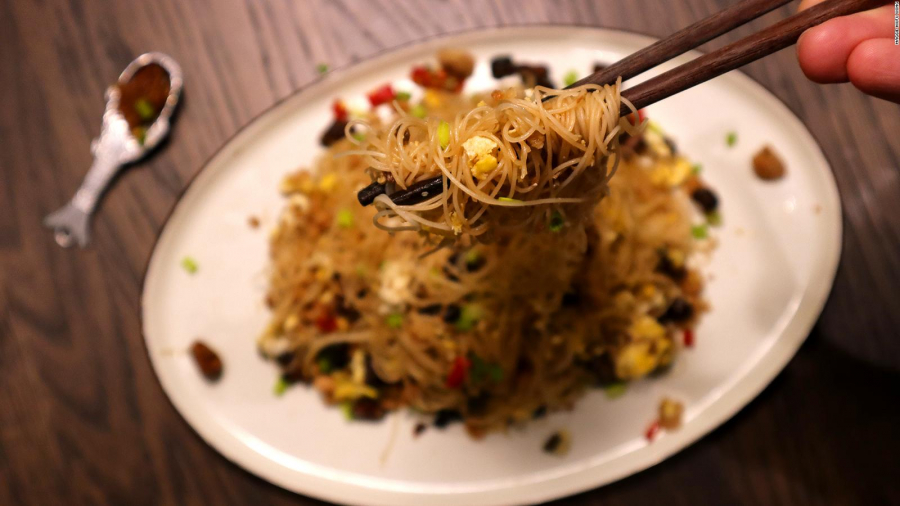
Taiwanese rice noodles
Laksa, on the other hand, is a noodle soup dish originating from the Peranakan people – the Chinese settlers along the Strait of Malacca (Malaysia). The main ingredients include thick rice noodles, tofu, fish cakes, chicken, eggs, shrimp, cockles, bean sprouts, etc. There are four different versions: Curry laksa, with its rich and aromatic curry flavor; Asam laksa, with its sour and spicy taste; Sarawak laksa, with its fishy aroma; and Nyony laksa, with its sweet broth made from simmered bones. Tourists can enjoy this specialty in Singapore, Malaysia, Indonesia, and Thailand.
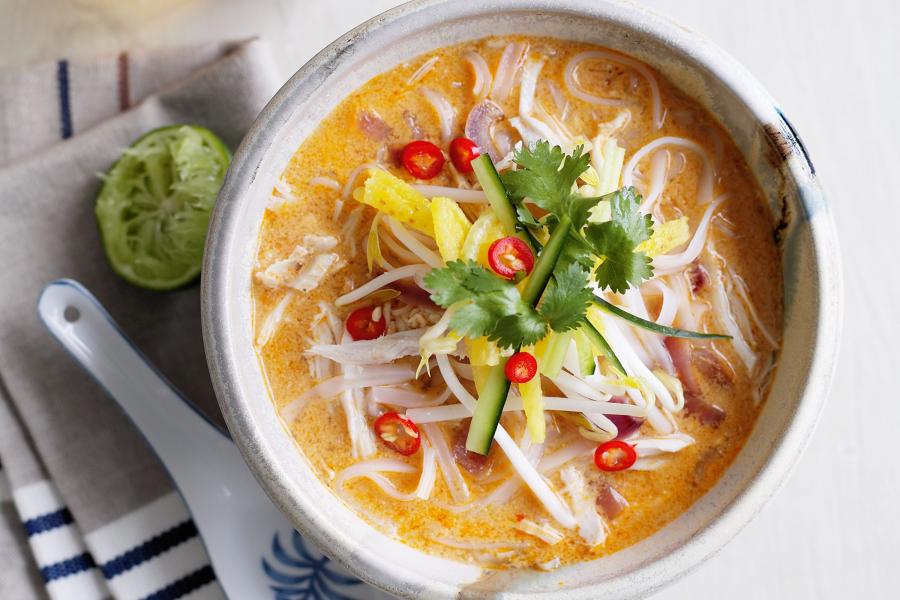
Laksa
"Crossing the Bridge Noodles," also known as "Crossing the Bridge Rice Noodles," is very famous in Yunnan Province. The name "Crossing the Bridge Rice Noodles" originates from an ancient legend. A scholar studied diligently on a small island in the middle of a lake. Every day, his wife brought him food, but the journey from their home to his study was quite long, and they had to cross a bridge to reach the island. By the time he arrived, the food was cold. Out of love for her husband, the wife devised a way to keep the broth warm. She cooked chicken in an earthenware pot until the broth thickened, forming a thick layer of fat to retain heat. The noodles and chicken were served separately in another bowl, added to the broth only when eaten. The husband, delighted by the hot noodles, asked his wife what kind of noodles they were. Thinking of the journey she took every day, the wife replied, "Crossing the Bridge Noodles." The tradition of eating "Crossing the Bridge Noodles" with its thick chicken broth, eggs, meat, fish, and various herbs and spices characteristic of Yunnan, has been passed down to this day.
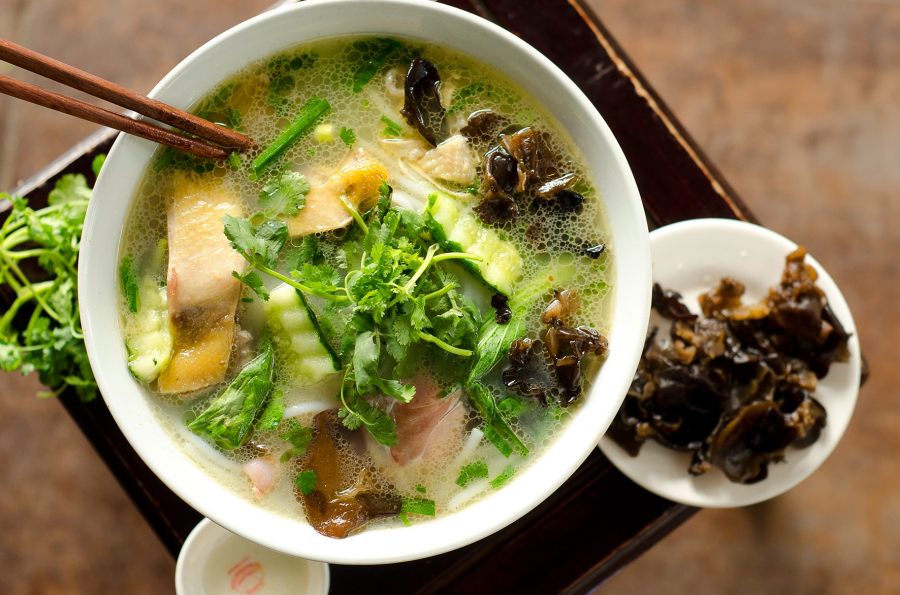
Rice noodles crossing the bridge in Yunnan
Idiyappam is a popular dish in Sri Lanka and southern India. At first glance, idiyappam looks similar to Vietnamese rice noodles, but differs in flavor. Made from flour mixed with coconut milk, it has a rich, fragrant taste, and the noodles are chewy and smooth. People often eat idiyappam with various sauces or with curries made from potatoes, eggs, fish, meat, etc.
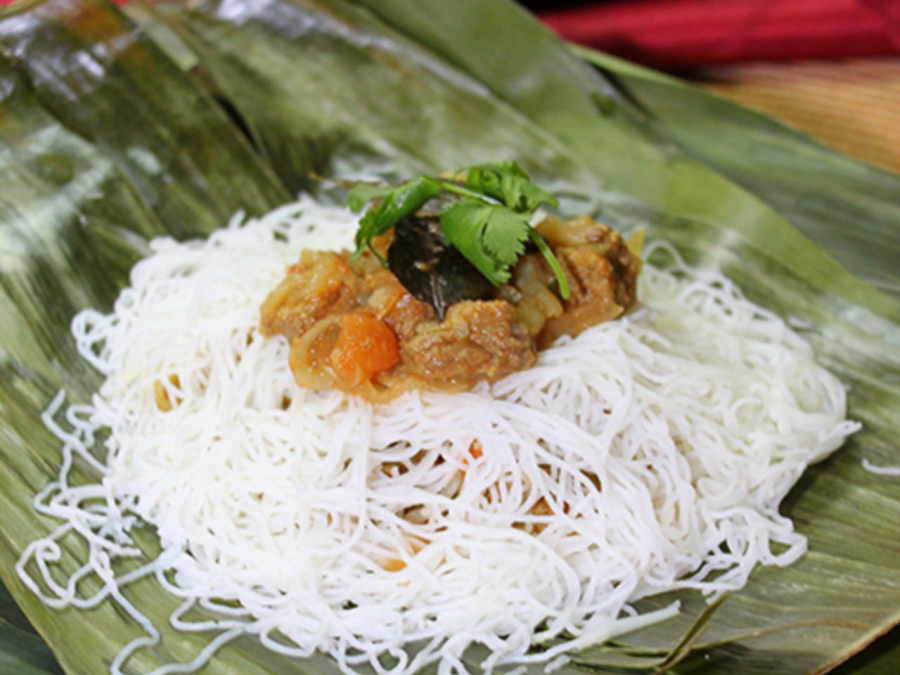
Idiyappam is eaten with beef curry.
CNN also featured wheat-based noodles such as Sichuan dan dan noodles, Shanghai scallion noodles, Shanxi razor noodles, somen cold noodles, Japanese ramen and udon noodles, and Korean Janchi-Guksu noodles. Many egg noodle dishes were also listed, including Cantonese bamboo stick noodles, Siamese noodles, efu noodles, and Chow mein stir-fried noodles. Additionally, the list included soba noodles and naengmyeon cold noodles made from buckwheat, and various types of vermicelli made from sweet potato starch, arrowroot starch, mung bean starch, or tapioca starch.