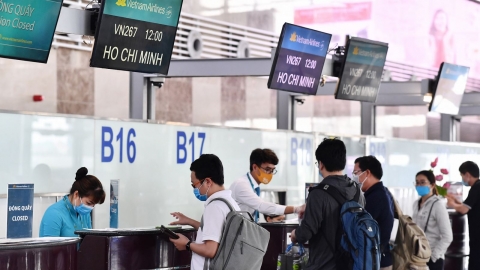
VI
VI


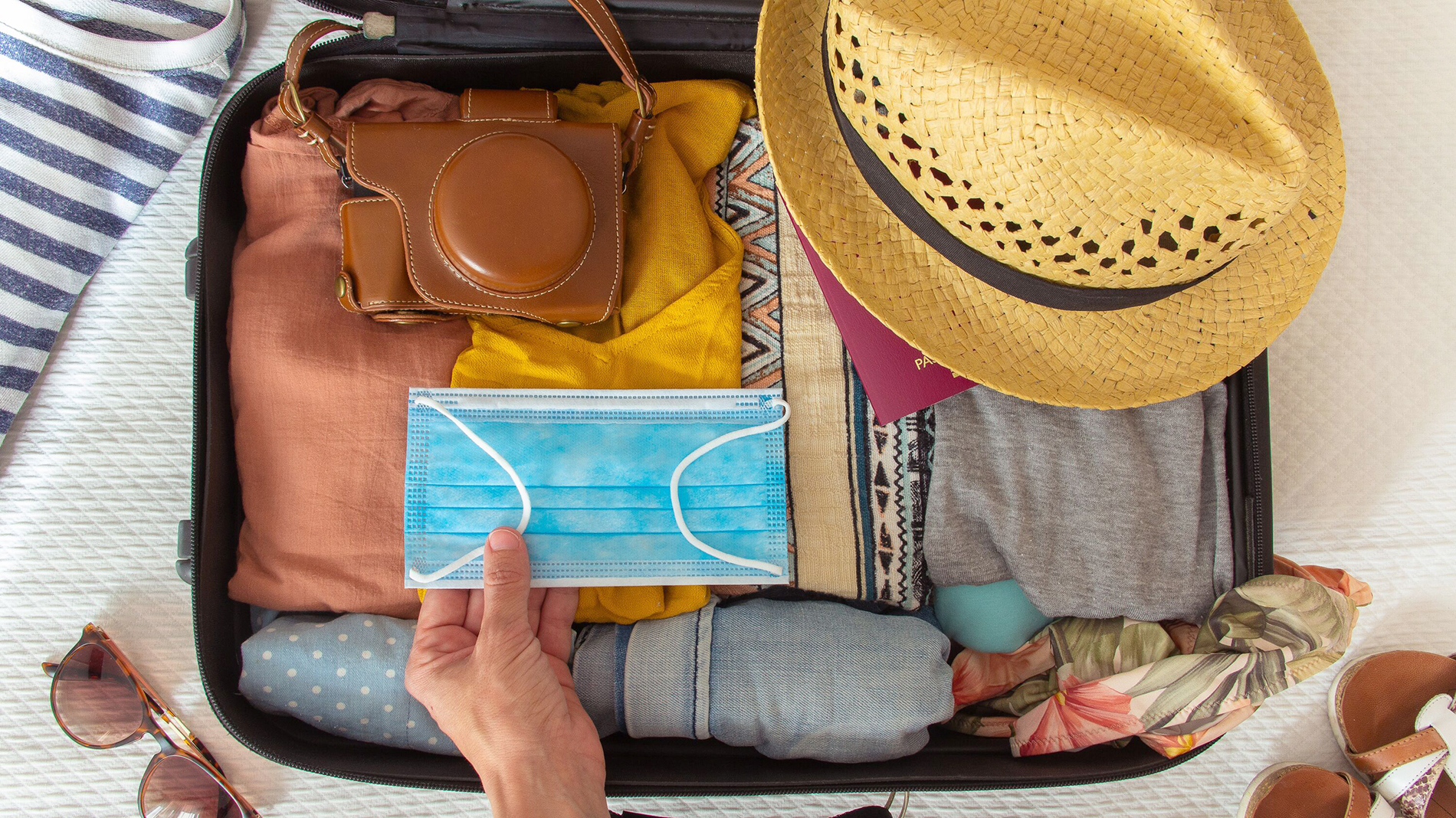
Find out and update information.
1. More and more travel opportunities are opening up worldwide for fully vaccinated individuals, with the typical requirement being 14 days since the second dose. However, not all vaccines are the same. Carefully check that the type of vaccine you receive—or even its batch number—is accepted in your destination.
2. Carefully check entry or transit restrictions at all destinations and stay updated until you are certain you can board that flight. If you plan to explore an entire country, remember that different regions may have their own specific regulations.
3. Even if you're allowed to travel to another country, life there can still be very different than before. Use Google search to check beforehand which tourist attractions, restaurants, and hotels are open, and where wearing a mask is mandatory.

4. Book flights and accommodations with flexibility, allowing for refunds or changes as needed. And don't forget to purchase the latest travel insurance – some destinations require this before entry.
Budget estimate
1. Are you thinking about holiday deals, zero-fare flights, or hunting for cheap tickets? It seems those things won't be back anytime soon. You should also prepare for or anticipate potential price increases for services such as airfare, car rentals, food, and accommodation.
2. Find out how many Covid-19 tests you need and the cost per test. Also consider the possibility of travel regulations changing mid-trip, requiring you to self-isolate or spend time at a designated hotel.
Prepare your luggage
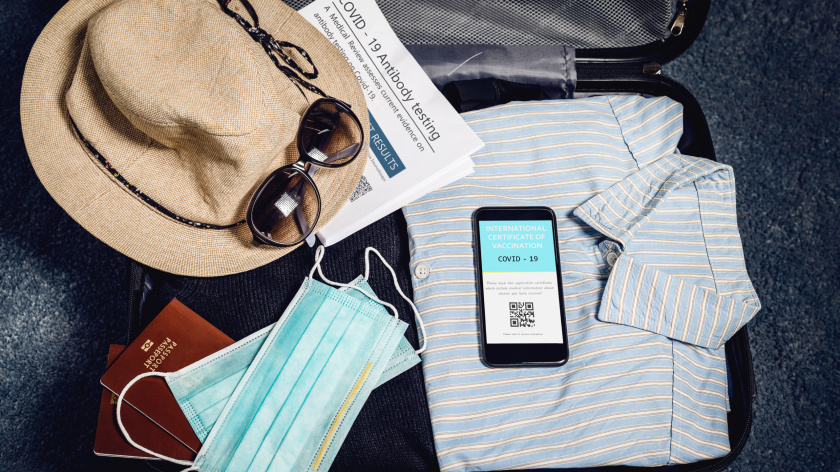
1. Confirm in advance which documents will be required at different stages of your trip, making copies or printing them out as a precaution. Depending on where you are and where you will be going, check travel regulations, download any required or recommended applications, and complete the relevant information within them.

2. Besides the essential items needed for every trip, two things you shouldn't forget are face masks and a small bottle of hand sanitizer/disinfectant.
3. It's possible that some restaurants and shops at the airport may not be open as usual. Therefore, you might have difficulty buying emergency supplies such as toiletries or snacks. If these are essential items for your trip, make sure you have them ready before heading to the airport.
Estimated travel time
If you were a frequent flyer before the pandemic, you probably already estimated the distance and time needed to get there. But don't be complacent; now is the time to reconsider this.
1. If you need to call public transport to get to the airport, transportation options and services may not be as diverse or frequent as before. There may also be a shortage of drivers on ride-hailing apps, so you may have to wait longer or pay higher prices.
2. Upon arrival at the airport, your journey may be delayed due to waiting times for Covid-19 testing and the need to adhere to social distancing measures.
3. Check with your airline for any changes to their flight regulations. For example, the weight limit for carry-on baggage, additional baggage options, etc. If you don't check beforehand, you'll waste extra time dealing with these procedures before departure.
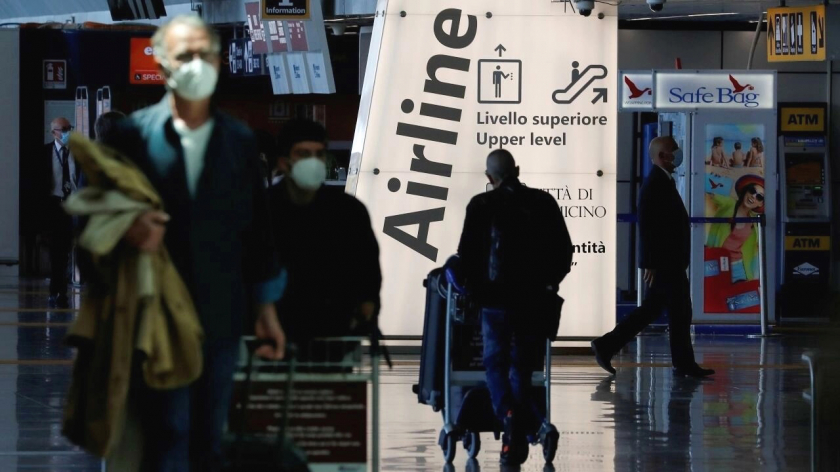
Note: On the plane
1. You will need to wear a mask on the plane, so make sure to choose one that is comfortable for you and still meets the airline's requirements. Disposable masks are the simplest option, allowing you to change them frequently.
2. Not all airlines install partitions between seats to prevent the spread of Covid-19. Therefore, if you need this, check beforehand and consider paying extra for a preferred seat.
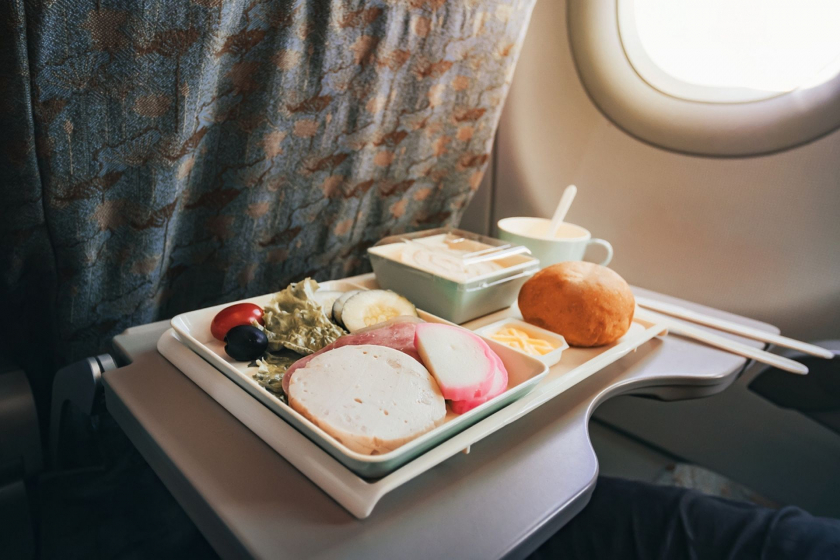
3. In fact, all airlines will scale back their in-flight services, so check what will be available and inform the airline in advance if you need to order meals or have any specific meal requests.
4. Many airlines will only accept contactless payments. Be sure to have your bank card (or mobile payment app) ready for purchases on the plane.
5. Flight attendants will want to minimize passenger movement during the flight, so limit standing up, moving around, stretching, etc. Also, consider bringing a travel pillow or other comfort items to ensure a comfortable and smooth flight.