VI
VI


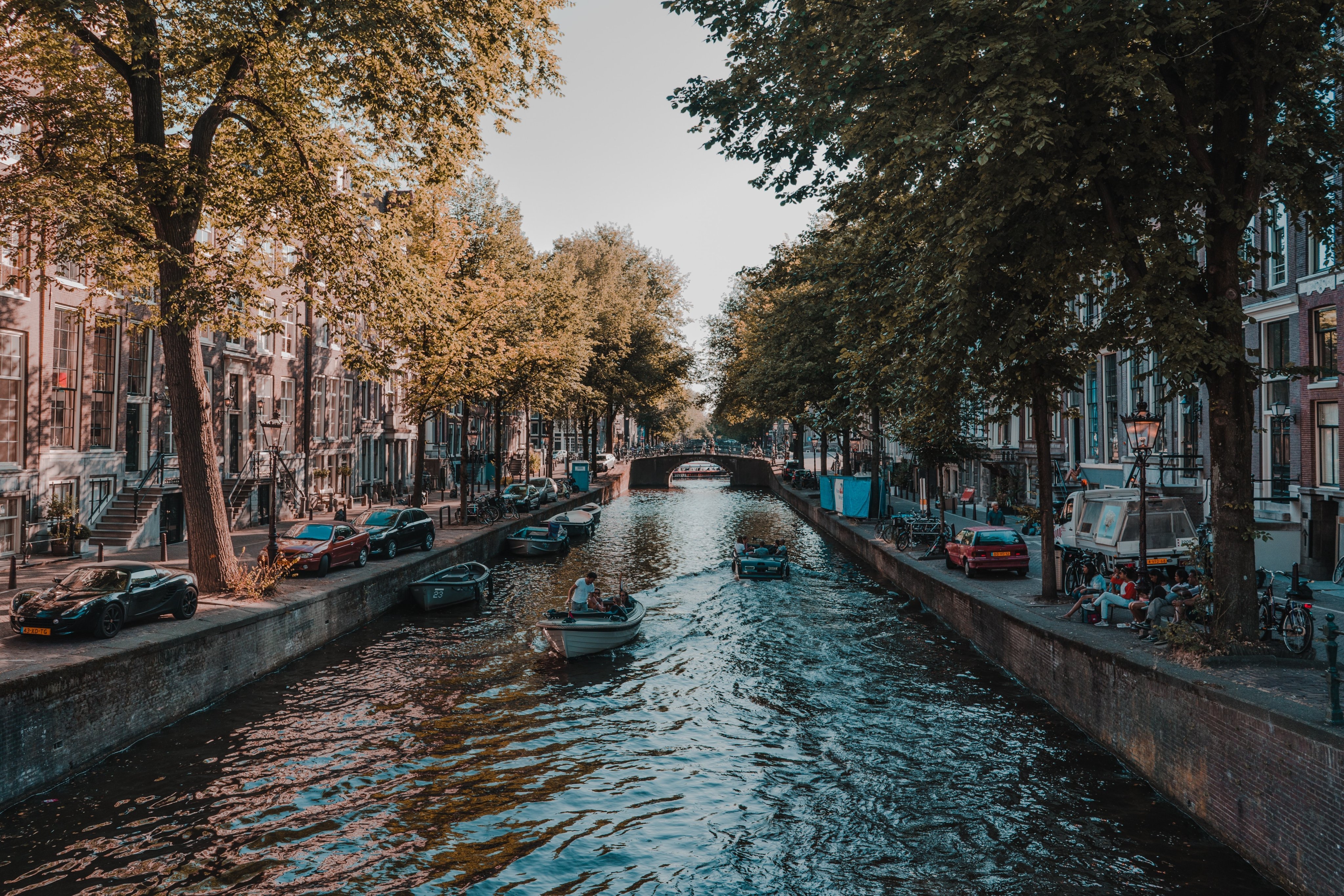
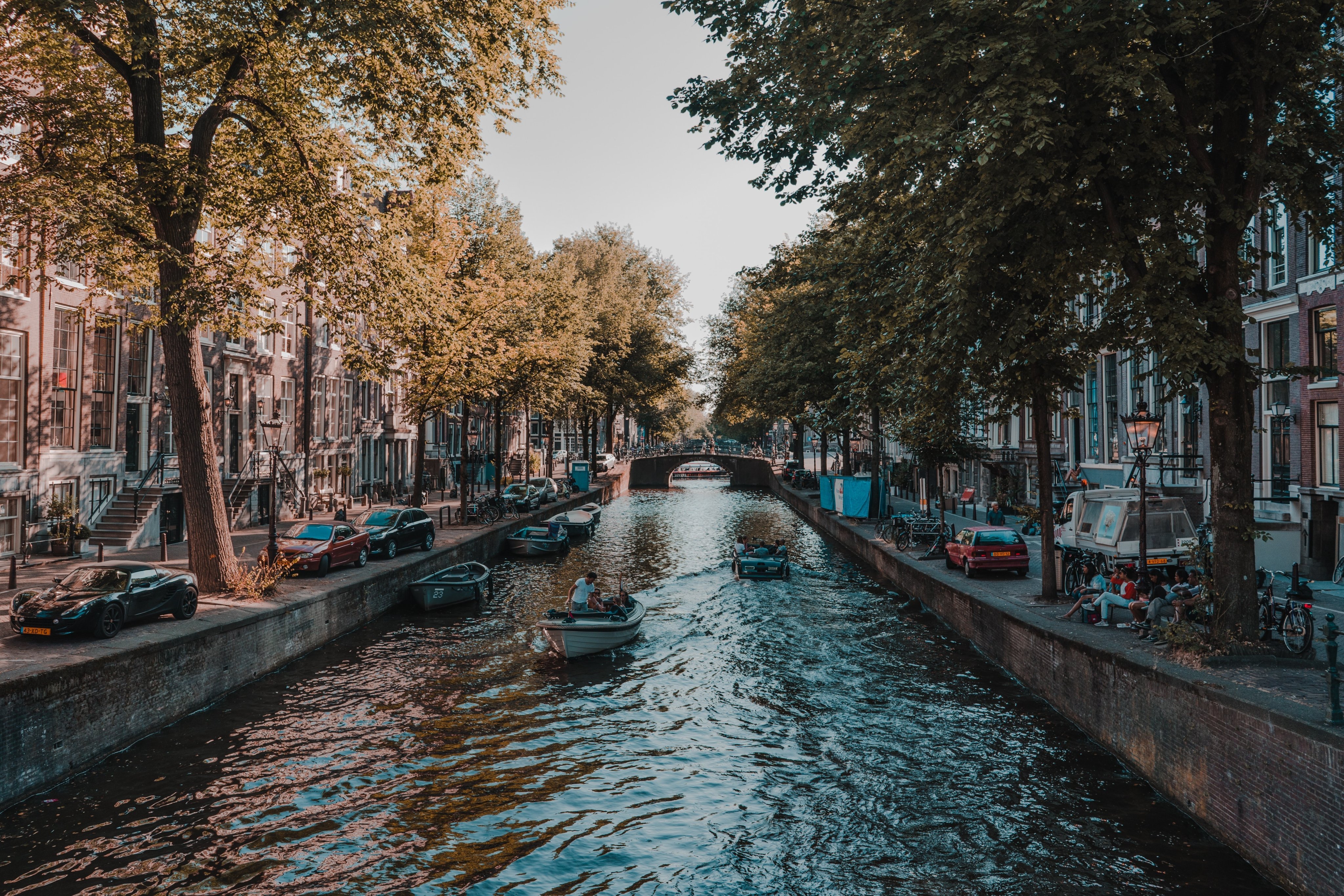
Urs Kessler, CEO of Jungfrau Railways, the train that takes tourists to Switzerland's highest mountain, was delighted when China lifted all travel restrictions. But apart from a small group that arrived in February, and a few larger groups expected in May, Kessler has hardly encountered any more Chinese tourist groups.

Urs Kessler took this photo in Grindelwald, Switzerland in February. Photo: Reuters
Many travel companies are facing a similar situation to Kessler. They are disappointed because bookings from Chinese tourists are lower than expected. Meanwhile, this is a group of tourists considered "high spenders." Before the pandemic, each Chinese tourist visiting Europe typically spent 1,500-3,000 euros, according to Global Times. Now, according to data from the travel company ForwardKeys, the number of flight bookings from Chinese tourists to Europe in August (peak season) is only one-third of what it was before the pandemic.
The European tourism industry is also grappling with domestic travelers who are more financially constrained after the pandemic. They are seeking cheaper holidays as energy and food prices rise. This summer marks the second summer since Europe reopened. Even so, the tourism industry still has "a long way to go to fully recover."
Before the pandemic, Chinese tourists accounted for 10% of non-EU tourist stays in Europe. They have a particular fondness for luxury goods and fine dining. However, after the pandemic, Chinese tourists are facing numerous visa restrictions, long waiting times for passport renewals or new passports, and increased travel costs. This has led to a shift in their interest towards shorter trips to destinations like Hong Kong, Thailand, or Macau, rather than transcontinental travel.

For those in the middle class, the cost of traveling to Europe is also a deterrent. "Money is definitely a factor to consider. So many flights are still closed – that makes getting to Europe sooner rather than later," said Stephanie Lin, who lives in Shanghai.
Faced with this situation, European tour operators are looking for alternative customer segments, especially from the United States. Some analysts predict that the influx of American tourists to London and Paris could surpass 2019 levels.
Sophie Lu, 26, arrived in London in early March from Hawaii. She was surprised by the affordable prices of food. "I don't intend to splurge. But I find things cheaper than where I live," she said while standing in front of Buckingham Palace.
On the Champs-Elysee in Paris, Colleen Danielson, 40, from Boston, said she also wanted to spend more because of the rising dollar. Kessler, meanwhile, hoped that groups of tourists from South Korea and India would compensate for the lack of Chinese tourists this year, in addition to the US.
In addition, those in the service industry are hoping that in the last two quarters of the year, when visa policies are relaxed for Chinese tourists and more flights resume, the number of mainland Chinese visitors will increase. Therefore, they have prepared advertising campaigns in advance to attract this customer segment on WeChat.
Bicester Village, a store near Oxford, is also using WeChat to assist Chinese customers with their shopping. "Nothing will change at the beginning of the year, but things will get better towards the end," Kessler said.