VI
VI


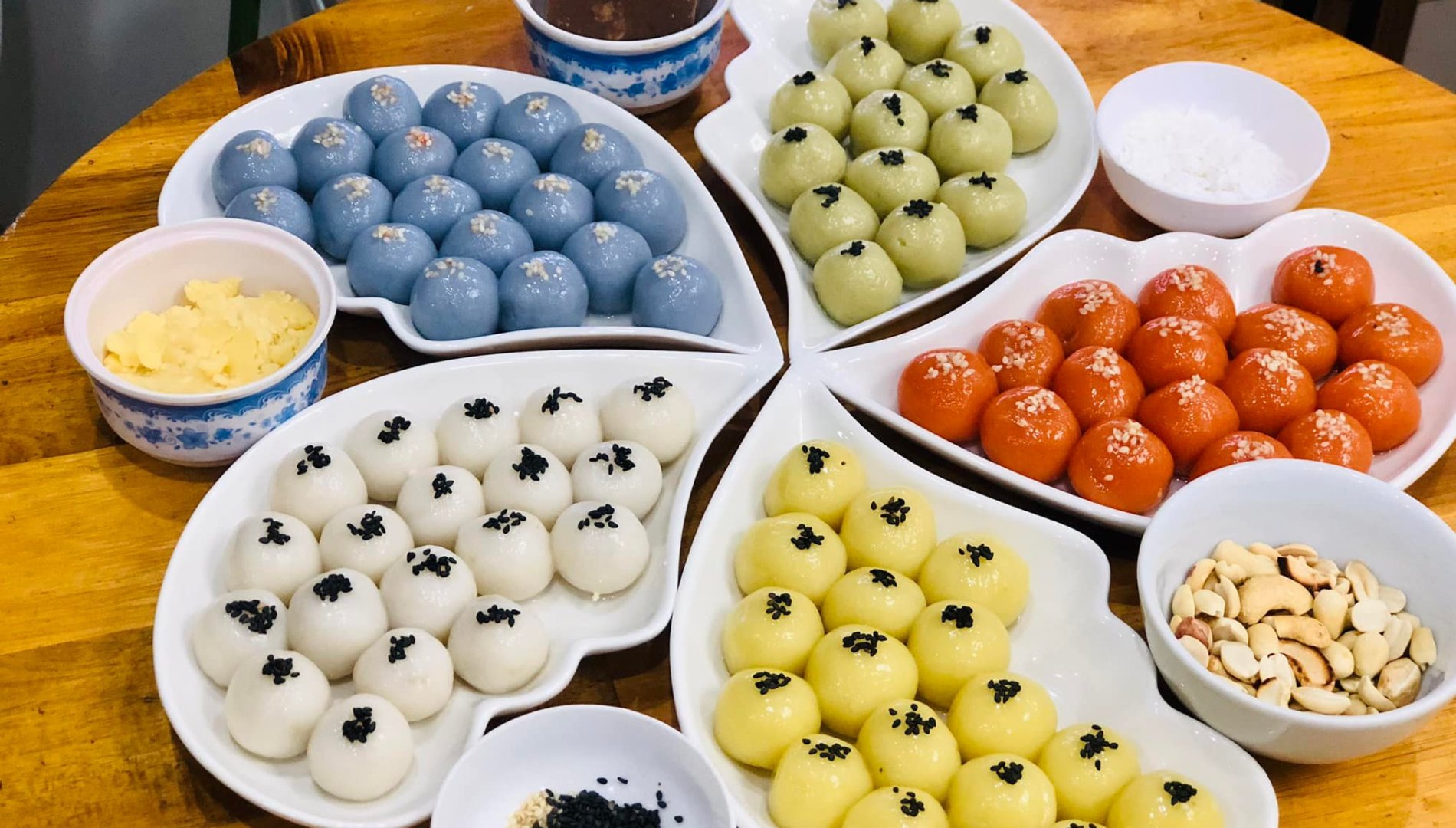
The scholar Le Quy Don (1726 - 1784) once wrote:In Vietnam, glutinous rice balls (bánh trôi nước) are considered the most important food, and every year on the 3rd day of the 3rd lunar month, they are made as a special treat."Tết Hàn Thực, a traditional Vietnamese holiday deeply rooted in Vietnamese culture, is celebrated on the 3rd day of the 3rd lunar month every year. In 2025, Tết Hàn Thực will fall on March 31st, a Monday. This is an occasion for Vietnamese families to remember their ancestors, express their reverence, and pray for a peaceful new season and good fortune throughout the year."
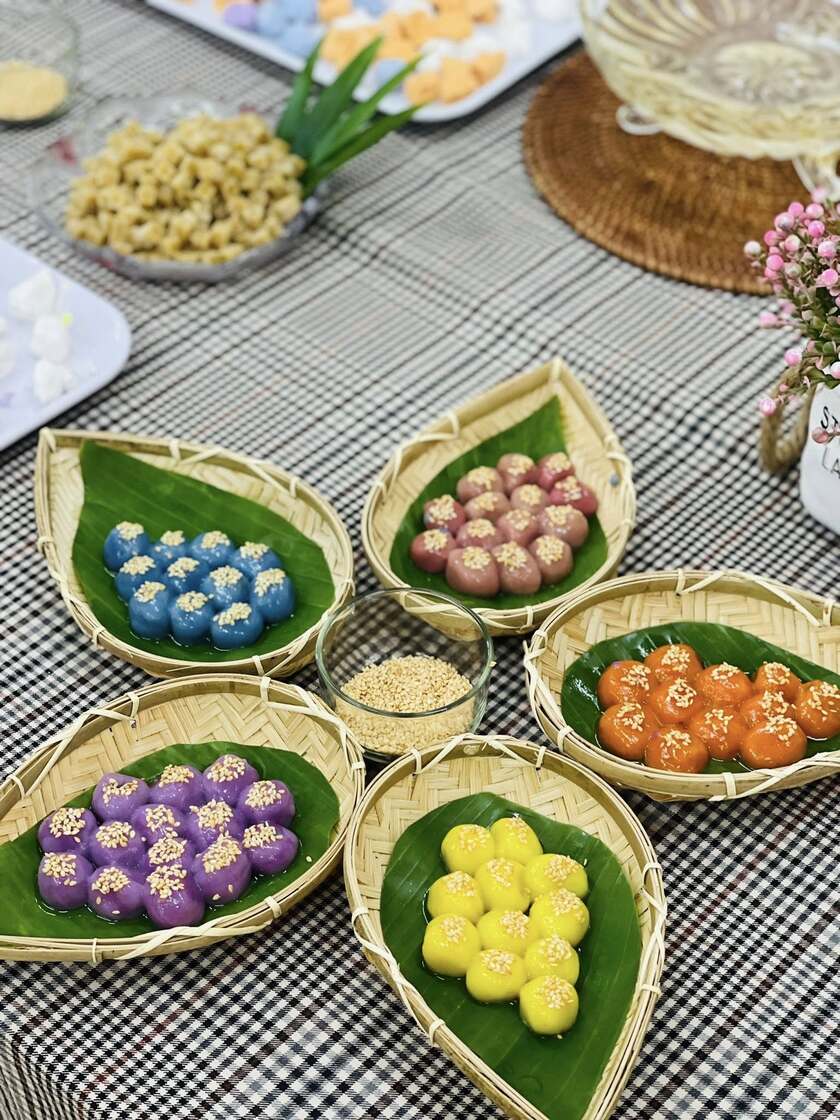
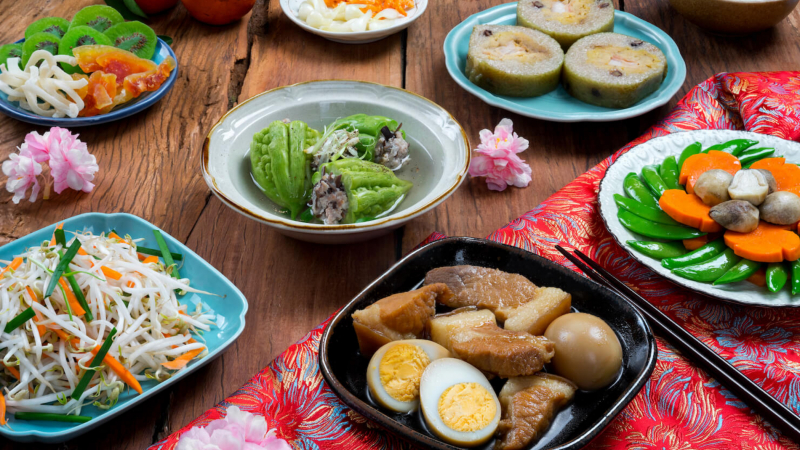
The Cold Food Festival, a transitional holiday between seasons, evokes in the hearts of Vietnamese people a gentle period amidst the hustle and bustle of life. Not as boisterous as the Lunar New Year, nor as lively as the Mid-Autumn Festival, the Cold Food Festival arrives like a gentle breeze, carrying the lingering breath of spring, blended with the refreshing taste of glutinous rice balls and vegetarian cakes. In the Vietnamese consciousness, it is not only a day to remember ancestors and express reverence for one's origins, but also an opportunity for reflection and a search for simple yet profound values.
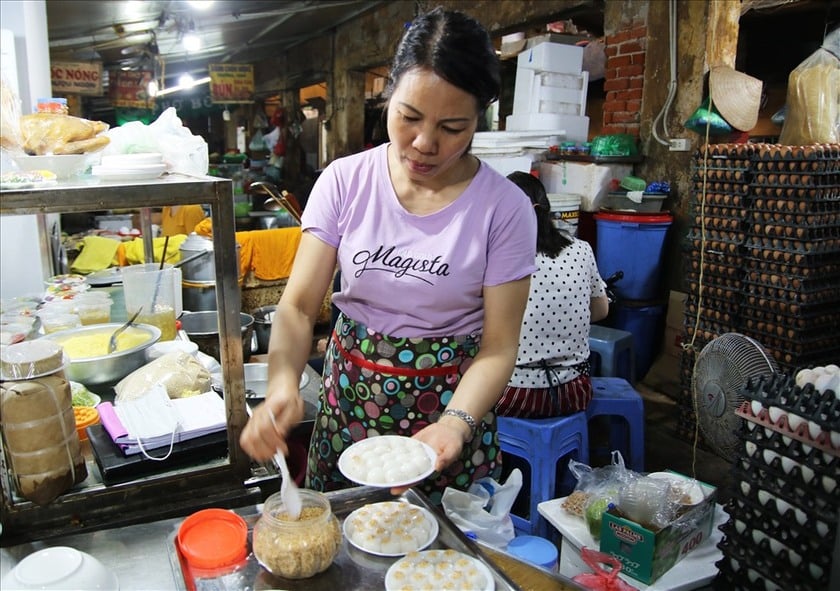
The Cold Food Festival (寒食節) is a traditional holiday celebrated on the 3rd day of the 3rd lunar month every year.
The Cold Food Festival (Tết Hàn Thực) originates from China, associated with the touching story of Jie Zitui's loyalty during the Spring and Autumn period. However, upon its introduction to Vietnam, this festival was adapted to suit Vietnamese culture and beliefs. No longer adhering to the Chinese custom of abstaining from fire or only eating cold food, the Vietnamese call the Cold Food Festival "the Glutinous Rice Ball and Vegetarian Cake Festival," signifying gratitude to ancestors and a wish for fulfillment and purity in life. The round glutinous rice balls symbolize heaven and earth, representing abundance, while the soft white vegetarian cakes represent reverence and purity.
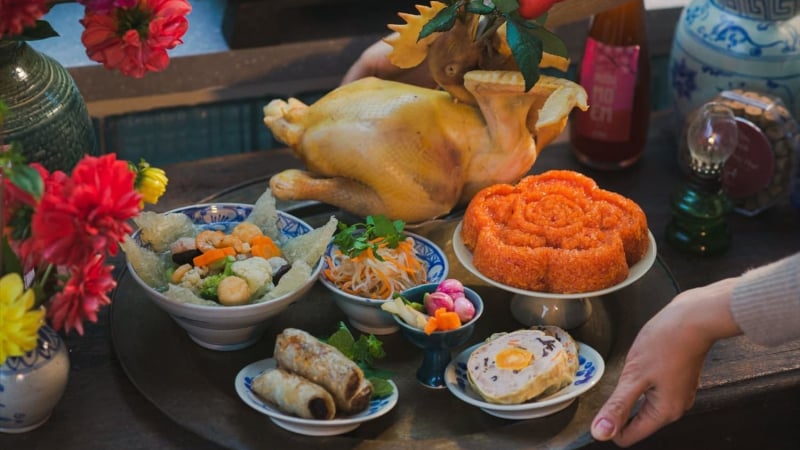
What does the offering tray for the Cold Food Festival include?
Preparing the offering tray for the Cold Food Festival is not only a spiritual ritual but also a way for families to bond and look forward to good things together. No matter how busy you are, you can create a simple yet complete offering tray, preserving tradition while attracting positive energy.

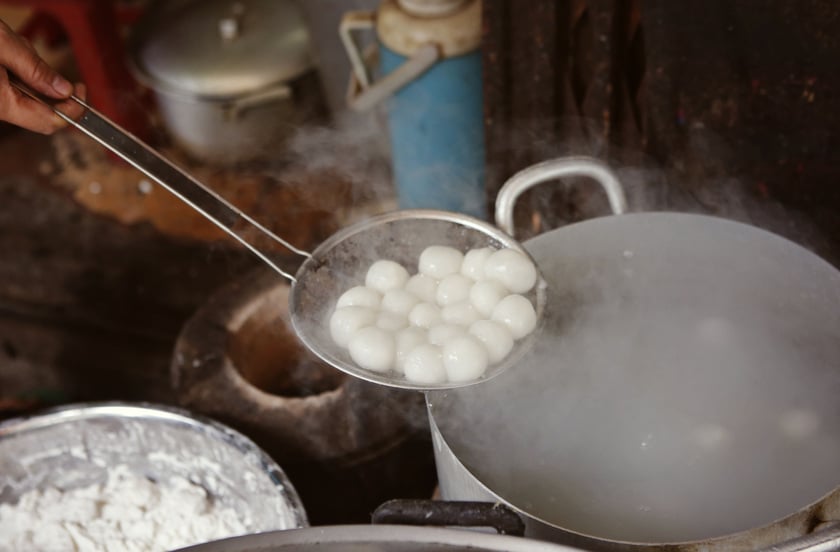
This is an occasion for everyone to gather together, prepare traditional dishes, and perform rituals to commemorate their ancestors.
The essential dishes on the offering tray include glutinous rice balls (bánh trôi) and vegetarian rice cakes (bánh chay), two types of cakes that embody the distinctive flavors of the Cold Food Festival. According to ancient tradition, the offering tray must have 3 or 5 plates of glutinous rice balls and 3 or 5 bowls of vegetarian rice cakes. Glutinous rice balls are made from glutinous rice flour kneaded with water, with a sugar filling. The best sugar for the filling is the Dương Liễu or Cát Quê cane sugar. With its smooth white outer layer and sweet sugar filling, glutinous rice balls symbolize completeness and abundance. Vegetarian rice cakes are also made from glutinous rice flour kneaded with water and have a filling, but this time it's made from cooked mung beans. These cakes are served in bowls, topped with a little sweet syrup made from a mixture of tapioca starch or cassava starch infused with pomelo blossoms. Vegetarian rice cakes, refreshing and subtly sweet, represent reverence and purity. Besides these, betel nuts, incense, and fresh fruit are also indispensable items, contributing to the solemn and warm atmosphere of the ceremony.
In all Vietnamese rituals, incense sticks, fresh flowers, betel nuts, and gold paper money are always indispensable offerings. Therefore, during the Cold Food Festival (Tết Hàn thực), the family also needs to prepare all these offerings to show respect and gratitude to their ancestors.
A platter of fresh fruit is also an indispensable part of the offering tray for the Cold Food Festival. The homeowner should choose seasonal fruits with vibrant colors, symbolizing the five elements and bringing prosperity and good fortune to the family.
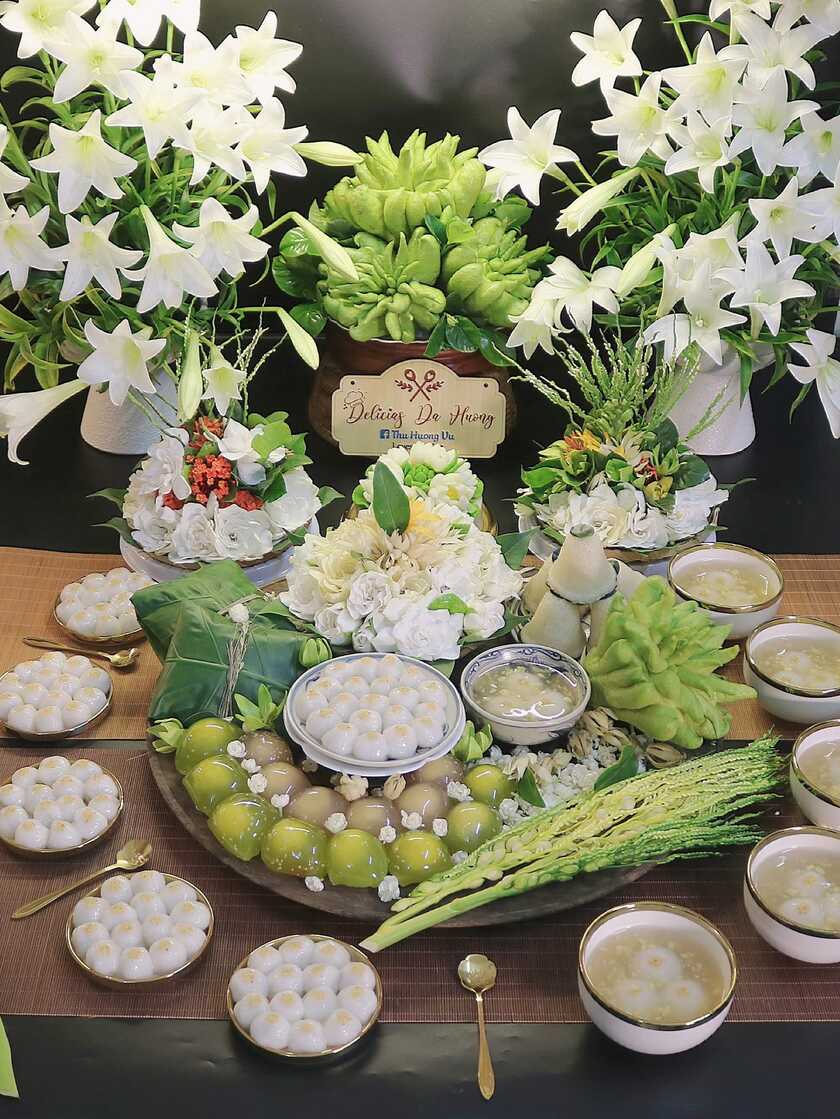
The Cold Food Festival in Vietnam signifies a return to one's roots and ancestors, remembering the contributions of those who have passed away.
Finally, a glass of clean water placed on the altar, whether for Buddha or ancestors, is an indispensable part of the offering. According to Vietnamese tradition, this glass of water symbolizes the purity and sincerity of the family. It's important to note that when making offerings, the family should use fresh fruit, avoiding artificial fruit. Using fresh fruit not only shows respect for ancestors but also brings positive spiritual values to the family.
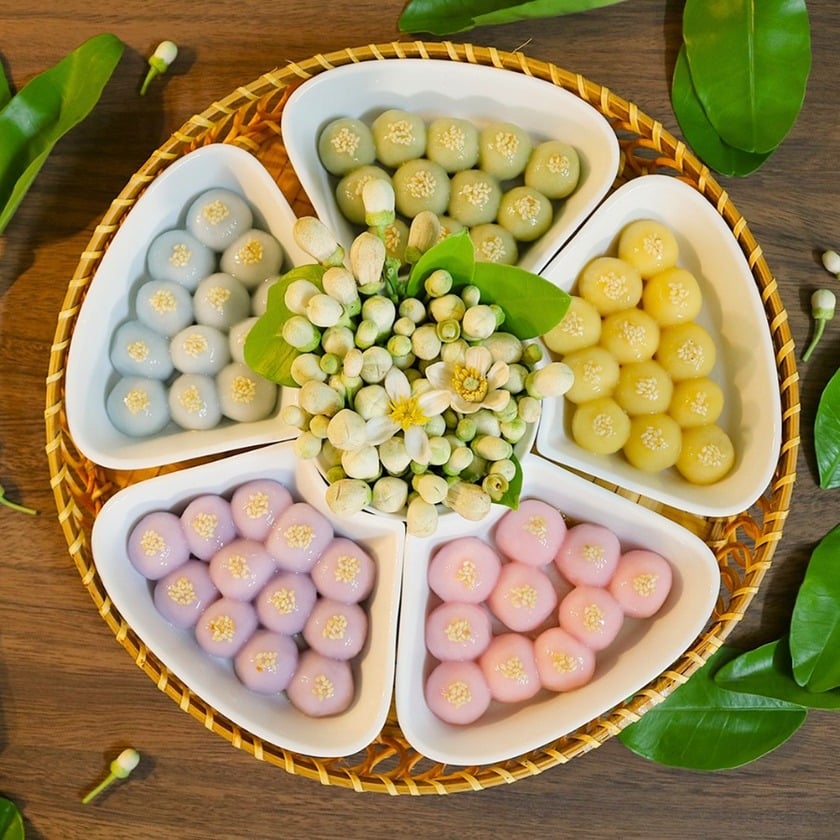
Every time Tet (Vietnamese New Year) comes around, each family member sits together around the dinner table for a reunion meal.
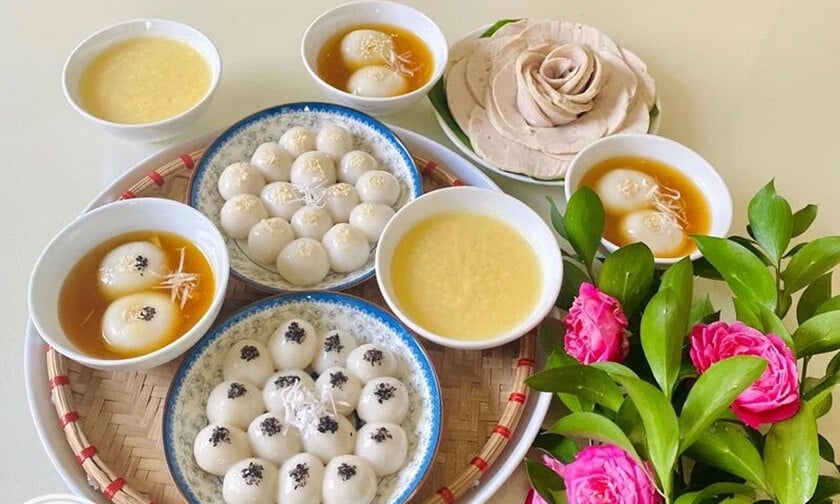
On this day, Vietnamese families prepare glutinous rice balls and vegetarian cakes to offer to Buddha, their ancestors, and in many places, even the local guardian deity, expressing their devotion.
After preparing the offering tray, the homeowner should choose an auspicious time on the 3rd day of the 3rd lunar month (before 7 PM, preferably in the morning) to perform the ritual. Place the offering tray on the ancestral altar, light incense, and recite the traditional prayer to invite ancestors and deities to witness the ceremony. When about two-thirds of the incense has burned, burn the paper offerings and clear the table so the whole family can partake in the blessings and pray for a peaceful new year.
The Cold Food Festival (Tết Hàn Thực) is not only a traditional holiday but also an indispensable part of Vietnamese cultural life. Preparing the offering tray is one of the most important activities on this day, expressing the reverence and respect of descendants for their ancestors. In addition, Vietnamese people have many other activities on the Cold Food Festival such as cleaning the house, visiting ancestral graves, and enjoying traditional dishes together. This is an opportunity for family members to gather, share warm moments, and strengthen family bonds.