VI
VI


The Lantern Festival, also known as Tet Nguyen Tieu or Tet Thuong Nguyen, is one of the most important and culturally significant traditional holidays in Vietnam and many other East Asian countries. Celebrated on the 15th day of the first lunar month each year, it marks the first full moon of the new year, signifying a new beginning and carrying hopes and wishes for a peaceful and happy year.
The Lantern Festival (Tết Nguyên Tiêu) is not just a holiday, but also an occasion for people to express their gratitude to the deities and ancestors who have blessed and protected them throughout the past year. According to folk beliefs, the 15th day of the first lunar month is the day when the gods descend from heaven to bestow blessings upon people. Therefore, on this day, people often go to temples to worship and pray for a prosperous and peaceful new year.
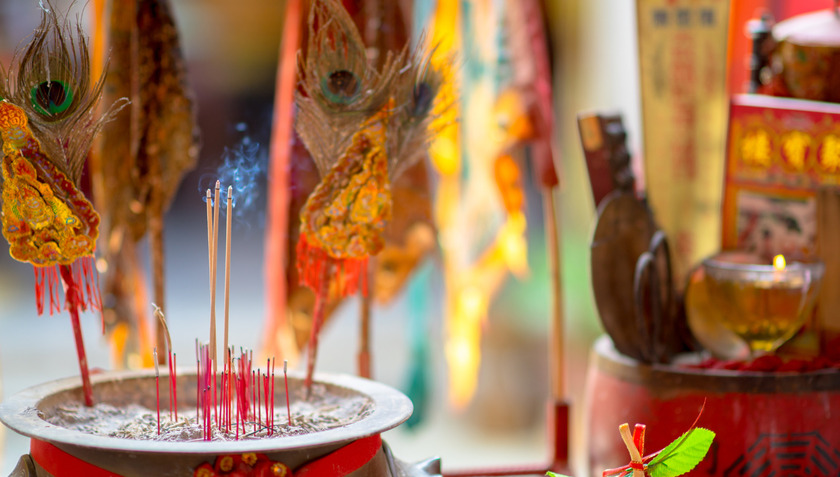
The Lantern Festival, or the Full Moon Festival, takes place from midnight on the 14th to the end of the 15th (full moon night) of the first lunar month.
Because the Lantern Festival takes place about half a month after the Lunar New Year, many people call it the "late festival." However, this does not diminish the importance of this holiday in Vietnamese culture.
Furthermore, the Lantern Festival is an occasion for family members to reunite, gather together, enjoy traditional dishes, and share stories of joy and sorrow in life. It is an important occasion in the spiritual life of the Vietnamese people, clearly expressed in the folk saying: "Offering sacrifices all year round is not as good as the first full moon of the year" or "Praying to Buddha all year round is not as good as the first full moon of the year." The offerings for the first full moon of the year are not much different from those for the Lunar New Year. However, it doesn't need to be overly elaborate; the most important thing is sincerity.
Common offerings that are usually displayed during religious ceremonies.
The offerings for the Lunar New Year's Full Moon are extremely important because this day is believed to be the time when Buddha descended to earth, unlike other full moon days. Therefore, families should prepare a thorough and complete offering, including an offering for Buddha and an offering for their ancestors.
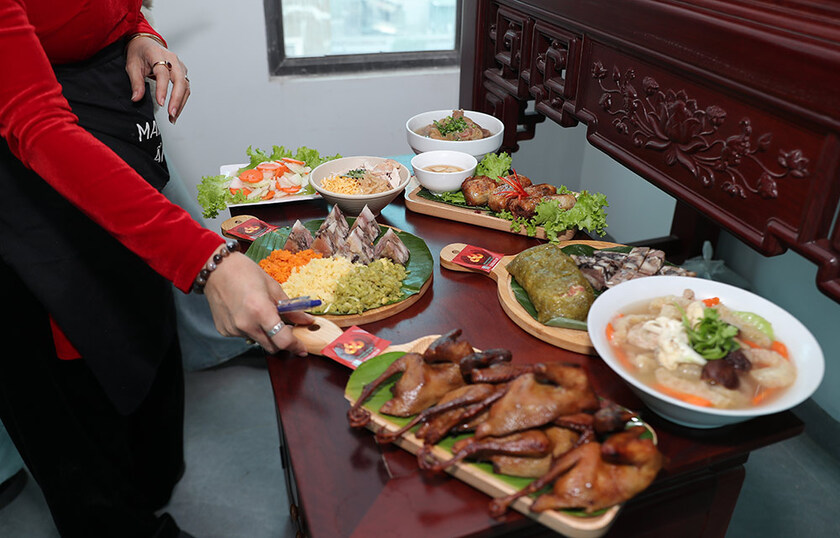
This is considered one of the important holidays in Vietnamese customs and traditions.
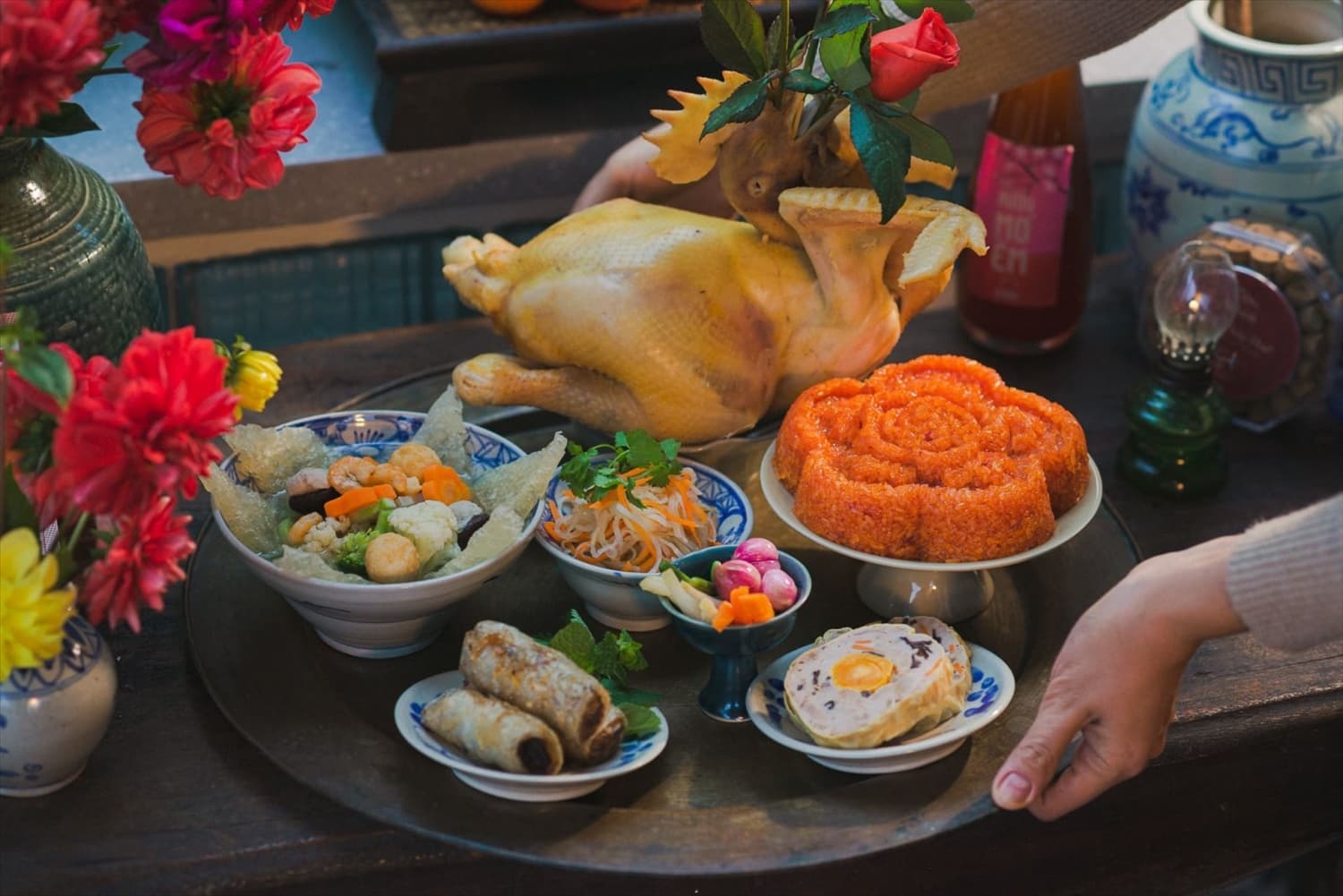
The ancestral offering tray during important Vietnamese holidays, such as the Lantern Festival, is not only a symbol of reverence for ancestors but also an opportunity for families to reunite, gather together, and enjoy traditional dishes with the rich flavors of their homeland. This tray is usually prepared elaborately and meticulously, showing the thoughtfulness and gratitude of descendants towards their deceased ancestors.

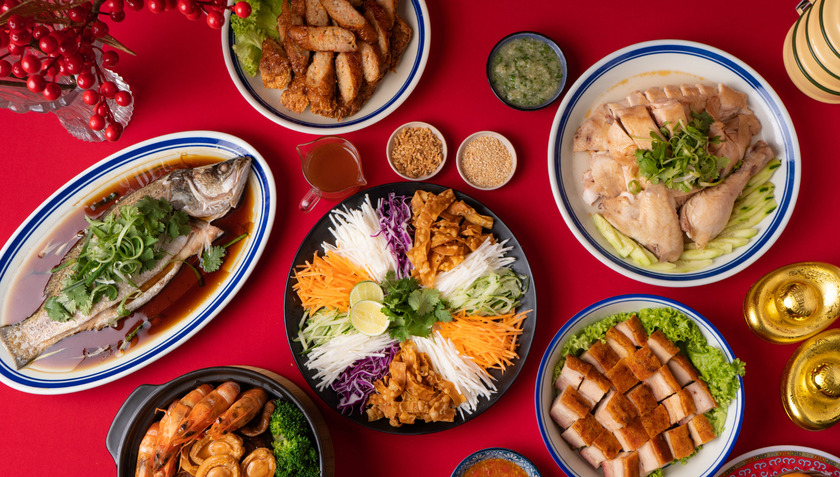
According to folk tradition, the ancestral offering tray usually consists of 4 bowls and 6 plates, symbolizing harmony and abundance. Each dish on the tray carries its own meaning, expressing the family's wishes for a peaceful, happy, and prosperous new year. Specifically, the 4 bowls include: bamboo shoot soup, meatball soup, vermicelli soup, and meatballs; the 6 plates include: boiled chicken or pork, ham/sausage, spring rolls, stir-fried dishes, pickled onions/pickled vegetables, and sticky rice or banh chung (traditional Vietnamese rice cake).
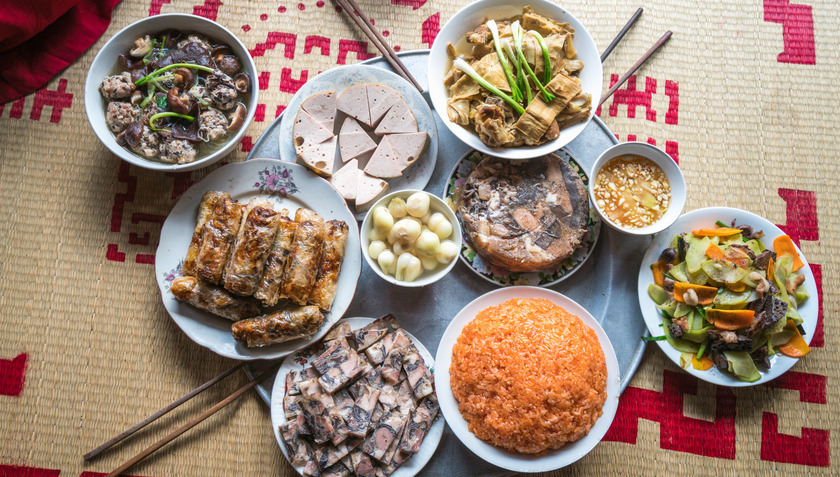
Folklore holds that the first full moon of the New Year gathers the strongest spiritual energy, making it a sacred time to have wishes granted, bringing good fortune, wealth, and peace to the family throughout the year.
Besides food, offerings to ancestors also include incense, flowers, candles, votive paper money, betel nuts, and wine. It's important to note that offerings to ancestors and offerings to Buddha are different and should not be mixed. Offerings to Buddha are usually vegetarian and pure, while offerings to ancestors may include meat.
In particular, the offering tray must include glutinous rice balls (che troi nuoc). The meaning of eating glutinous rice balls on the Lantern Festival is to wish for everything to go smoothly and successfully throughout the year.
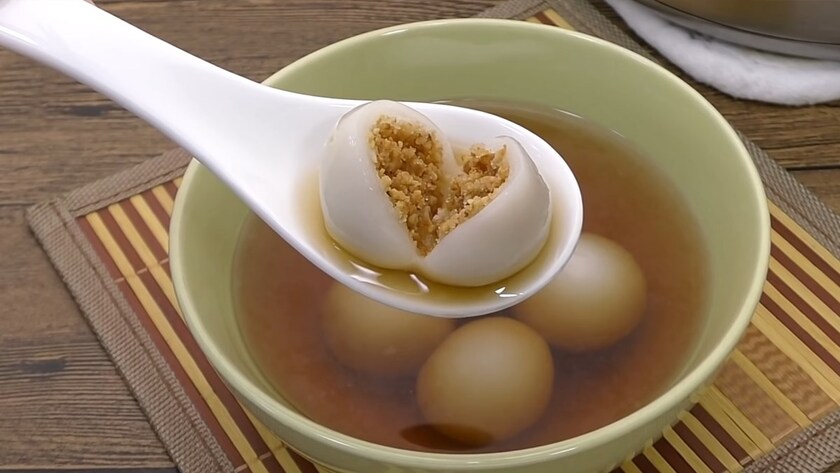
Floating rice ball dessert, with its many spiritual meanings, is displayed on the offering tray on the full moon day.
A vegetarian offering to Buddha is not just a simple meal, but also a symbol of reverence, gratitude, and a wish for peace and tranquility of mind. The vegetarian offering is prepared meticulously and elaborately, reflecting the thoughtfulness and sincerity of the person making the offering. Vegetarian offerings to Buddha are diverse and abundant, including many dishes made from vegetables, fruits, beans, and other vegetarian ingredients. Some common dishes include fruits, sweet rice porridge, bean dishes, stir-fried soups, glutinous rice balls in sweet soup, and depending on the type, the offering can consist of 10, 12, or even 25 dishes.
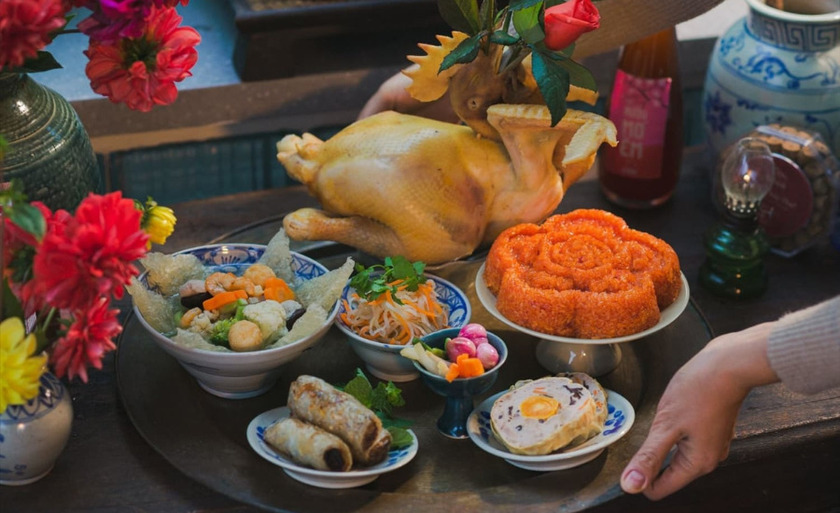
The Lantern Festival (Rằm tháng Giêng) is celebrated solemnly in most regions across the country.
A special feature of the vegetarian feast is the presence of colors symbolizing the five elements: red (fire), green (wood), black (earth), white (water), and yellow (metal). According to Eastern beliefs, the five elements are the basic components that constitute the universe and all things. The balance of the five elements brings harmony, peace, and good fortune to people. In addition, families can release animals into the wild, visit temples to worship Buddha, and perform charitable acts…
Things to avoid when offering sacrifices on the Full Moon of the First Lunar Month.
It is advisable to avoid using imitation meat dishes in vegetarian offerings during the Lunar New Year's full moon ceremony. According to folk beliefs, using imitation meat dishes in a vegetarian offering to Buddha is considered a manifestation of lingering desires and anger. This is because "imitating" a meat dish into a vegetarian one shows a lack of true purity of heart and an inability to let go of daily desires and habits.
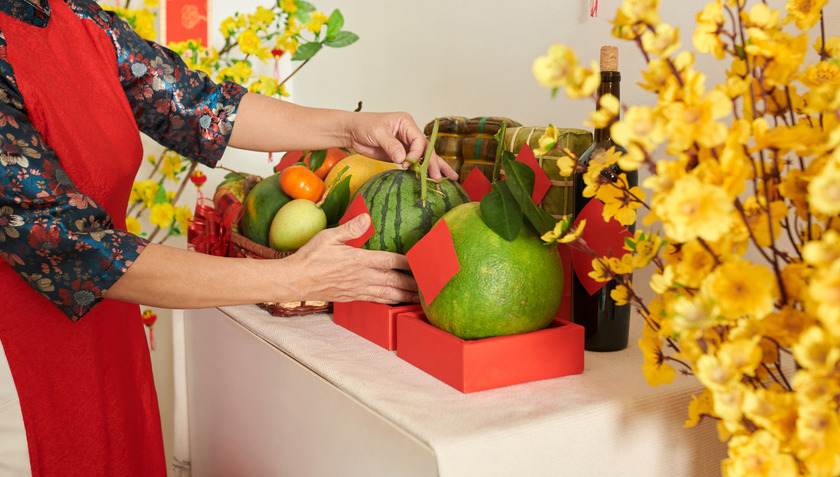
In the spiritual life of the Vietnamese people, the Lunar New Year's Full Moon ceremony is considered a sacred ritual with special significance, marking the first full moon of the new year.
A proper vegetarian feast should reflect purity, simplicity, and sincerity. The dishes should be prepared from fresh, plant-based ingredients, without the use of additives or artificial colors. The flavors should be light and delicate, not overly elaborate or complex. Furthermore, the choice of vegetarian dishes should be appropriate for the season. The first full moon of the lunar year usually falls in early spring, when the weather is still cool. Therefore, warm dishes such as vegetable soups and stir-fried mushrooms would be suitable choices.
Besides, vegetarianism is considered a good way to nourish both mind and body; it's simple yet highly effective. However, preparing vegetarian dishes is quite complex and more difficult than preparing meat dishes. Therefore, you should carefully consider your options before offering purely vegetarian dishes as part of the Lunar New Year's Full Moon ceremony in 2025.
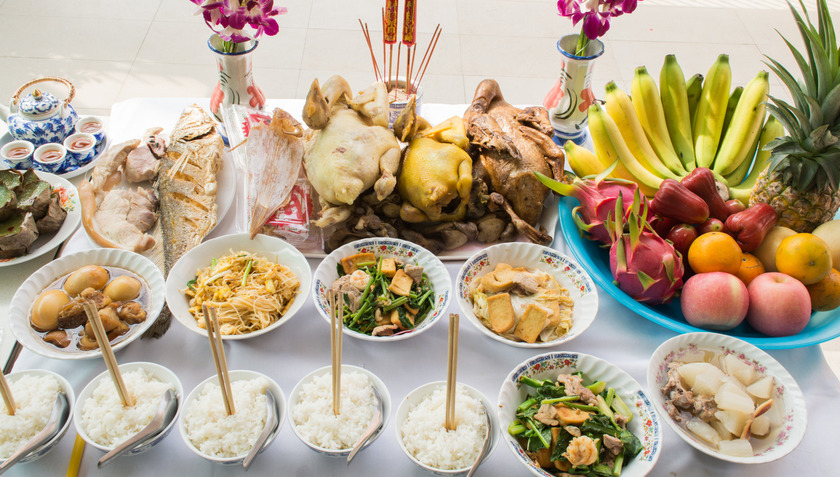
The preparation of offerings for ancestral worship is always done meticulously and thoughtfully by families, demonstrating respect and sincerity.
In particular, it is considered inauspicious to offer pig's head as a sacrifice on the full moon of the first lunar month. According to folk beliefs, pig's head is a dish with yin (feminine) energy, unsuitable for the solemn and pure atmosphere of the full moon of the first lunar month. Furthermore, offering pig's head as a sacrifice at the beginning of the new year is also considered bad luck, potentially bringing misfortune and bad luck to the family throughout the year. Instead of offering pig's head, people usually offer other traditional dishes such as boiled chicken, gac fruit sticky rice, bamboo shoot soup, or vermicelli, dishes that symbolize abundance, prosperity, and good fortune.
These taboos not only stem from folk beliefs but also contain profound cultural values and philosophies of life.
Besides savory and sweet offerings, families often present both real and fake money on the altar during the Lunar New Year's Full Moon festival. However, homeowners should be careful not to place counterfeit money or money of dubious origin, obtained from illegal or immoral activities, on the altar during the Lunar New Year's Full Moon festival. When placing money on the altar, the amount is not as important as the sincerity of the homeowner towards the gods and Buddhas.