VI
VI


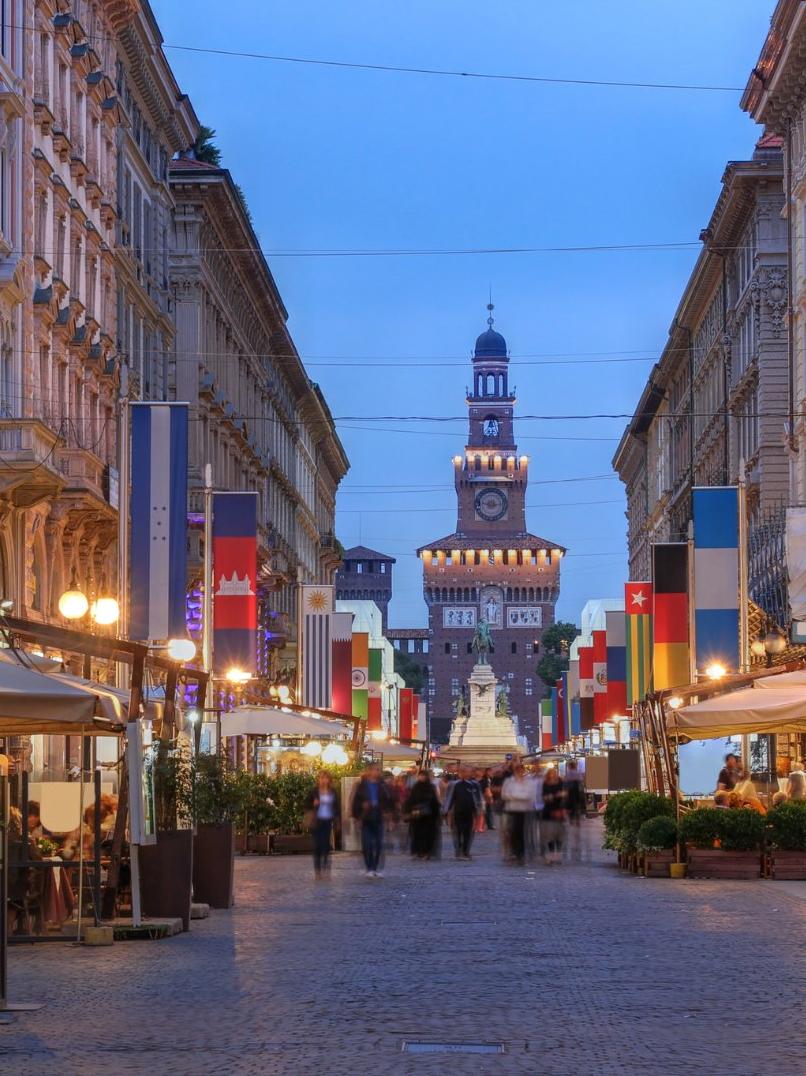
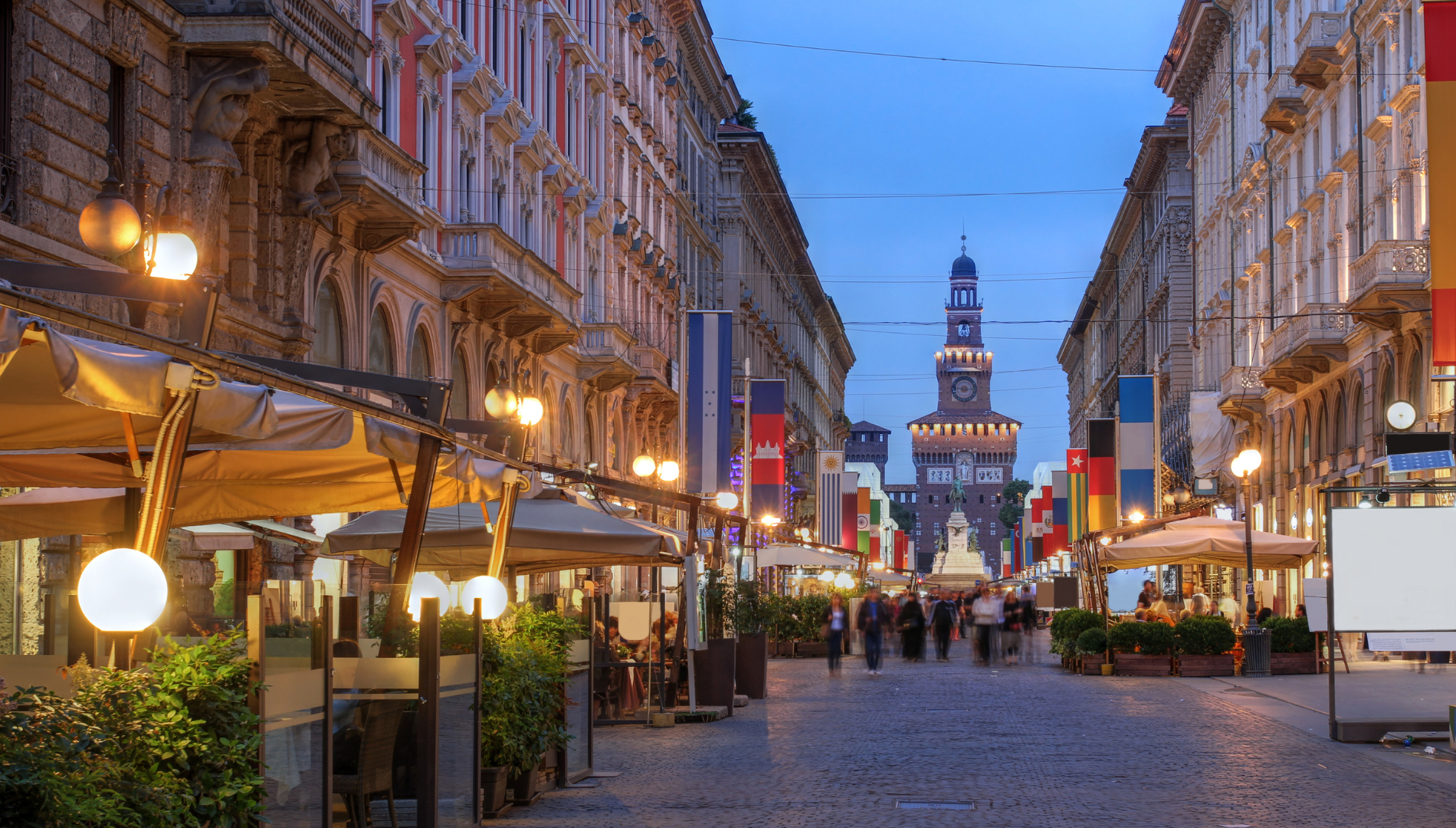
One of Italy's most famous cities, Milan, is sparking controversy with its proposal to ban the sale of ice cream and pizza after midnight. The new regulation is seen as targeting nightlife groups and tourists, citing concerns about noise, litter, and public order.
.jpg.jpg)
Venturing down Milan's cobblestone streets in search of a late-night gelato is part of Italian culture for many city residents. It's also a must-do for the millions of tourists who visit Italy's fashion capital each year.
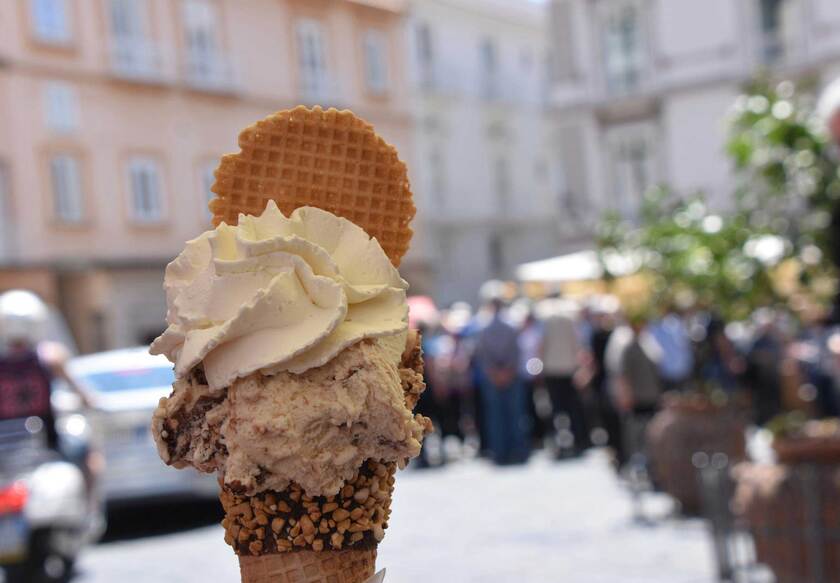
Searching for a late-night gelato is part of Italian culture for many city dwellers.
But a new law could put an end to this long-standing tradition. Marco Granelli, the deputy mayor in charge of city security, recently announced plans to ban takeaway food and drinks after midnight to maintain "peace and quiet" in the city's 12 busiest districts.
The city's goal is to find a balance between social and recreational activities, as well as the peace and well-being of its residents. The residents believe in a vibrant city where both young and old have space to connect with one another.

The ban, which officials say is necessary to address excessive noise in residential areas, will also prevent establishments from serving food and drinks in outdoor areas between 12:30 a.m. and 6 a.m. on weekdays and 1:30 a.m. to 6 a.m. on weekends.
Critics argue the ban goes against Italian culture and are calling for amendments to the law. If passed, the lockdown would take effect as early as next month and last until November, after this year's tourist season ends.
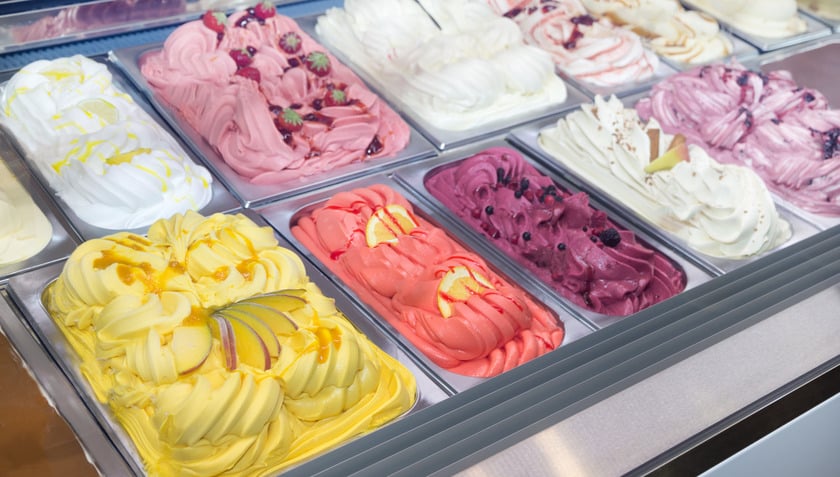
The plan is to ban the sale of takeaway food and drinks after midnight in order to maintain "peace and quiet."
However, the plan is controversial and not widely supported. Many believe that Milanese authorities are declaring war on the city's famous ice cream. They argue that late-night ice cream gatherings have become an integral part of the national culture.
We're not changing the culture, just imposing minor restrictions. Mr. Barbieri can come to my office and see hundreds of complaints from people suffering from insomnia."
Despite the protests, the city mayor remained steadfast in his position, stating that for him and the residents, they weren't changing the culture but simply applying measures to the hundreds of complaints submitted to the mayor's office because the people were "losing sleep."
This isn't the first time the idea of banning ice cream after midnight has caused controversy in Milan. In 2013, city officials made a similar proposal but ultimately withdrew it due to public pressure.
Currently, the debate surrounding the "ice cream ban" in Milan is far from over. The public is awaiting the city authorities' next response to the conflicting opinions from residents and businesses.