VI
VI


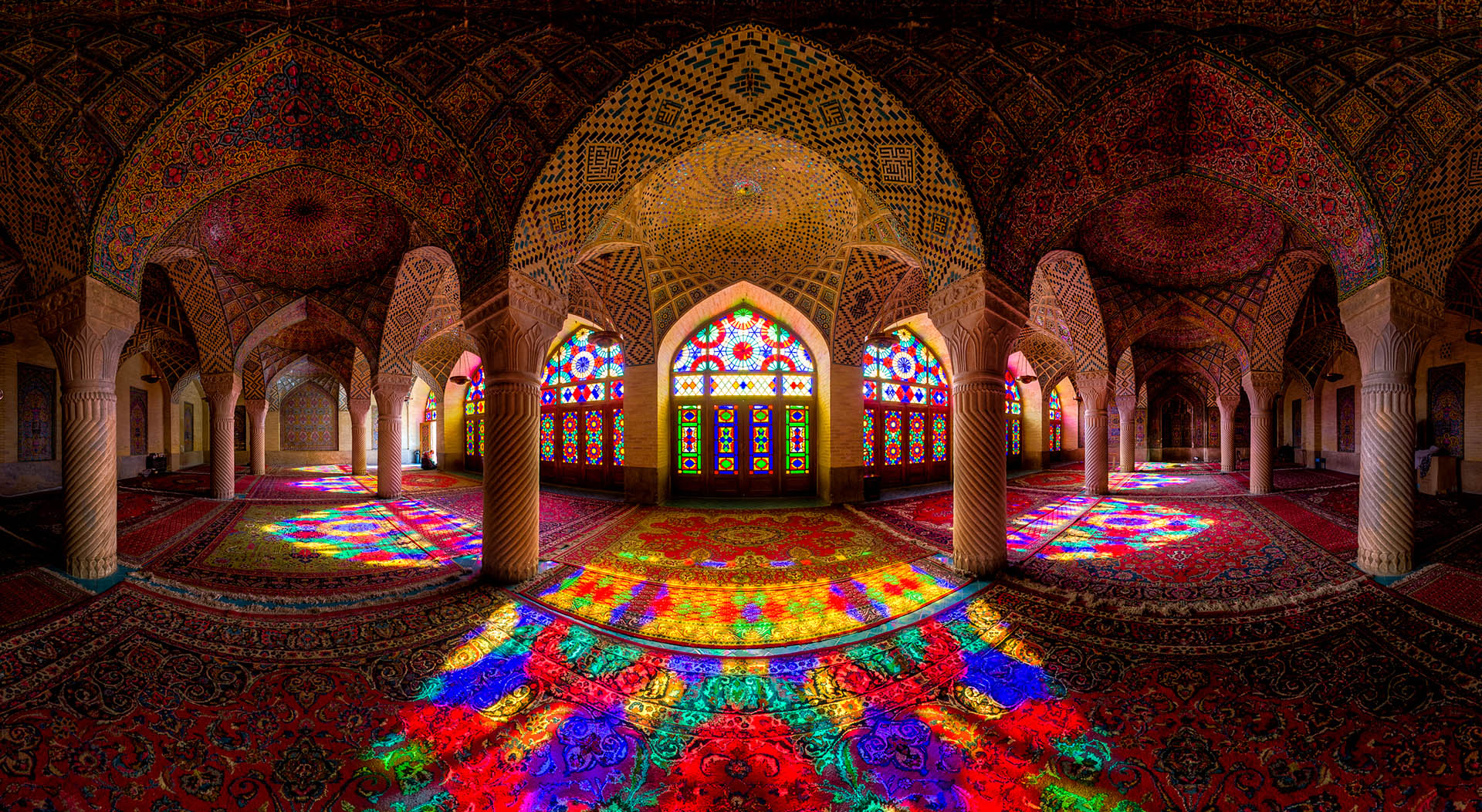
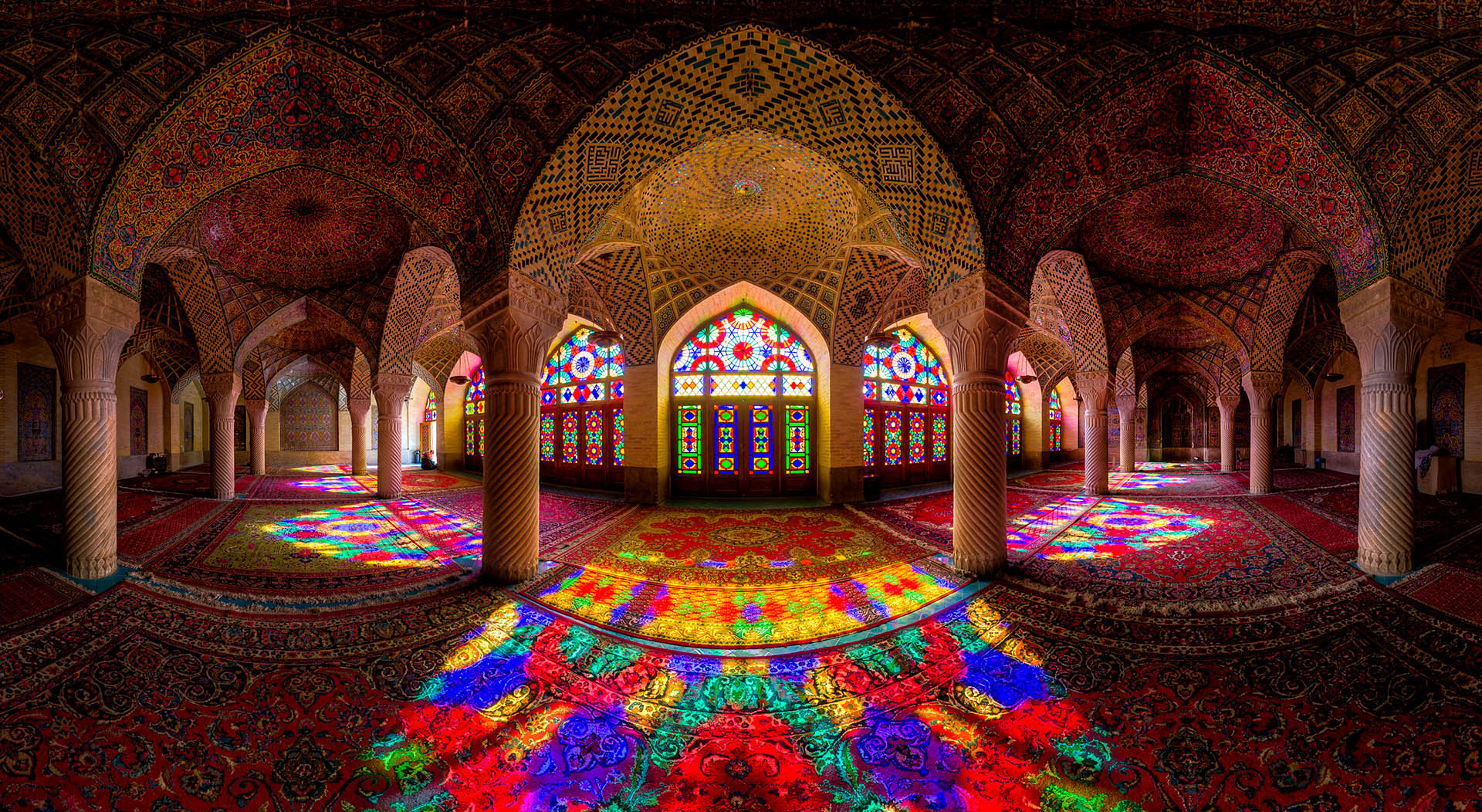
The Nasir Al Mulk Mosque is located in Shiraz, Iran, and was built between 1876 and 1888 during the Qajar dynasty. It took the builders 12 years to complete the structure. Nasir Al Mulk is also known by other names such as: the Pink Mosque, the Colorful Mosque, the Rainbow Mosque, and the Kaleidoscop Mosque.
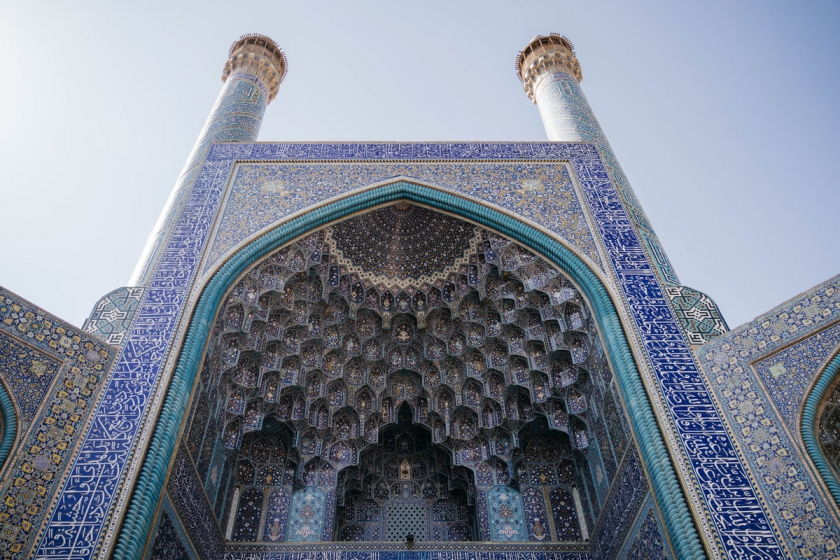
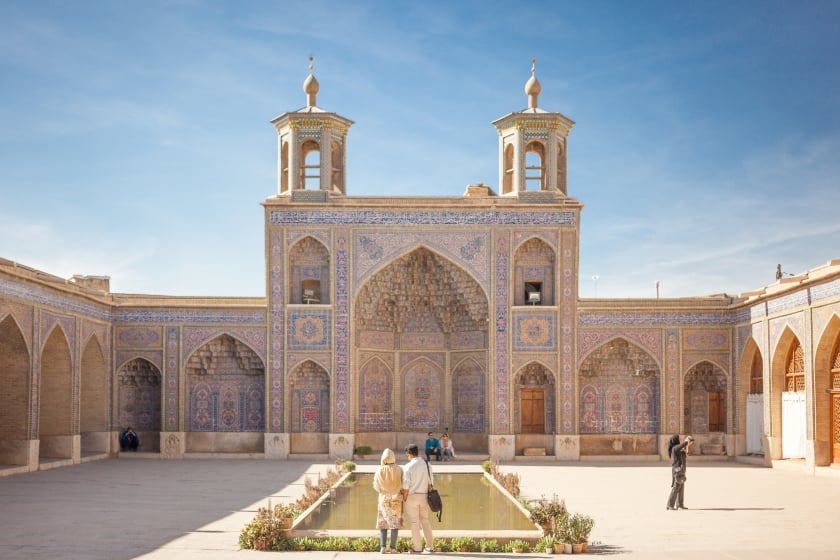
The exterior of the mosque shares many similarities with other traditional Islamic architectural structures.
Nasir Al Mulk shares many similarities with other traditional Islamic architectural structures, such as its soaring dome, ancient stone walls, and central fountain where Islamic purification rituals take place. However, stepping inside reveals its unique beauty and complete difference.
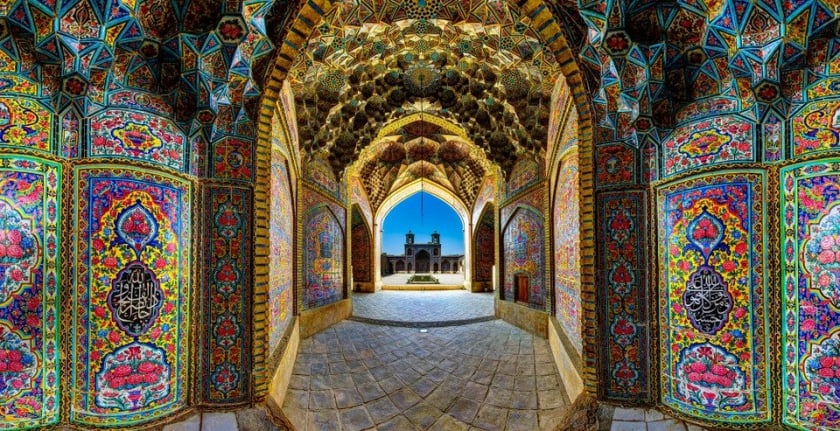
The Nasir Al Mulk Mosque was built over a period of 12 years, from 1876 to 1888, by order of Lord Mirza Hasan Ali Nasir Al Molk of the Qajar dynasty.
Persian architects applied specific geometry and proportions to design the ceiling of this mosque. This also resulted in the Nasir Al Mulk mosque's ceiling, with its vibrant colors, a blend of purple, orange, blue, and violet.

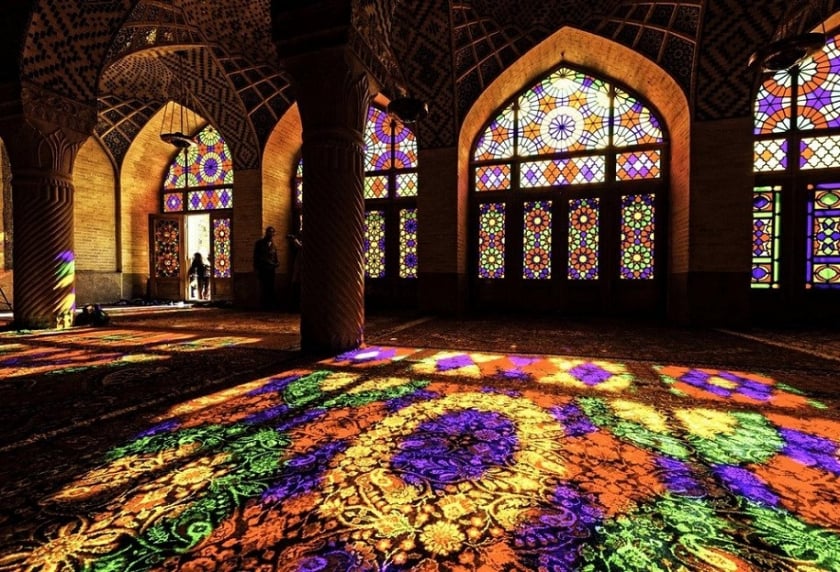
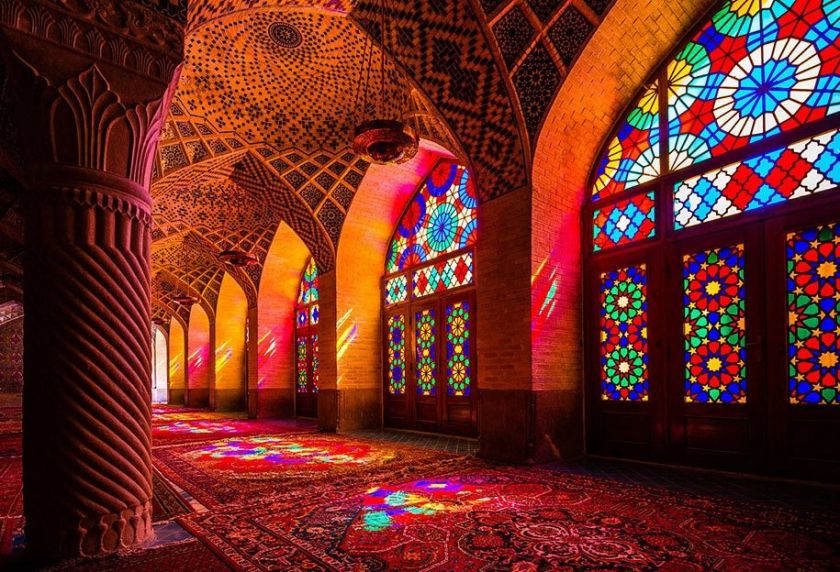
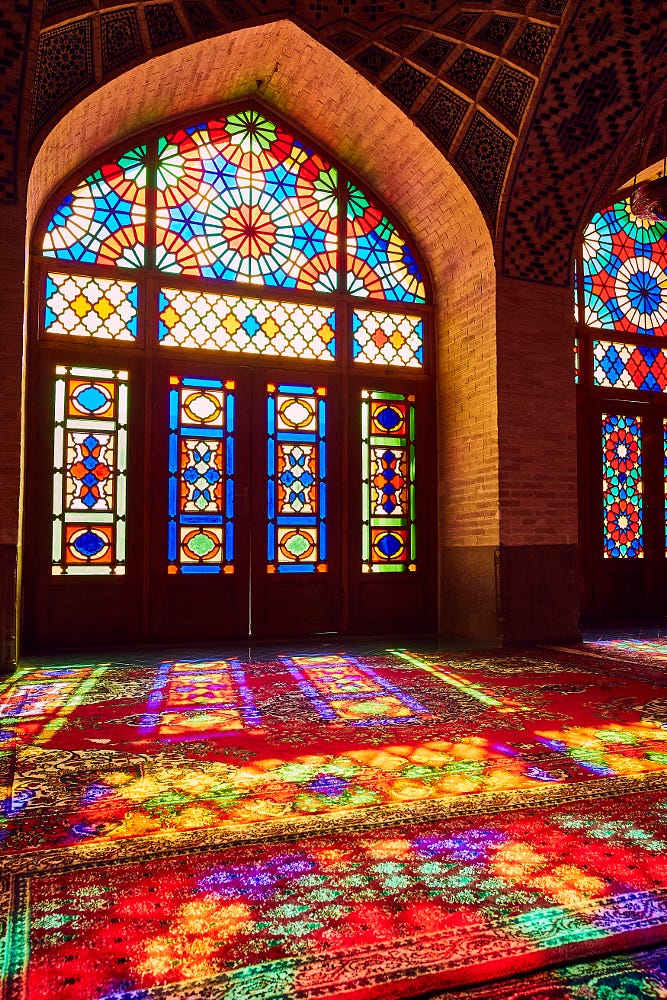
When the first rays of sunlight streamed through the window and illuminated the hallway, the entire room resembled a giant kaleidoscope, shimmering with vibrant colors.
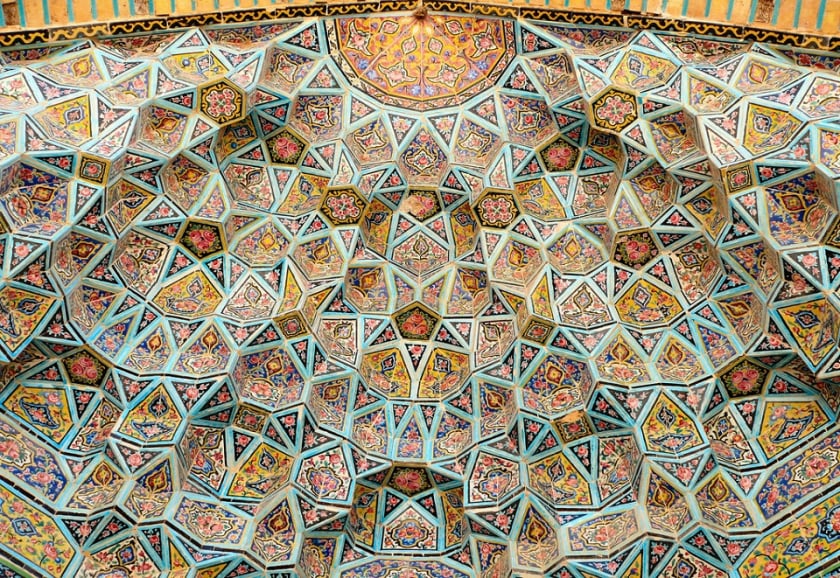
Not only does Nasir Al Mulk boast vibrant stained-glass windows, but its walls are also elaborately and exquisitely decorated. Millions of colored tiles form dazzling patterns on the domes and niches. The most beautiful moment here is usually between 7 and 9 a.m., when the first rays of sunlight pierce through the stained-glass windows, illuminating the corridors and Persian carpets, creating a mesmerizing spectacle. The entire mosque glows, shimmering, and every visitor seems amazed by its radiant beauty.
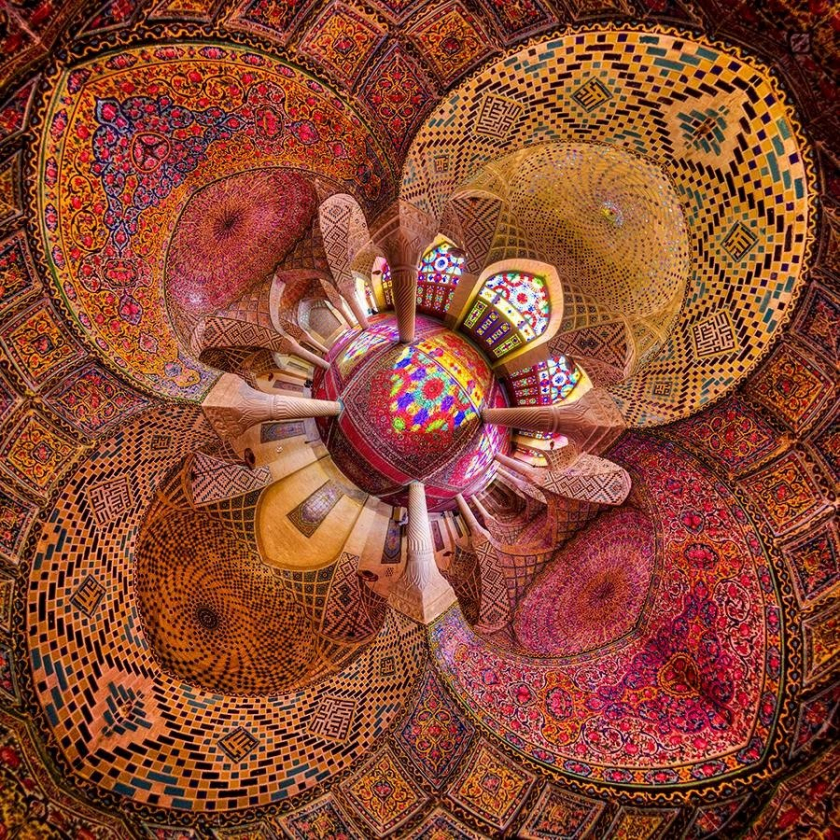
The bricks form beautiful patterns, reflecting the distinctive features of Islamic culture, both vibrant and captivating.
The distinctive stained-glass interior design is what makes Nasir Al Mulk one of the most beautiful mosques in the world. Architects Muhammad Hasan-e-Memar and Muhammad Reza Kashi Paz-e-Shirazi decorated the mosque with thousands of vibrant stained-glass panels – a rare material in a mosque. The use of stained-glass windows in Islamic architecture is relatively uncommon. Other rare examples of stained-glass include the Blue Mosque in Istanbul (Türkiye) and the Al Aqsa Mosque in Jerusalem.
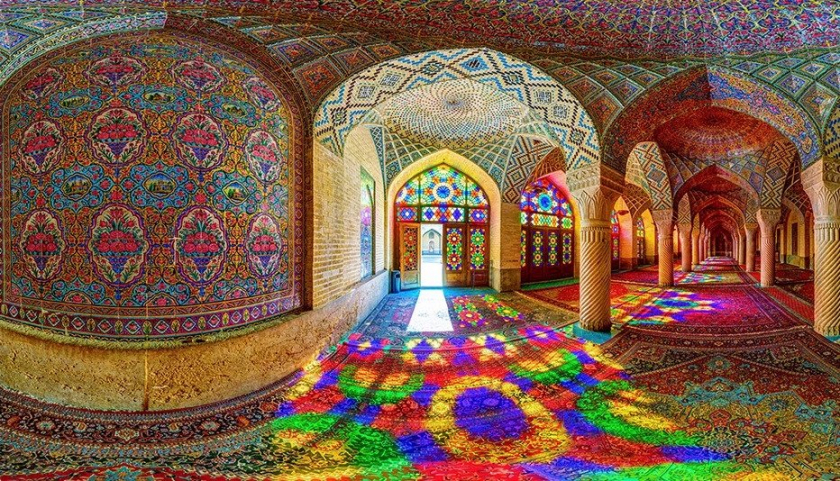
The Nasir al Mulk Mosque has an incredibly magical atmosphere.
Shiraz is the former capital of the Persian dynasty, dating back a thousand years. Iranians proudly call Shiraz the city of wine and flowers, a symbol of music and poetry, with artistic landmarks such as the stunningly beautiful Eram Garden, the marble tombs of the great poets Hafez and Saadi, and the vast Vakil complex encompassing the Vakil Mosque and the Vakil Bazaar.
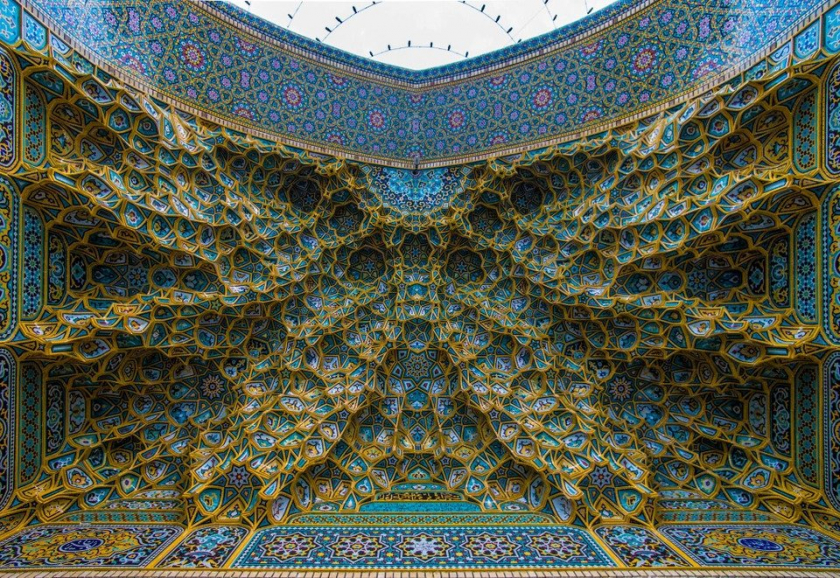
The mosque is one of Iran's national heritage sites and a top tourist attraction. Nasir Al Mulk attracts a large number of visitors; while women are not required to wear a hijab (a headscarf and breast covering), they should still dress modestly and wear a headscarf, as is customary in other parts of Iran.
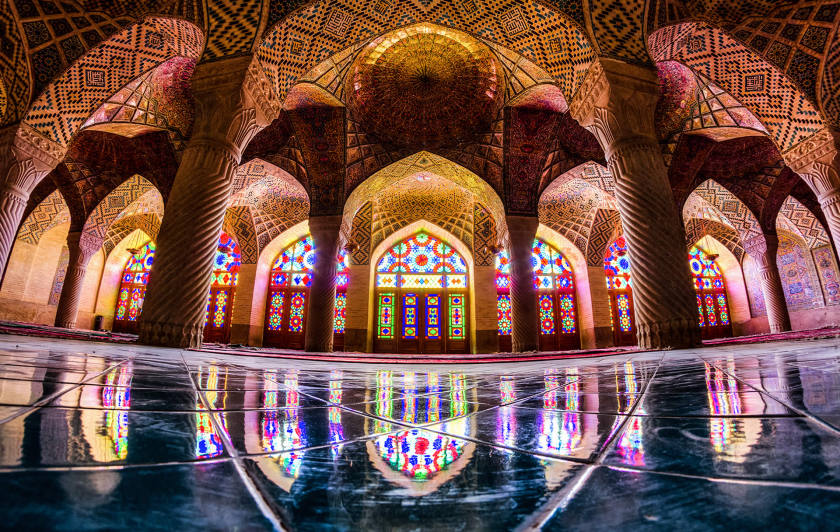
The Nasir al Mulk Mosque has become one of Iran's most popular tourist destinations today, thanks to the splendor of its colorful windows and the unique architecture.
Visiting the Nasir Al Mulk Mosque is like stepping into a magical, fairytale world. Currently, the Nasir Al Mulk Mosque continues to operate, serving the religious needs of the people and also open to tourists, making it one of the top tourist destinations in Iran.