VI
VI


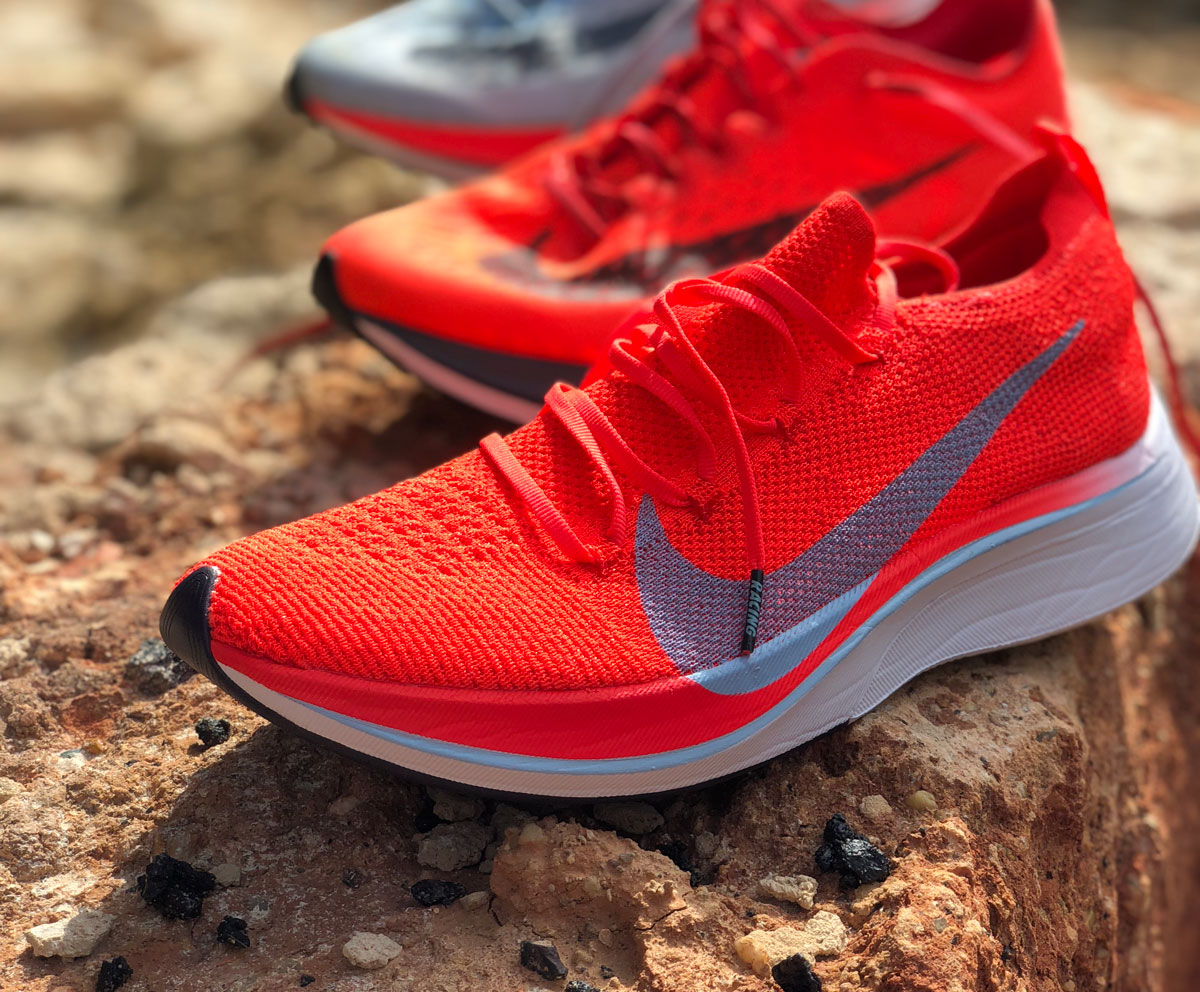
The Nike Vaporfly 4% is constructed from advanced foam combined with a carbon fiber sole to return 4% of energy from one stride to the next. According to a test supervised by the New York Times, an athlete wearing the standard version of the Vaporfly 4% ran 4% to 5% faster than an athlete wearing a regular pair of running shoes.
Specifically, Kenyan athlete Eliud Kipchoge wore the Vaporfly 4% and broke the record for the first time in a two-hour marathon last October. Then, Brigid Kosgei wore the same shoes and broke the women's marathon record the following day.

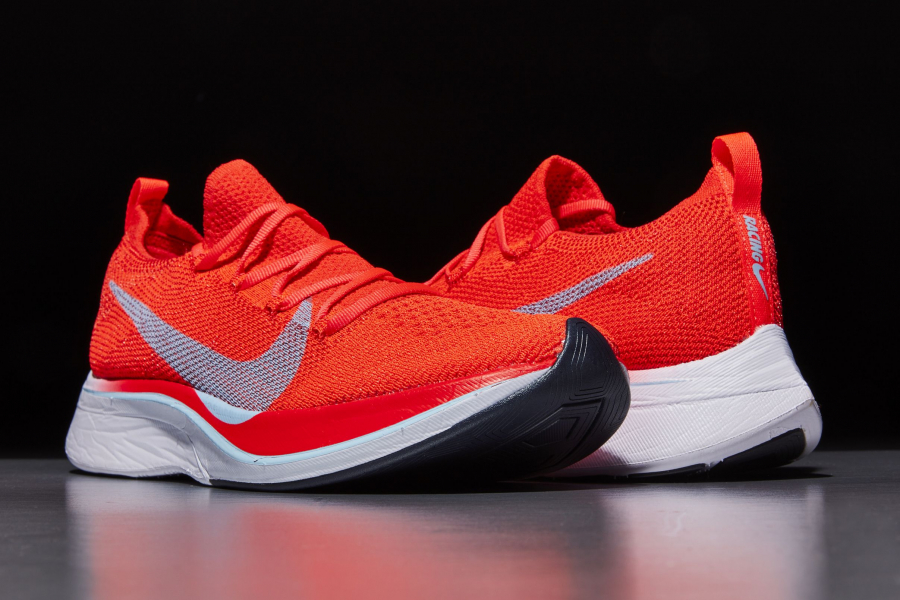
According to the London Times, the Vaporfly 4% will be banned by World Athletics – the international organization responsible for deciding what products track and field athletes are allowed to wear in competitions worldwide – by the end of this year. However, the Guardian is skeptical of this claim, citing multiple sources that a complete ban is unlikely. Instead, the newspaper suggests there will be certain limitations on carbon sole technology.
When asked about this issue, Nike declined to comment, as did World Athletics. However, the International Olympic Committee confirmed that "rules and regulations" regarding running fall under the jurisdiction of World Athletics. In other words, if the Vaporfly 4% is banned by World Athletics, the shoe may not be used at future Olympics.