VI
VI


During these historic days of April, as the entire Vietnamese nation is reminiscing about its glorious history, the film "Underground Tunnels" has stirred a powerful wave of emotion in the hearts of viewers. The realistic footage, recreating the arduous yet incredibly resilient living and fighting conditions of the guerrilla soldiers of the past, has touched the hearts of many, especially the younger generation.
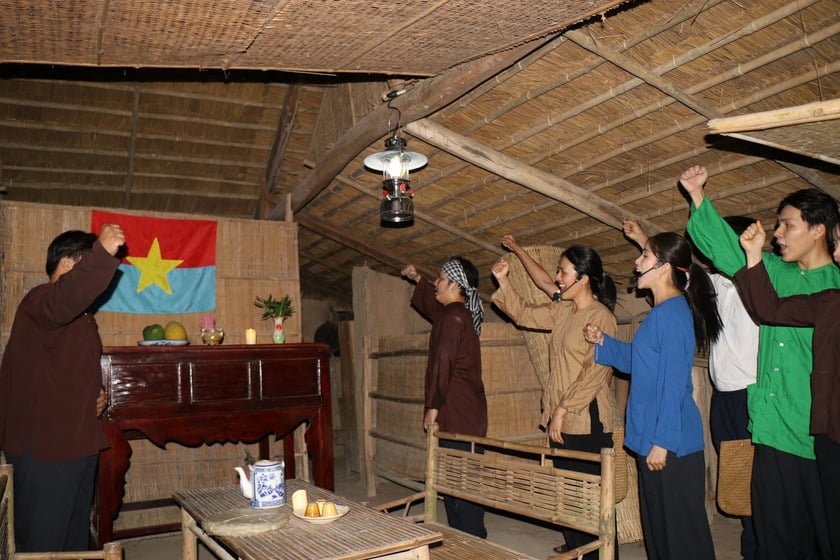
Scene of young men enlisting in the army to fight the enemy.
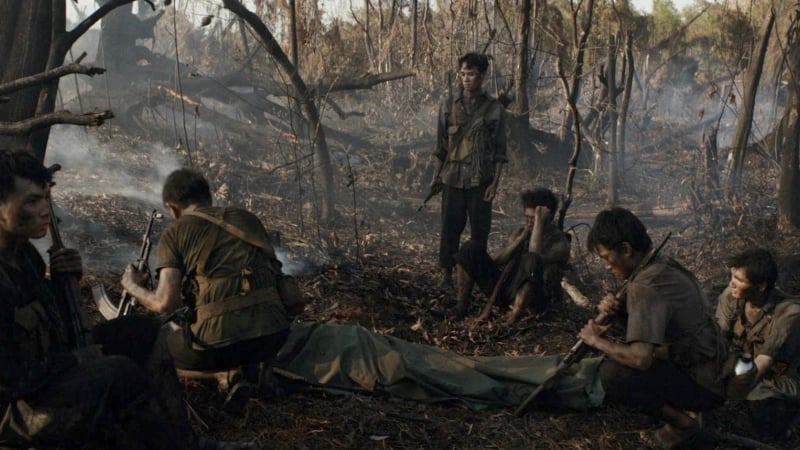
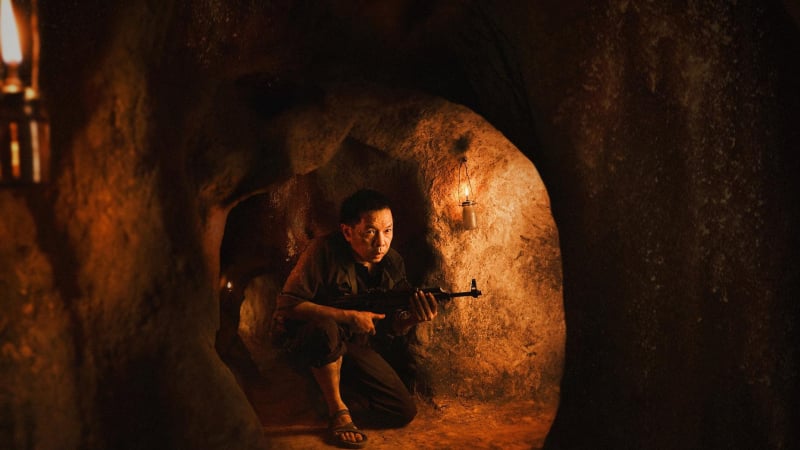
It was the moving images on the big screen that inspired many young people to travel to Cu Chi, the legendary land of the tunnels, hoping to witness the scene firsthand, touch the historical relics, and deeply feel the hardships and difficulties that our soldiers had to endure during the fierce years of war.
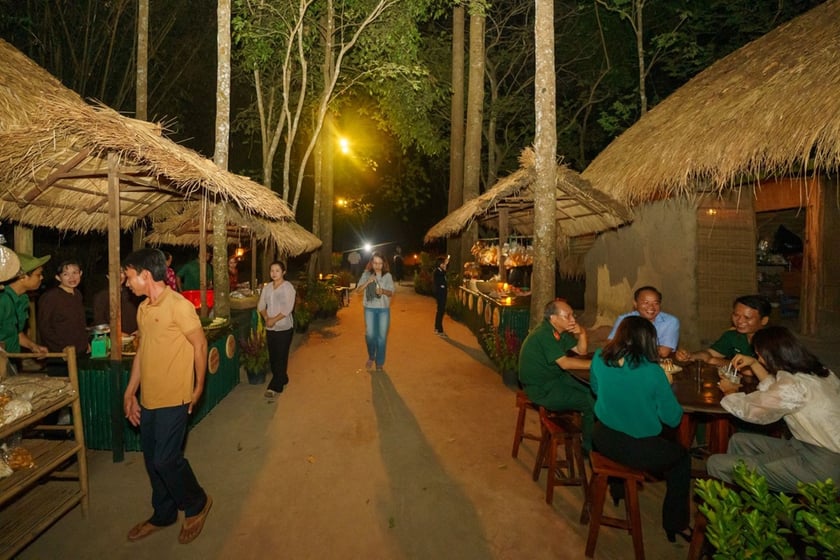
If you have the chance, try to visit and experience the Cu Chi Tunnels at least once.
A trip to Cu Chi these days is not just a visit to historical sites, but also a journey back in time, a precious opportunity for the younger generation to better understand the immense sacrifices of their ancestors. Stepping into the heart of the tunnels, navigating through narrow passages, and witnessing the secret underground chambers, one truly feels the harshness of life beneath the surface. The images in the film seem more vivid than ever, and every inch of this land is steeped in the sweat, tears, and even blood of the nation's outstanding sons and daughters.
Explore the "underground labyrinth"
The Cu Chi Tunnels, a symbol of the indomitable spirit of Vietnam, have long been a popular tourist destination, deeply etched in the minds of both domestic and international visitors whenever they set foot in Ho Chi Minh City. This special historical site is located on the peaceful Provincial Road 15, in Phu Hiep Hamlet, Phu My Hung Commune, Cu Chi District. With an impressive total length of 250 kilometers, this underground tunnel system, with its three different levels of depth, is a testament to the creativity and enduring fighting spirit of our army and people.
The top level is located about 3 meters below ground, the middle level is about 6 meters deeper, and the deepest level, challenging all dangers, is 12 meters deep. The Cu Chi Tunnels are not only a military marvel but also one of the six most famous man-made structures in the world, a testament to the extraordinary power of humankind. Furthermore, its uniqueness and immense historical value have placed the Cu Chi Tunnels tourist area among the top 7 most bizarre and fascinating destinations in Southeast Asia, attracting the curiosity and exploration of tourists from all over the world.

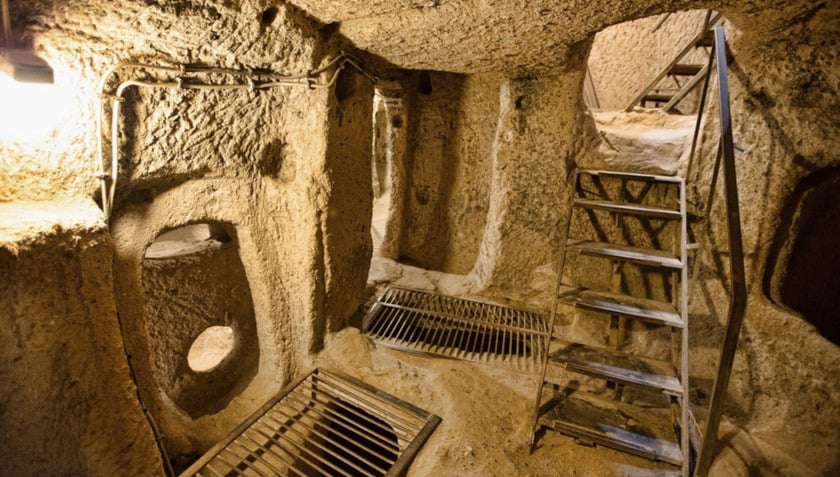
Come to the tunnels to see the grandeur and scale of the approximately 250km of underground tunnels, to see the intricate maze that the enemy could never decipher.
For a long time, the Cu Chi Tunnels have affirmed their position as one of the most interesting destinations in Saigon, carrying within them profound and inspiring historical stories. However, not everyone has had the opportunity to thoroughly learn about the arduous yet glorious process of formation and development of this unique structure. The history of the Cu Chi Tunnels is closely linked to the arduous period of the resistance war against the French, from 1946 to 1948. The project was initially initiated and carried out by the army and people of Tan Phu Trung and Phuoc Vinh An communes with the initial purpose of creating a safe haven, while also storing weapons and military equipment to serve the long-term struggle.
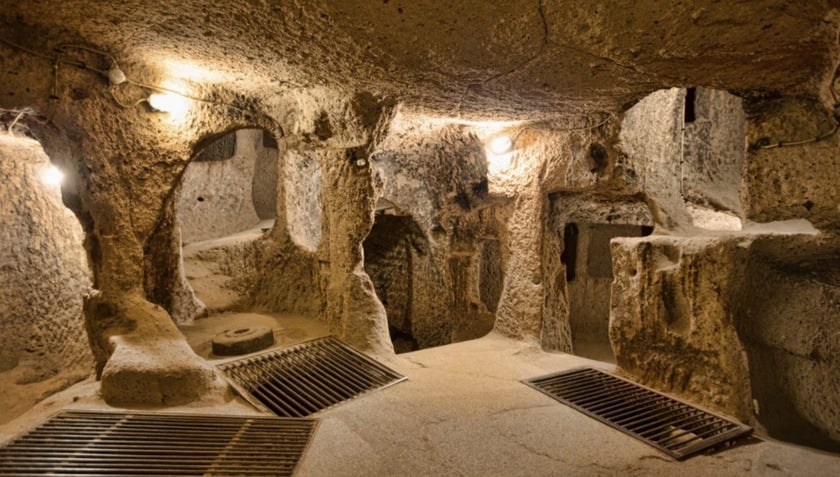
This is a miniature world, meticulously constructed by our ancestors, from trenches and battlements to infirmaries, living quarters, kitchens, and storage facilities… marking the end of a long and arduous struggle by our nation.
During the period from 1961 to 1965, recognizing its strategic importance, the tunnel system was extensively developed, expanding into many complex branches, closely linked together, forming a vast and effective underground transportation network. Above ground, the tunnel system was also systematically equipped with countless treacherous spike pits, secret bell tunnels, and dangerous minefields, contributing significantly to the protection and support of our army and people's fight against the invading enemy.
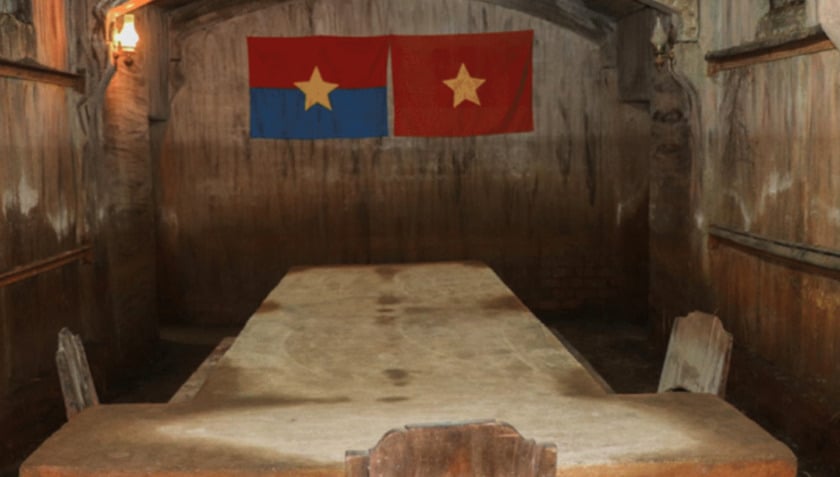
Go, to hear the story of how fierce the Cedar Falls Campaign was, and how the steel land of Cu Chi once endured a rain of bombs and bullets.
A trip to the Cu Chi Tunnels would be incomplete and lacking if visitors missed the opportunity to explore deep inside these amazing underground tunnels.
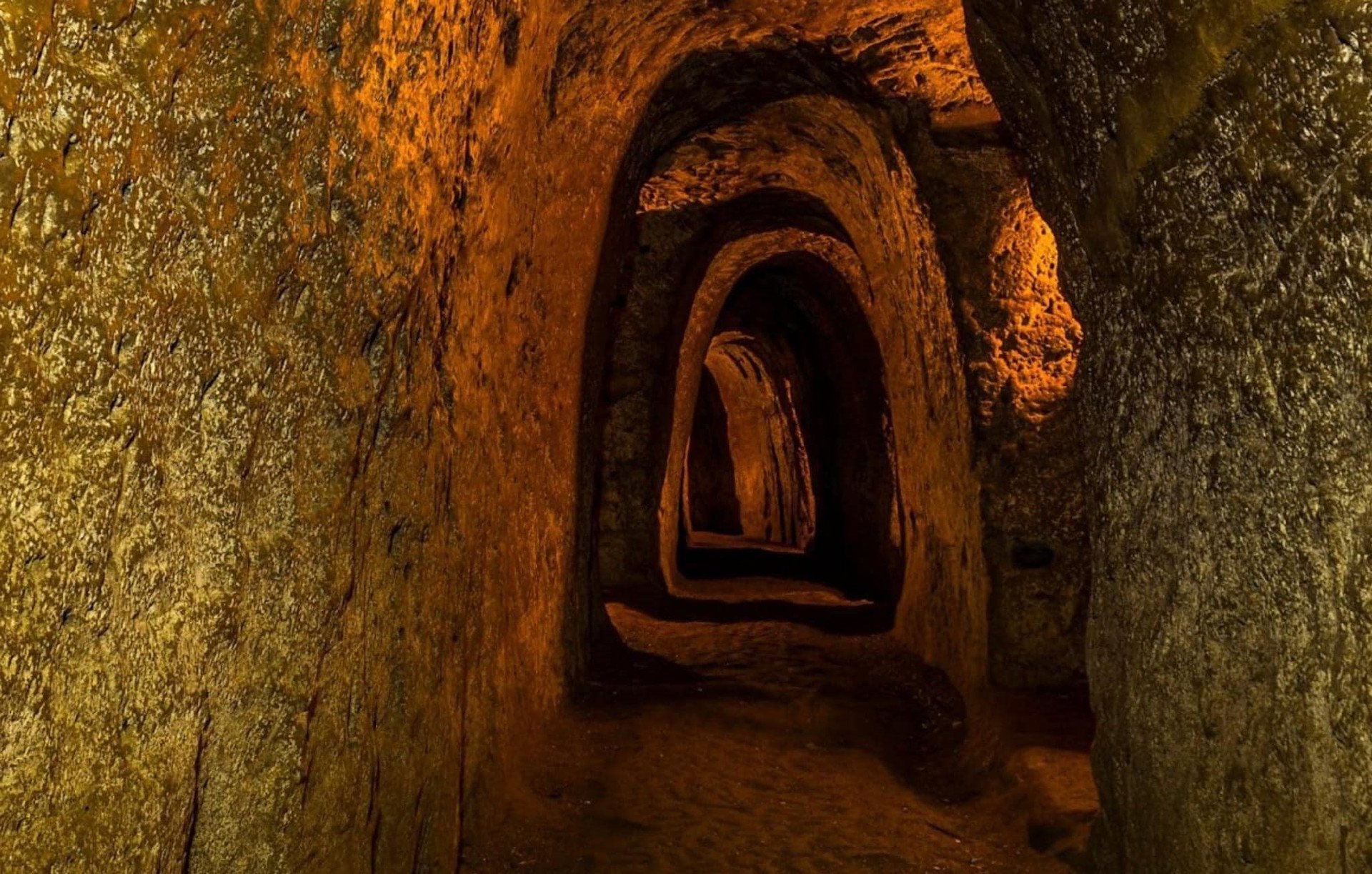
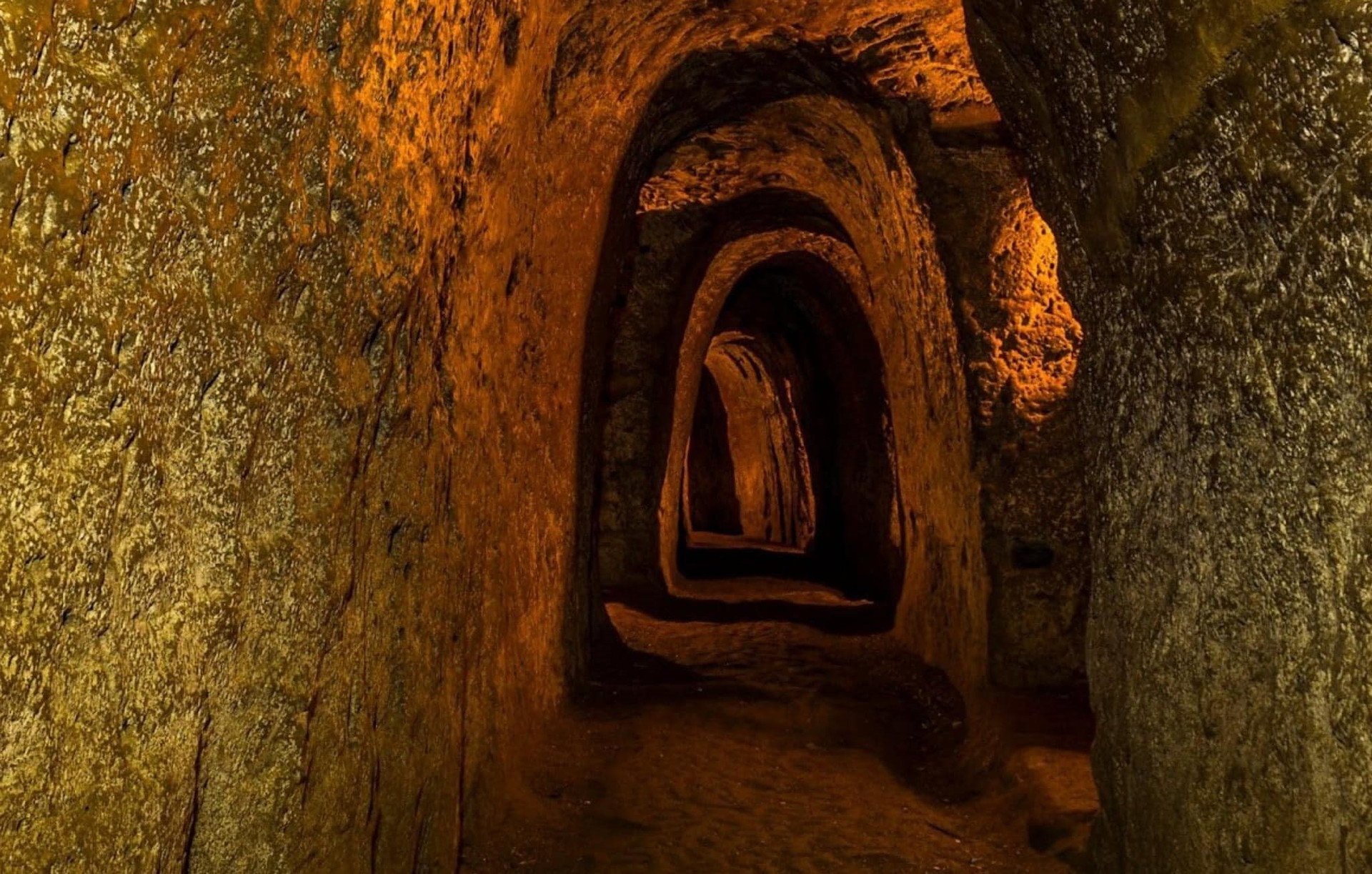
Here, visitors will have the opportunity to see firsthand the intact tunnels – where our soldiers and civilians once lived, fought, and worked throughout the fierce war. A tunnel section approximately 120 meters long with a two-tiered structure will offer visitors an incredibly interesting and authentic experience, helping them to better visualize the lives and resilience of the Vietnamese people.
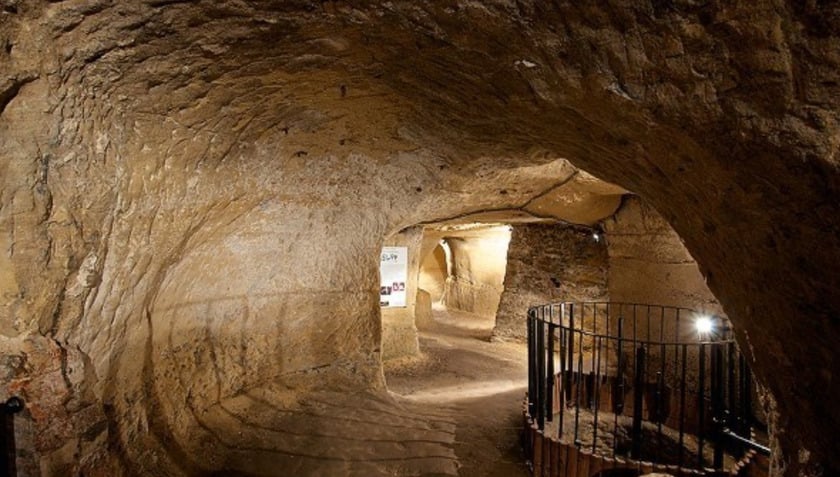
These dark, narrow, and hot tunnels, barely wide enough to crawl through in a few minutes, were where soldiers of yesteryear lived, fought, and sacrificed their lives for years without sunlight.
One unmissable experience when visiting the Cu Chi Tunnels is exploring the recreated war zone. As a famous historical site with profound significance, the Cu Chi Tunnels are also linked to the heroic chapters of the nation's history during various wars.
Visiting this recreated area, tourists will have the opportunity to watch valuable documentary films, slow-motion replays of the arduous yet incredibly heroic daily life and battles of our soldiers and people while living and fighting on this land. In addition, visitors can admire many models of famous historical landmarks of Vietnam, vividly recreated at this tourist site, such as the ancient Long Bien Bridge, the unique One Pillar Pagoda, the historic Nha Rong Wharf, and the magnificent Saigon Bridge, providing a more comprehensive and in-depth view of Vietnamese history and culture.
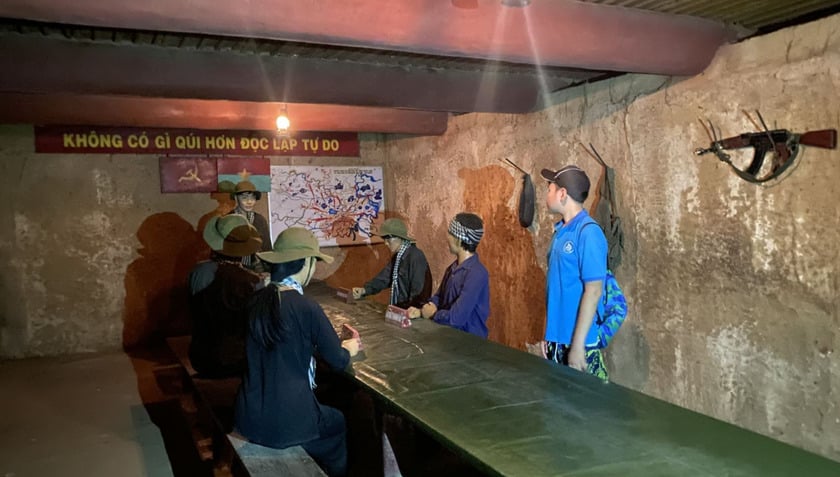
Go and see for yourself what the previous generation had to face. Bombs, poison gas, sniffer dogs, pumping water to flood tunnels, even using "rat soldiers" (military rat soldiers).
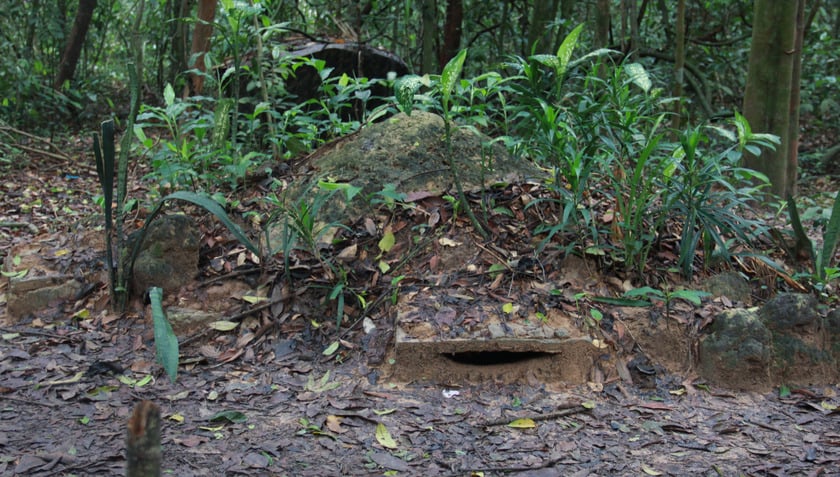
Furthermore, visitors to the Cu Chi Tunnels are also extremely interested in highly interactive activities such as disassembling and assembling guns and trying their hand at shooting. Here, visitors receive enthusiastic and attentive guidance from the tourist area's staff, helping them better understand the structure and use of the weapons that were once associated with the war. This activity usually attracts a large number of visitors, especially international tourists, who are always curious and want to explore more about Vietnam's military history.
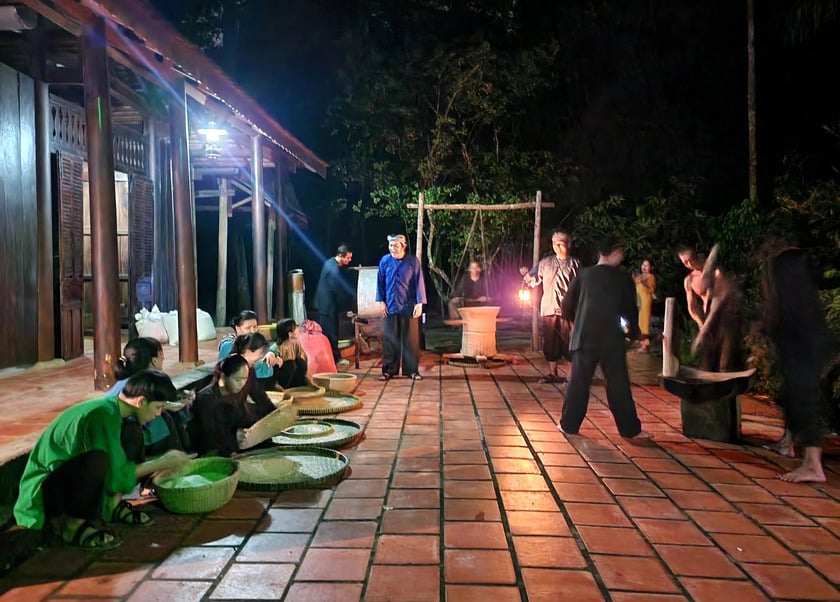
There are many other activities here where visitors, especially young people, can learn more about the glorious history of our nation.
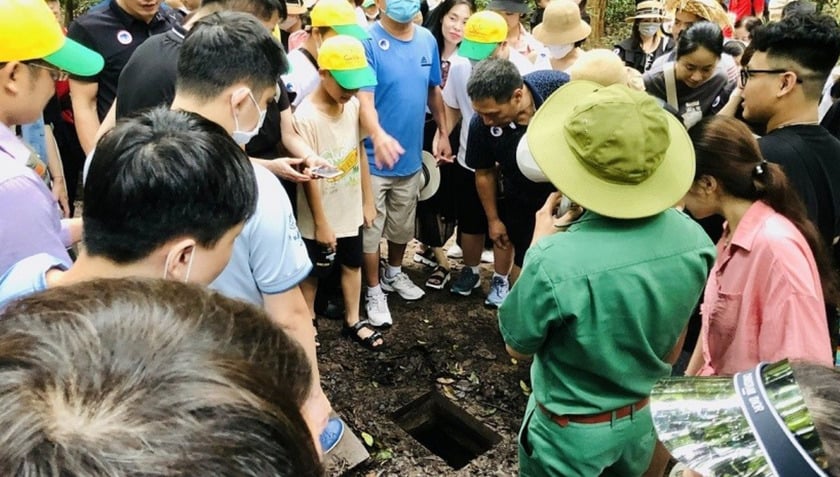
After the movie "The Tunnels" aired, many young people flocked to Cu Chi to rewatch the footage with their own eyes and hearts.
A trip to Cu Chi during these historic April days is not just about satisfying curiosity or "checking in" at a famous landmark. It is also a journey of profound education about patriotism, the indomitable fighting spirit, and the self-reliance of the Vietnamese people.
The hardships and difficulties our soldiers endured are not just stories in books or on screen, but have become real-life experiences, deeply etched in the minds of every young person, arousing boundless pride and gratitude for those who fell for the independence and freedom of the Fatherland. Cu Chi in these days is not only a historical site, but also a living symbol of the Vietnamese spirit, a sacred destination for the younger generation to understand and appreciate more the historical values that their ancestors painstakingly built and protected.