VI
VI


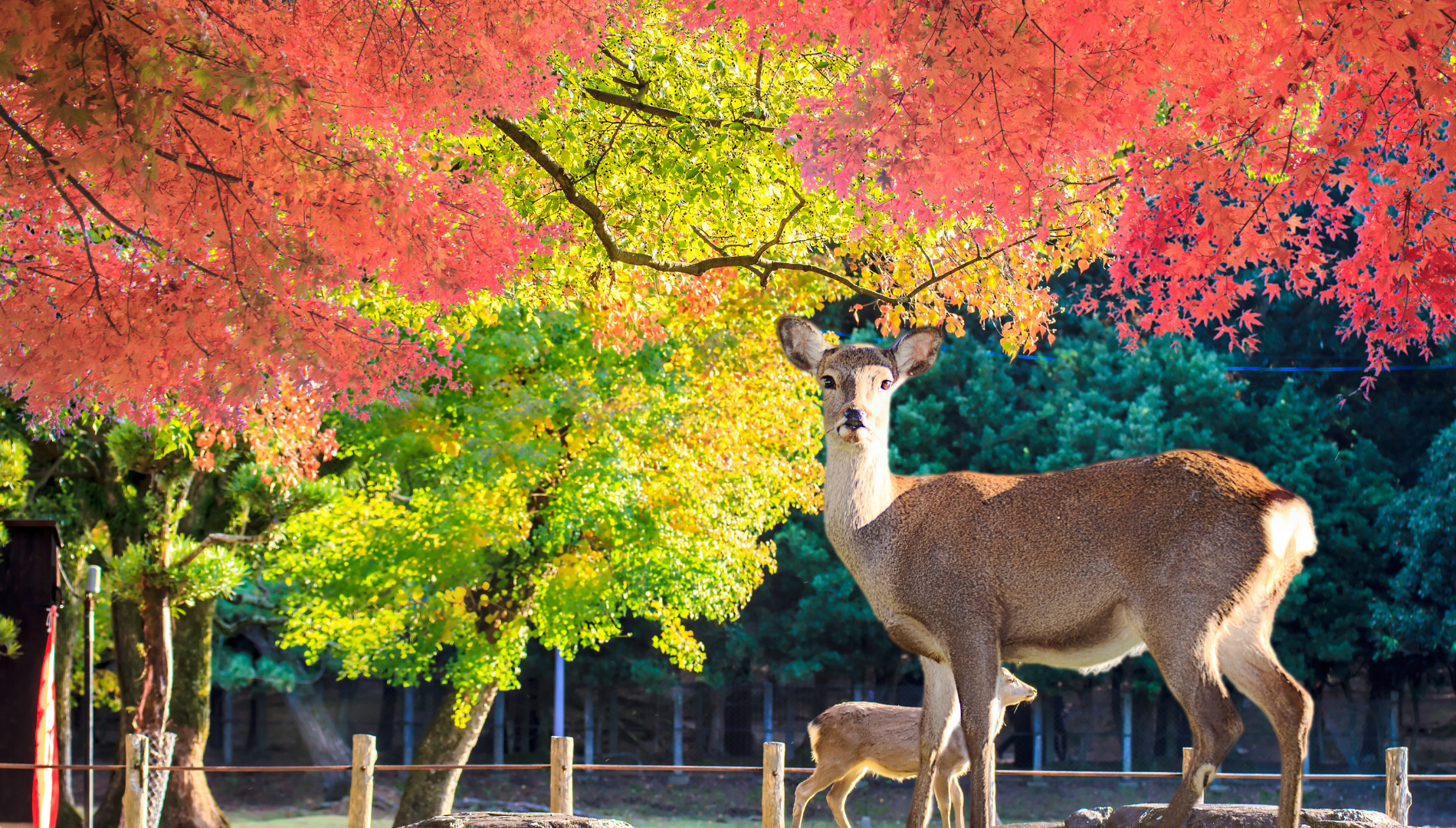
Recently, Japan's national broadcaster NHK reported that in September alone, there were 43 incidents of deer butting tourists' legs at Nara Park in Nara City, Japan, a 2.5-fold increase compared to the same period in 2023.


The recent surge in deer attacks has caused great concern among scientists and wildlife conservationists. Besides pregnancy, several other factors may contribute to this situation, such as climate change, food scarcity, or an increase in tourist numbers.
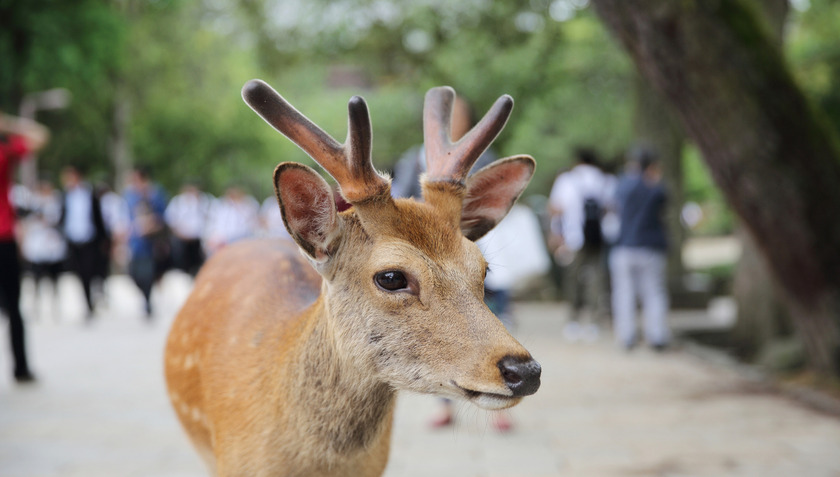
The deer that live in Nara Park are among the wild animals recognized as natural treasures of Japan.
Some experts suggest that tourists regularly feeding deer inappropriate food may affect their behavior, causing them to become accustomed to begging and potentially become aggressive when their needs are not met. This not only impacts tourist safety but also threatens Nara's tourism industry, which relies heavily on the image of these friendly deer.

Starting October 10th, Nara Park management and the Nara Deer Protection Association will issue a "serious" alert and continuously monitor and remind visitors to stay away from the deer herd.
Previously, due to Japan's hot weather, Nara Park decided to install numerous cooling misting devices, hoping to help visitors cool down. However, all the spots where these devices were installed were occupied by herds of "sacred deer."
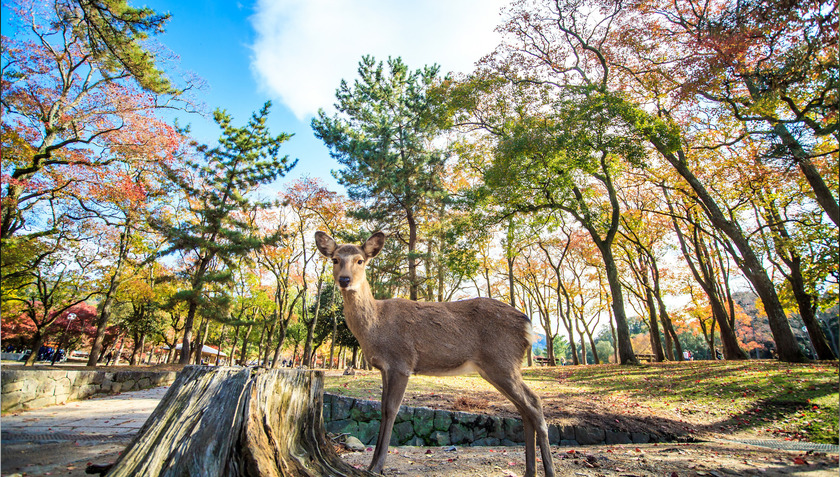
There are approximately 1,300 deer living in the park. These deer are not domesticated, but visitors can still feed them crackers, a food specifically suited to this species.
Deer appear in many traditional rituals of the people of Nara, especially in festivals at Kasuga Shrine. It is believed that touching deer antlers brings good luck and peace. Images of deer are depicted on many art and architectural artifacts, such as sculptures and paintings, creating a unique characteristic of Nara culture. Deer have become an indispensable part of Nara life. They are raised, protected, and treated as members of the family.
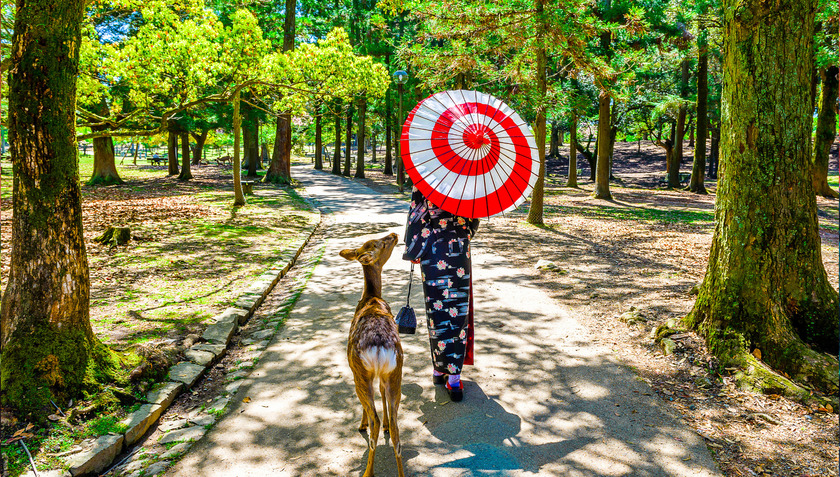
Visitors can see the newborn deer every June.
It is also said that the deer in Nara Park have white fur on their hind legs, and people believe that these deer are messengers of the gods, and whoever encounters them will have good fortune.
According to the Nara Deer Preservation Foundation, as of 2021, Nara Park in Japan was home to over 1,000 deer living freely. These deer are considered a cultural symbol and a significant tourist attraction.