VI
VI


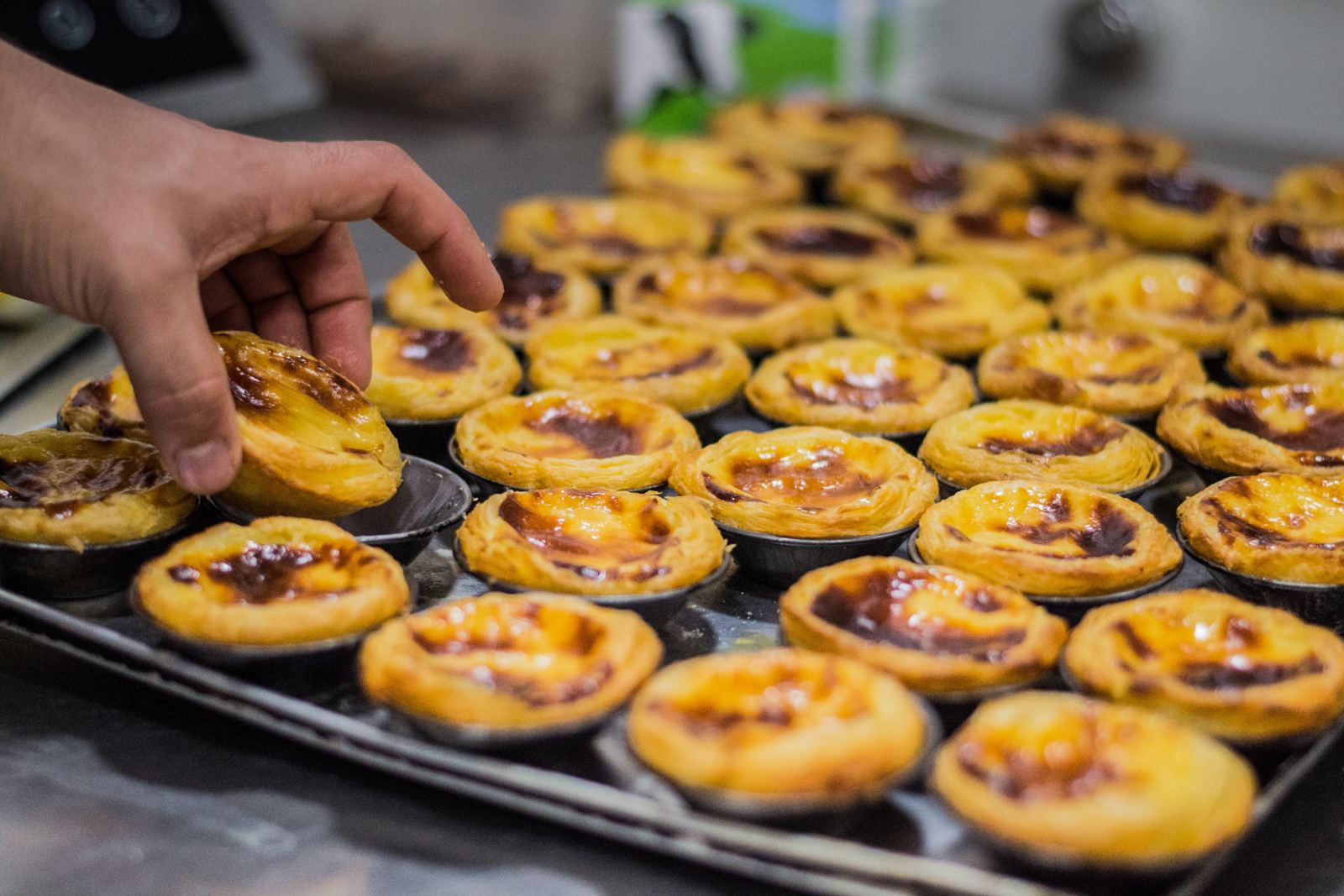
All I was looking forward to when I came to Lisbon was to enjoy an egg tart at the very place that first sold them in the world! Sounds magical, right? And that's certainly the wish of those who patiently queue in long lines outside that legendary bakery.
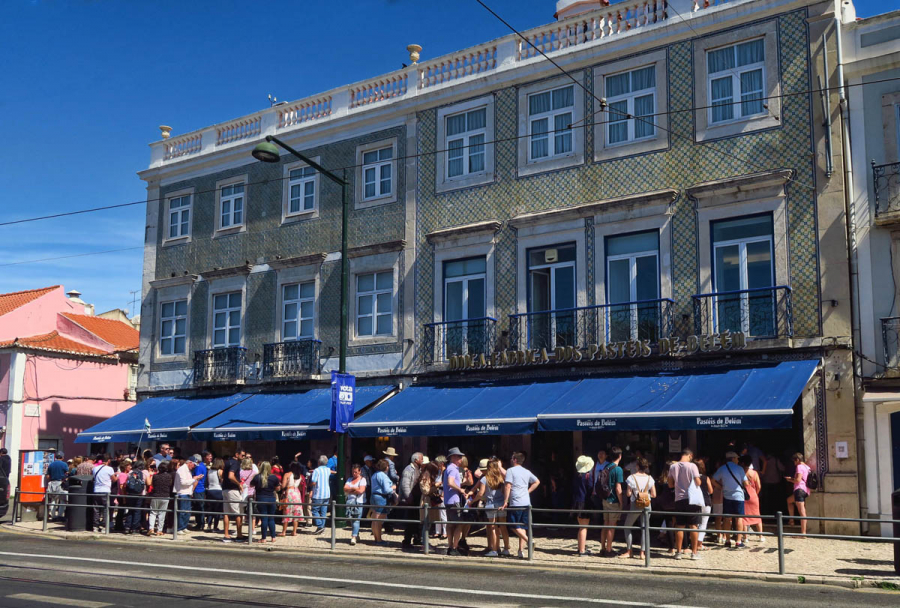
There are always long lines of people in front of the Pastéis de Belém bakery.
Pastéis de Belém, a type of custard tart (also known as Custard Tart), features a multi-layered tart crust and a smooth, creamy custard filling. I still vividly remember that chilly evening in front of Saint Roch Church, opening the box of Pastéis de Belém I had bought six hours earlier and savoring it with astonishment at how perfectly crisp the small tart remained. It was truly an unforgettable experience.
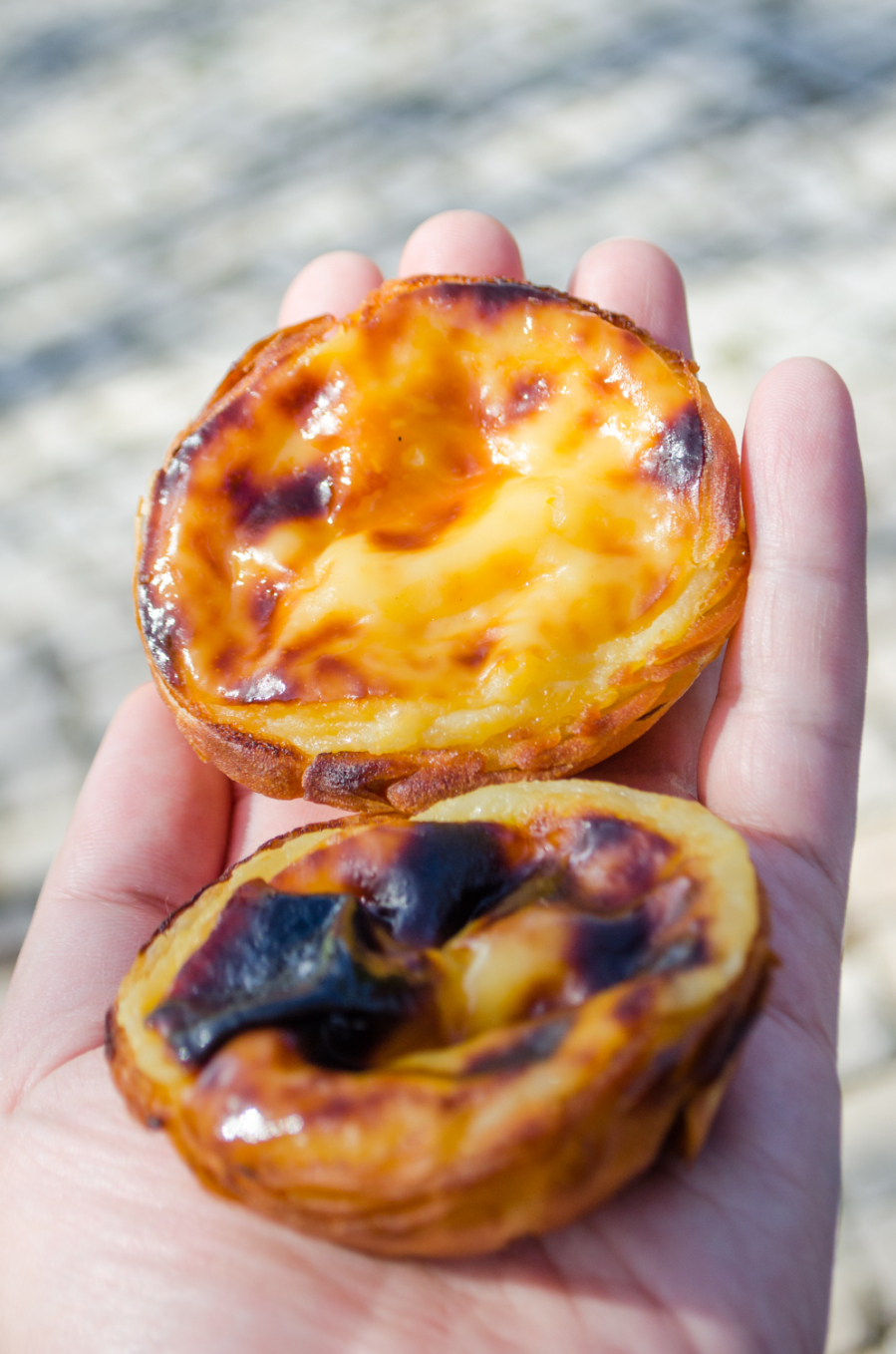
"Portraits" of golden-brown tarts
The Portuguese call these egg tarts "pasteis de nata." This traditional pastry is sold throughout the country in countless variations. However, interestingly, the recipe for a regular pasteis de nata is completely different from that of Pastéis de Belém. It is the first, only, and entirely secret recipe!
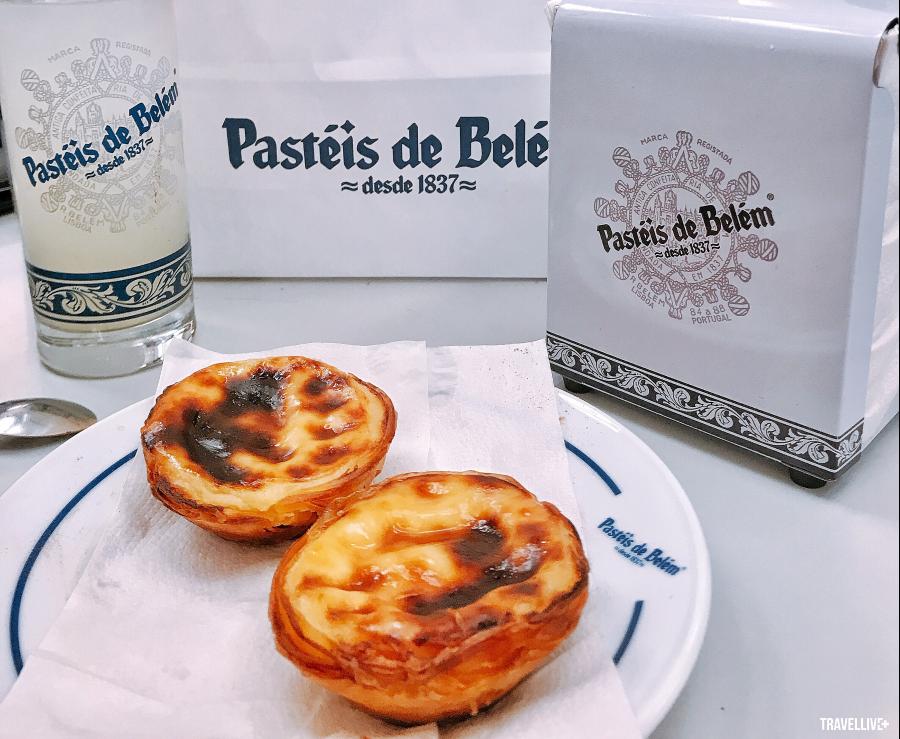
Pastéis de Belém
Pastéis de Belém is sold exclusively at a famous pastry shop of the same name in Belém (a district of Lisbon), which is nearly 200 years old. The recipe was created by the monks of the Mosteiro dos Jerónimos Monastery in Lisbon in the late 18th century. At that time, monasteries often used large quantities of egg whites to starch fabric for monks' robes. They had to find a way to utilize the leftover egg yolks instead of discarding them. It was from this idea that the world's first egg tarts were born.

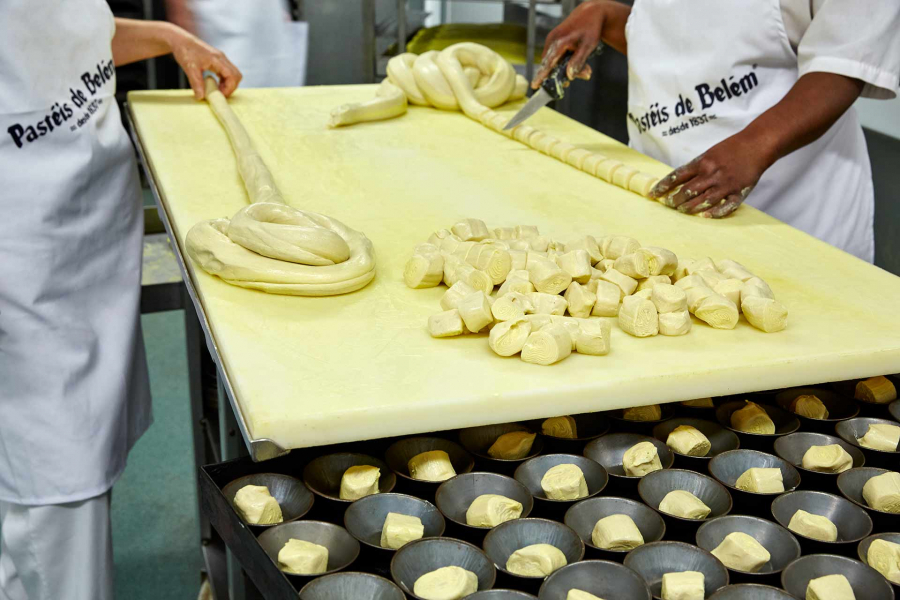
Pastéis de Belém officially opened in 1837 and remains open to this day.
Because of the 1820 Liberal Revolution, all monasteries in Portugal were temporarily closed for many years, and monks and clergy were expelled. To make a living, the monks went to a nearby sugar refinery and began selling egg tarts. In 1834, the Mosteiro dos Jerónimos monastery was officially closed, and the legendary recipe was sold to the owner of the sugar mill. By 1837, the mill owner had stopped sugar production and opened the Pastéis de Belém bakery, which he has maintained with his descendants to this day.
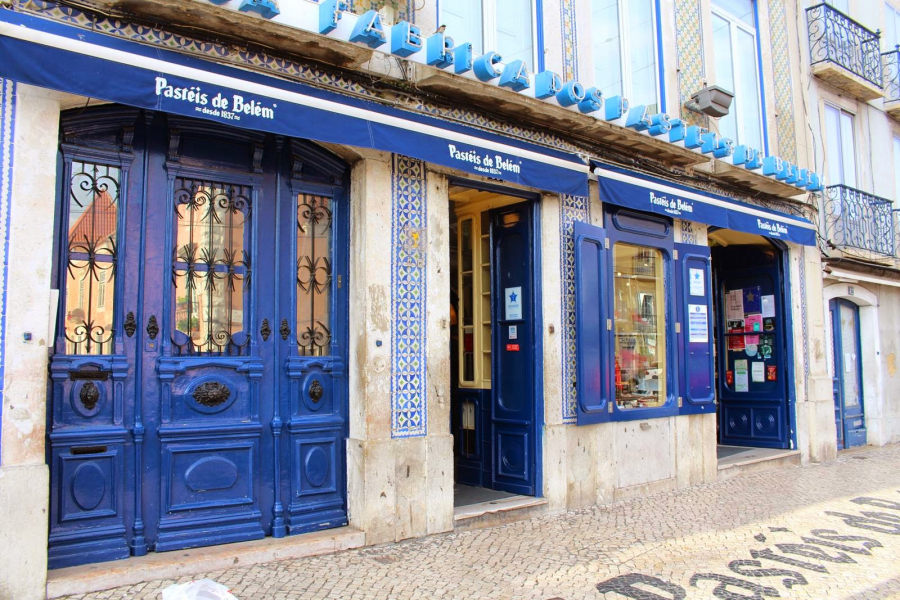
Outside the Pastéis de Belém bakery
In that pastry shop, there's a room called The Of Ofinaina do Segredo – the Secret Room. This is where the special dough coating and rich custard of the Pastéis de Belém are prepared. The recipe is patented and known only to six people in the world: the sugar mill owner, two close relatives, and the shop's three head chefs – all of whom signed a confidentiality agreement. And after nearly 200 years, the recipe remains exactly as it was originally.
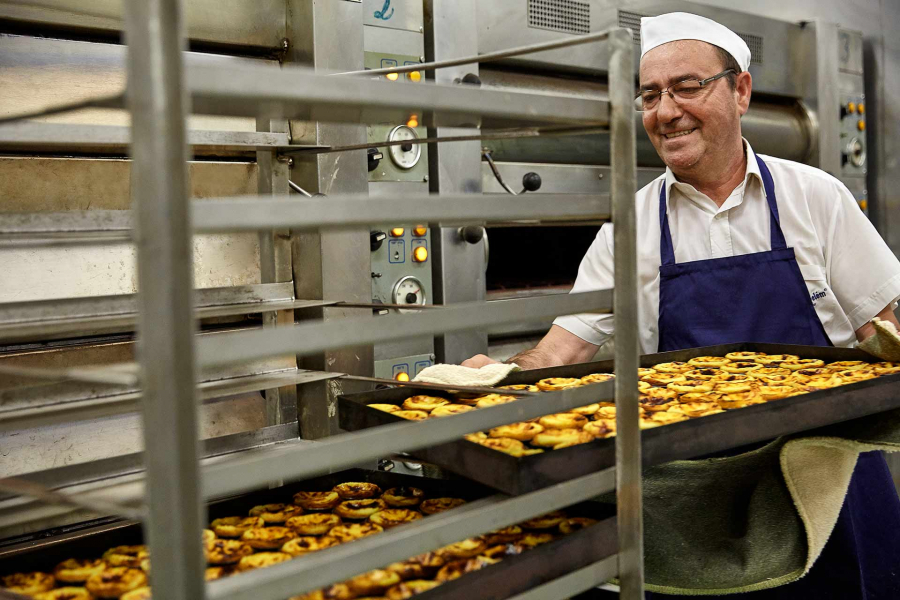
On average, about 20,000 cakes are sold each day.
According to Miguel Clarinha, the owner of the bakery, his family's bakery sells around 20,000 pastries daily, and that number can reach 40,000 during the tourist season. Now, to enjoy a pastry at Pastéis de Belém, you have to join the incredibly long line in front of the shop to buy one to take away. If you want to enjoy them on the spot, you have to go inside the shop, which has a capacity of 400 but is always packed, and wait in another long line!
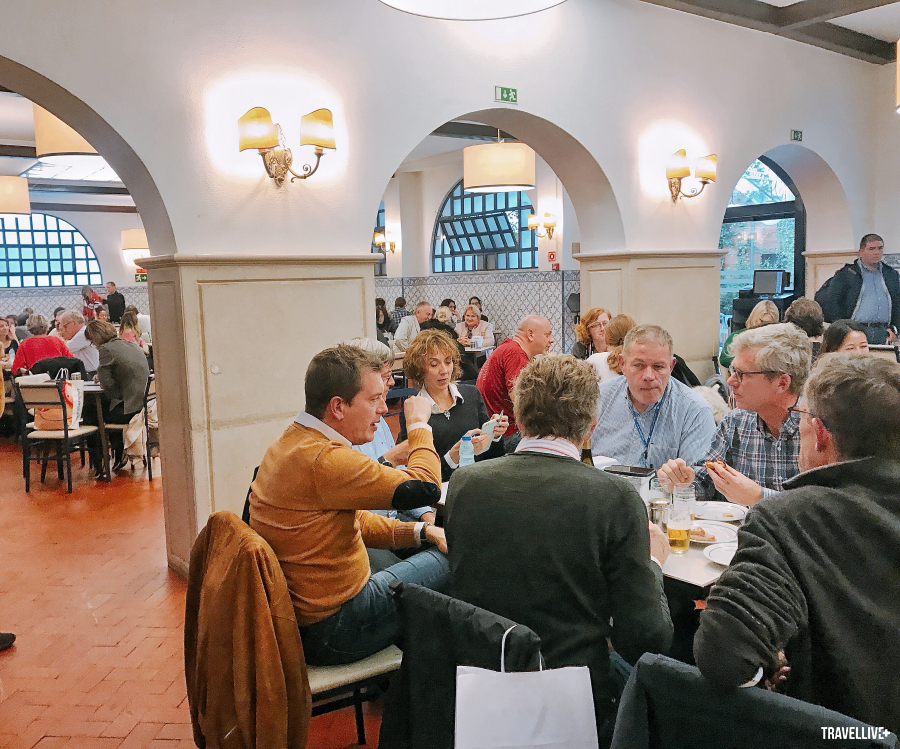
The shop, with a capacity of over 400 people, is always packed.
I witnessed that "spectacular" crowd when I arrived in Belém on a rainy day. The rain seemed to only make the bakery even busier. And all the fatigue from the wait vanished the moment I tasted my first piece of Pastéis de Belém.
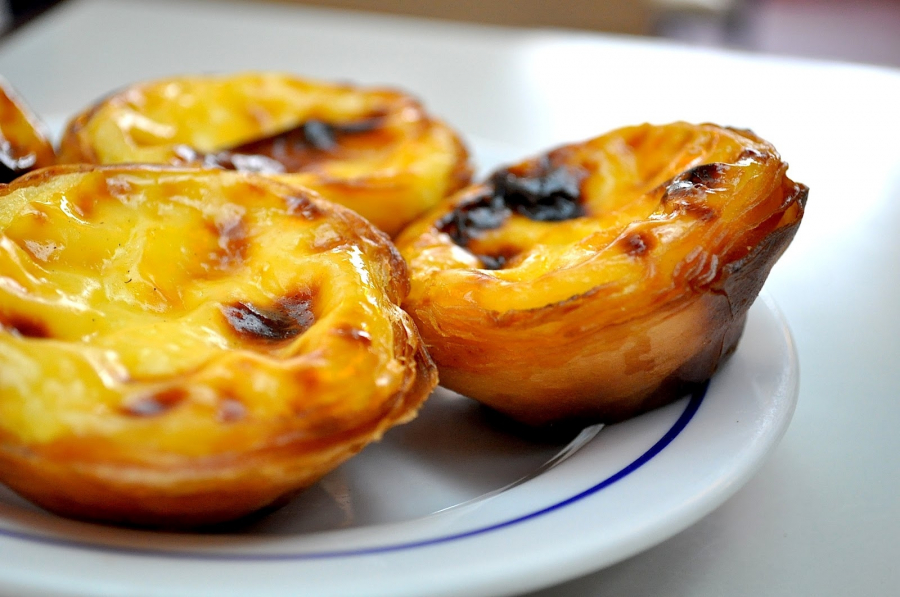
A superb burst of flavor, as it perfectly harmonizes all the ingredients. The rich, creamy custard filling blends with the crispy crust and a hint of fragrant cinnamon sprinkled on top. Add a glass of bica – a popular Portuguese coffee – and you have the perfect treat for a rainy day!
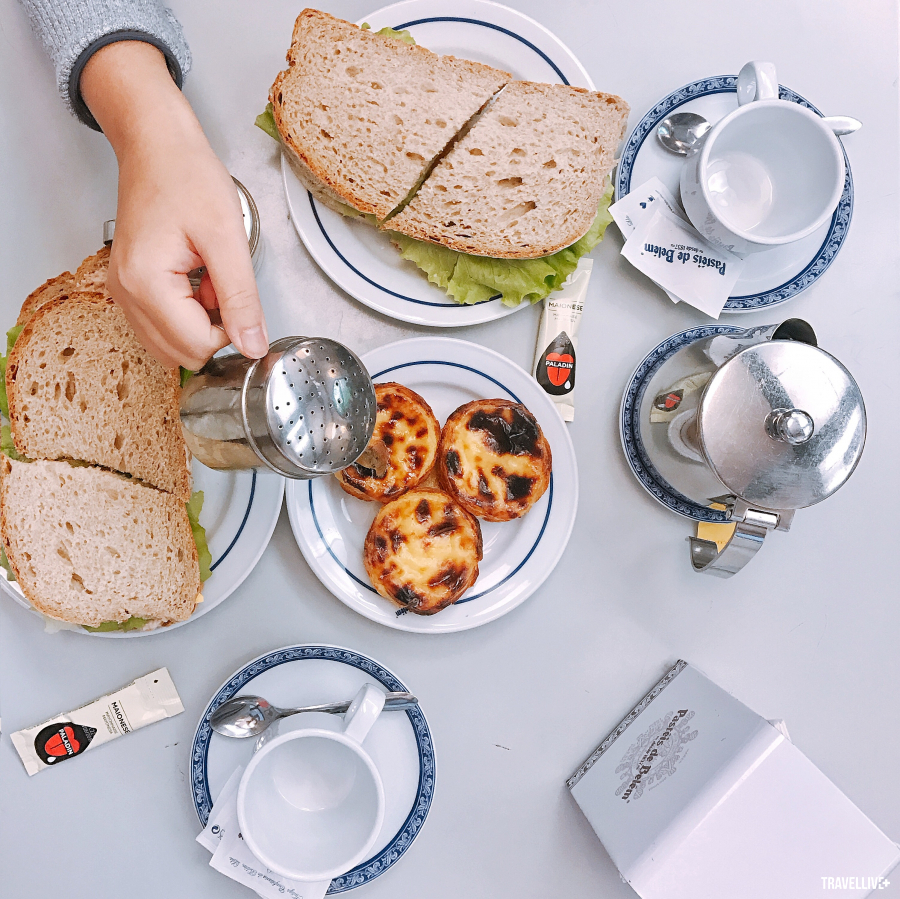
In 2009, The Guardian listed Pastéis de Belém as one of the 50 best dishes in the world.
An old Portuguese proverb says, "A bride who eats cake will never take off her ring." And that's why, on their wedding day, couples from this land will certainly visit Pastéis de Belém to enjoy the happiest egg tart of their lives.