VI
VI


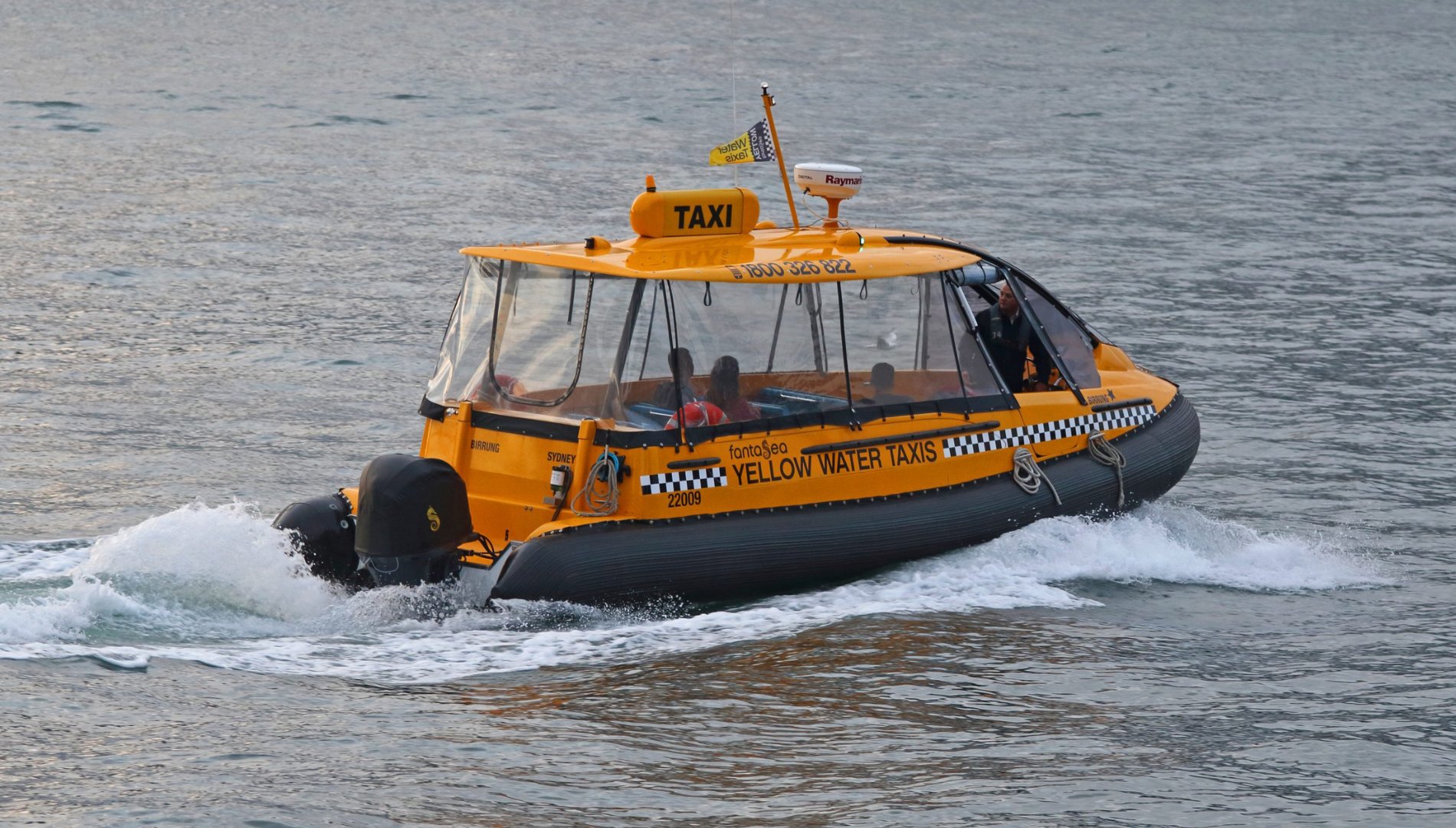
In a relentless effort to enhance the tourism experience and address the increasingly pressing transportation challenges, Bali Governor Wayan Koster has announced an ambitious plan to launch a "water taxi" service. This project is expected to create a breakthrough in the island's transportation system, particularly on the vital route connecting I Gusti Ngurah Rai International Airport with Nusa Dua, one of Bali's top tourist destinations in Badung Regency.
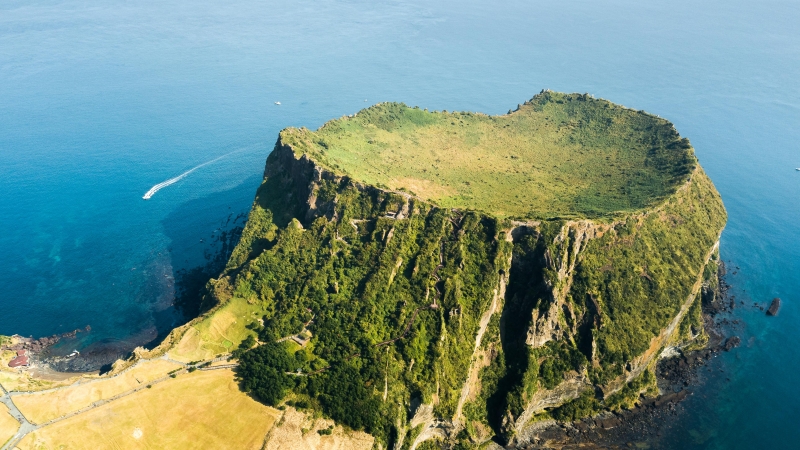
According to Mr. Koster, the introduction of "water taxis" is not just a simple transportation solution, but a harmonious blend of modernity and tradition. To ensure the feasibility and effectiveness of the project, the Bali authorities conducted trials using jukung, a traditional boat characteristic of the island. These jukungs, with their unique design and maneuverability, were put into operation on potential waterways to collect data and assess their practical transport capacity.
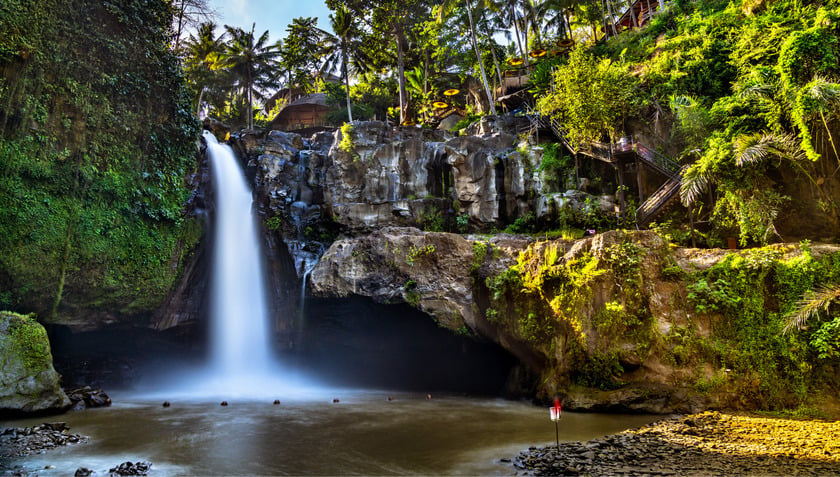
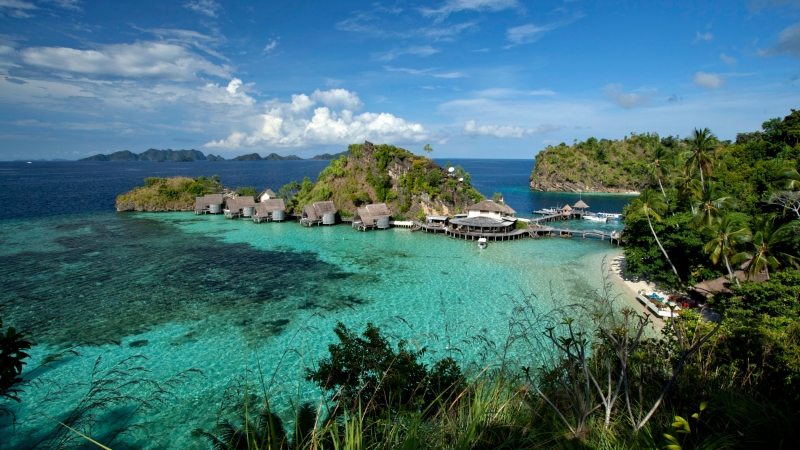
Bali has become a dream travel destination for millions of tourists.
Initial test results have shown positive signs. Travel time by jukung from I Gusti Ngurah Rai Airport to Uluwatu Temple in Nusa Dua ranges from 35-40 minutes, a rather impressive figure considering the current road traffic congestion. Meanwhile, using high-speed motorboats shortens travel time to 25-30 minutes, opening up diverse and time-saving transportation options for tourists.
Not stopping at "water taxis," the Bali authorities are also actively researching and considering other transportation solutions to enhance connectivity between key tourist destinations on the island. Diversifying transportation methods not only helps reduce pressure on the road transport system but also provides tourists with rich and memorable travel experiences.

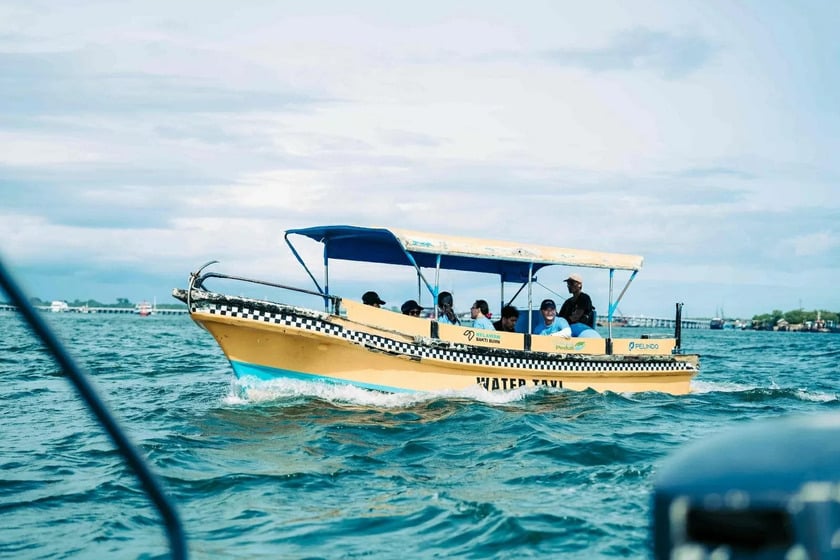
A "water taxi" service will be implemented on the route connecting I Gusti Ngurah Rai International Airport with the Nusa Dua area in Badung Regency.
This ambitious project promises to give Bali's transportation system a new look, not only relieving pressure on already overloaded road networks but also opening up a novel and attractive mode of travel for tourists. With its intricate network of canals and rivers, Bali possesses enormous potential for developing water transport. Modern, environmentally friendly "water taxis" will navigate through the lush green canals, taking visitors to the island's famous destinations, from ancient temples and pristine beaches to vibrant local markets.
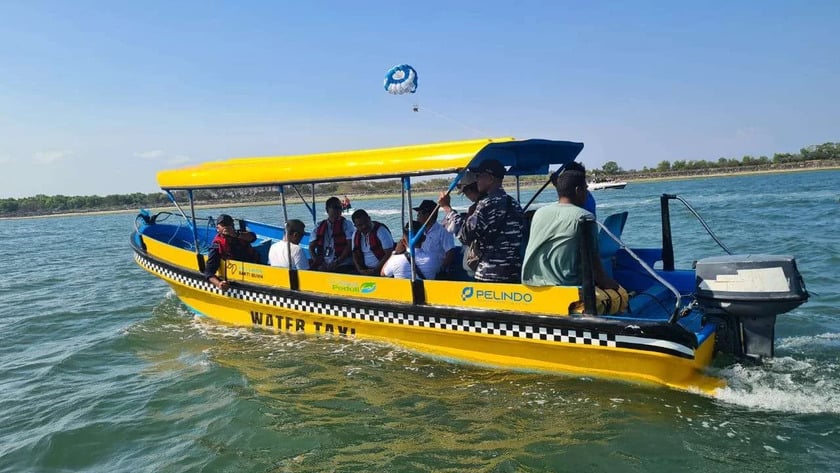
This presents an opportunity to offer tourists an additional mode of transportation.
Besides reducing traffic congestion, the "water taxi" service offers other significant benefits. It contributes to environmental protection by reducing emissions from road vehicles, while also creating unique and memorable travel experiences for tourists. Sitting in these "water taxis," visitors have the opportunity to admire the beauty of Bali from a completely new perspective, gazing at lush green rice fields, traditional houses with bright red tiled roofs, and the friendly and hospitable people of Bali.
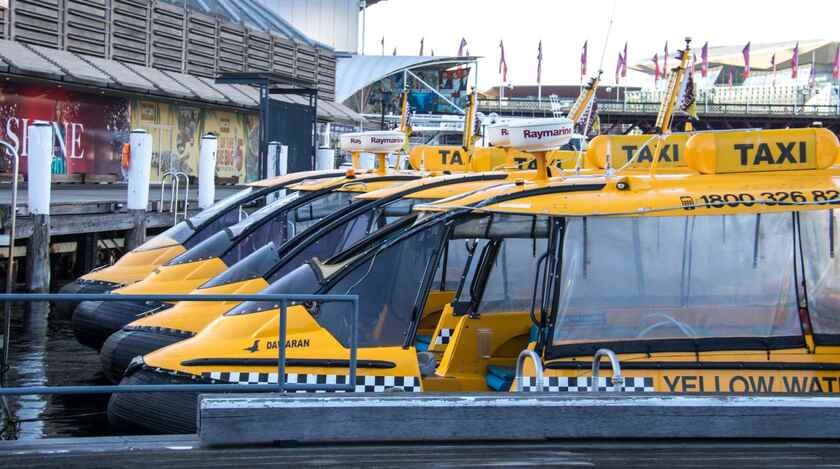
The use of jukung, a traditional Balinese boat, is being tested to measure its efficiency in waterway transportation.
With such immense potential, the "water taxi" service promises to become a new symbol of Bali tourism, a smart and sustainable transportation solution that contributes to improving the quality of life for local people and provides wonderful experiences for tourists from all over the world.
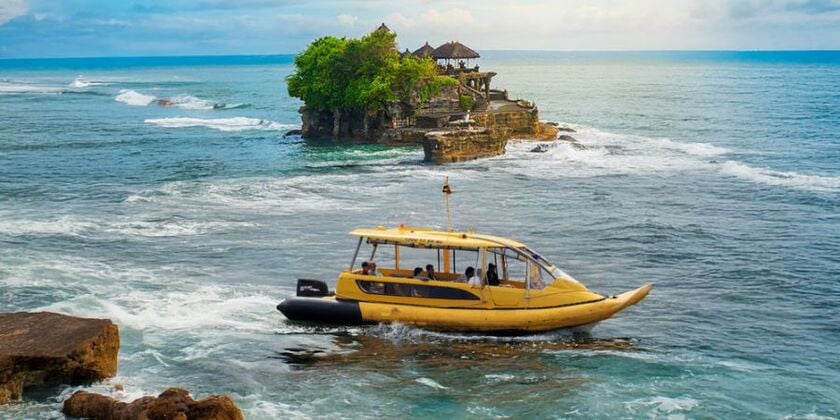
Besides "water taxis," authorities are also considering other transportation solutions to enhance connectivity between major tourist destinations.
Famous worldwide for its breathtaking natural landscapes, stunning pristine beaches, and rich cultural heritage, Bali has become a dream travel destination for millions of tourists. In 2024, the "Island of the Gods" proudly welcomed approximately 6.3 million international visitors, an impressive number that demonstrates the island's irresistible appeal.
With its past successes, Bali is constantly setting higher goals to solidify its position on the world tourism map. This year, the beautiful island aims to welcome 6.5 million international visitors, an ambitious but entirely achievable figure given Bali's inherent potential.
Bali's allure stems from the harmonious blend of natural beauty and unique cultural values. Visitors can not only immerse themselves in the crystal-clear waters and enjoy the long stretches of pristine white sand beaches, but also have the opportunity to explore ancient temples, lush green rice paddies, and long-standing traditional craft villages.