VI
VI


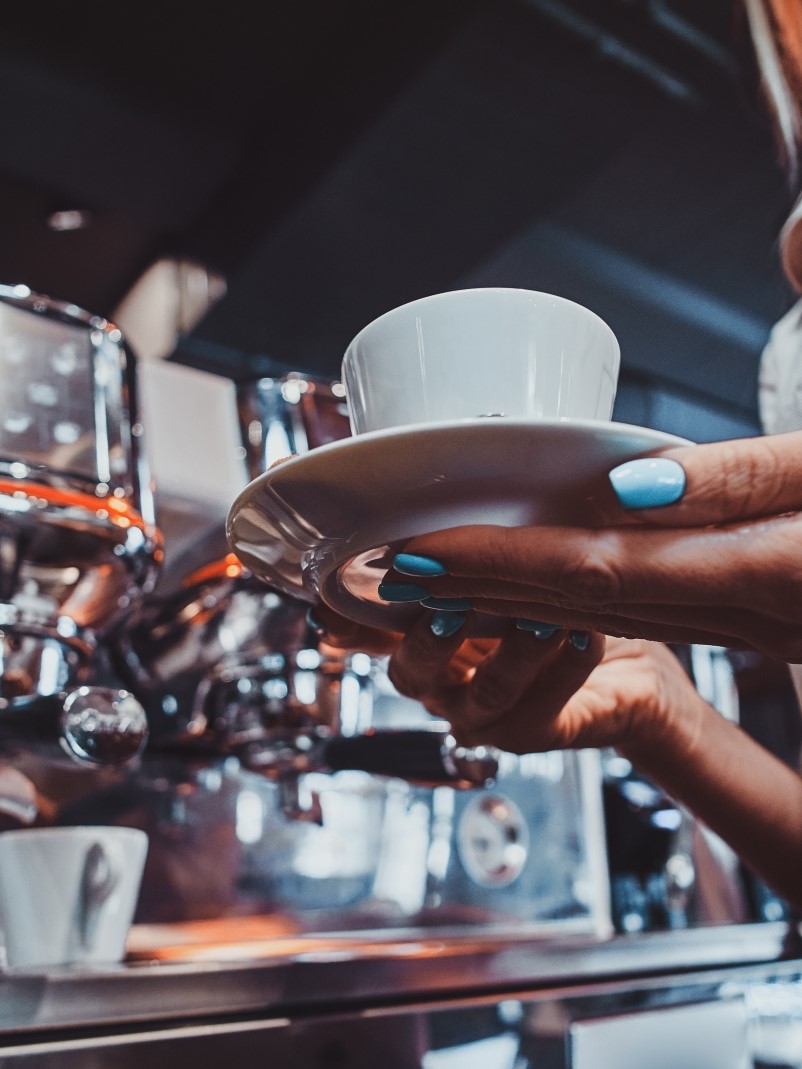
Recently, a debate has split on social media regarding the question of "Should customers clear their own cups when drinking coffee at a cafe?". Many argue that clearing cups is the responsibility of the staff, and whether or not customers do so voluntarily should not be forced or used as a basis for judging others. Others, however, believe that clearing one's own cup reflects a person's sense of responsibility.
When going for coffee, do you need to clear your own cup?
Specifically, a TikTok account posted a clip complaining about customers not cleaning up after themselves by disposing of their cups in the trash can or designated area before leaving, forcing subsequent customers to clean up after themselves. This clip was posted months ago and sparked intense controversy. The issue had gradually faded into oblivion but has recently been brought up again.

A heated exchange between two TikTokers about cleaning up trash after drinking at a bar.
The reason is believed to be that TikToker Hoang Anh Panda, one of the TikTokers who is no longer unfamiliar to young people today in the field of food reviews and is also supported by many people for the authenticity he brings, posted a video sharing his opinion on the issue. He argued that when customers use the service at a cafe, whether or not to clean up after themselves is a matter of individual awareness, not a mandatory obligation or a general rule of the cafe.
Just when it seemed the story had ended, public opinion surged again when TikToker Hỷ Khí Dương Dương responded to TikToker Hoàng Anh Panda. Her real name is Dương Bội Linh (born in 1994), and her videos revolve around knowledge of Chinese culture and cuisine in Vietnam. Hỷ Khí Dương Dương left a comment refuting the male TikToker's viewpoint: "That's your opinion. I travel abroad a lot, so I always clean up my own cups. I'm confident I'm conscientious." Hỷ Khí Dương Dương argued that Hoàng Anh Panda's viewpoint encouraged people, especially young people, to adopt the inconsiderate behavior of not cleaning up their own cups in restaurants.
Controversy arises from cultural differences.
In developed countries like Japan, China, and South Korea, the self-service convenience store model, also known as a cafeteria, has become familiar to consumers. However, in Vietnam, this concept is still quite unfamiliar to customers. Furthermore, to make it easier for new customers to experience the self-service model for the first time, restaurants always provide detailed instructions on the self-service process, including encouraging customers to clean up their own dining area and dispose of trash properly after their meal. While not mandatory, this has become a cultural norm and way of life for the people. This format is easily found in convenience stores in Vietnam such as Circle K, Family Mart, Ministop, or fast food restaurants like McDonald's, Burger King, and KFC.

PV (23 years old), a former employee of the KFC fried chicken chain and currently a server at The Coffee House, said: "KFC is a typical self-service restaurant chain; customers go to the counter to get their food, forks, spoons, and straws themselves. Some customers still clean up after eating, but others leave it for the staff to clean up. The store's regulations don't require customers to clean up."
The reporter also shared information about the service regulations at The Coffee House. Previously, customers ordered drinks at the counter, but staff would bring them to their tables. Currently, this popular coffee chain has switched to a self-service model, using vibrating devices for customers to receive their orders themselves, similar to many Highlands Coffee or Phuc Long stores. Clearing tables after customers leave is a mandatory step for service at The Coffee House.
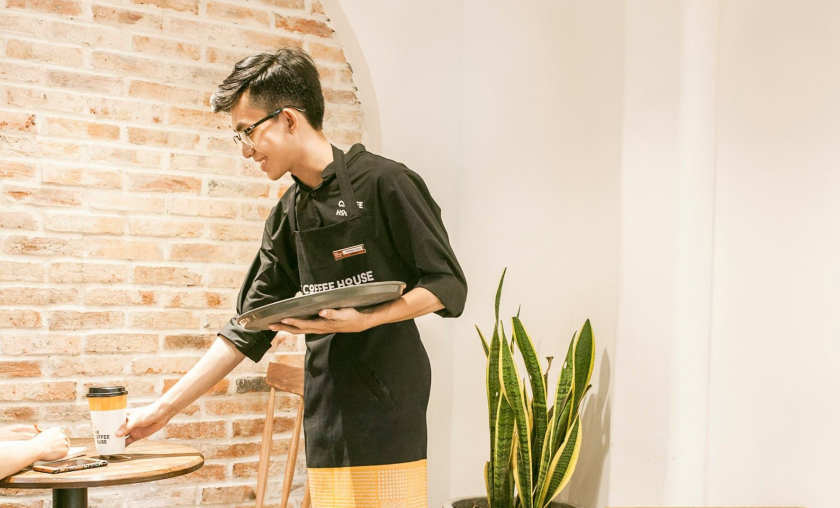
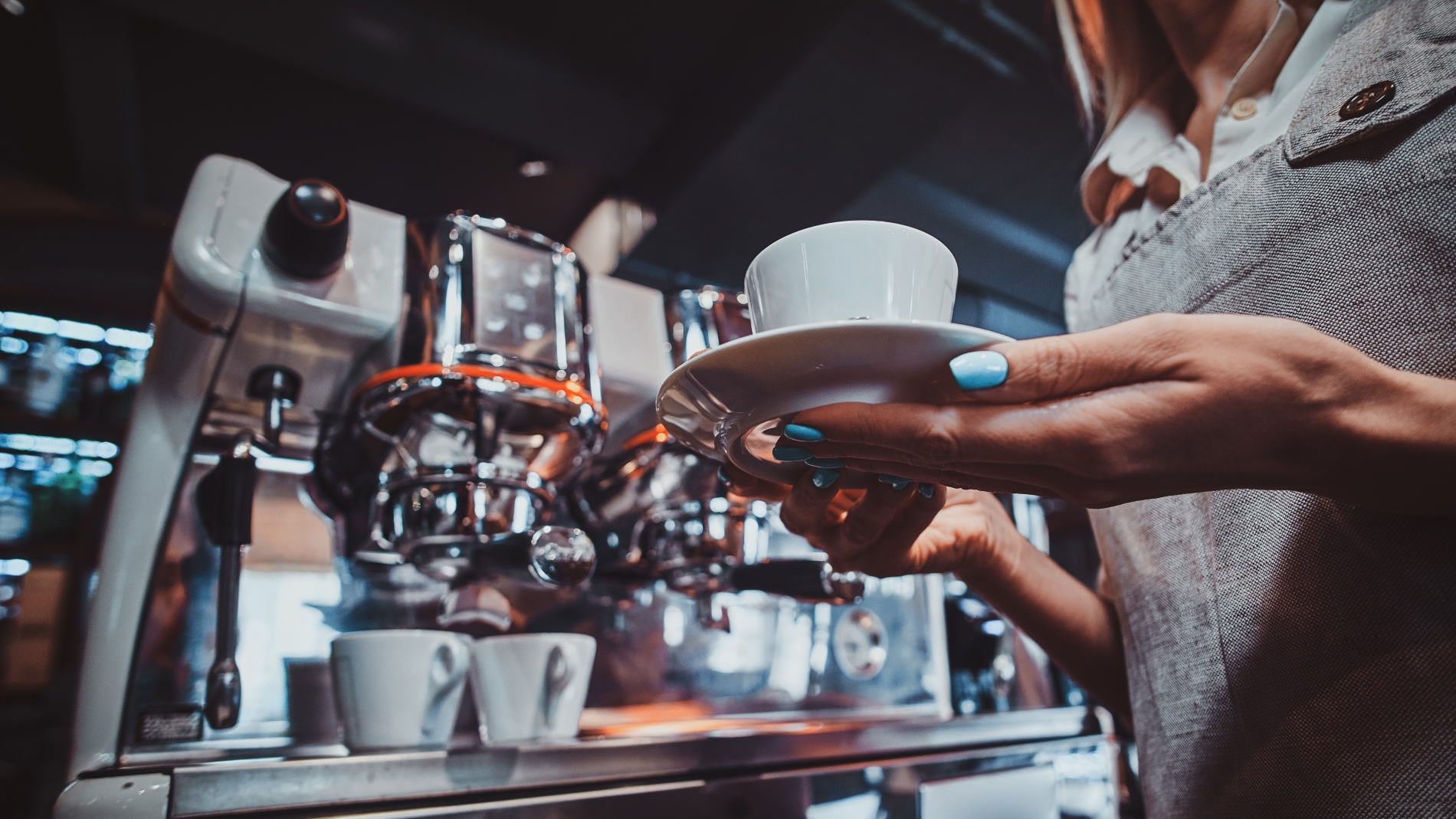
Clearing tables after customers leave is a mandatory step for staff at The Coffee House. (Image for illustration purposes only)
Regarding the "semi-self-service" system like in Vietnam, Lucius Uong, currently a Senior Marketing Communications Executive at Sonkim FnB, stated: "In Vietnam, 100% self-service restaurants are not yet common. Although self-service cafes and restaurants have become increasingly popular in recent years, the act of carrying food and drinks and then cleaning up after oneself is awkward for many, as Vietnamese people have long held the mentality of 'the customer is always right.' Furthermore, most F&B establishments like Starbucks or Highlands Coffee have prices ranging from tens to hundreds of thousands of Vietnamese dong, a price that is not considered cheap for Vietnamese people."
According to him, this is a common mindset among diners regarding F&B services in Vietnam: they have spent a considerable amount of money, so they have the right to receive good service and have staff clean up after they finish. Furthermore, this seems to be an unspoken agreement between the restaurant owner and the customers, as there are no specific self-service requests. Specifically, customers serve themselves by bringing their food and drinks to their table, while the cleanup afterwards is the responsibility of the restaurant.
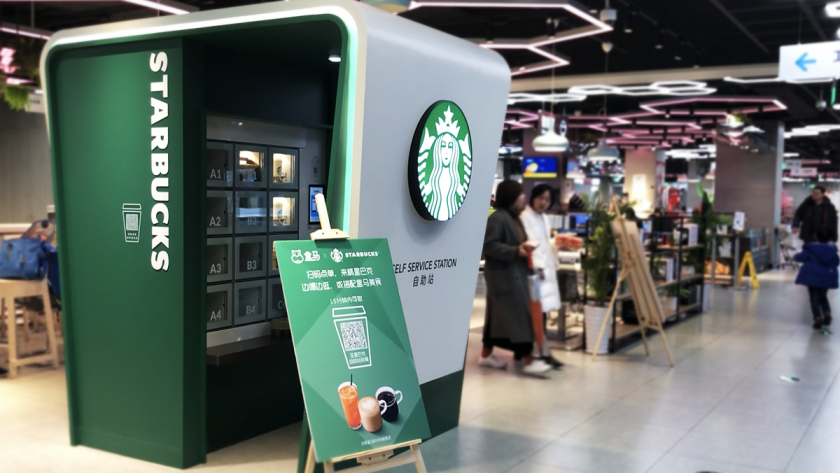
The 100% self-service model is applied to all coffee shop systems abroad; even famous chains adopt technology and do not need staff to operate a store.
Ms. Yen Quyen (27 years old), who frequently travels abroad for work, shared her observations on the differences between self-service restaurant systems in Vietnam and internationally: "During my business trips to South Korea or Japan, I noticed that all the cafes and fast-food restaurants there are called cafeterias and operate on a self-service basis. In some places, you order and pay at an electronic counter; the store has no staff at the counter, only baristas. The areas for utensils and trash disposal are also clearly separated. Table service is only found in traditional restaurants or eateries; if a restaurant switches to a self-service model, they will display a notice clearly stating the rules."
Ms. Yen Quyen also noted that creating a self-service culture in a country accustomed to traditional service styles is not an easy task to accomplish in a short period of time. To lay a good foundation, stores could consider placing small notice boards to help customers get acquainted with the process.
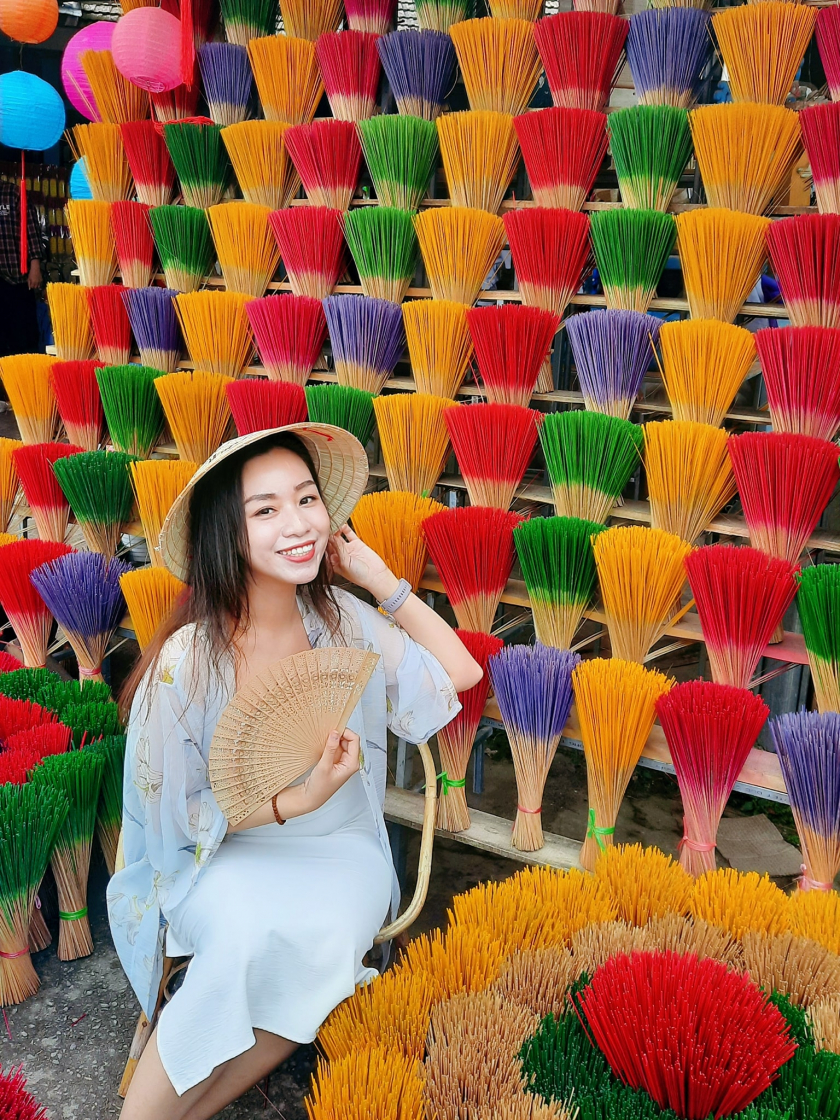
Yen Quyen (27 years old) is currently a Brand Manager at an international company. She frequently travels for business and experiences different culinary cultures in various countries.
Generally, debates about cleaning up after eating at restaurants stem from individual perspectives. However, when evaluating an issue, one should consider the habits and widely accepted practices within that community or country.
"Creating a good culture is commendable. However, if you're used to the service at traditional restaurants, you can still seek out those; ultimately, the choice is ours," Lucius shared.