VI
VI


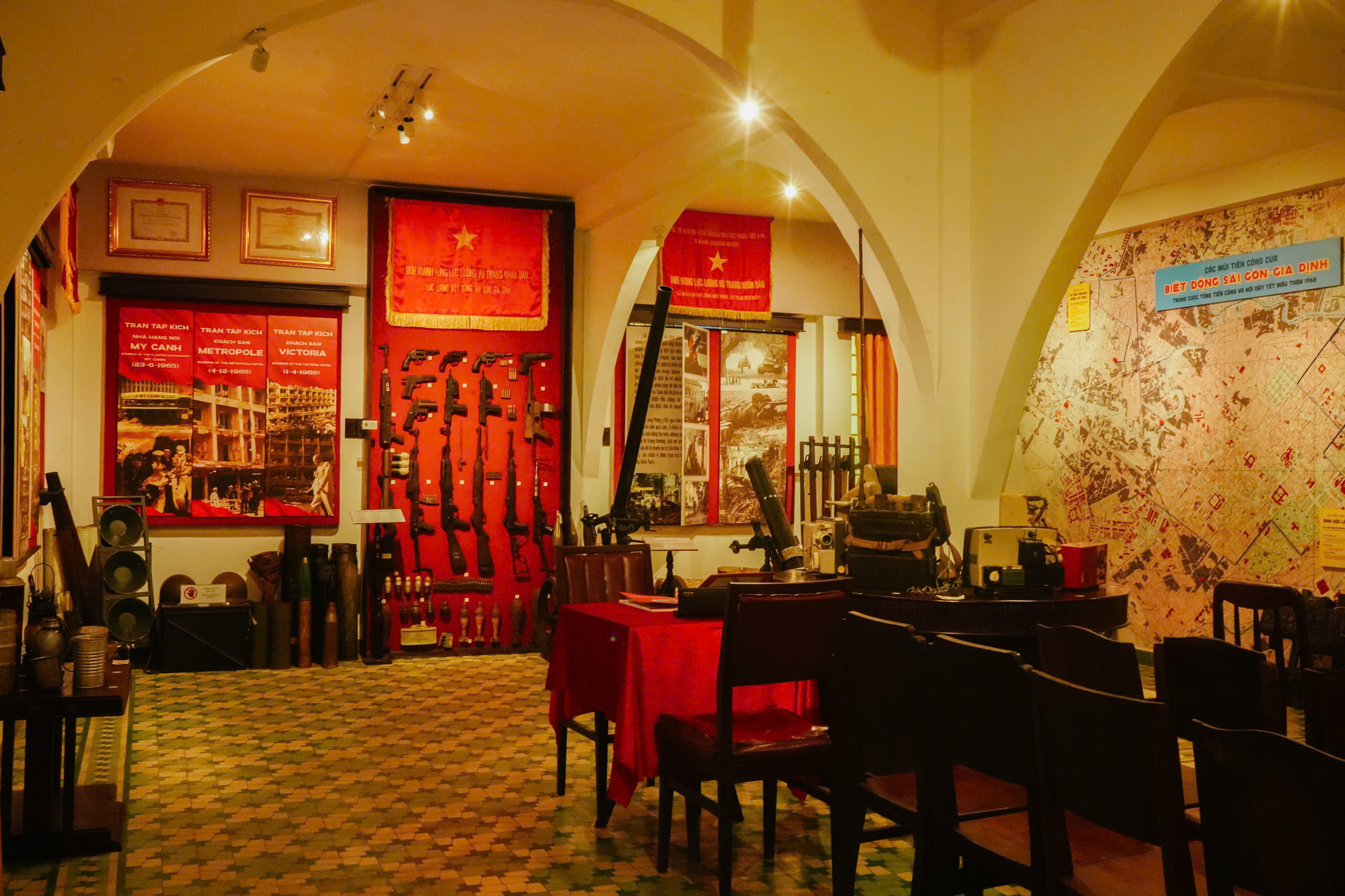
The unassuming wooden door before you doesn't suggest anything special, but stepping through it will lead you on a mysterious journey back in time. That's when the disguised elevator doors gently open, transporting you to another world – a place preserving artifacts and heroic memories of the Saigon Commando Force.
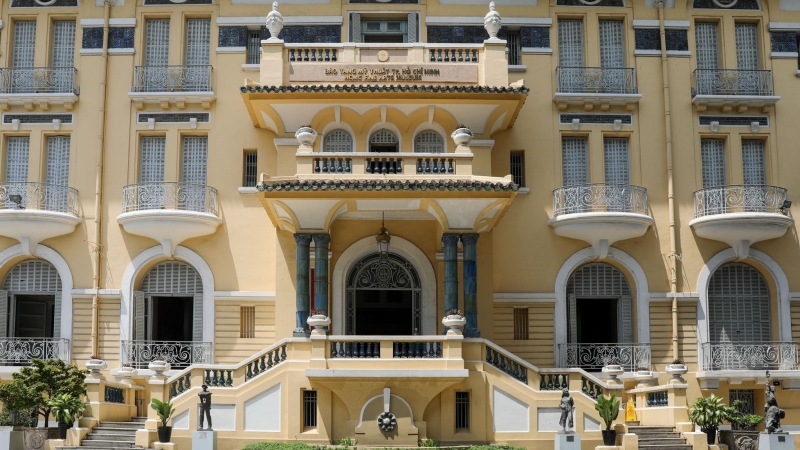
The Saigon-Gia Dinh Commando Museum is located in a three-story building constructed in 1963 on Tran Quang Khai Street, District 1.
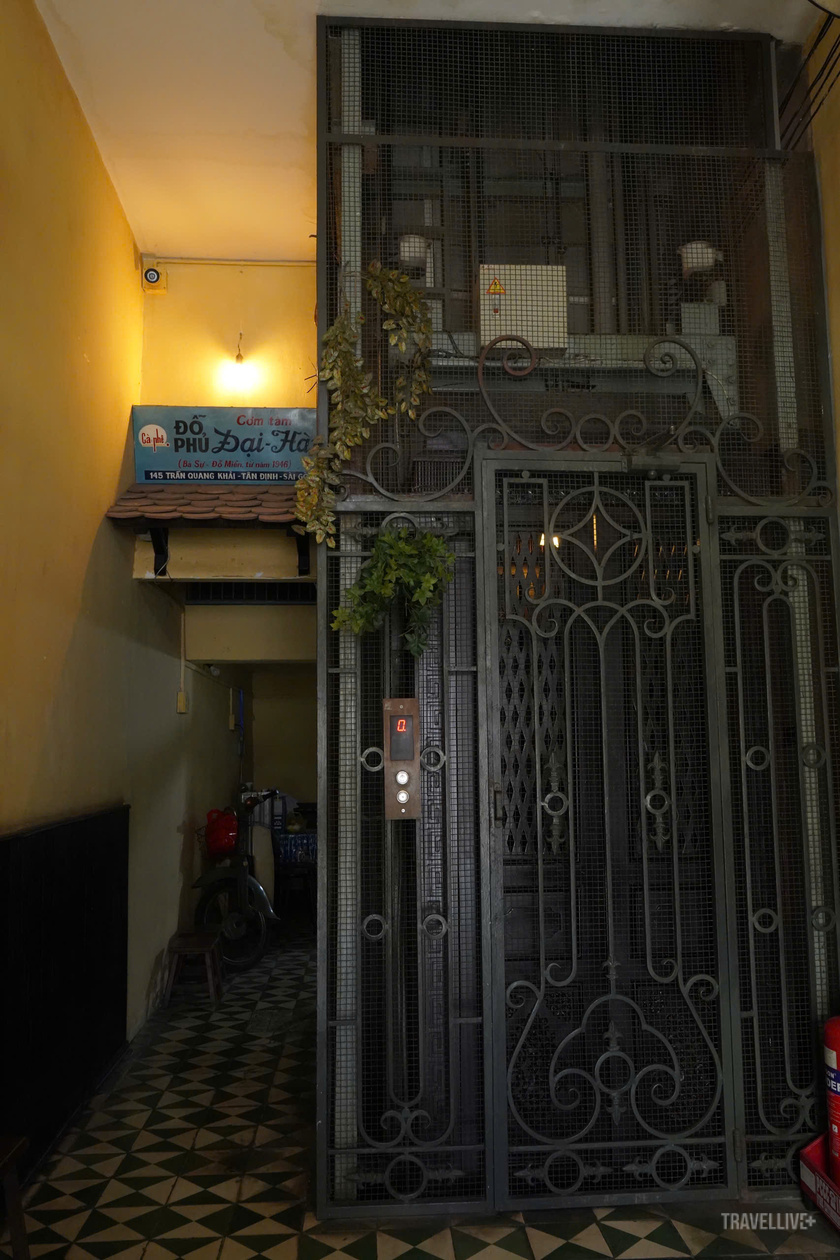
Access to the museum is via an old elevator, dating back to when the building was constructed.
A secret house in the heart of Ho Chi Minh City.
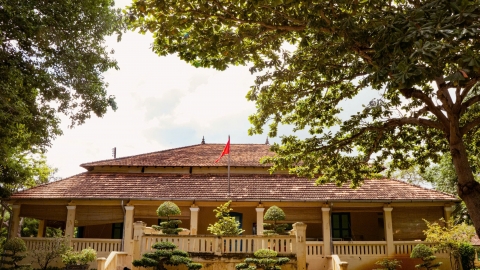
Located at 145 Tran Quang Khai Street, District 1, Ho Chi Minh City, the Saigon - Gia Dinh Commando Museum is a three-story building constructed in 1963. It was once a secret operational base for commando soldiers under the command of Mr. Tran Van Lai (also known as Nam Lai). After 1975, the building was preserved in its original state and transformed into a museum, commemorating the heroic activities of the commando forces.
A museum guide explained: "This site previously belonged to the Ngoc Que Union – a secret base of the Saigon Special Forces. Under the guise of a rickshaw manufacturing workshop and furniture workshop for the Independence Palace, it was once a center of operations for brave soldiers, secretly preparing for historic battles."
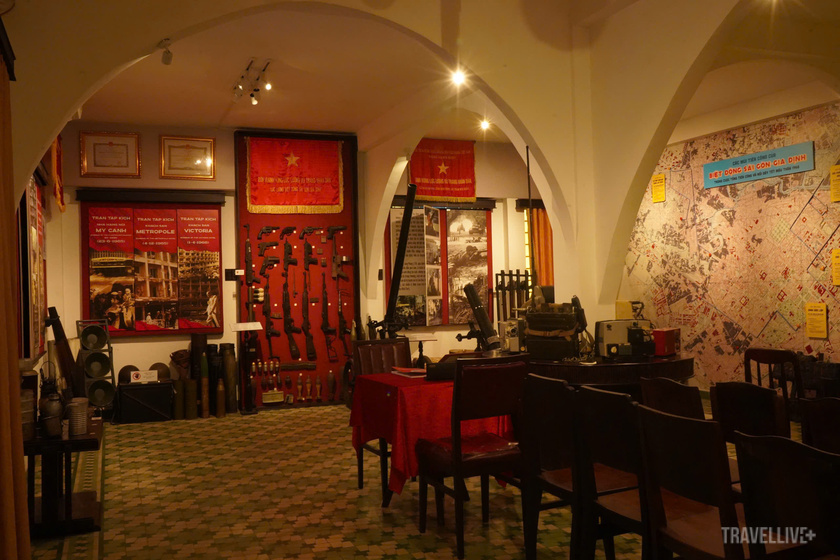
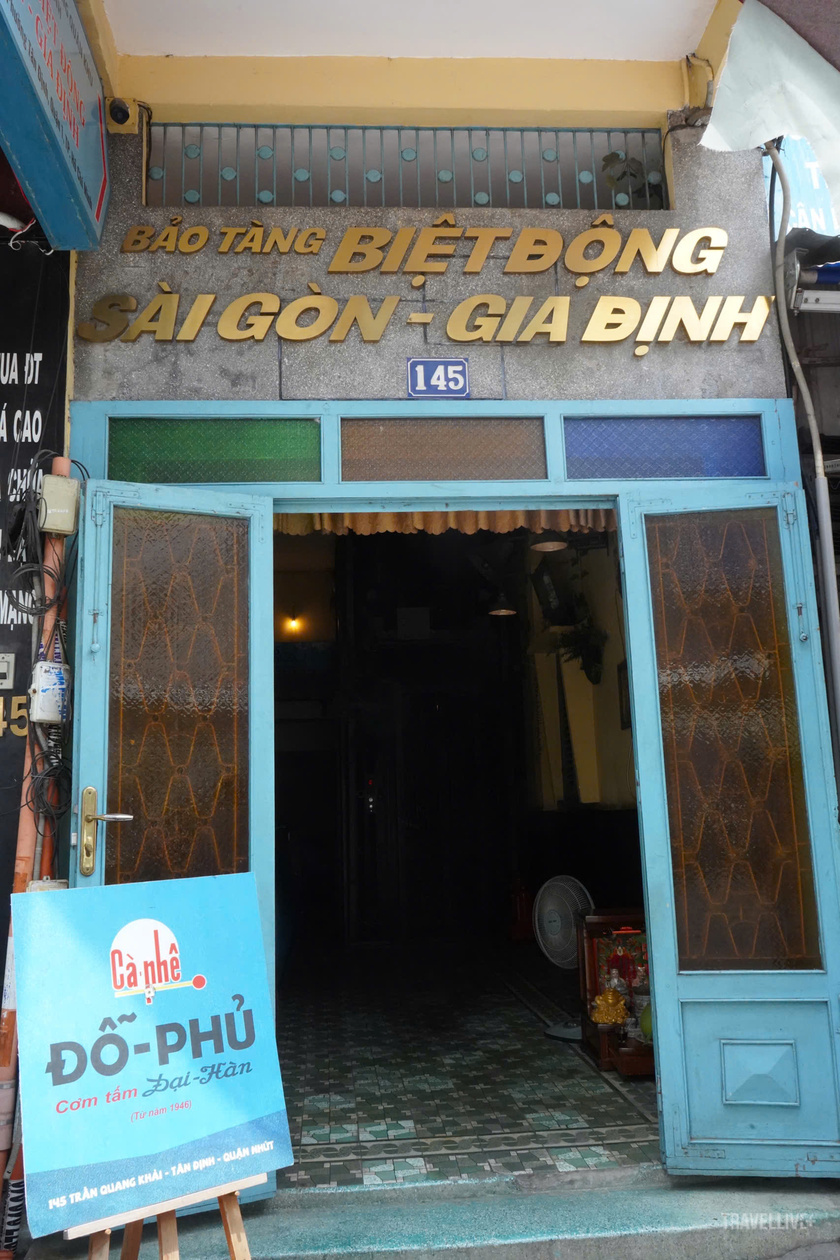
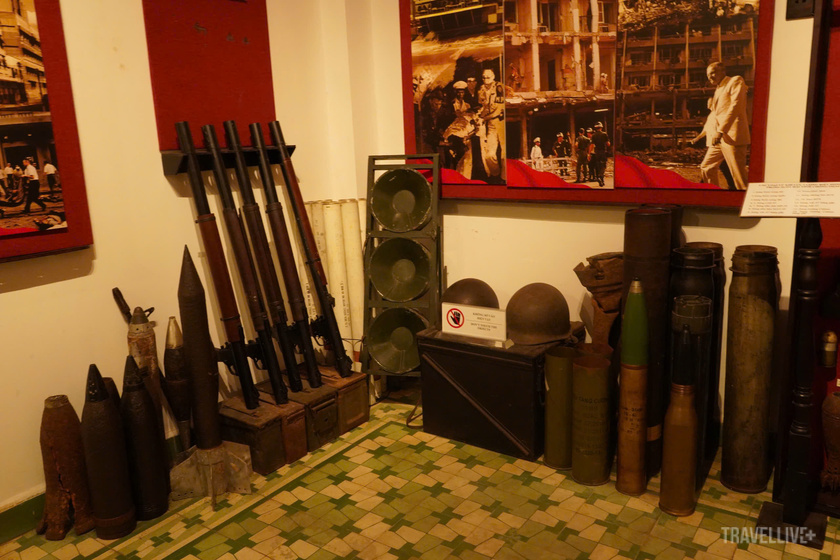
The exhibits are numerous, consisting of a collection of weapons, bombs, and ammunition used in battles.
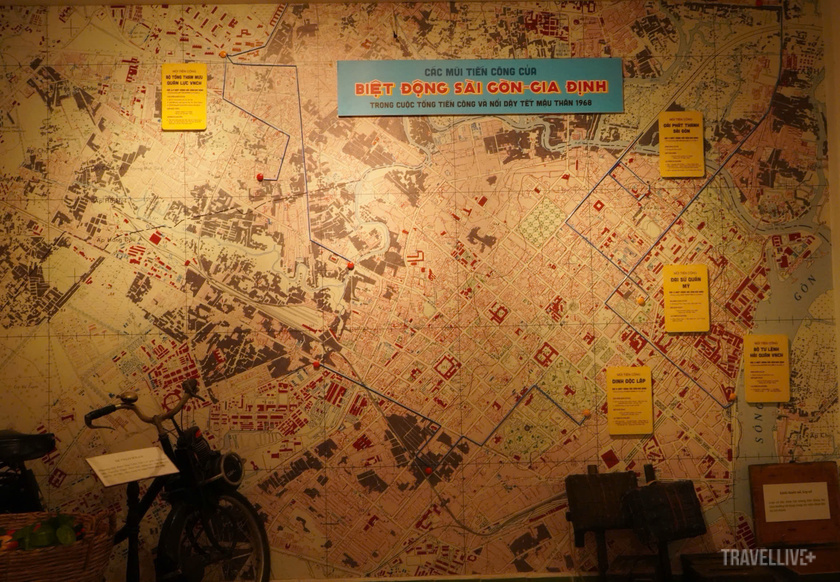
This large-scale map depicts the attack routes of the Special Forces during the Tet Offensive and Uprising of 1968.
The Saigon Commando Museum system currently has three attractions, typically offered as part of a 3.5 to 4-hour tour, including sightseeing and meals. The first is the main headquarters at 145 Tran Quang Khai Street, District 1. Visitors can spend about an hour there, with guided tours available for groups of 10 or more. The second is at Dang Dung Street, home to a secret mailbox and an above-ground bunker, with a 30-minute tour and guided explanation. The final location is the military shelter at 287/72 Nguyen Dinh Chieu Street, District 3, where Mr. Tran Van Lai dug the main tunnel. At each site, artifacts, tools, and documents from the war period are displayed, helping visitors better understand the history and revolutionary activities.
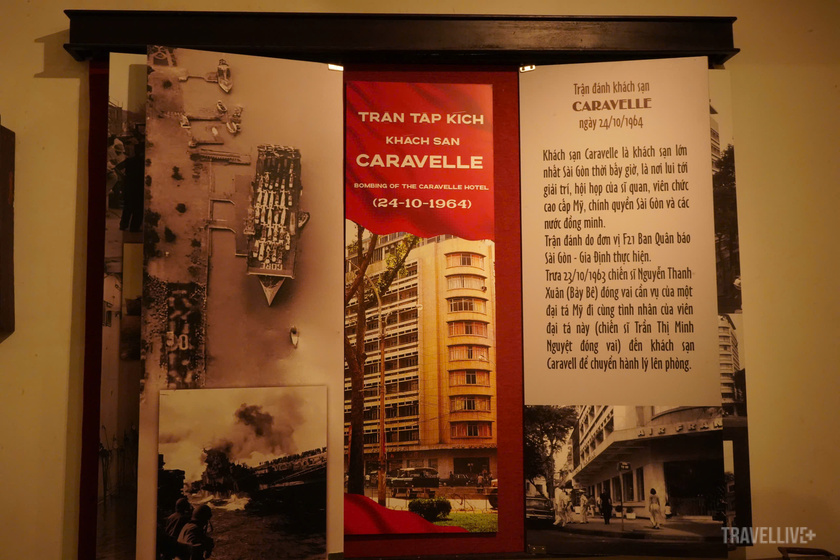
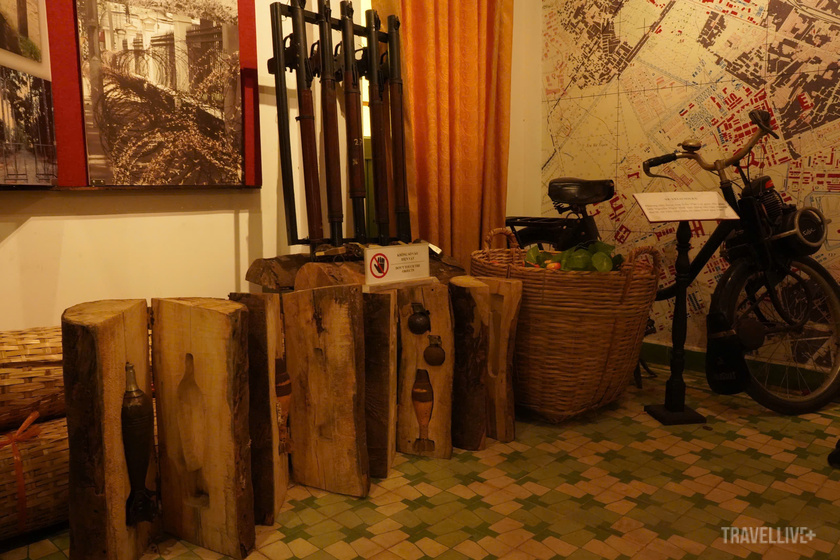
Describe the methods used to conceal weapons and documents.
A vibrant map and a mysterious network.
At the museum, the history of the Saigon-Gia Dinh Special Forces comes to life through a diagram built on an old map of Saigon-Gia Dinh. For the first time, visitors can admire an overview of the secret operational network of the Special Forces. Weapons caches and troop concealment tunnels were built deep within enemy territory for many years to serve major battles, especially the Tet Offensive of 1968.

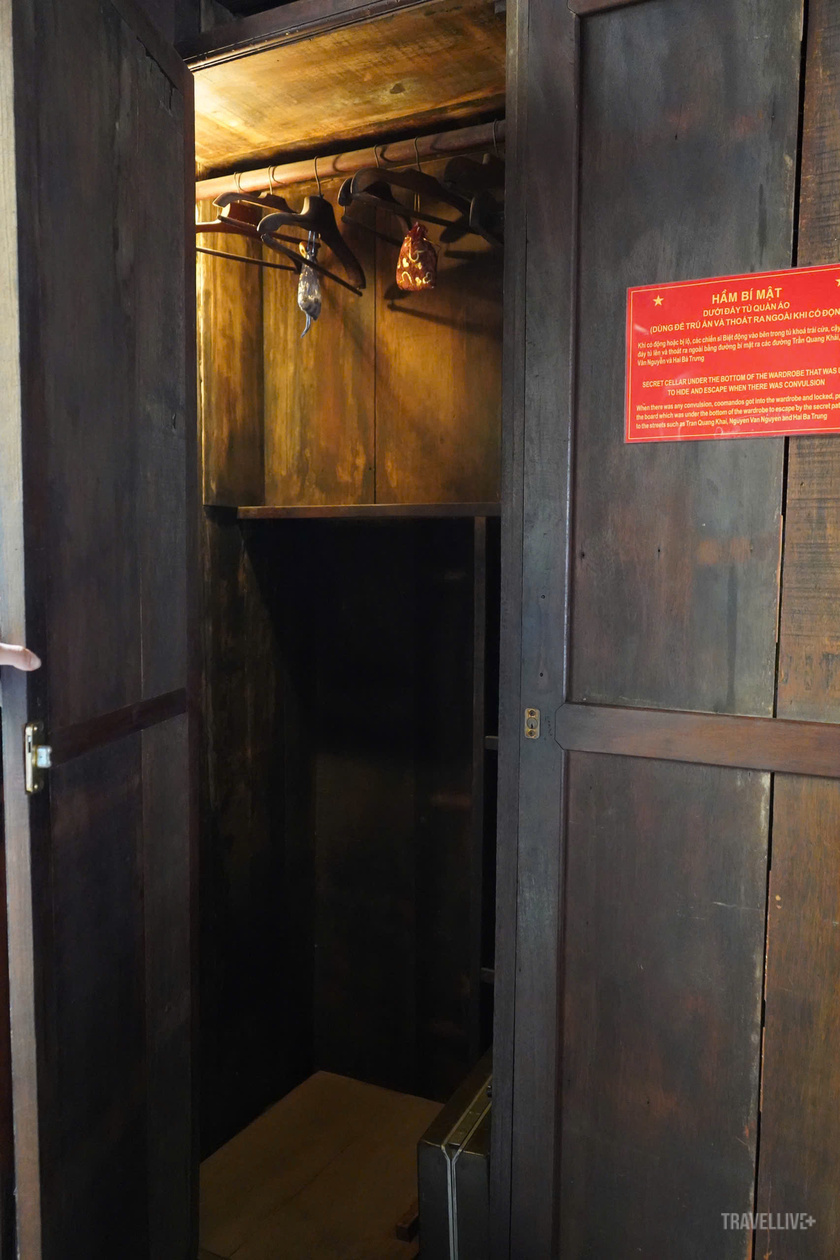
Secret bunker disguised at the bottom of the wardrobe.
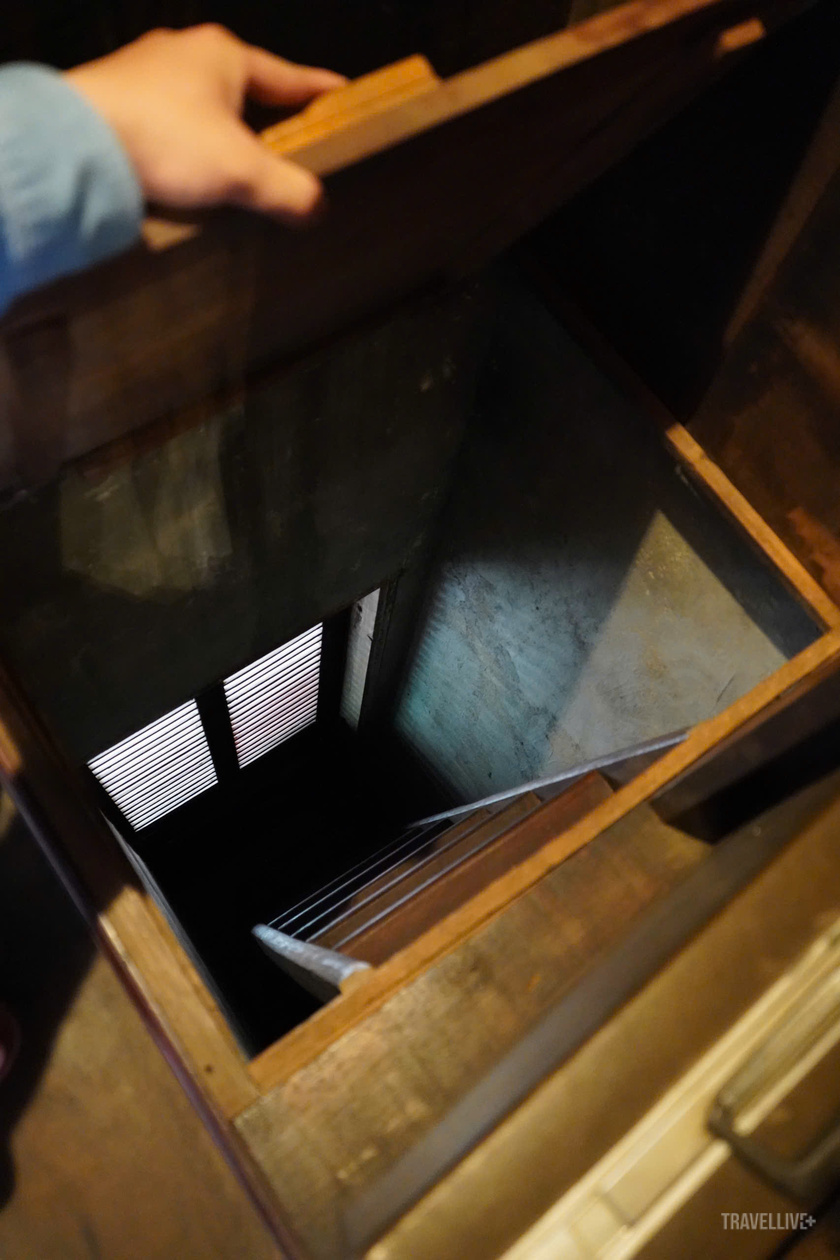
Opening up reveals a bomb shelter tunnel, from which one can access other streets in District 1.
This system of secret tunnels is not only a strategic structure but also a testament to the intelligence and ingenuity of the Saigon Commando Force. Recreated authentically and vividly, these weapons tunnels help visitors better understand the sophisticated tactics, silent sacrifices, and courage of these unsung heroes.
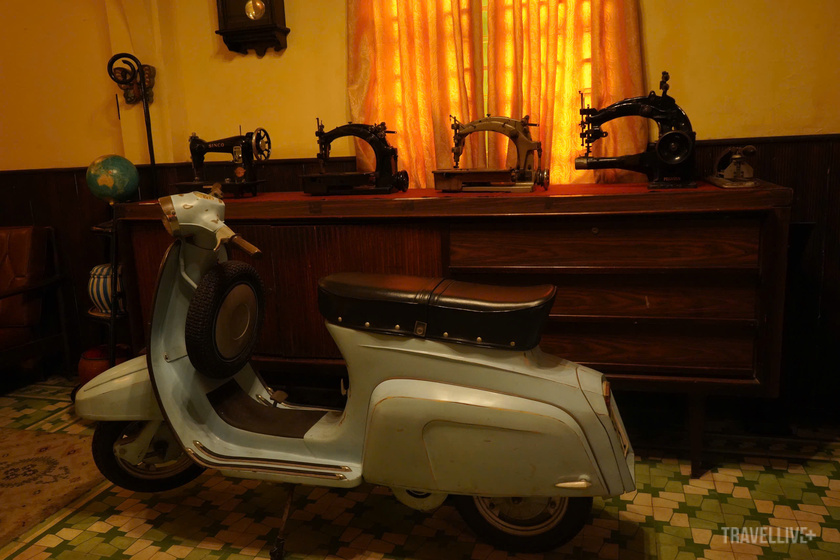
Visitors are fascinated by the opportunity to admire the wartime life of the commando soldiers through the artifacts that are still preserved at the museum. A small room recreates their simple, everyday life with familiar items such as tables, chairs, oil lamps, and even old radios. This space gives visitors a sense of closeness, helping them to understand some of the difficulties and hardships that the soldiers endured.
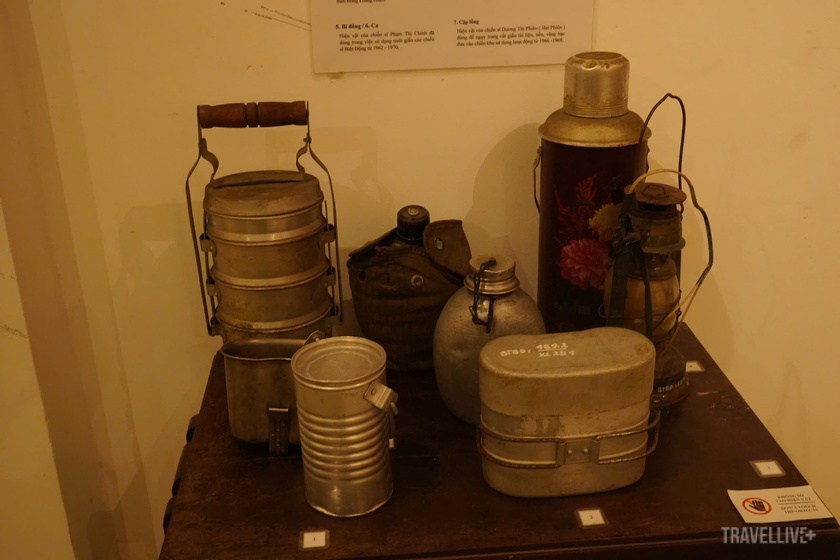
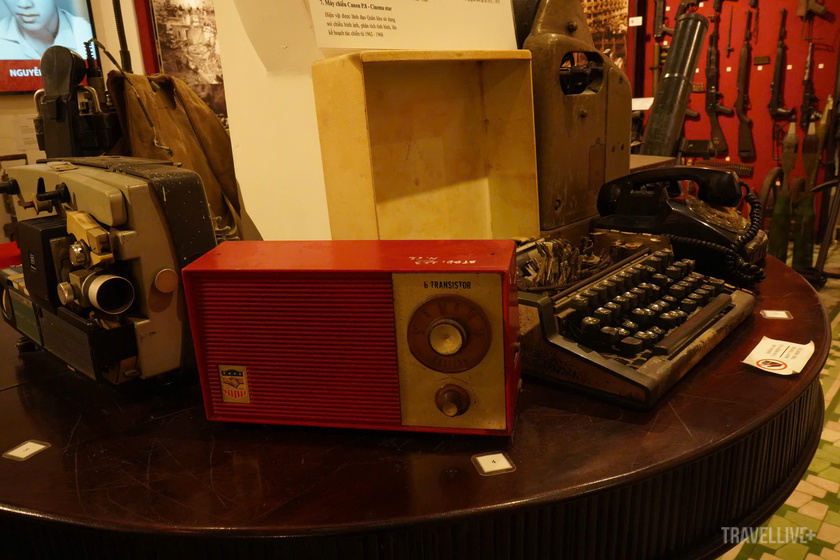
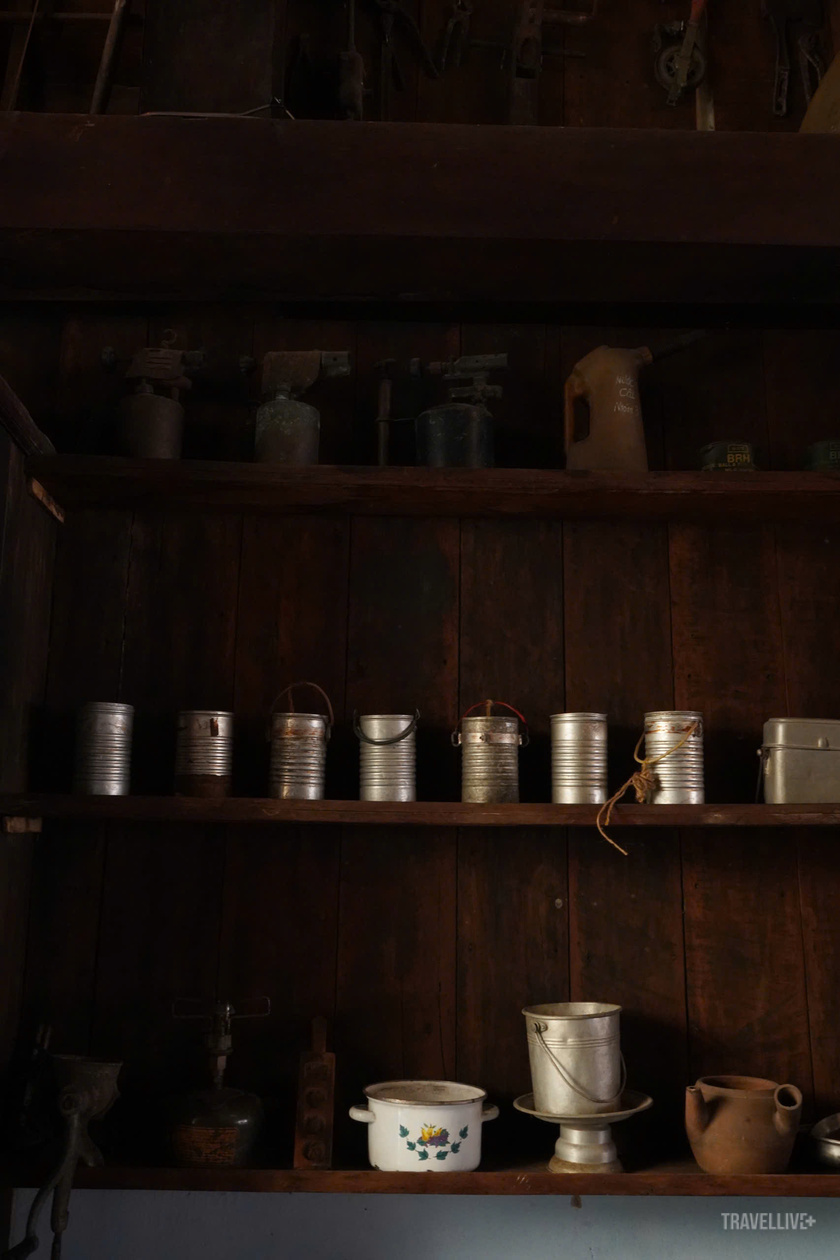
The artifacts remain intact, such as Guigoz milk cans, food containers, water bottles, and Manchon lamps, which were used by commandos to store secret letters, gold, money, and medicine during the resistance war.
Invaluable value for future generations.
The Saigon Commando Museum is a place that preserves memories and serves as a historical and cultural education site for the younger generation. The stories and lessons from the museum go beyond simply honoring the past; they also serve as motivation for future generations to understand and appreciate the value of freedom and independence.
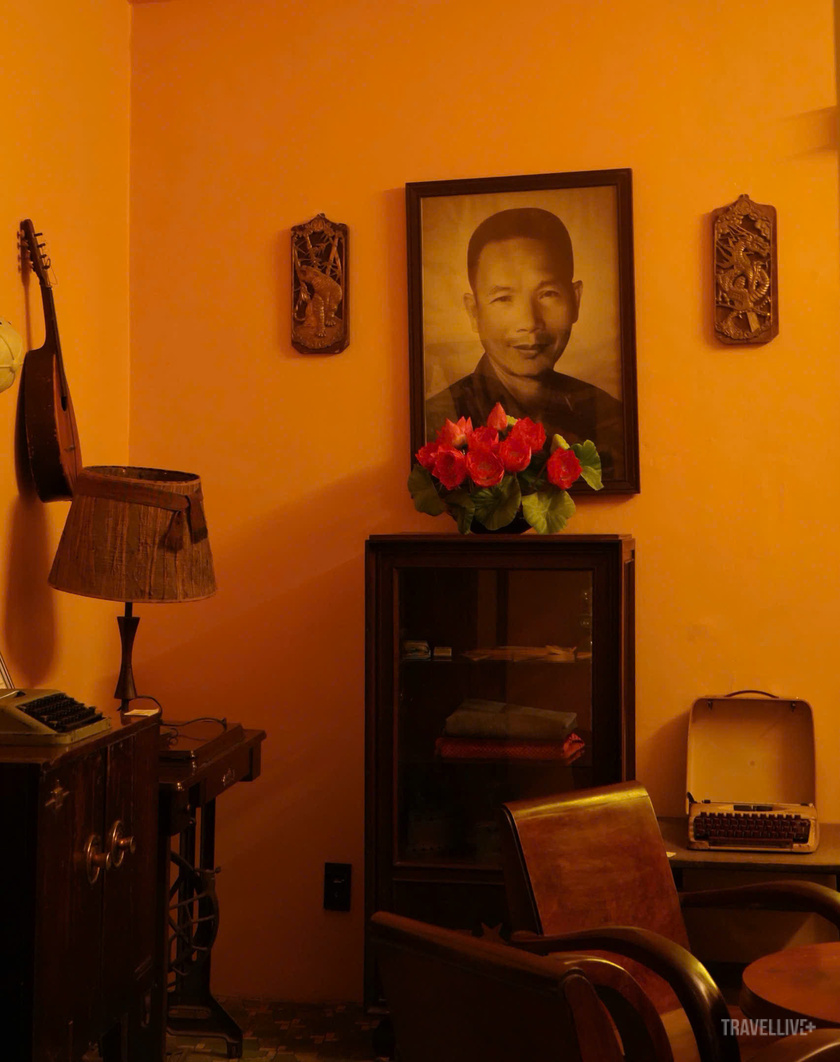
A portrait of Mr. Tran Van Lai, along with a small corner of the house where his family lived at that time.
As a young member of the tour group, Bao Tran (21 years old, Ho Chi Minh City) shared: "The stories told through the artifacts, the images on the old map, and the secret weapons depots right in the heart of Saigon made me feel like I was reliving those tense and fierce historical moments. I feel truly proud and grateful."
On the occasion of September 2nd, visiting the Saigon Commando Museum is an opportunity for every citizen, especially the younger generation, to remember, appreciate, and gain a deeper understanding of the nation's history. This will certainly be a memorable experience, bringing pride and gratitude to those who fought and sacrificed for the Fatherland.
The Saigon Commando Museum, open from 8 am to 5 pm daily, is a must-visit destination for anyone wanting to learn about the glorious history of Saigon - Ho Chi Minh City.