VI
VI


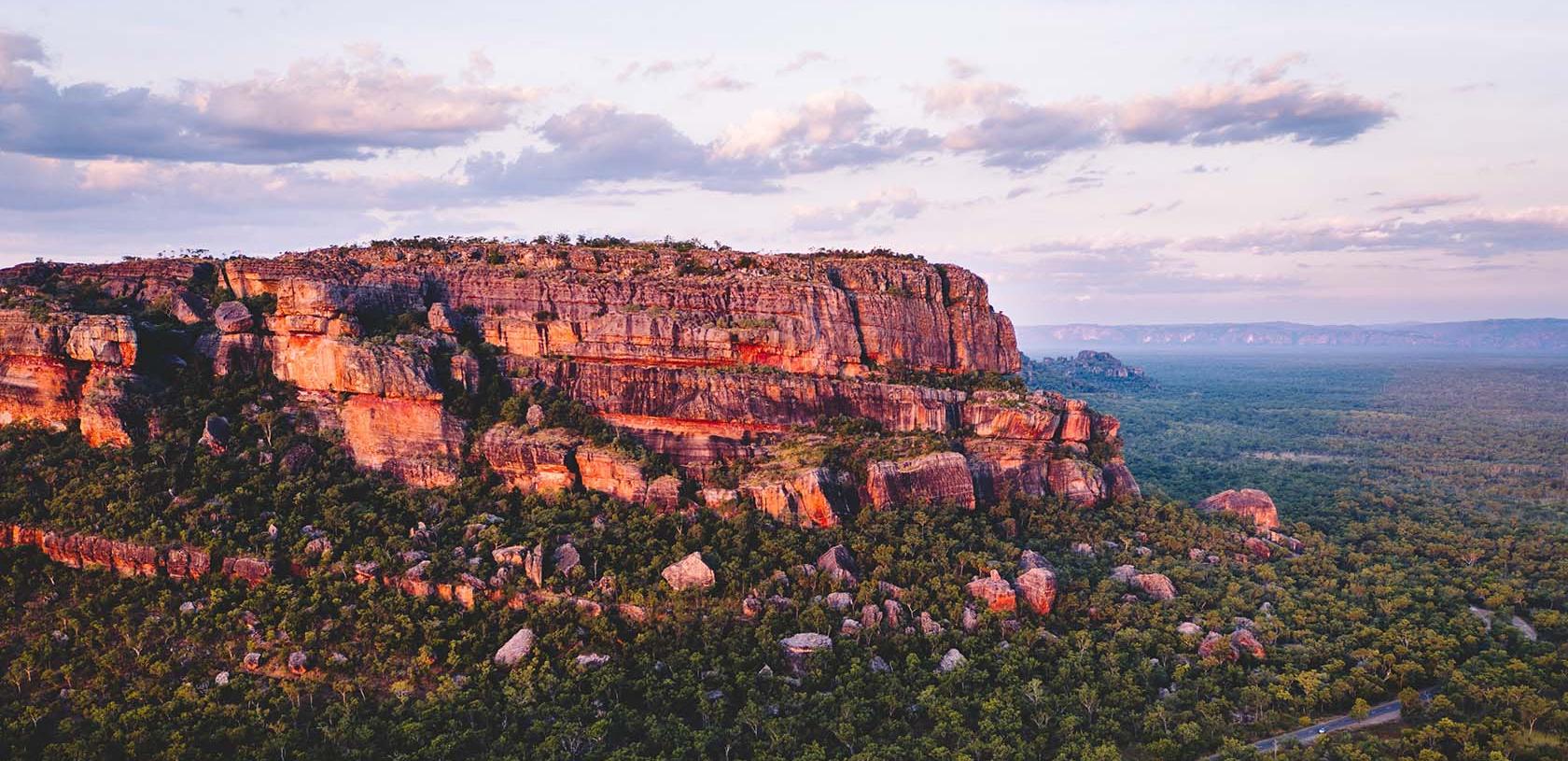
Rich in cultural and historical colors.
With an area of up to 19,000 km².2Kakadu is located 170 km southeast of Darwin, the capital of the Northern Territory. Kakadu is spoken in the Gagudju language, one of the three indigenous languages spoken in the Northern Territory in the early 20th century.
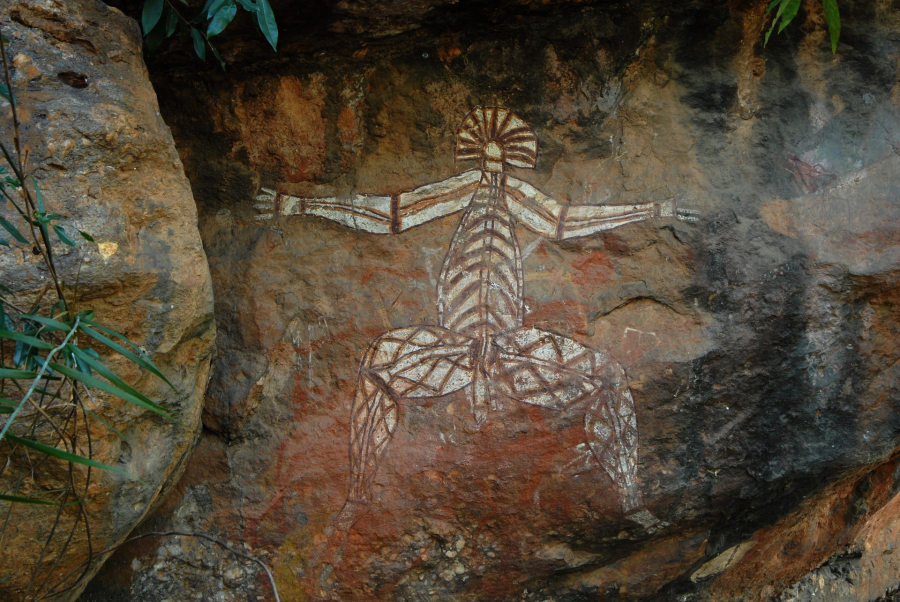
These drawings, created by indigenous people thousands of years ago, are etched onto a cliff face in Kakadu National Park.
Visitors to Kakadu National Park will have the opportunity to explore a treasure trove of mysteries with its sheer cliffs, where Aboriginal "artworks" dating back over 50,000 years are carved and preserved. Furthermore, the park also contains footprints and artifacts used in daily life or as decorations in rituals by ancient Aboriginal people.
Impressive natural scenery
If you're here, don't miss the chance to camp overnight in Koolpin Gorge or at the foot of Arnhem Land to experience the exciting life amidst majestic nature.
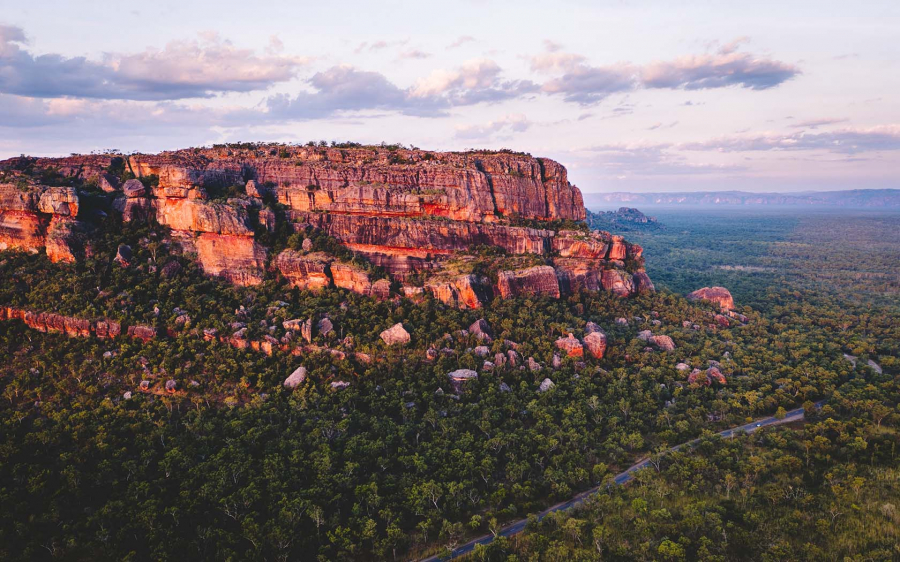
The natural environment here has retained its pristine and majestic beauty...
After many years of living in this land, the native Bininj people have divided Kakadu's weather into six distinct seasons. From December to March of the following year is the Gudjewg wind season, with roaring waterfalls and dazzling lightning. The Banggerreng season is when the mangrove trees bloom and the small lakes are teeming with birds in April. June and August are the Wurrgeng season, with pleasantly cool weather and clear blue skies. And from September onwards is the hot and dry Gurrung season.

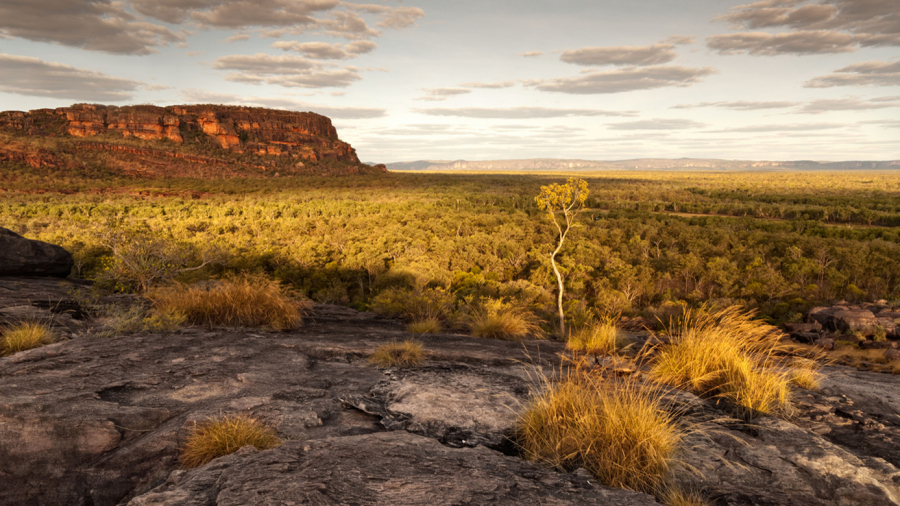
The natural landscape changes noticeably with each season of the year.
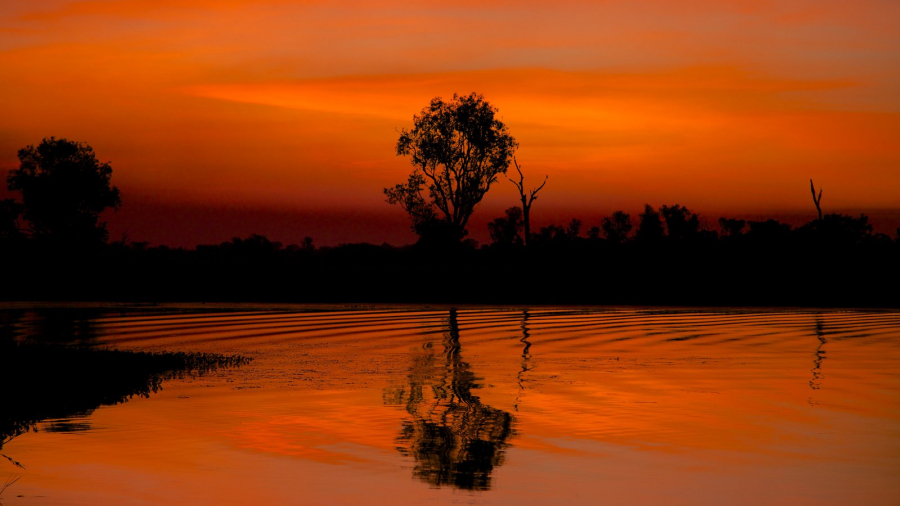
The sunset here is a magnificent display of the wild nature.
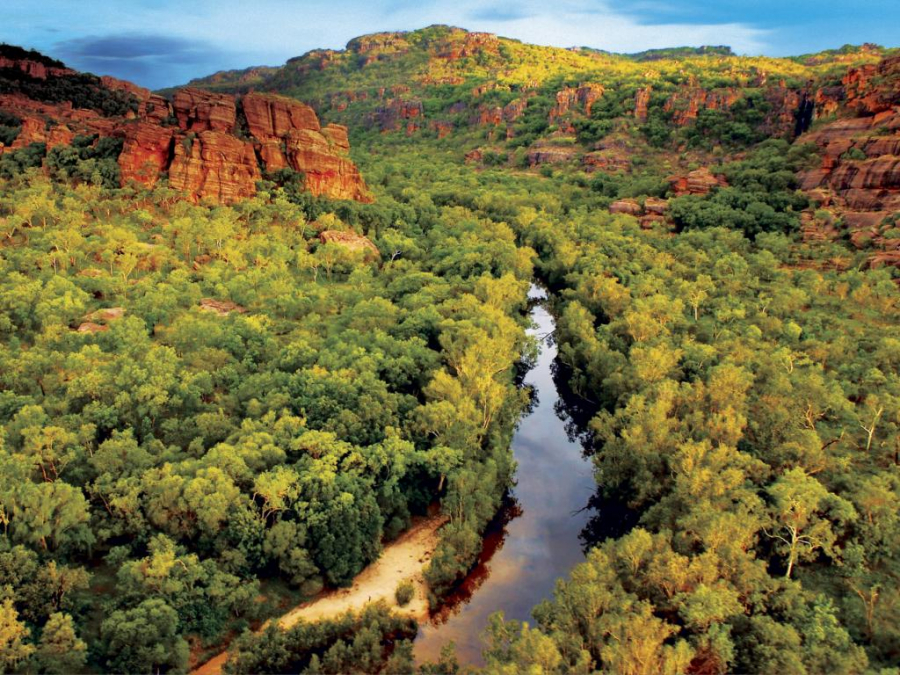
The forest is a tapestry of vibrant colors.
Indeed, if you have the opportunity to admire the scenery of Kakadu from above, or to travel along the rivers or small lakes of this region, you will take in an impressive "ink painting" of the wild nature here.
Diverse flora and fauna
For a long time, Kakadu National Park has been known for its incredibly rich flora and fauna, with crocodile-infested swamps, picturesque waterfalls, and the Nourlangie and Ubirr rock formations featuring distinctive Aboriginal drawings depicting nature and people.
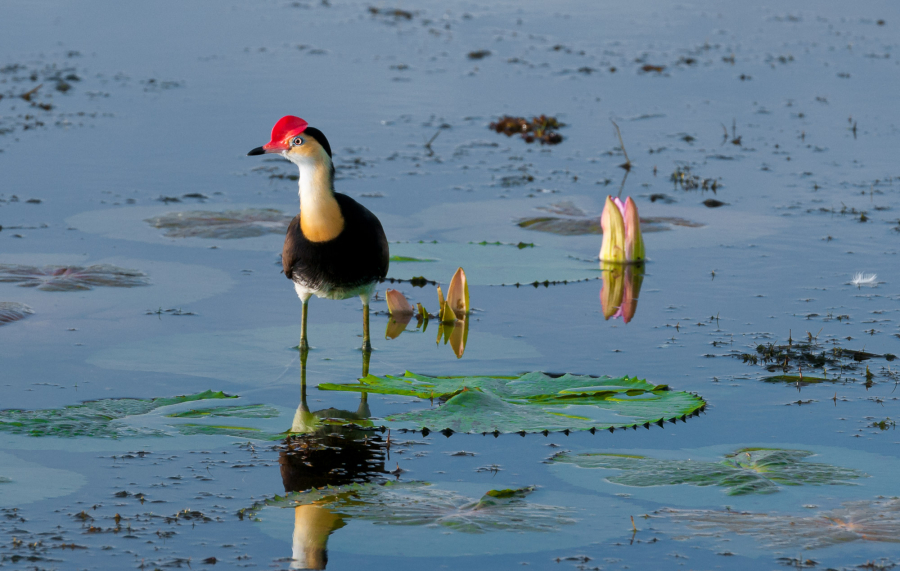
The flora and fauna of Kakadu National Park are incredibly diverse.
This area has been chosen as the "home" for over 280 species of birds, 60 species of mammals, over 50 species of freshwater animals, over 10,000 species of insects, and more than 1,600 species of plants characteristic of the region and of Australia. Once you set foot in this national park, you are sure to have incredibly unique and unforgettable experiences.
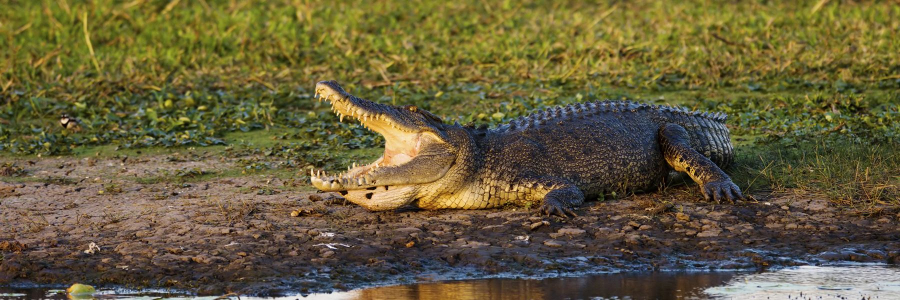
The brackish water crocodile is a unique "resident" of Kakadu National Park.
Kakadu National Park is also famous for having the world's largest crocodile population, as well as the "endless legends" surrounding them. Due to its natural characteristics and soil conditions, the park is home to two species of crocodiles: freshwater and brackish water crocodiles. If you have the chance to take a boat trip on the Yellow River, you'll have the opportunity to see tiny crocodiles playing in the water. Further along the shore, you'll see large crocodiles, up to 3 meters long, dozing off.
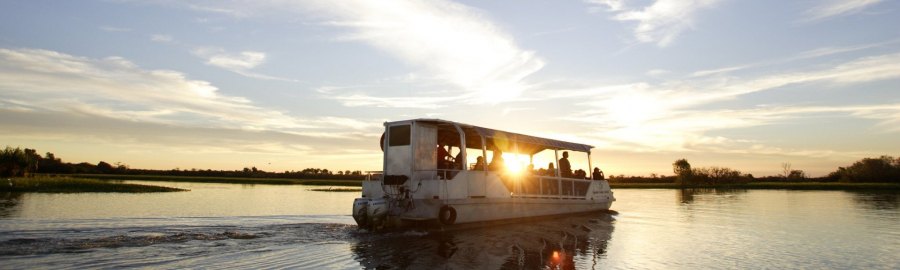
A boat trip to explore Kakadu National Park is a wonderful experience for visitors.
It's safe to say that Kakadu National Park is one of the most attractive options that tourists shouldn't miss when visiting the beautiful land of kangaroos.