VI
VI


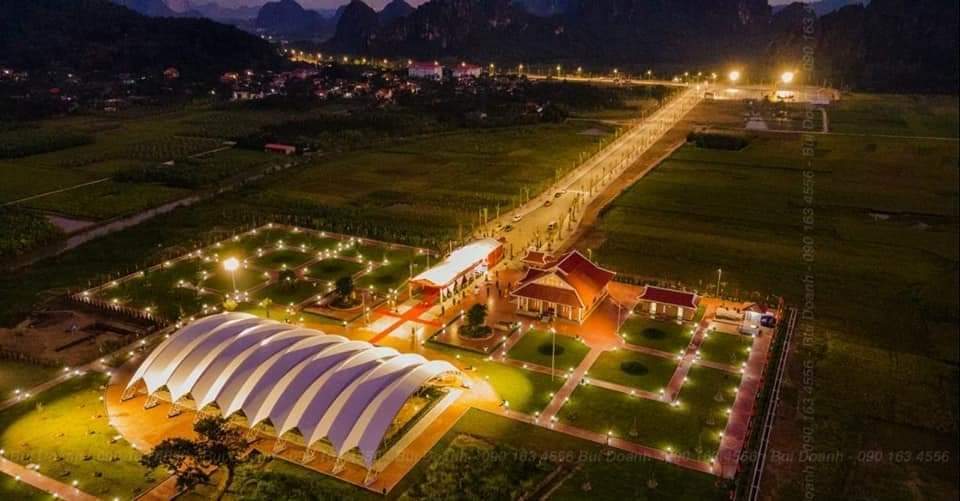
The project to build the access road and the Cao Quy Pile Site Conservation Area in Lien Khe commune, Thuy Nguyen district, Hai Phong city, was inaugurated on the afternoon of October 13th with the participation of Prime Minister Nguyen Xuan Phuc. The conservation area, covering 3 hectares, along with the 3,488 km long road, was completed with an investment of 362.5 billion VND after only 5 months of construction.
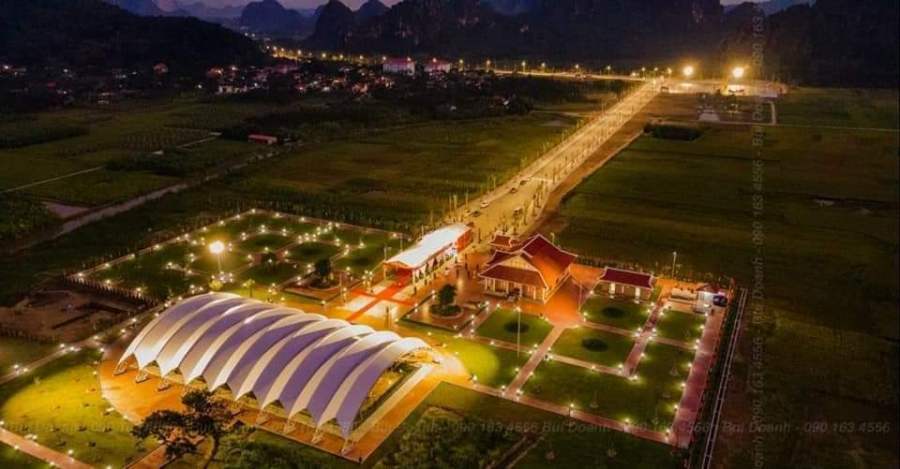
Panoramic view of the road leading to and the Cao Quy pile field area.
The Cao Quy stake field is a city-level historical site, discovered accidentally in October 2019. While gardening, a man in Lien Khe commune found two wooden stakes, each over 3 meters long and more than 30 centimeters in diameter. Immediately afterwards, the Ministry of Culture, Sports and Tourism excavated nearly 1,000 square meters of the site.2They searched the area and discovered 27 wooden stakes buried 50-60 cm deep underground.

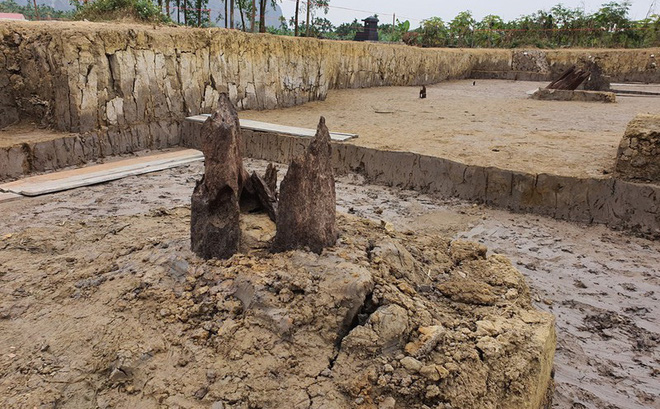
The wooden stakes were driven deep into the ground.
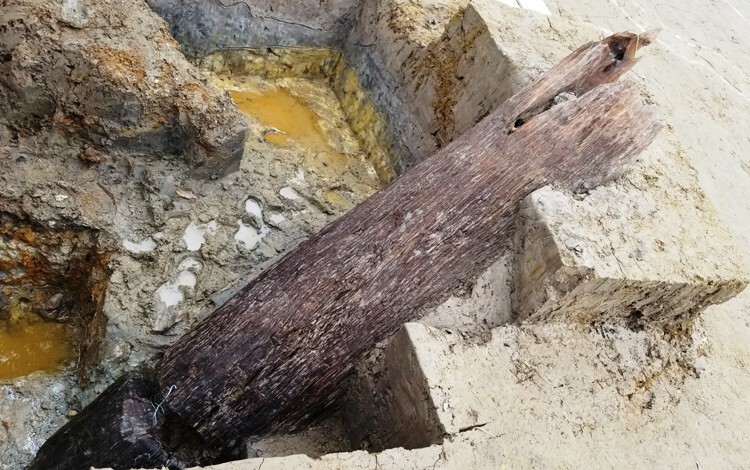
The wooden stakes were driven deep into the ground.
Archaeological research suggests that the Cao Quy stake field dates back to the late 13th century, possibly related to the Tran Dynasty's campaign to intercept and destroy the Mongol fleet during their retreat in 1288.
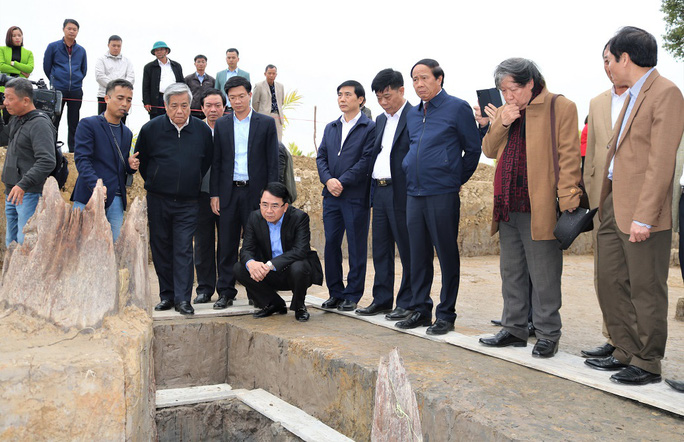
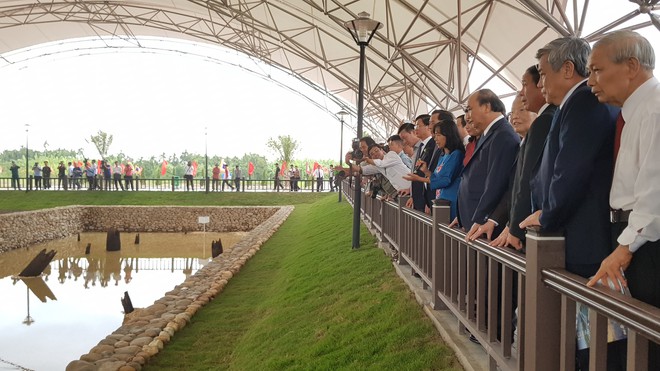
Scientists and city leaders visited the pile field site.
At the Conservation Area, only 18 wooden piles were unearthed after being waterproofed and soaked in water. The remaining piles were filled with soil and reconstructed in the open air as replacements. This is a way to preserve the wooden piles intact, serving the future research of the Institute of Archaeology, to further clarify the glorious Battle of Bach Dang.
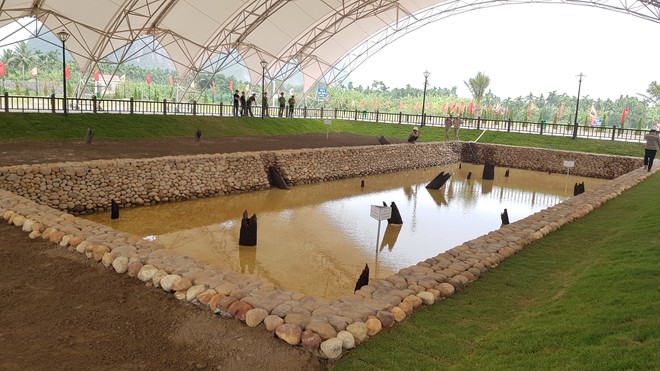
The area for visiting the pile field.
Along with Bach Dang Giang, Cao Quy stake field will become an important historical and cultural relic site in the process of preserving and fostering national spiritual values over time.




.jpg.jpg)