VI
VI


Have you ever wondered what flight attendants think when they greet passengers at the boarding gate? You might be the person they pay attention to. Below is a sharing from Duygu Eren Tosya, chief flight attendant of Turkish Airlines, and his colleagues about the types of people she and the crew notice first when greeting them at the gate.
"When you board the plane, the flight attendants always give you a warm welcome. However, that's not just a polite greeting; from that moment on, we begin analyzing you, the key players on the flight," Duygu said.
People who get motion sickness, are sick, or are drunk.
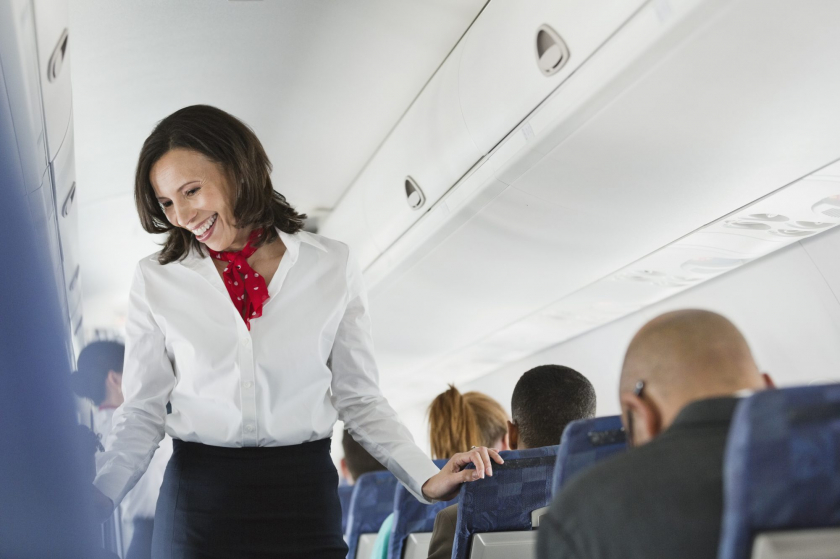
Sick or unwell tourists are always given special attention and assistance.
Passengers who are sick or prone to motion sickness also receive special attention from the flight crew. Nuralia Mazlan, a flight attendant for Air Asia, said she is always on guard against intoxicated passengers. These are the types of people most likely to cause trouble in the air. Things become especially serious once the plane has taken off and is in the air. At that point, flight attendants have to deal with these disruptive passengers alone. Mazlan said her crew once had a hilarious and frustrating experience dealing with a drunk passenger who refused to wear clothes while at an altitude of over 3,000 meters.
A restless, anxious person.
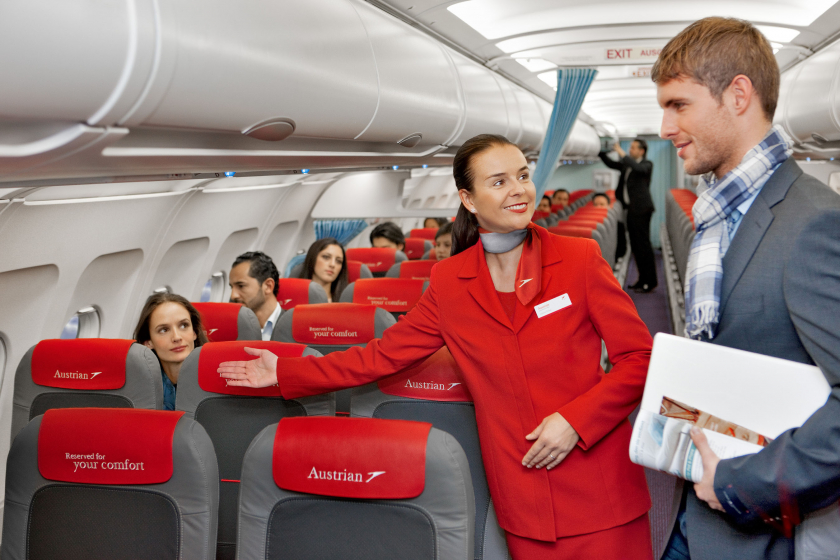
The flight crew needs to identify and reassure anxious passengers.
According to Tosya, flight crews always try to identify passengers who show signs of restlessness or anxiety while on board. These are the passengers who need reassurance, encouragement, and attention throughout the journey because they may be first-time flyers, afraid of heights, or afraid of enclosed spaces, etc. "Caring for passengers and making them feel satisfied with the service also contributes to the prestige of an airline," Tosya said.

"We can tell if they're frequent flyers by observing how they board the plane. If they're blocking the aisle and looking straight towards the back of the plane, they're likely first-timers," flight attendant Kimberly Sullivan said, explaining how to identify first-time flyers.
Someone who can help
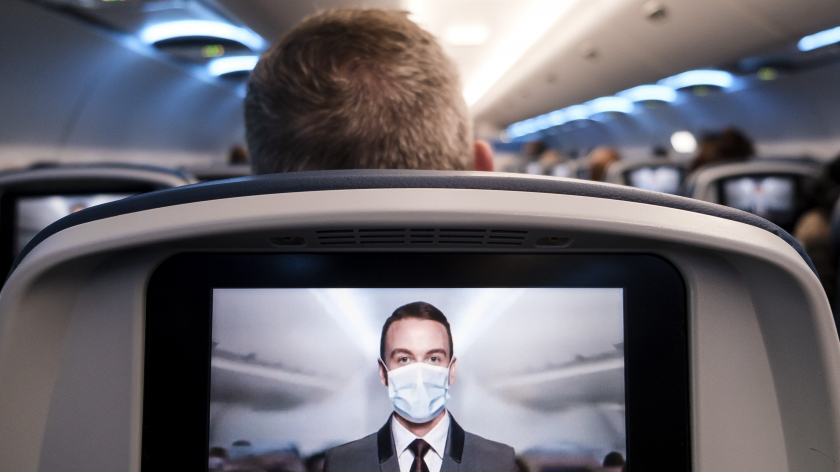
Flight attendants often pay attention to healthy passengers to assist the flight crew.
Janice Bridger, a flight attendant with 27 years of experience, is also very concerned about passengers who can assist her in emergency situations. Sometimes, passengers sitting near the emergency exit might be elderly, young children, or infirm. In fact, they are not qualified to sit in that position. Passengers sitting near the emergency exit must be healthy and capable of opening the door in an emergency, or preventing others from trying to open it. "The same applies if passengers don't understand English. They won't be able to understand the flight crew's instructions (if it's an international airline, using English). They also won't be able to read the instructions printed on the emergency exit," Bridger said.
Bridger said she would look for tall, strong men. They would be the ones who could help the flight crew subdue troublemakers, help other passengers load heavy items into the overhead cabin... And those are truly helpful people.
Colleague
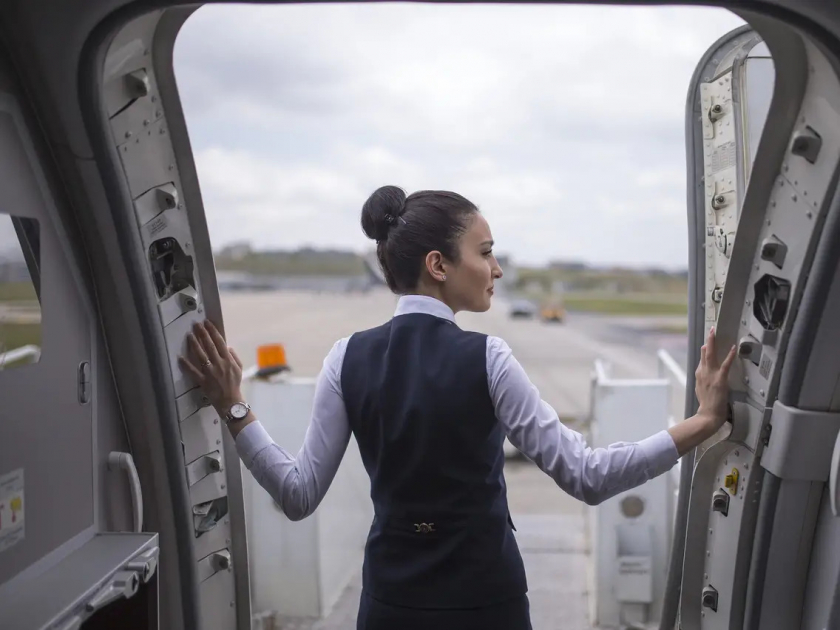
The flight crew's colleagues were an incredible help.
"I always try to find out if we have any airline employees, especially flight attendants and pilots, on our flights. They are invaluable resources. These people are all well-trained to handle emergencies. They would be incredibly helpful in case of an incident."
Bridger cited an example: United Airlines Flight 232, which crashed in 1989 in the United States. Fortunately, Captain Dennis Fitch was on vacation and a passenger on that flight. He assisted the captain in successfully landing the plane. Fitch's assistance played a major role in saving the lives of 184 passengers.