VI
VI


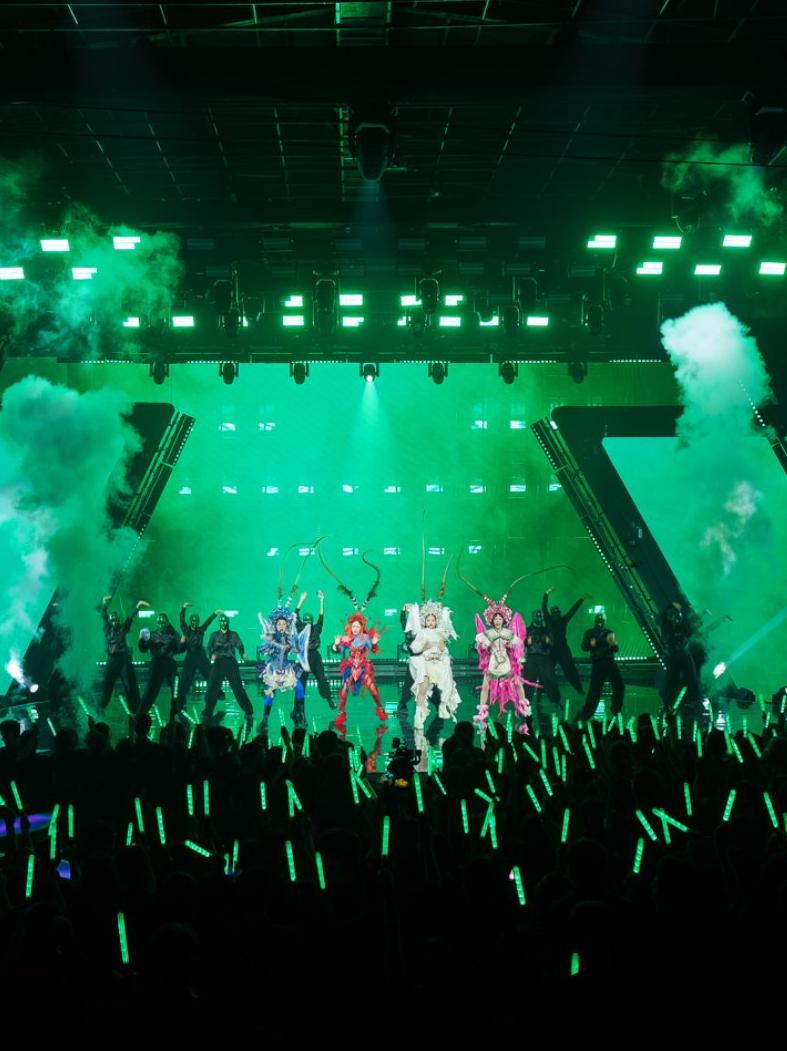
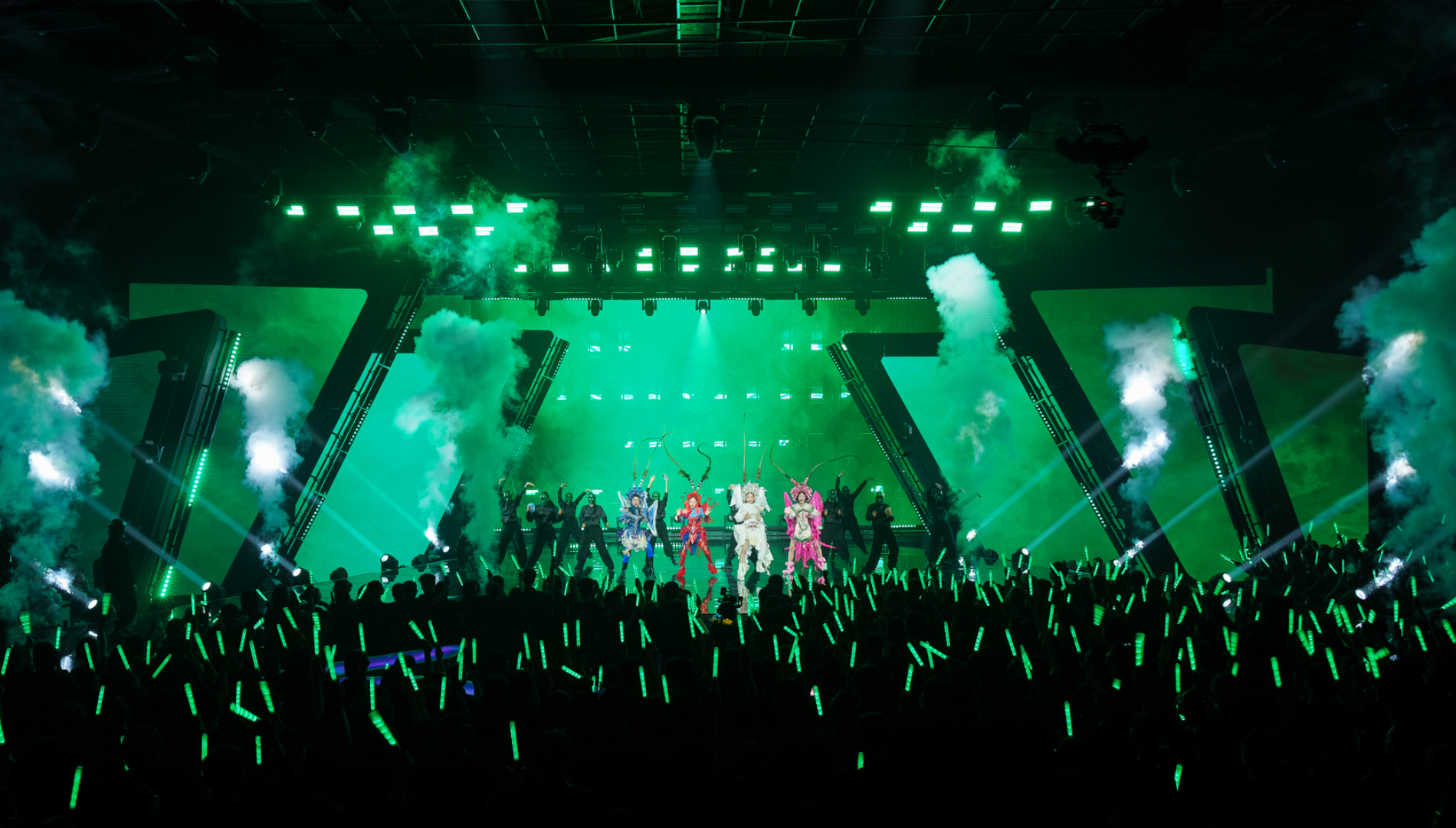
Recently, the stage of the "Em xinh say hi" program became the center of attention with the impressive performance of "He" by team captain Phuong My Chi and members Phuong Ly, Phao, and Chi Xe. More than just an entertaining act, "He" garnered praise from both experts and audiences for its sophisticated blend of traditional Vietnamese opera/classical theater with modern music and catchy rap. This is seen as a vivid example of how the younger generation is breathing new life into the nation's cultural heritage.
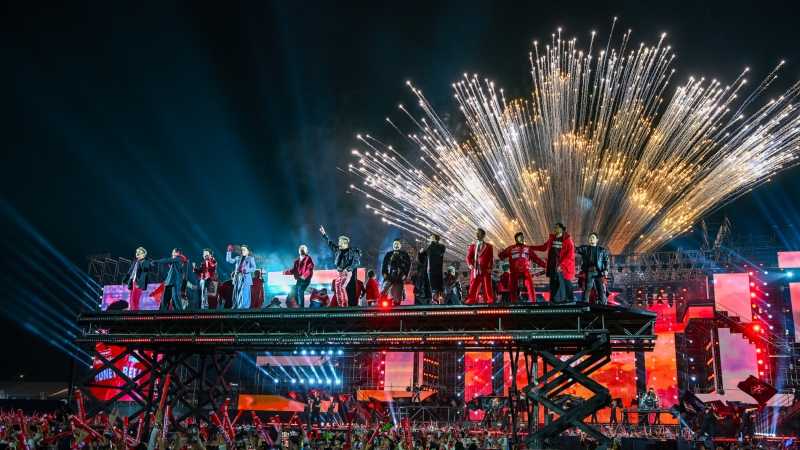
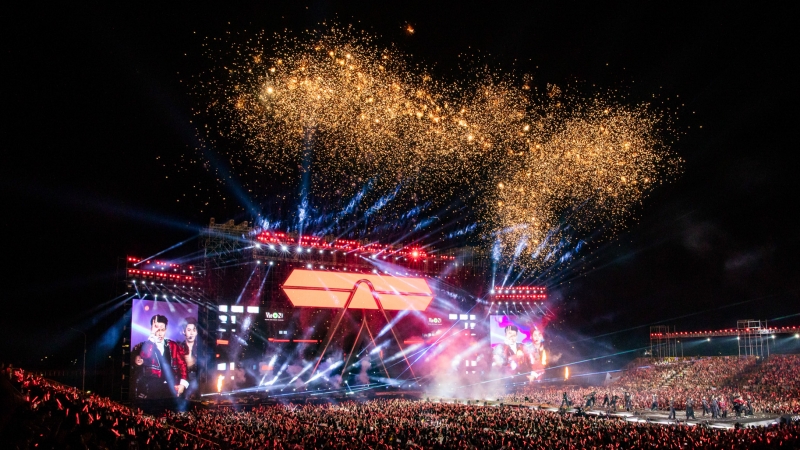
When modern music gives wings to the heritage of traditional Vietnamese opera.
Phuong My Chi shared her profound thoughts on the meaning of "He": "For me, 'He' is not just an entertainment performance, but also a way for me to tell people about a deep, subtle, and proud aspect of ancient Vietnamese culture. I want to spread traditional Vietnamese opera/hat boi more widely on stage from the perspective of the younger generation."
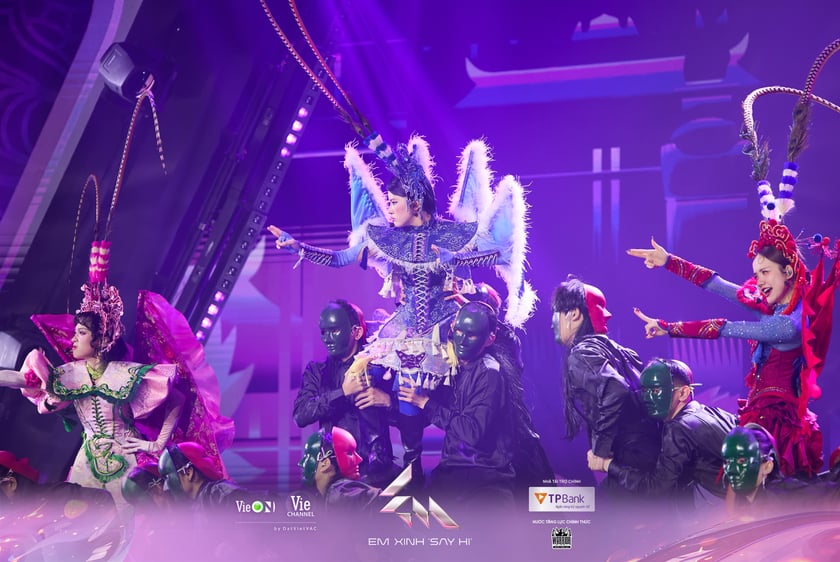
If traditional music is Phương Mỹ Chi's "artistic DNA," then her ability to inspire and ignite teamwork is what makes her truly special.
From the first time she heard the demo of the song, the singer envisioned incorporating elements of traditional Vietnamese opera (hat boi/tuong co) into the performance. She believed that even though this art form is no longer popular in mainstream music, it still holds profound cultural depth and a unique source of artistic inspiration, from its visuals and music to its stage language. This is what created a meaningful highlight on the modern stage, attracting the attention of a wide audience, especially young people.
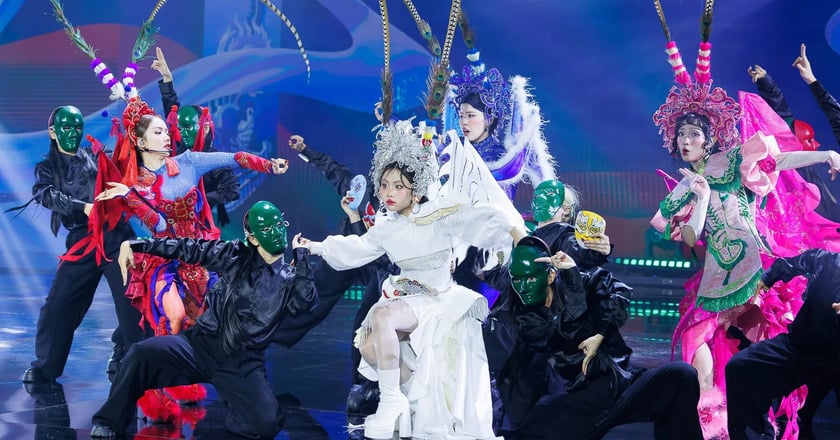
With her "artistic DNA," Phuong My Chi recreated a stage performance deeply imbued with folk music.
To "realize" the unique artistic vision of Phuong My Chi's team, the DTAP production team undertook an extremely meticulous research and "recreation" process. They deeply studied the characteristic melodies of traditional Vietnamese opera (hat boi and tuong co), then restructured and subtly blended them into a modern house music background.

What makes "He" so uniquely culturally significant is that traditional Vietnamese musical instruments such as the fiddle, lute, drums, brass instruments, and sona horn are all recorded live by musicians from the Ngoc Khanh traditional opera troupe. This authenticity brings a genuine cultural flavor, completely different from typical electronic music productions.
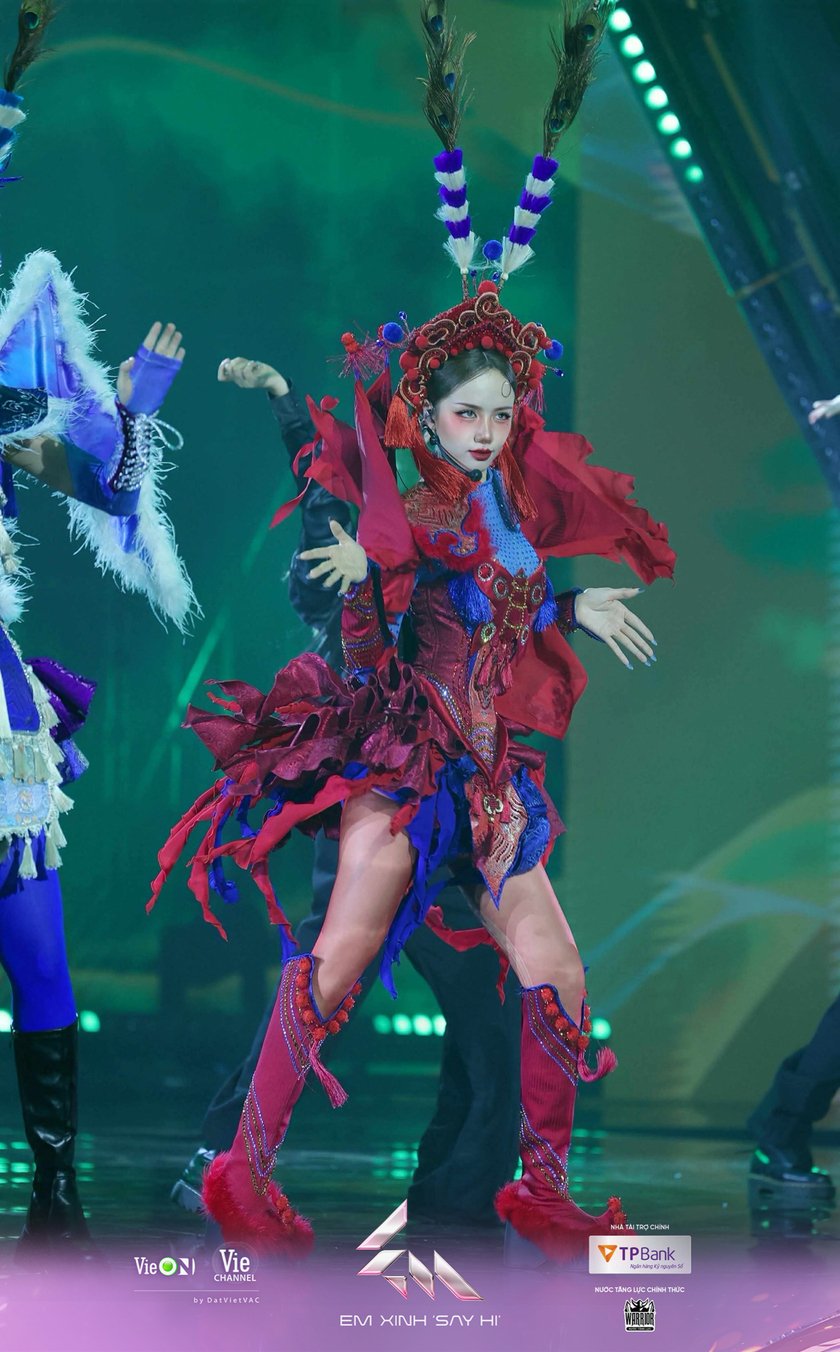
Each member of the group shines in their own way, creating a harmonious and captivating whole.
Behind every creative product lies careful consideration and respect for heritage. Phuong My Chi, DTAP, and the "Em xinh say hi" team undertook a rigorous "learning" process to ensure cultural "accuracy." They proactively sought out leading experts in the field of traditional Vietnamese opera (hat boi) to "ask for advice" and learn before "touching" this precious heritage.
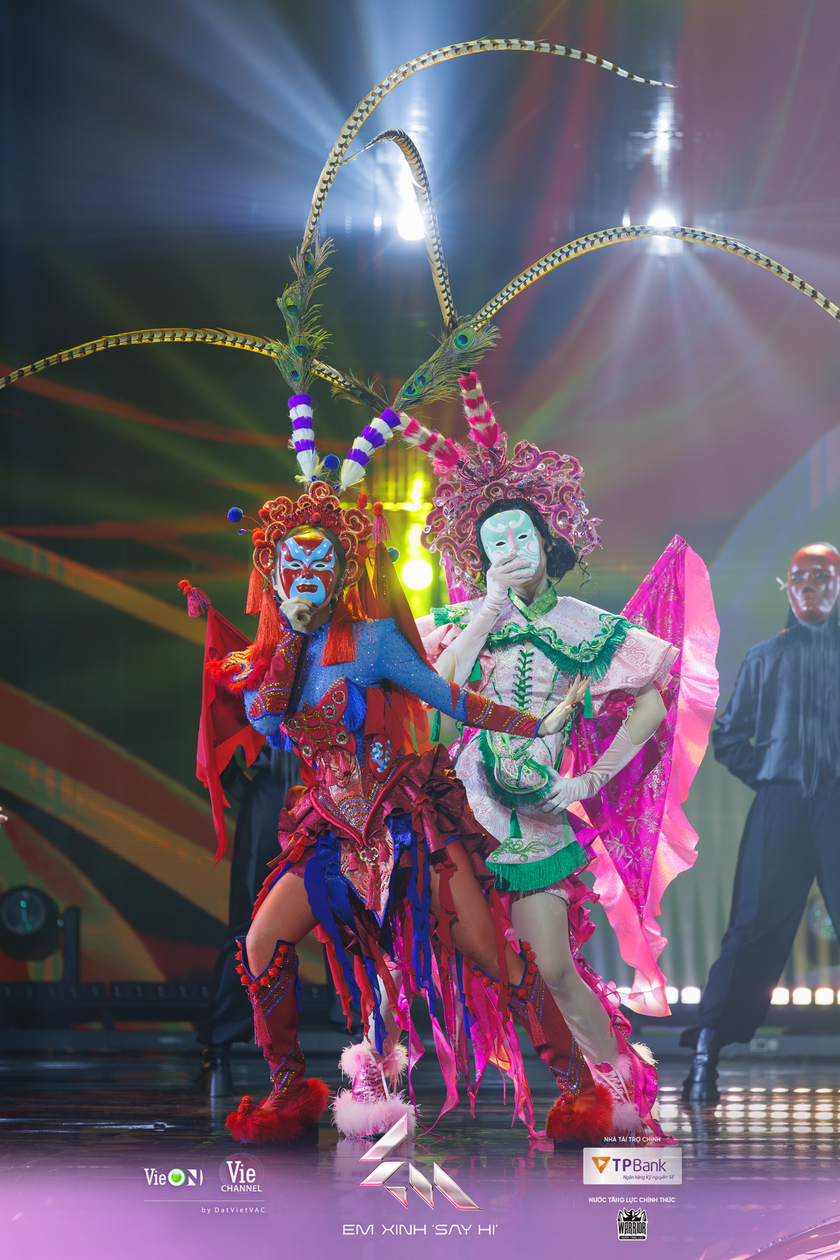
The entire team spent a lot of time researching every small detail of the performance.
Meritorious Artist Ngoc Khanh, Head of the Ngoc Khanh Traditional Opera Troupe, became a special "teacher," meticulously guiding every aspect from music, costumes, posture, and instruments to the "unwavering" principles of stage performance. Every detail was carefully and wholeheartedly "communicated." Furthermore, Phuong My Chi's team delved deeper by working with the "Heritage Journey – Hello Vietnam" project team to understand the "boundaries" when innovating traditional art, as well as the subtle differences between Northern Vietnamese traditional opera and Southern Vietnamese traditional opera. From costumes to every hand and foot movement, everything was thoroughly researched, not just put on and done, demonstrating seriousness and professionalism.
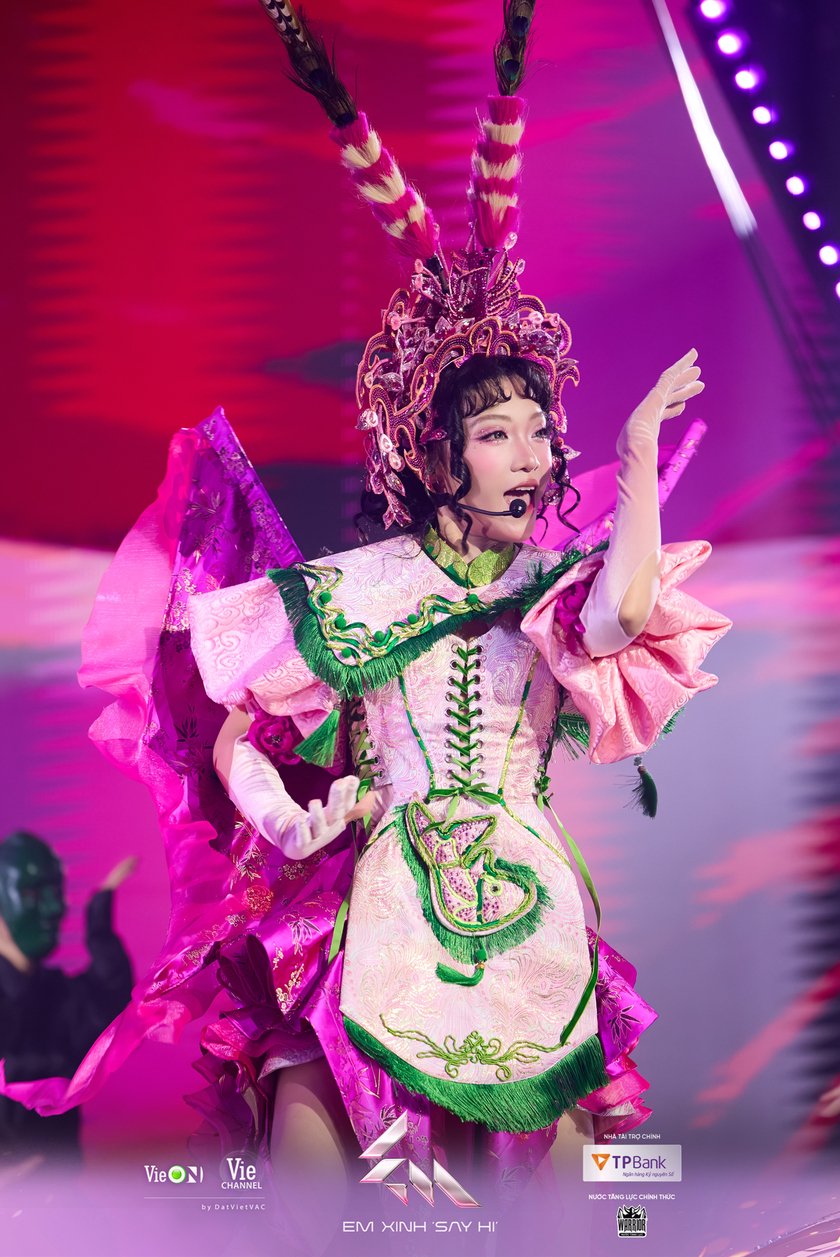
Bringing traditional Vietnamese opera/hat boi culture to the stage and making it appealing to Gen Z is no easy task.
The "Comedy" performance is clear evidence that Vietnamese culture is not outdated; on the contrary, it is always ready to shine if "told the right way" by succeeding generations. In the current context, where cultures have the opportunity to interact and exchange strongly, young Vietnamese people are asserting their pioneering role. They are not only actively preserving, inheriting, and spreading traditional cultural values to the world, but also skillfully absorbing and selecting the best elements from abroad to enrich their national cultural identity.
As writer Nguyen Truong Quy has affirmed, the younger generation is a promising force in continuing and promoting traditional cultural values. With their dynamism, creativity, and ability to quickly grasp the tools and methods of interpretation of the new era, they can interact with humanity and take Vietnamese culture further than ever before.
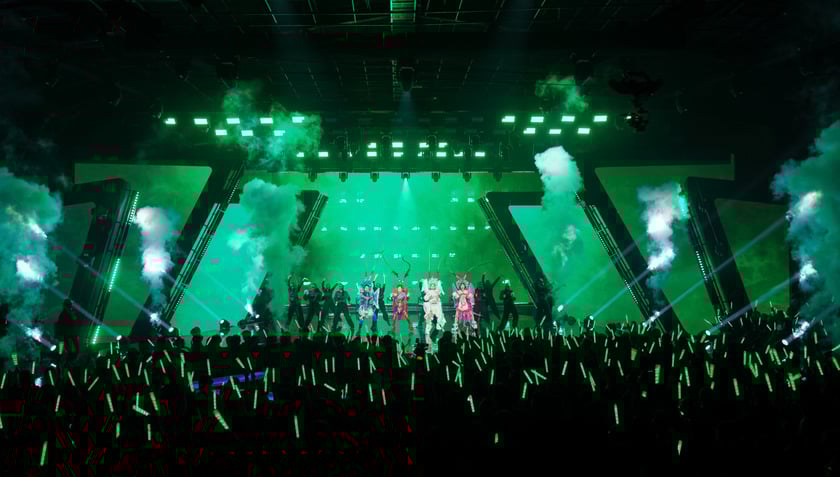
"The Clown" was praised as a truly outstanding performance for daring to incorporate elements of national culture into a modern arrangement without feeling forced.
With her traditional "artistic DNA," Phuong My Chi not only shines individually but also demonstrates her ability to inspire and ignite teamwork, allowing each member of the group to shine in their own way, creating a harmonious and captivating whole. This shows that the role of young artists extends beyond simply performing; it's about shaping trends, spreading culture, and creating a new generation of audiences who appreciate modernized traditional values.
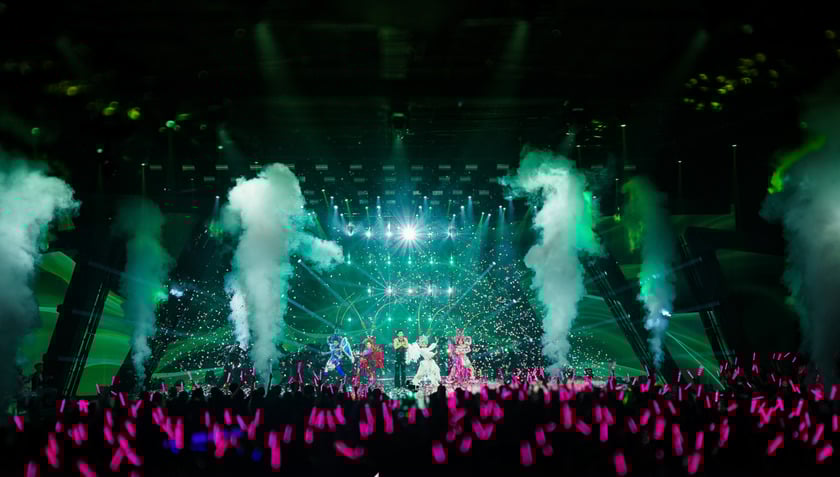
This is an opportunity for folk culture to become more accessible to young people and international friends.
"He" is not only a success for Phuong My Chi and her team, but also a symbol of cultural exchange, creativity, and a strong affirmation of the vibrant vitality of Vietnamese culture in the modern rhythm.