VI
VI


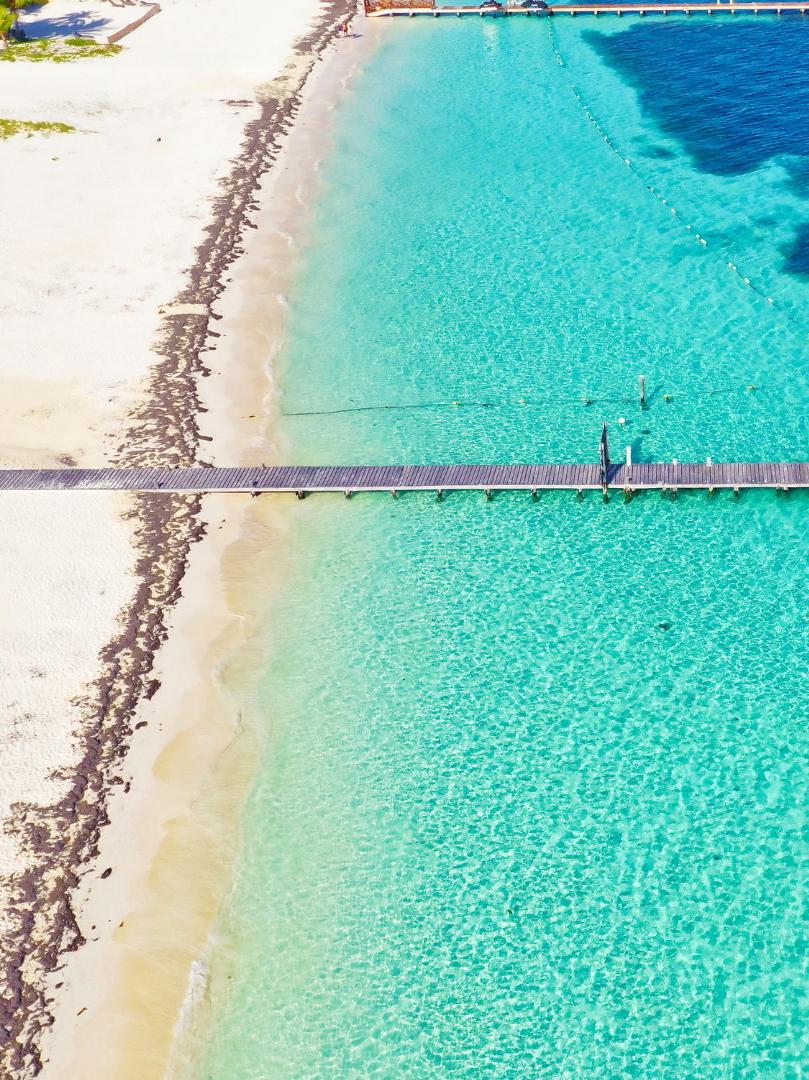
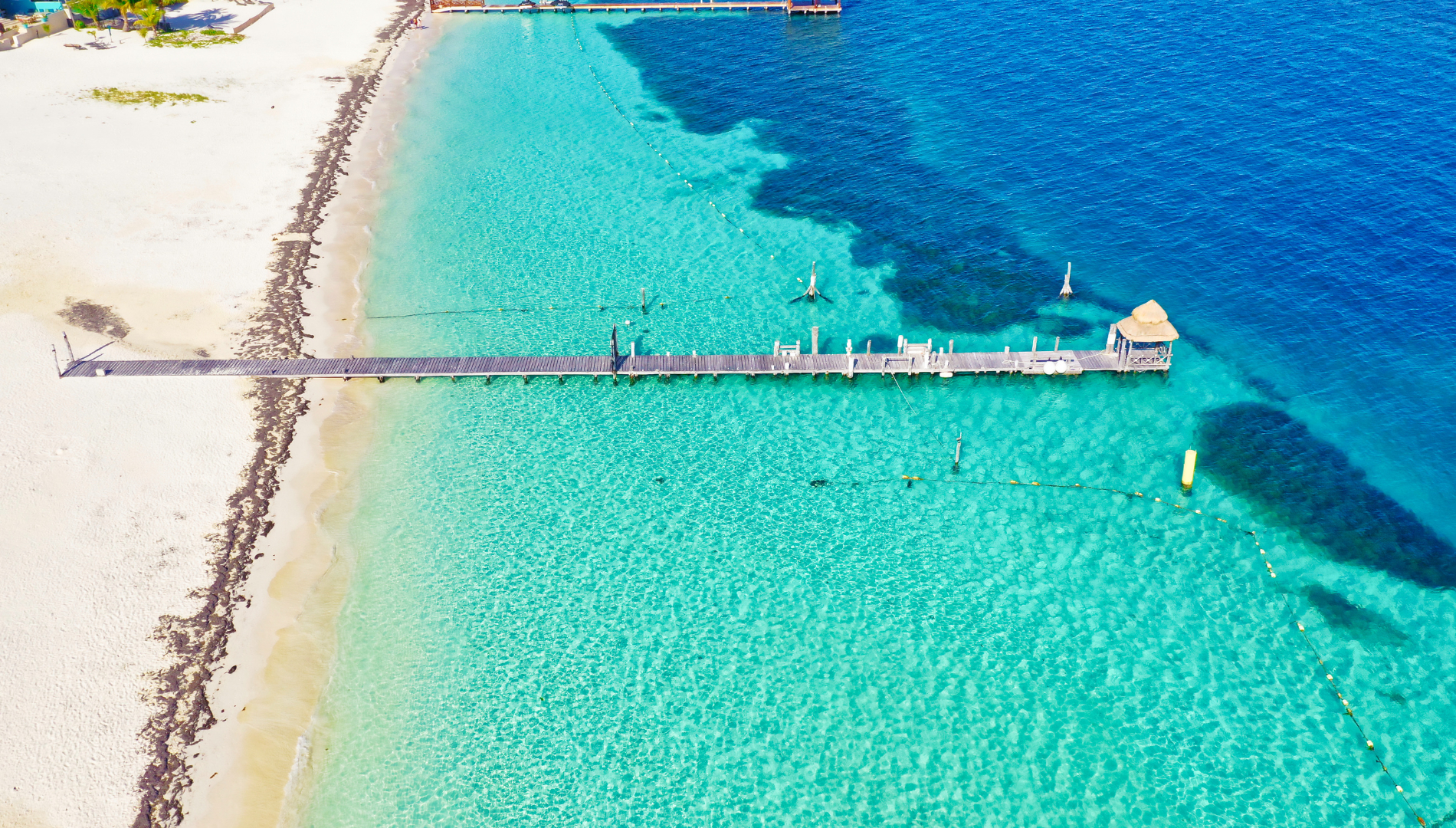
Cancun, a seaside city in Mexico, is becoming one of the world's most attractive tourist destinations. According to CNN, Cancun is a coastal city in the state of Quintana Roo, in eastern Mexico, on the Yucatan Peninsula, located in the Gulf of Mexico. Cancun offers much more than just a beach vacation.
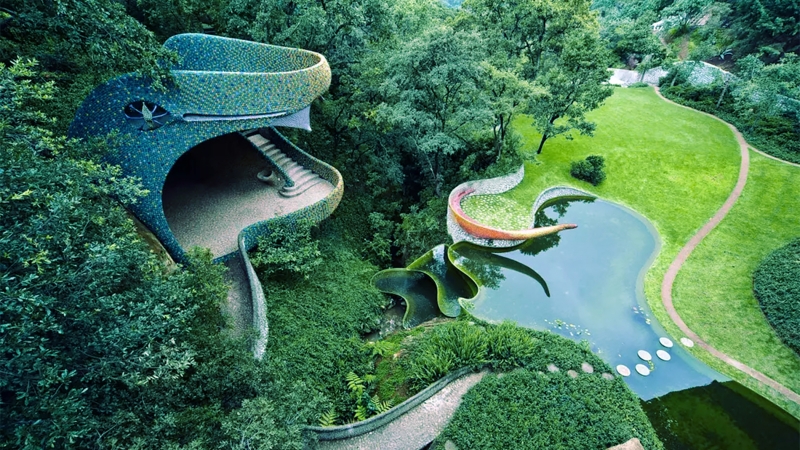
This time is particularly significant for visiting Cancun, as it marks 50 years since the first hotel opened there. In the early 1970s, Cancun was just a beautiful, unspoiled stretch of coastline, with the exception of a small fishing village. However, its rapid development is no accident but the result of a strategic plan devised by the Mexican government to transform Cancun into a "million-dollar playground."
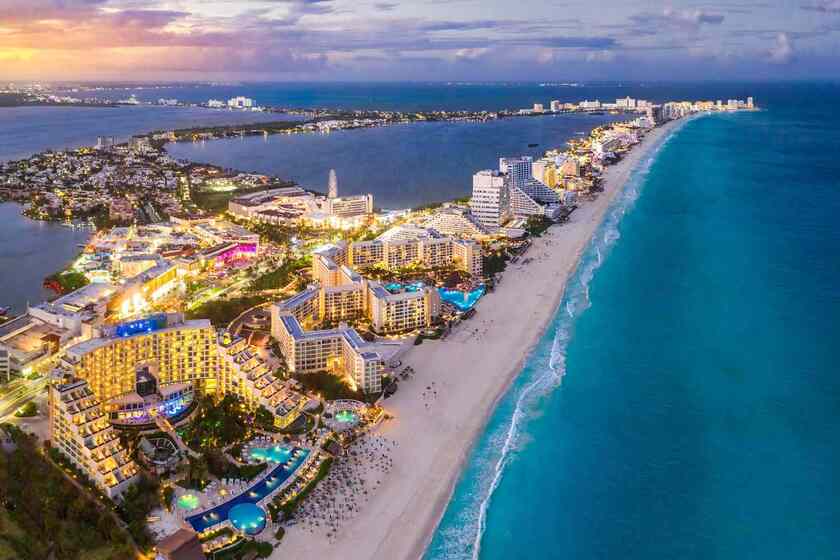
Besides its famous beaches, this city is known for its impressive history.
The plan, dubbed the “Cancun Project,” was approved in 1969 and began implementation in 1970, with the goal of building a new city from scratch. The envisioned city would include a hotel district, a residential area for local residents and workers, and an airport for those wishing to enjoy the pleasant weather and convenient travel. Today, the state boasts numerous resorts, with Cancun being a pioneering and prominent destination.
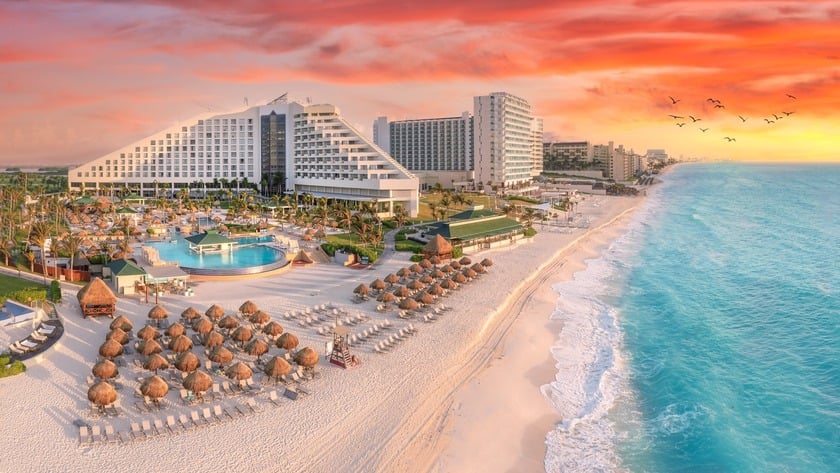
The scenery here attracts many tourists.
Cancun welcomed approximately 21 million visitors in 2023, far exceeding the Ministry of Tourism's predictions and solidifying its unmissable position on the Mexican tourism map.
A CITY RICH IN HISTORY
A night out in Cancun doesn't necessarily have to include gunfights, balloon tossing, or street dancing, although those activities have their own appeal. For a truly local experience, you should watch a night of Lucha Libre wrestling, Mexico's popular sport.

Lucha Libre attracts a large fan base, with wrestlers called Luchadores competing in exciting matches. Luchadores typically wear masks, and traditionally, if they lose a match, they can never wear the mask again. This sport offers a colorful yet brutal experience. You can't help but enjoy the thrilling matches or savor delicious tamales before the game begins.

This is a recreational sport, but it has a long history in this city.
While this form of entertainment, which began in the 1900s, offers visitors a glimpse into local culture, Cancun holds an even older historical heritage. Thousands of years before Cancun became a popular tourist destination, the Mayan Empire built temples and cities here. The remnants of the Mayan civilization are still visible, nestled among pyramid-shaped hotels that reflect their original architecture.
HISTORICAL IMPRINTS ON THE TOPOGRAPHY
To truly understand the highly developed Mayan civilization that once existed here, you should venture deep into the jungle and explore natural wonders like Puerto Morelos and the iconic cenotes. These deep pits, found throughout this region of Mexico, formed during the last ice age when limestone collapsed, providing the jungle's only source of fresh water.
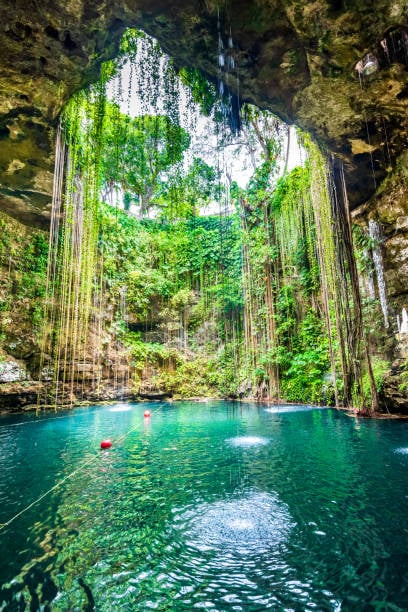
Be captivated by the paradise-like beauty of the seaside city of Cancun, Mexico.
Cenote is a word of Mayan origin, where people believed they were sacred spaces, gateways to the underworld. Roberto Rojo, a biologist and founder of Cenotes Urbanos, a non-profit conservation organization, explains: “They called it Xibalba. Xibalba is the Mayan word for the underworld…it’s not like hell. It’s just another place in their universe. Many pyramids or temples were built over a waterhole or cave, or very close to these places because they were very important to them.”
In fact, the importance of cenotes was such that entire cities and temples, such as Chichen-Itza, were built around them. Chichen-Itza, designated as one of the New Seven Wonders of the World in 2000, is a testament to this. The Maya even performed sacrificial rituals by throwing animals into cenotes to appease the gods.
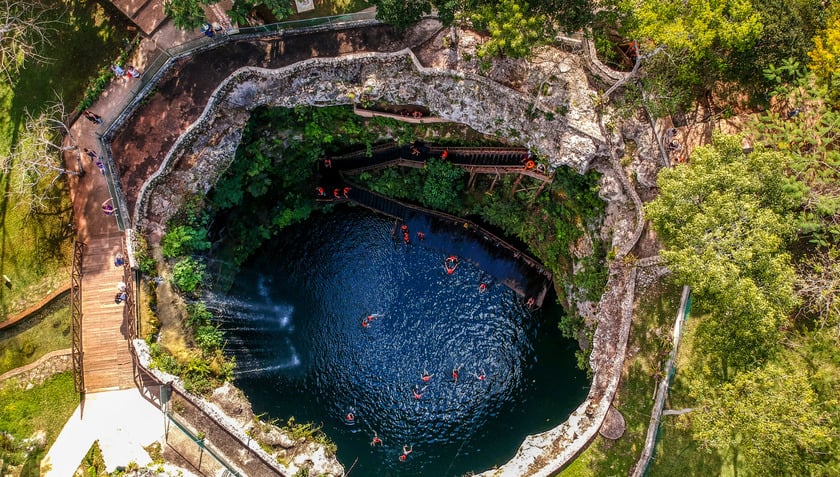
These mysterious sinkholes have now become a popular tourist attraction.
At Cenote Zapote in Puerto Morelos, visitors can even dive to the bottom and witness things that have existed for over 10,000 years.
While Cancun's natural wonders typically draw tourists in, its more frequent rain showers than one might expect force visitors to seek shelter indoors and flock to the town's shopping centers.
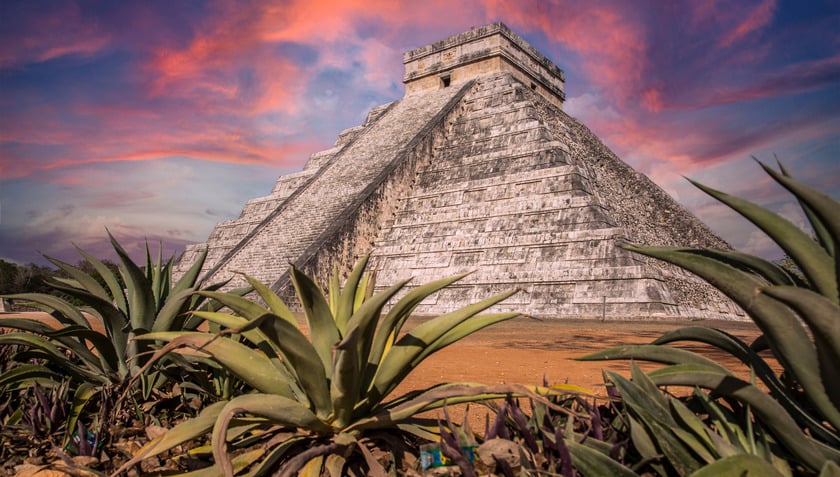
Historical landscapes bearing the distinct mark of the Maya civilization in Cancun.
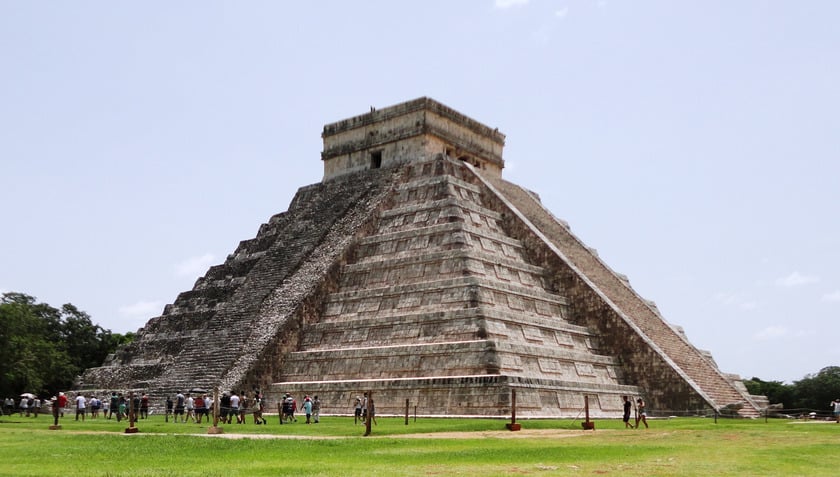
Although Cancun has a modern Mexican feel, the souvenirs here are distinctly Mayan, from local handicrafts to refrigerator magnets shaped like temples.
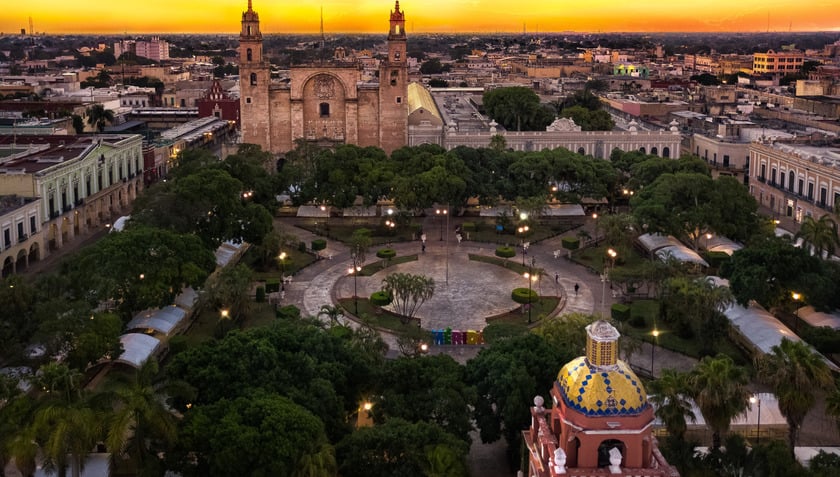
The city's history attracts the attention of many tourists.
Like the ancient Maya, the creators of modern Cancun knew exactly what they were doing when they transformed it into a tourist paradise. Today, Cancun is a fantastic blend of old and new, a standout destination well worth exploring, from stunning beaches to vibrant bars, from ancient water caverns to jungle adventures.