VI
VI


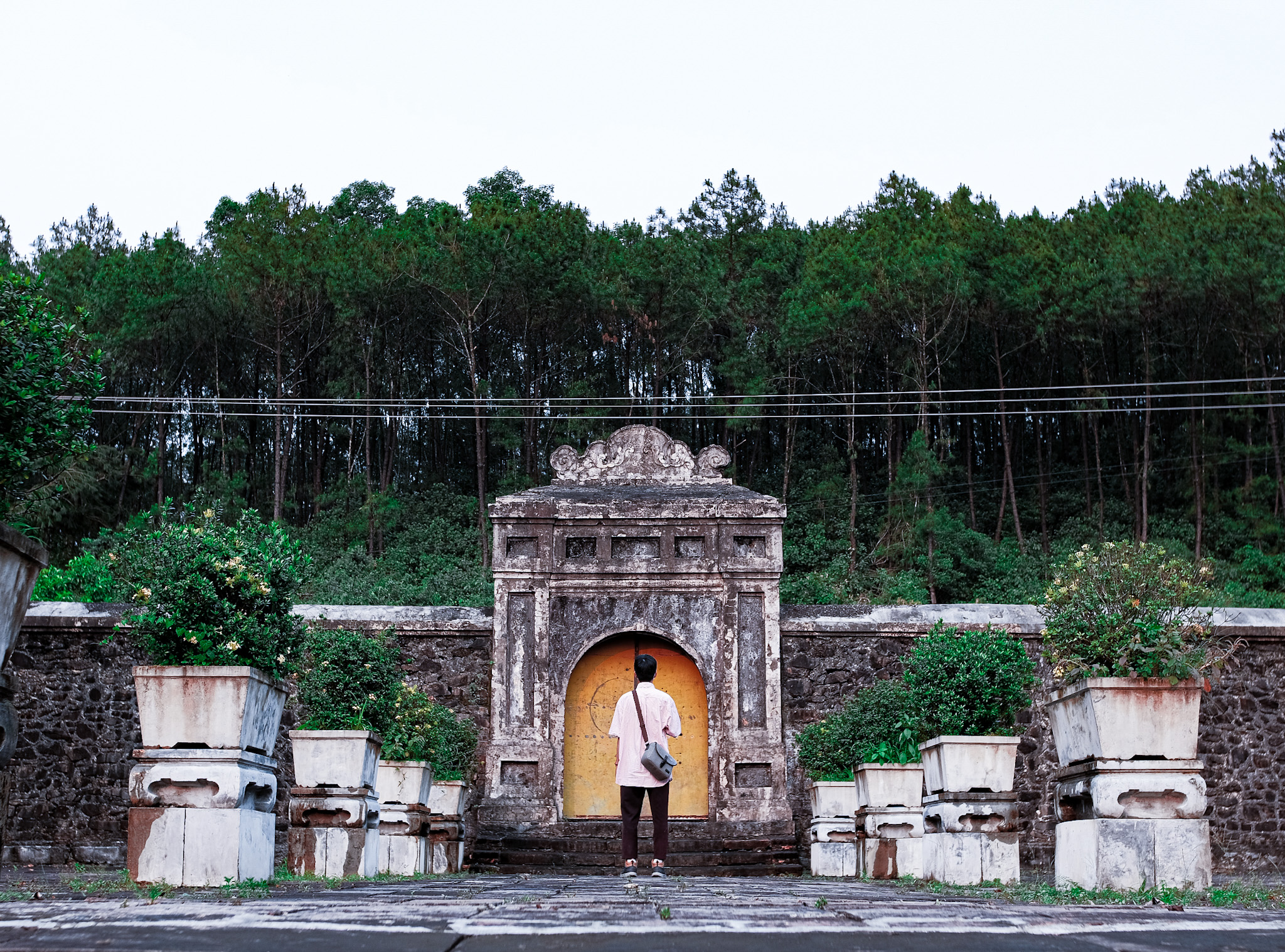
This place is called the Skull Mausoleum because it is where the skull of Prince Nguyen Phuc Luan, a relative of King Gia Long, Nguyen Phuc Anh, is buried. According to historical accounts, after his death due to political conflicts, Nguyen Phuc Luan's tomb was exhumed by his enemies. They then threw his bones into the Perfume River opposite the mausoleum.
Upon hearing the news, a villager who had affection for him searched the deep river and recovered the remains of the lord, burying them carefully. In 1802, when Nguyen Anh (later Emperor Gia Long) ascended the throne, he heard that someone had buried his father's skull. The emperor immediately ordered the remains to be exhumed, and he cut his hand and dripped blood onto the skull, which absorbed all the blood. Convinced that it was his father's skull, the emperor ordered the construction of this mausoleum to worship him.

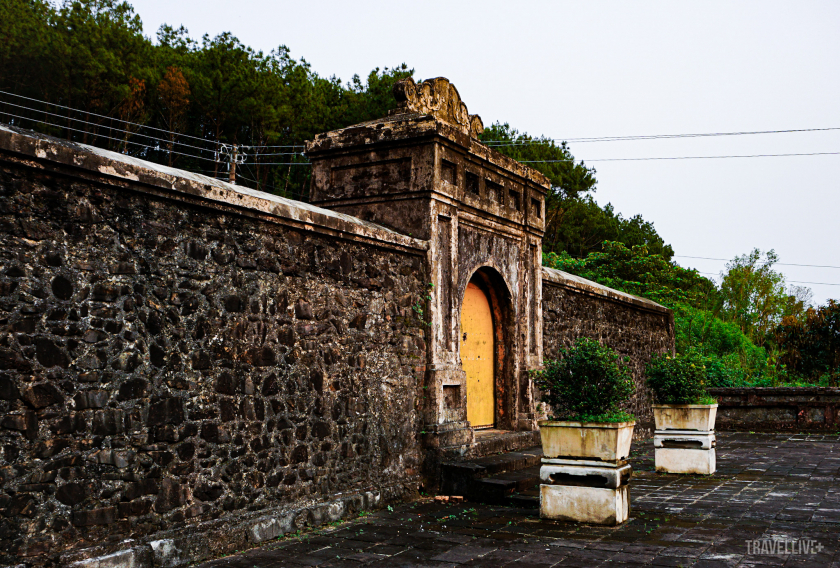
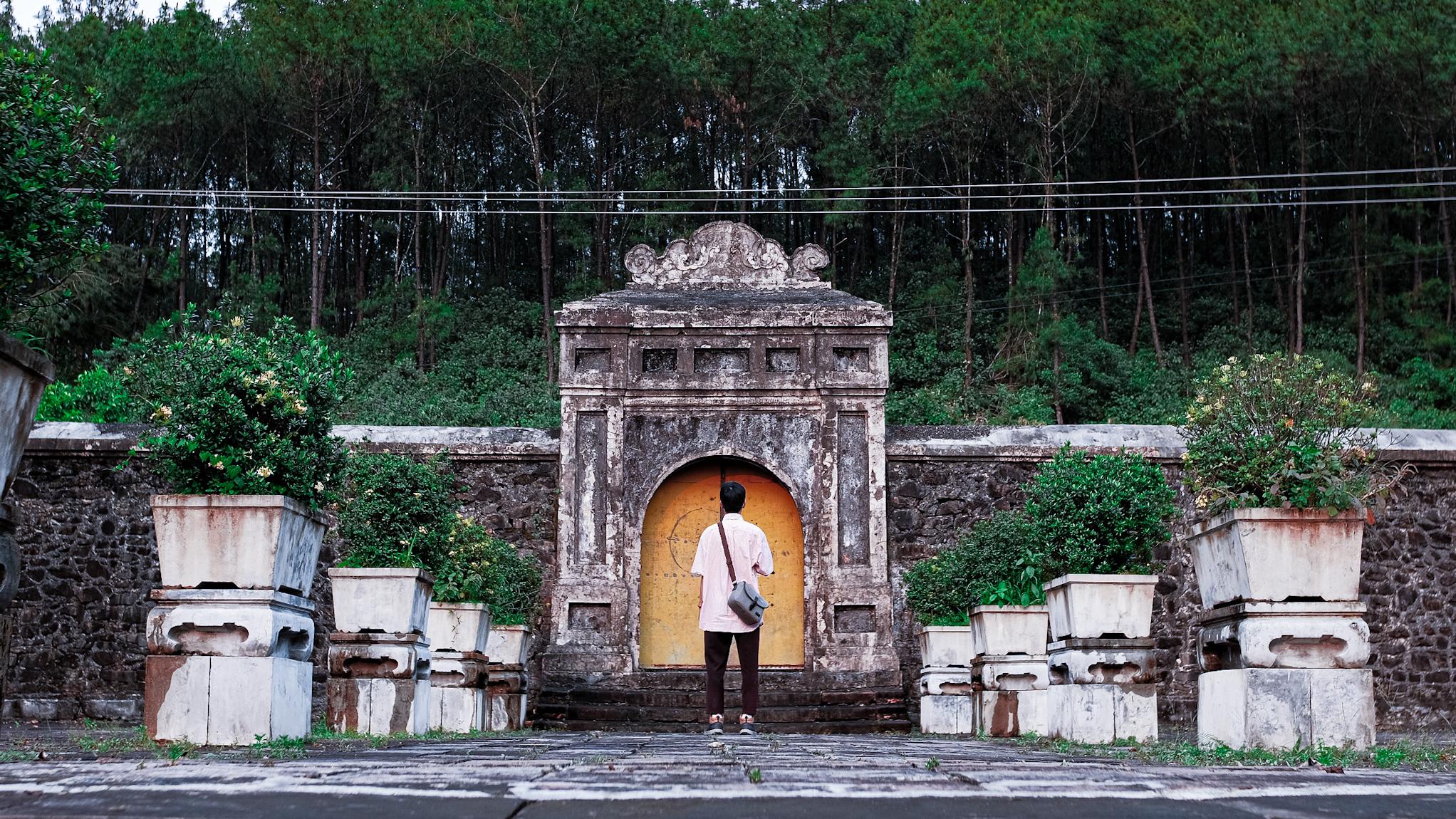
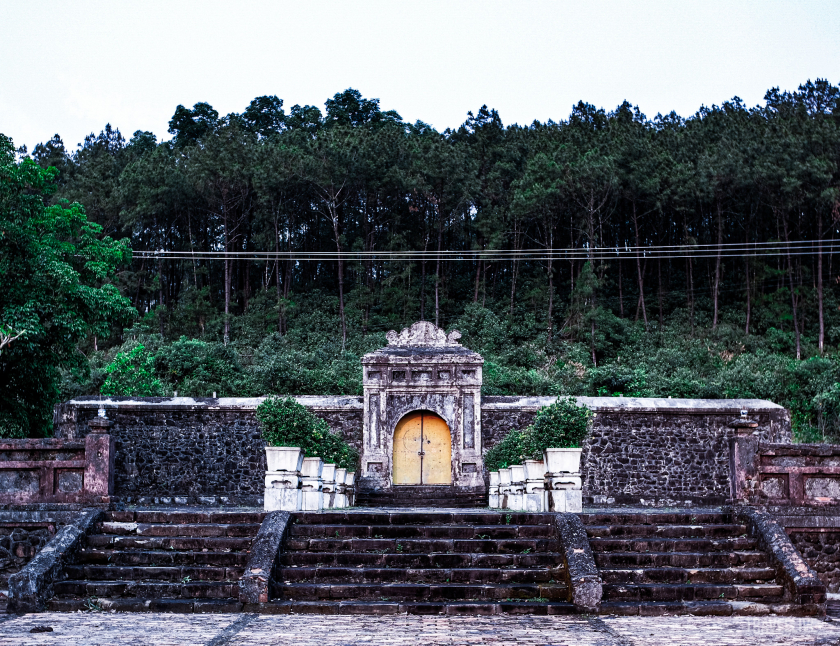
Behind this wall, beyond that yellow gate, lies the burial place of a skull.

The author and his friends visited the Skull Mausoleum.
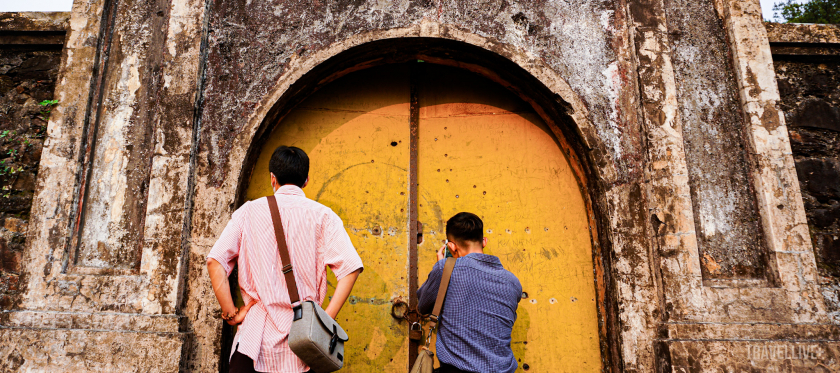
The strange allure of a thrilling story.
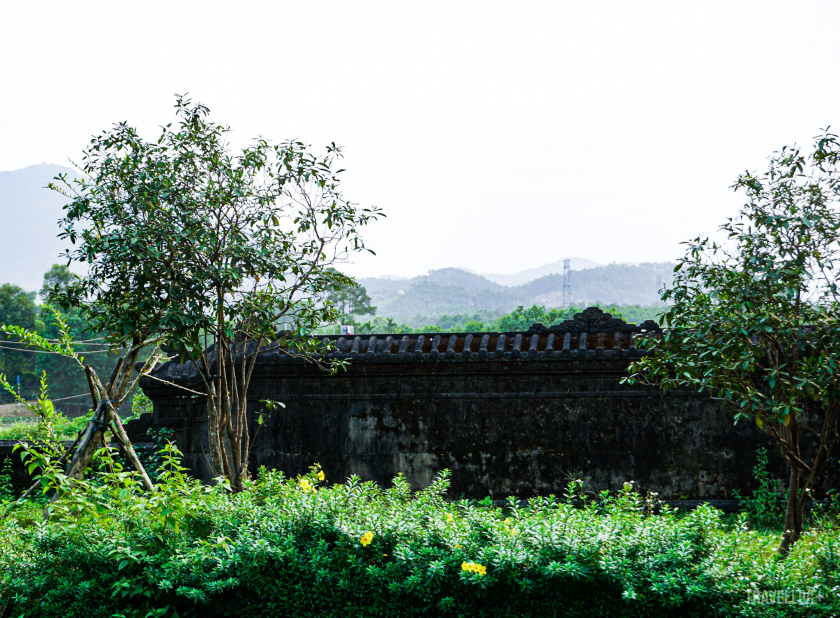
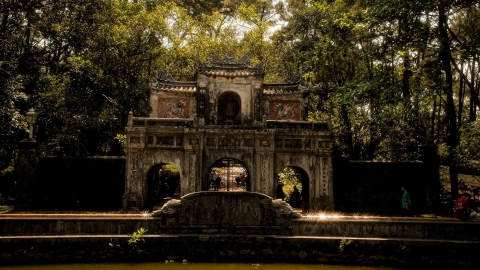
Like other mausoleums, the Skull Mausoleum was built on a piece of land with a special location, overlooking the river and nestled against the mountains, peaceful and serene.
The Skull Mausoleum is now desolate and deserted. It's probably been quite a while since many people visited the mausoleum complex. The Skull Mausoleum is almost forgotten because it cannot compare to other mausoleums in terms of architecture or scale. Unless you look closely, you might even miss it, as it has deteriorated considerably and is hidden behind very large banyan trees.
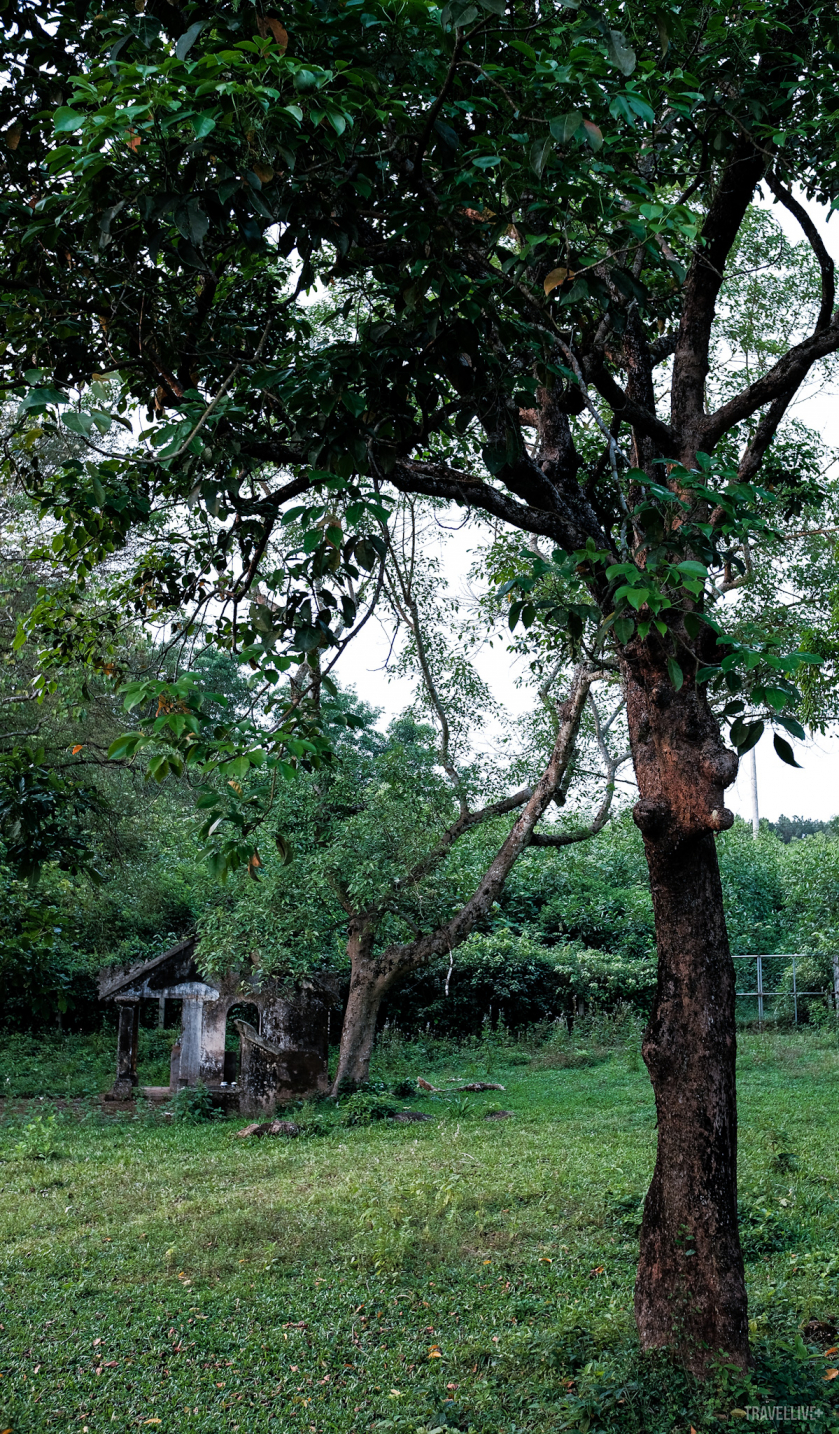
Not far from there is the church of fisherman Nguyen Ngoc Huyen, who was instrumental in recovering the skull of Nguyen Phuc Luan years ago. After his death, the king ordered the construction of a shrine for him right next to the Skull Mausoleum.

The Skull Mausoleum is located about 10km from the city center, in a sparsely populated and secluded village.
So many historical stories and anecdotes have been preserved forever with this city.
Thinh hopes that these shared experiences will encourage anyone visiting Hue to take the time to stop by and experience the ancient and tranquil atmosphere, to better understand the heroic tales in Vietnamese history, and to love Hue even more—a land with so many stories.
About the author: Thinh is a curious person with a burning passion for exploring culture and geography. Thinh has stories to tell through films, photo collections, or short essays. "A Story by Thinh" is a personal sharing of the emotions experienced during the magical journeys of youth.