VI
VI


What is the Naadam Festival?
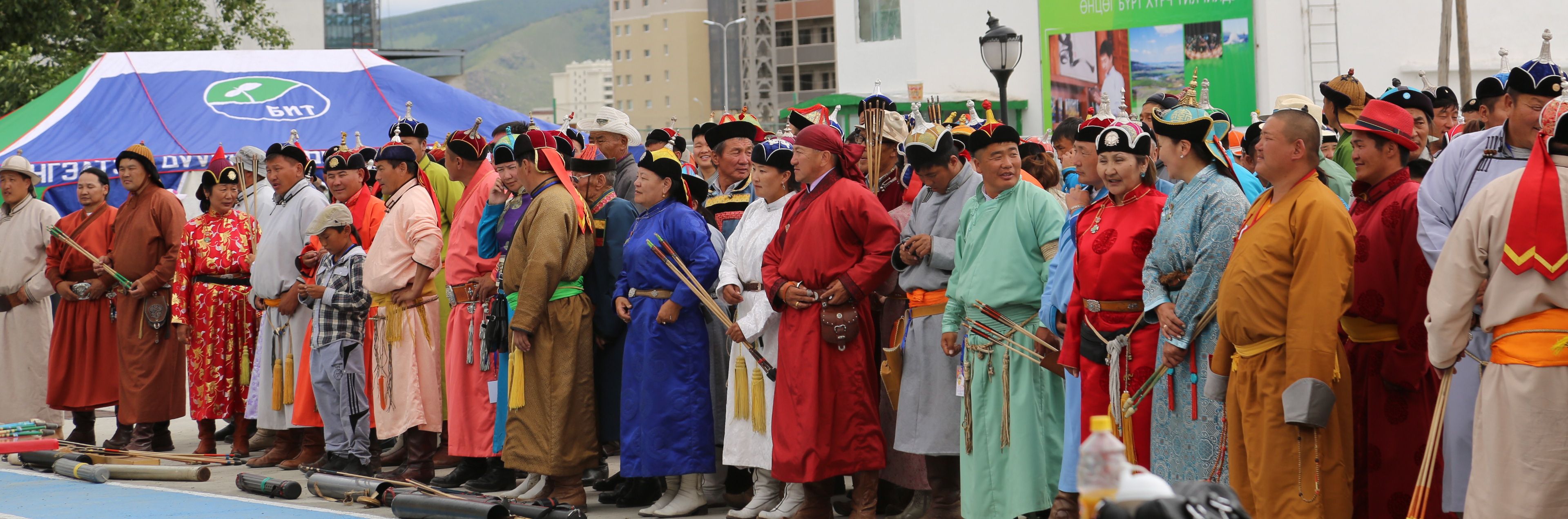
Naadam means "game" in Mongolian. Some places in Mongolia call this festival "Eriin Gurvan Naadam," meaning "festival of three men's games." The games include Mongolian wrestling, horse racing, and archery, held throughout Mongolia in mid-summer. Nowadays, women are also allowed to participate in archery and horse racing, but not in Mongolian wrestling.
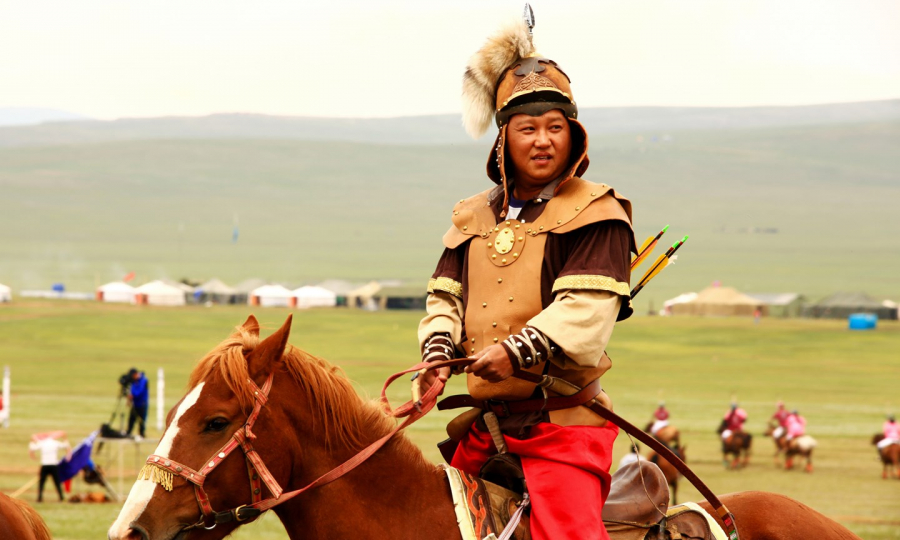
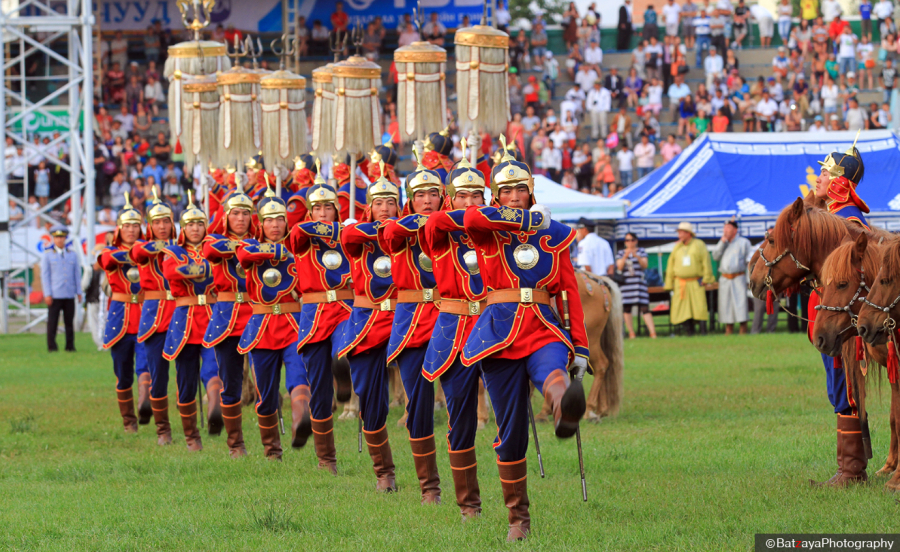
During the competition, contestants must wear traditional Mongolian attire. Before each competition, there is a cavalry parade, and there are also dancing and drinking activities.
The festival is held annually in July and lasts for several days throughout Mongolia, with the most spectacular celebrations in the capital Ulaanbaatar, but it is equally vibrant and colorful in rural areas.
Horse racing
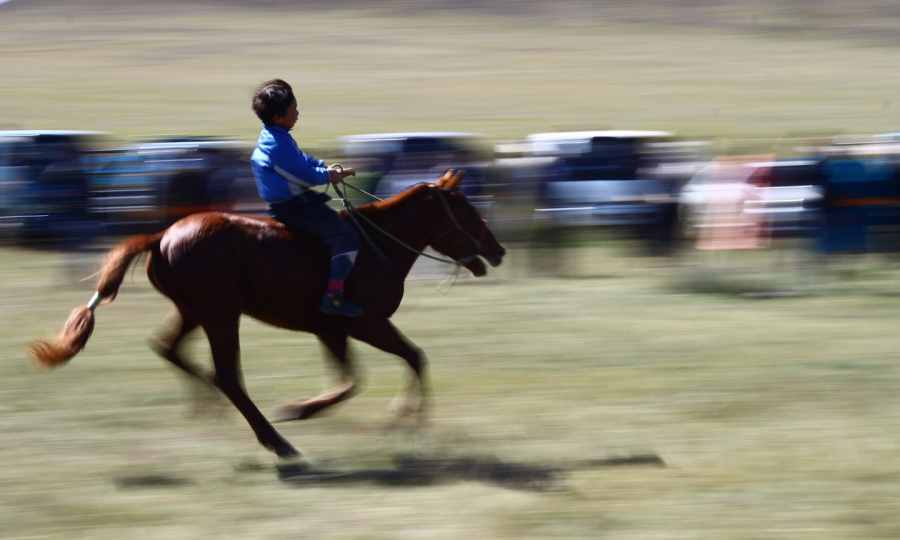
Mongolia is often described as a nation born from horseback. The native horses here are incredibly strong and powerful, dating back to the time of Genghis Khan. They possess superior physical strength compared to humans, adapt well to harsh temperatures, and are adept at foraging for food. In Mongolia, every child growing up in rural areas learns to ride a horse from the age of three. The cultural significance of horse racing at the Naadam festival is to honor historical values. Furthermore, there is an ancient Mongolian legend that says you can change your luck by touching the dust and sweat of a horse participating in the Naadam race.
Mongolian wrestling
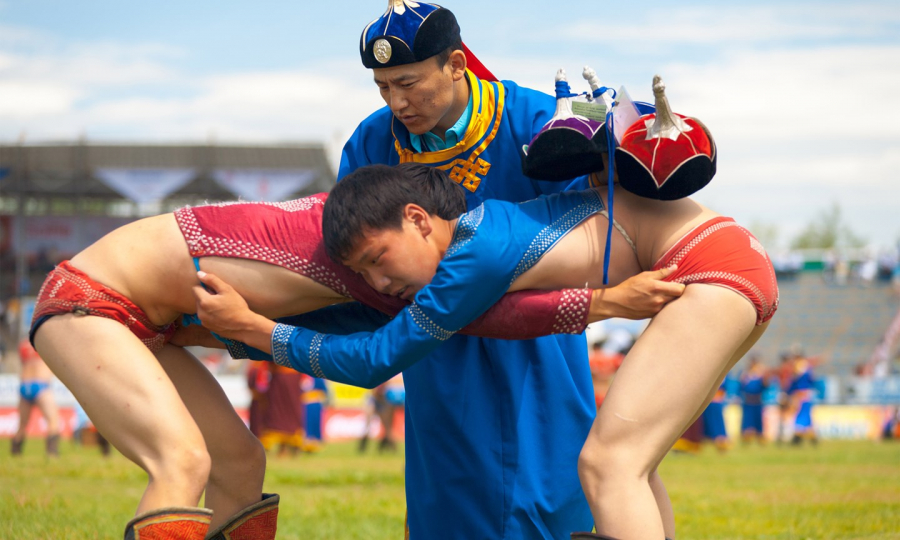
In Mongolia, wrestling is a traditional sport. Matches are broadcast on national television, and every Mongolian family hopes that their son will become a famous wrestler. Cave paintings in the capital Bayankhongor, dating back to the Neolithic period, depict two men wrestling, surrounded by a large crowd of spectators and cheerleaders. Historically, Genghis Khan considered wrestling a sport that helped his soldiers maintain good physical fitness and readiness for battle.
Another unusual feature of Mongolian wrestling is the absence of weight classes. It's quite common for a wrestler to compete against an opponent twice their size in Mongolia. During matches, wrestlers wear a four-sided hat, an off-the-shoulder top, and shorts. When participating in Naadam festival wrestling, wrestlers wear robes and traditional shoes.

Archery
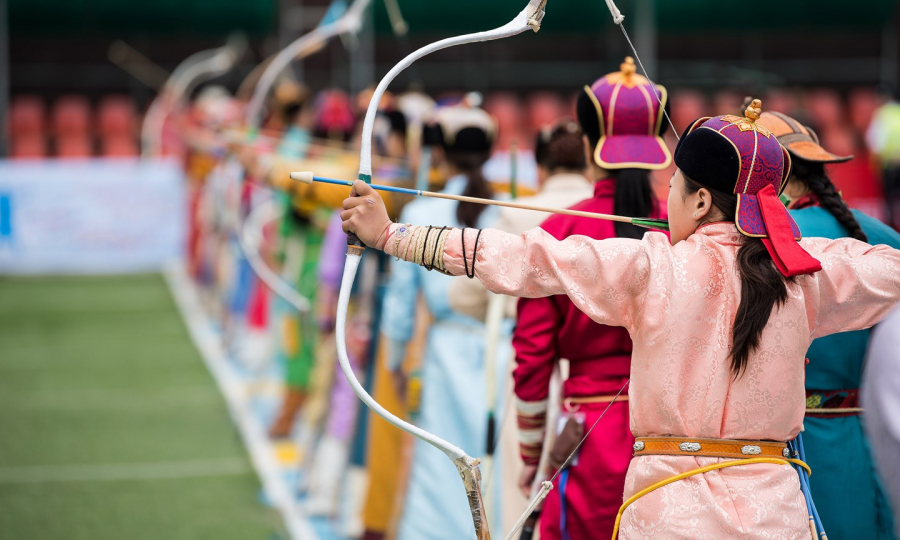
Archery has always played an important role in the lives of the Mongol people. Nomadic peoples were always very skilled with bows and arrows for hunting. Mongol warriors used them as weapons and struck fear into their enemies.
Archery competitions are held at the Naadam festival for archers: men, women, and children. In each category, contestants use different bows and arrows, and the distance to the target also varies. Before competing, contestants must also participate in a physical fitness test to assess their strength, vision, and concentration. Similar to wrestling, archers must wear traditional attire during the competition.
The game "shooting the heel bone"
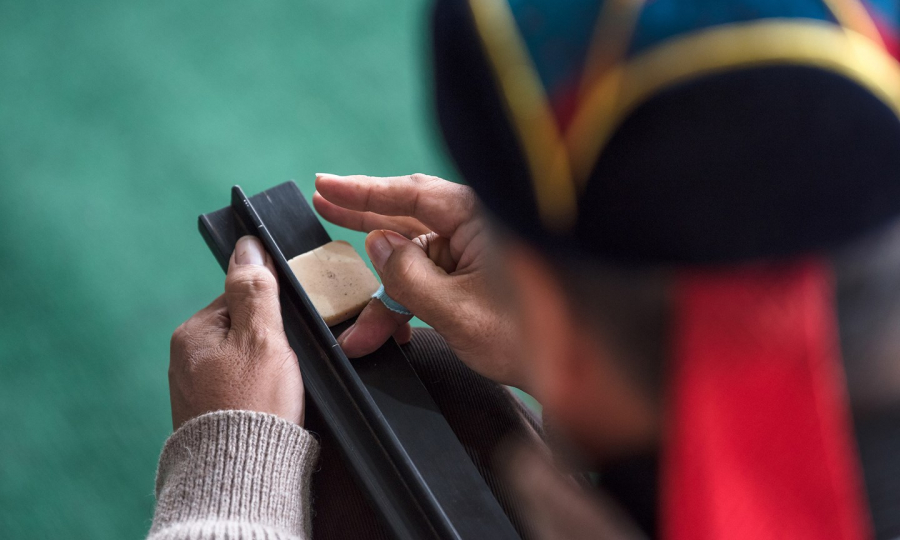
Walking around the Naadam festival, you might encounter groups of six to eight men flicking 30 marbles, resembling dominoes, across a smooth wooden surface to target a piece of sheep bone. This is the traditional Mongolian game of "heel bone shooting" and is considered by many to be the fourth main sport at the festival. The game has a long history, dating back to when Mongolians revered certain animal bones and used them in religious rituals and traditional festivals.
What other interesting things are there about the Naadam festival?
The Naadam Festival is more than just sports. It's the biggest event in Mongolian culture, featuring parades, concerts, and spectacular theater performances.
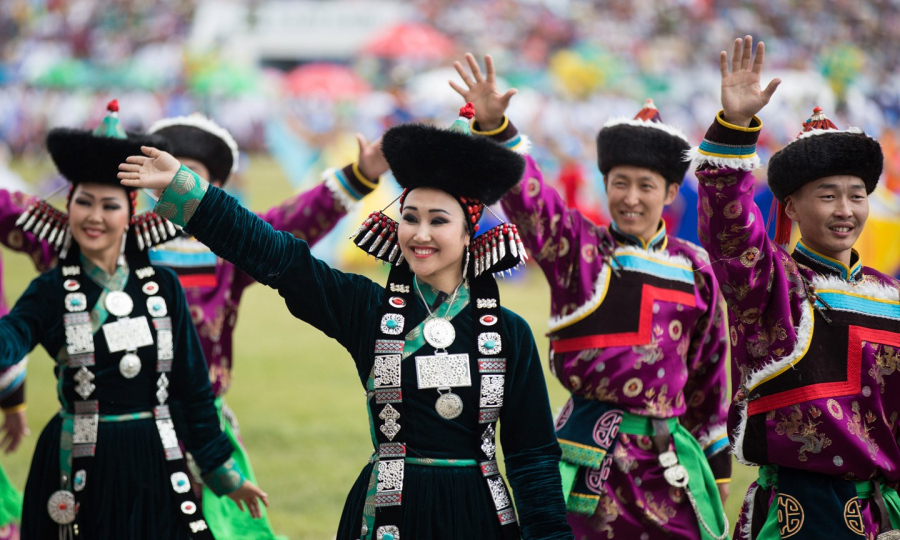
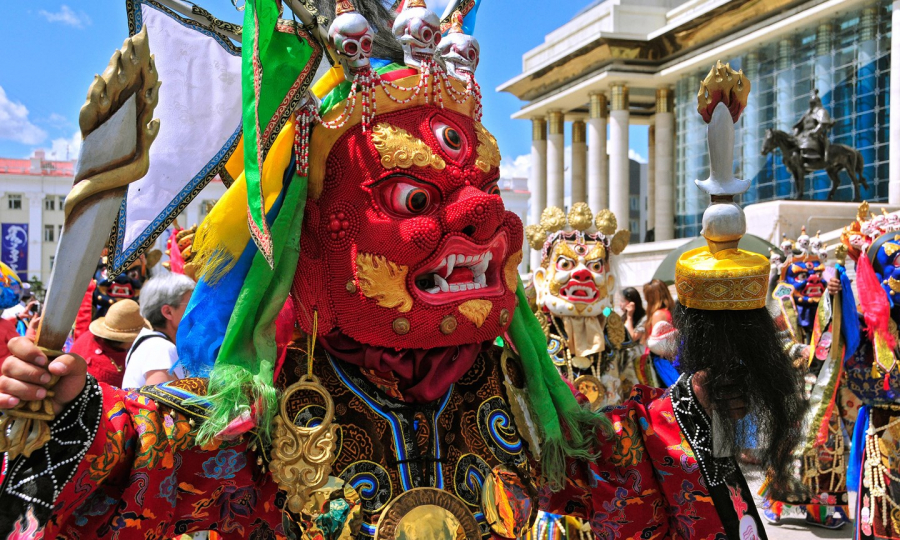
The festival begins with the famous "Nine White Banners" ceremony, a traditional ritual dating back to the time of Genghis Khan and revived in the 1990s to celebrate the country's return to democracy. Each banner is made from the tail hairs of 1,000 horses from each province across the country and is considered a symbol of strength. There is also a traditional masquerade festival called Deeltei Mongol; a horse head festival called Morin Khuur; and nightly performances of Uchirtai Gurvan Tolgoi – a traditional Mongolian opera. At the Naadam festival, visitors can also enjoy jazz music and participate in many other forms of entertainment.
Food at the Naadam festival
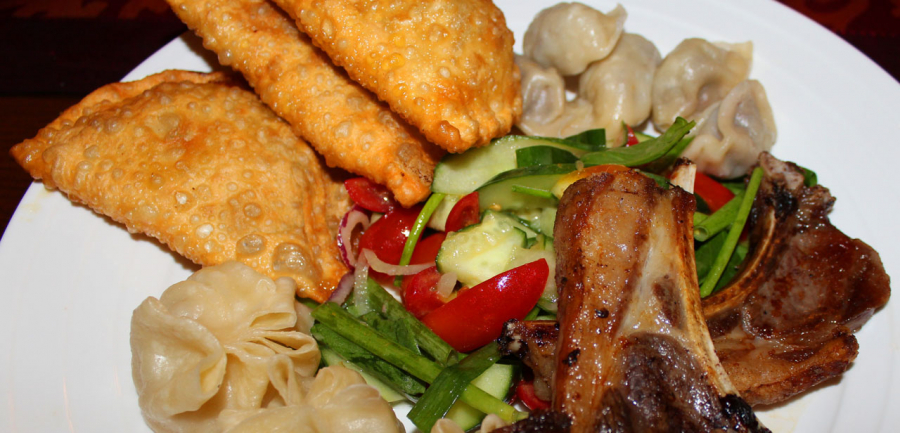
The cuisine at the Naadam festival is rich and diverse. At this exciting cultural event, thousands of nomadic people gather to feast. Their favorite dishes include: khuushuur (a type of meat-filled dumpling), crispy fried dumplings, airag yogurt, fermented mare's milk, and more.
How can you get to the Naadam festival?
In 2019, the Naadam festival took place from July 11th to 15th. Currently, many travel companies offer tours and itineraries that include the festival and further exploration of Mongolia.
Vietnam does not have direct flights to Ulaanbaatar, the capital of Mongolia. Travelers can choose a connecting flight in Beijing (China) with Air China. Alternatively, travelers can choose other connecting flights such as Cathay Pacific (in Hong Kong), United Airlines (in Hong Kong), or Vietnam Airlines (in Tokyo). However, for the second half of the journey, from the connecting points to Ulaanbaatar, travelers will have to switch to Mongolia's national airline, MIAT. The shortest flight takes approximately 10 hours. Vietnamese travel companies often organize Beijing-Mongolia tours with prices ranging from 50 million to 70 million VND per person.
The procedure for applying for a visa to Mongolia is quite simple; tourists only need to fill out the visa application form, provide their passport, ID card, and two 4x6 photos. However, tourists also need an invitation letter from a Mongolian citizen, organization, or travel company. Therefore, tourists can use reputable travel companies such as Saigontourist, Vietravel, Tugo, etc., to sponsor their visa application and make the process easier.