VI
VI


The roof of Europe: Mount Elbrus
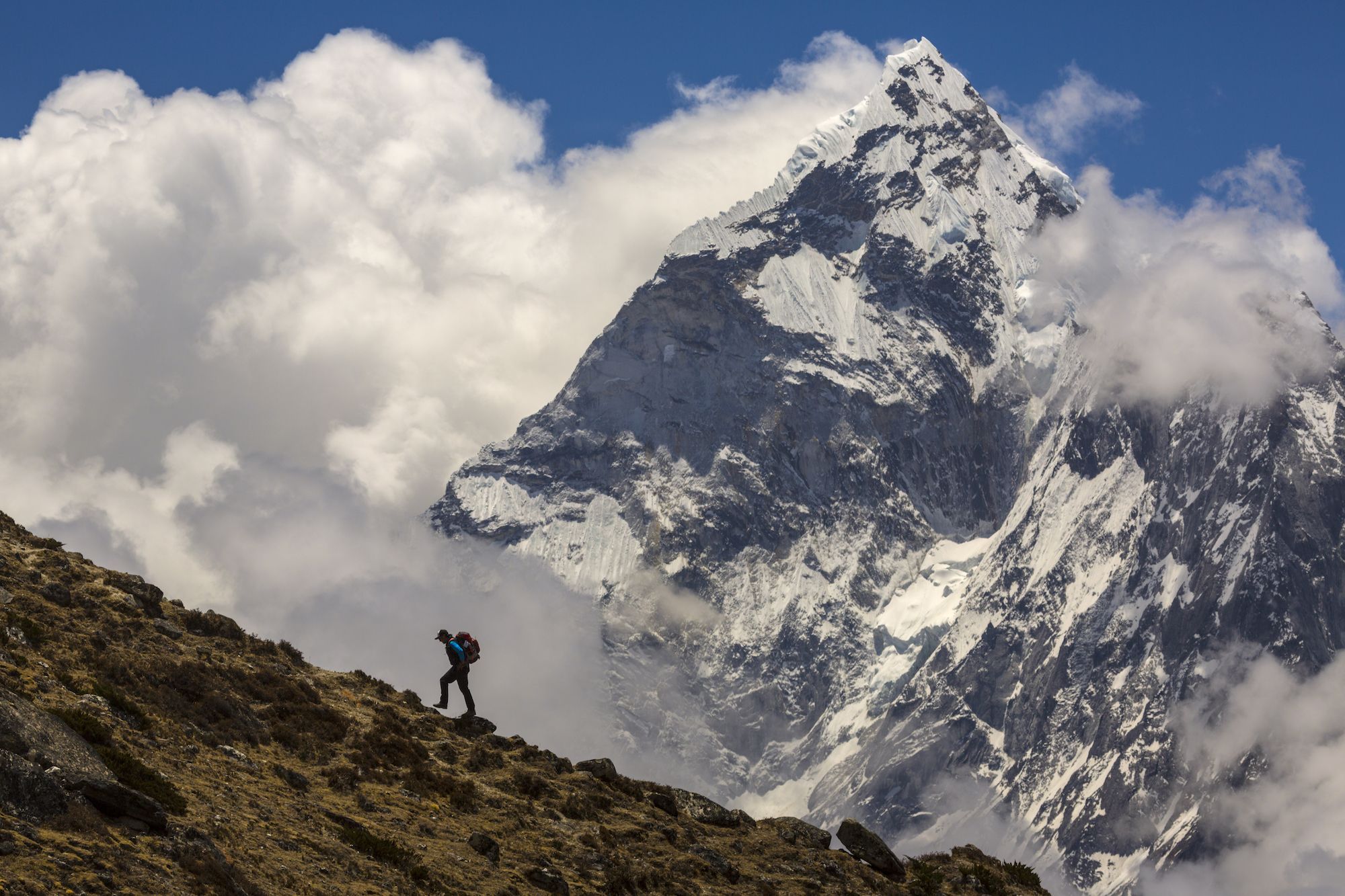
Mount Elbrus is part of the Caucasus Mountains, which divide the Eurasian continent into two. Its peak, at 5,642 meters, lies within Russian territory, making it the "roof of the continent." This peak was originally an inactive volcano and was first conquered in 1829 by Kilav Khachirov, a native of Russia.
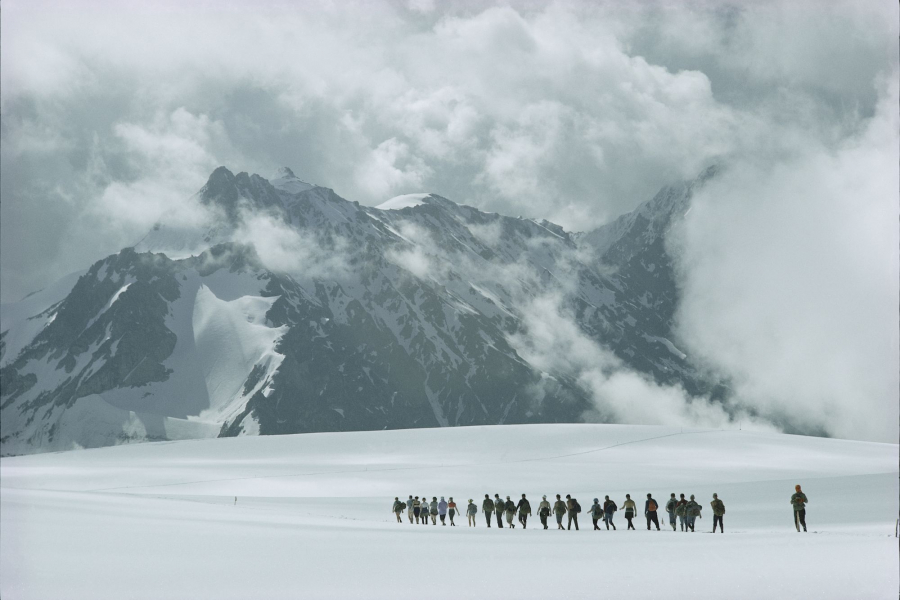
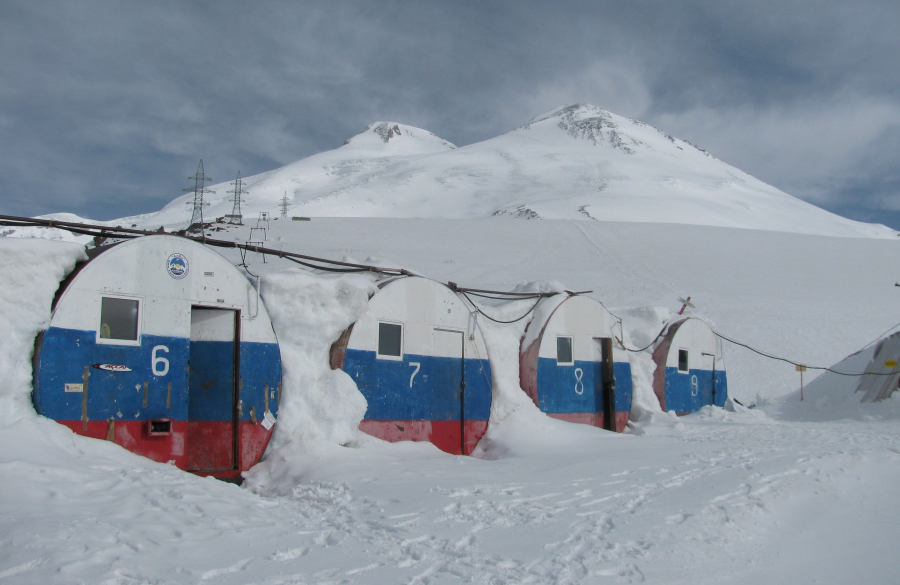
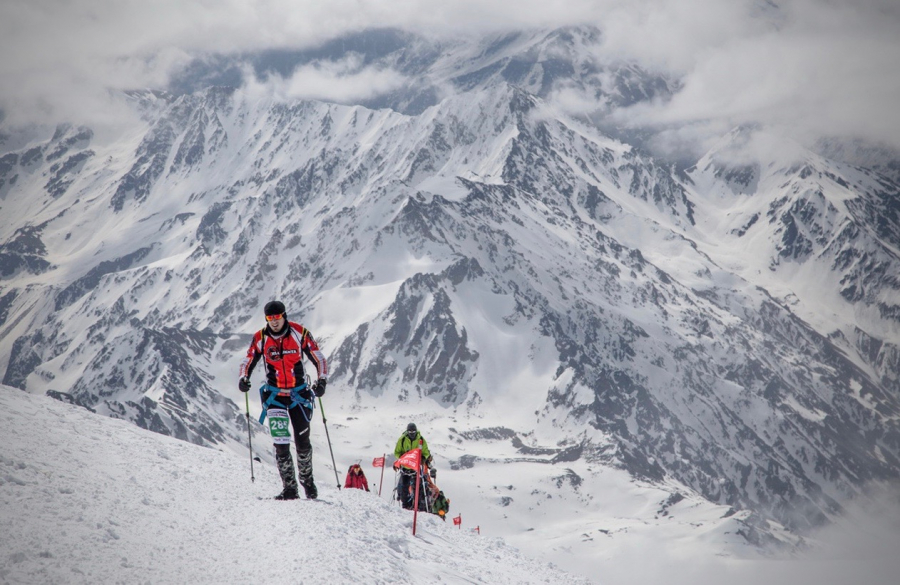
For Russians, this mountain has many names with different meanings such as "eternal mountain," "happy mountain," "giant snow mountain," etc., but the name Elbrus is still most commonly used, meaning "the mountain with clouds swirling around it."
The roof of Asia: Mount Everest
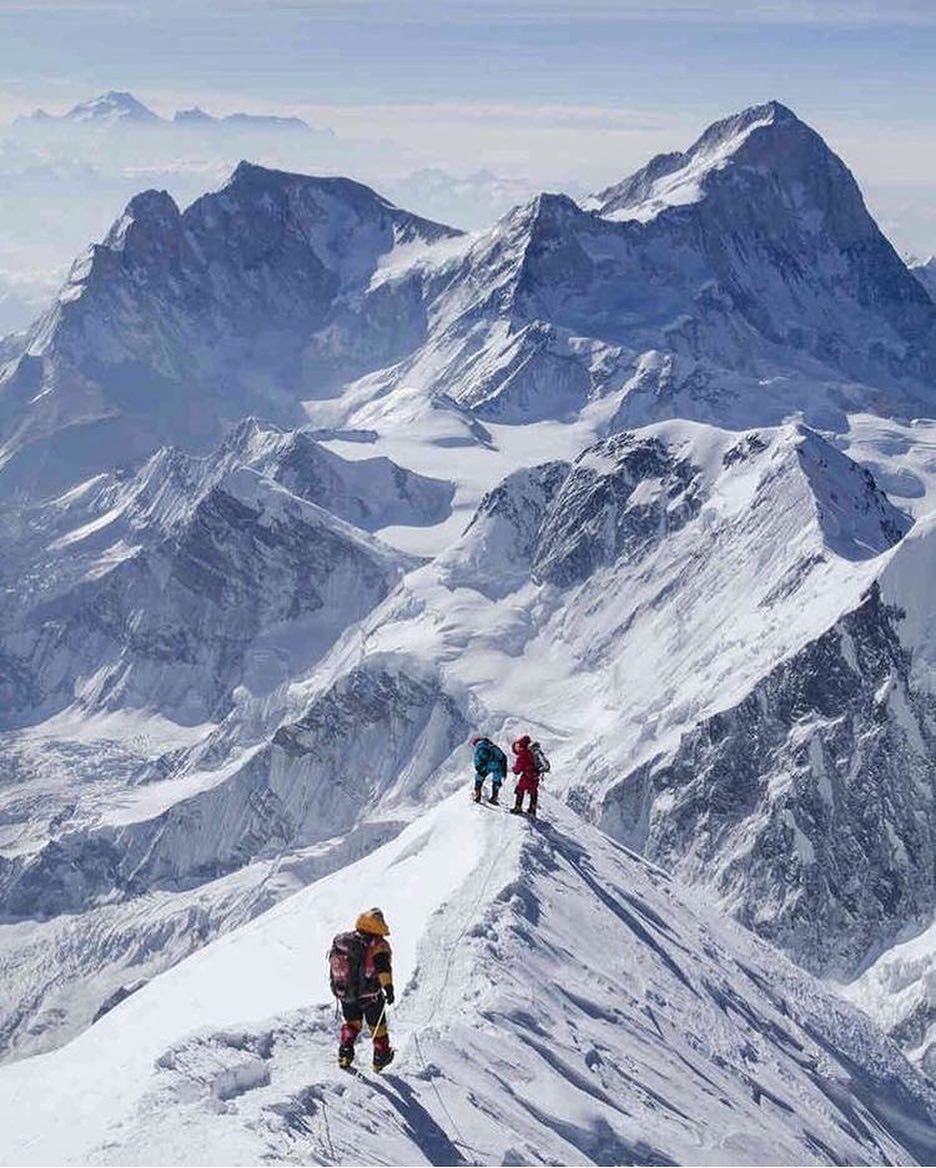
Located in the heart of the Himalayas, Mount Everest, at 8,848 meters, is the highest peak in the world.
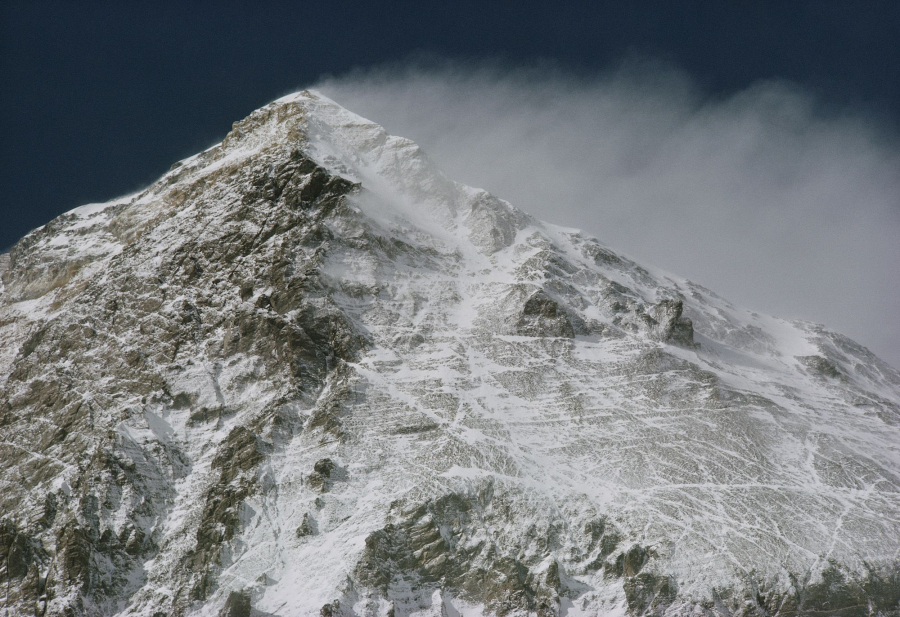
Conquering Mount Everest is a dream for many because of its breathtaking natural beauty. Whether in summer or winter, day or night, the roof of Asia remains a magnet attracting countless tourists.
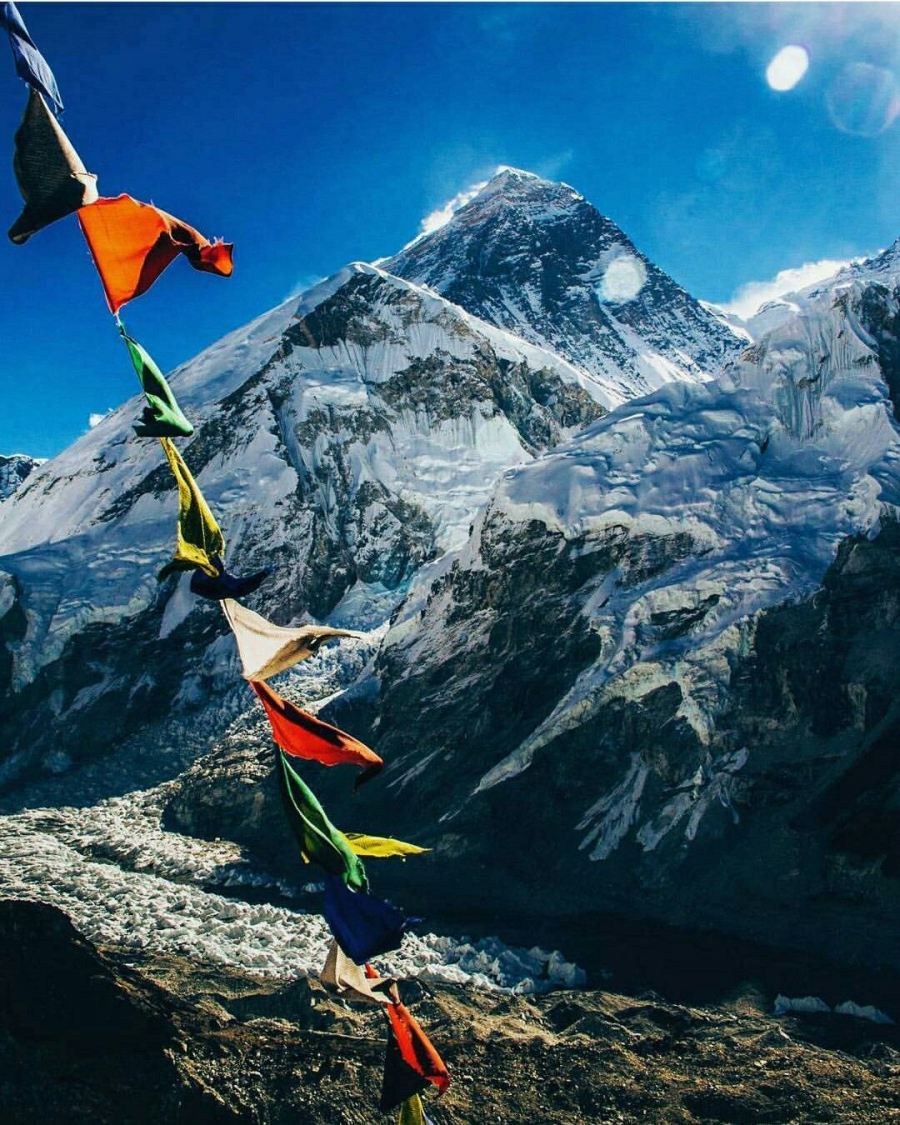
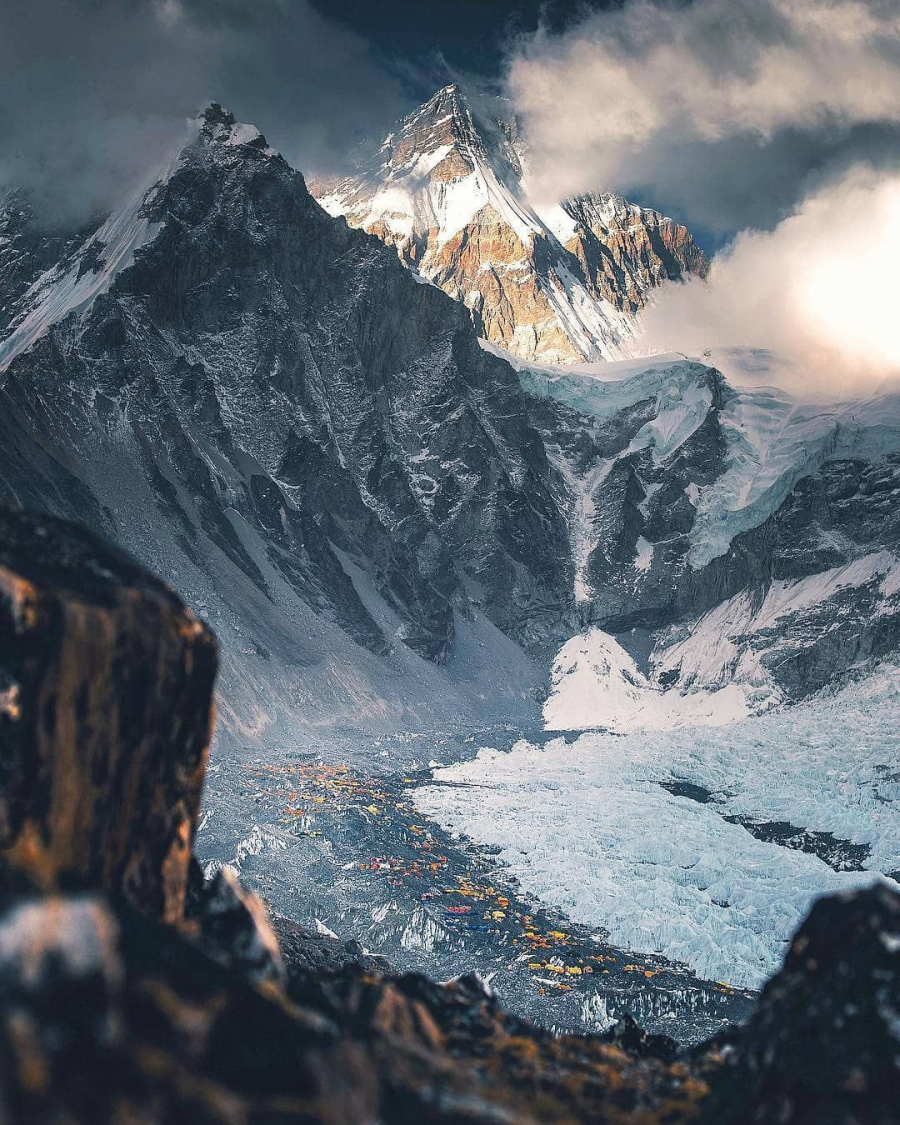
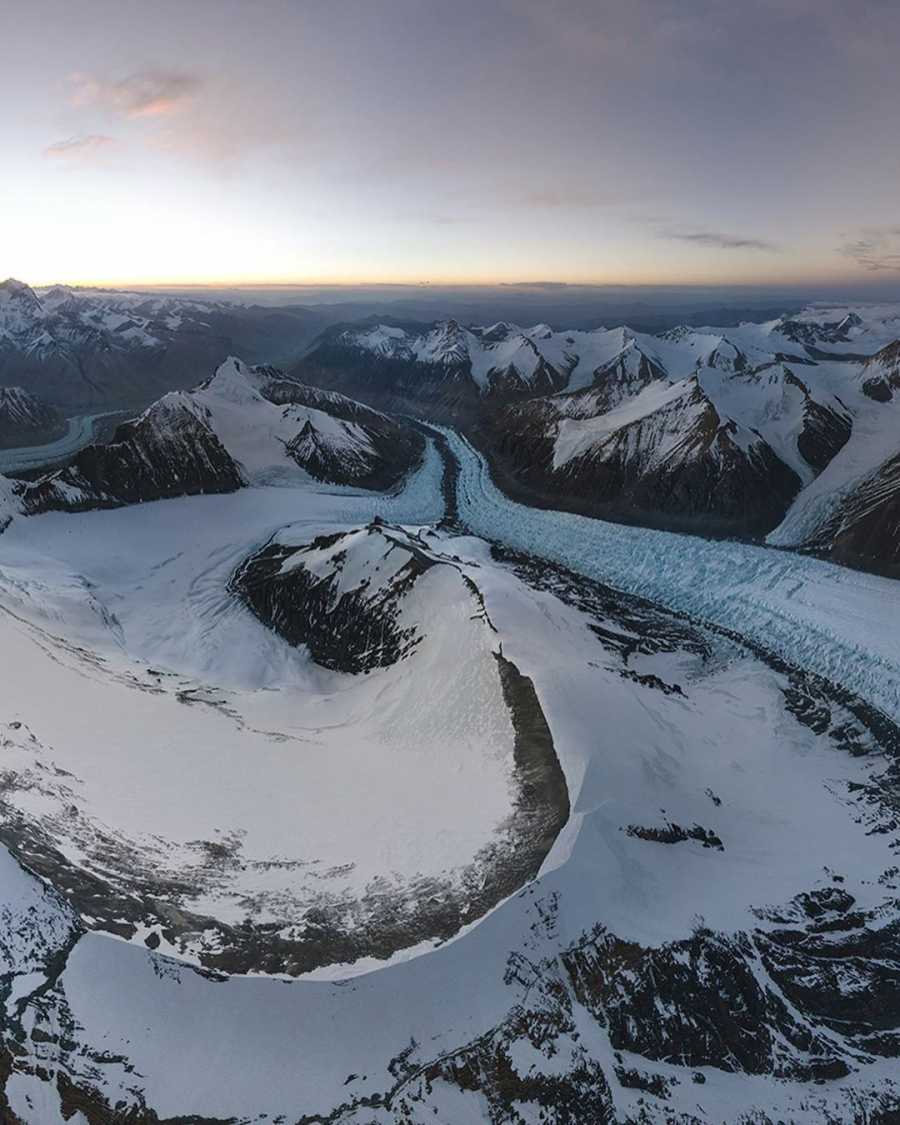
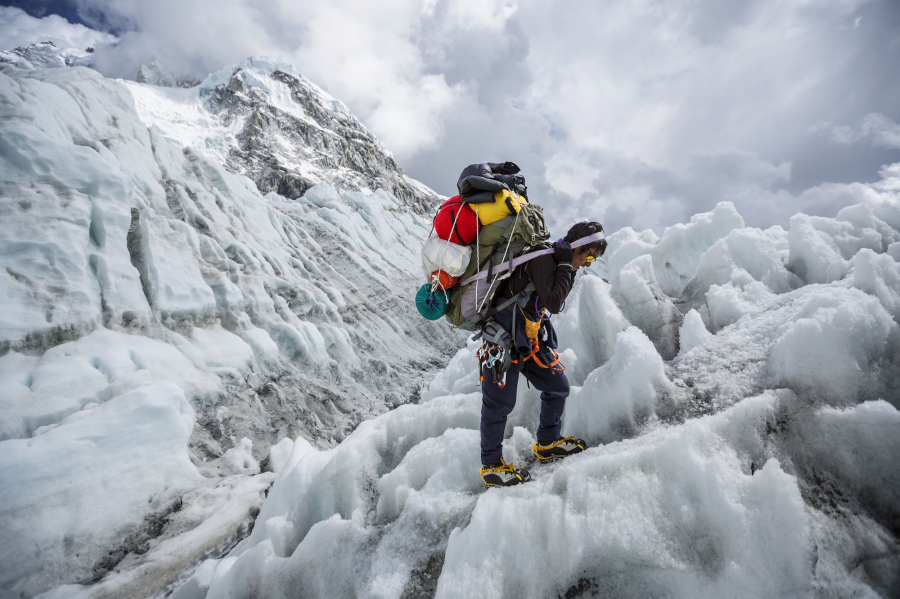
Especially if you visit on a sunny day, the swirling mist around the mountain or the night sky adorned with thousands of twinkling stars creates a rare and magnificent, poetic spectacle.
The roof of Oceania: Mount Carstensz
When mentioning Oceania, most people immediately think of Australia, but the name on the list of the continent's highest peaks might surprise you. It's Mount Carstensz, standing at 4,484 meters, part of the Sudirman Mountains that stretch from Indonesia to Papua New Guinea. Its terrain is considered terrifying, with sheer, bottomless cliffs.

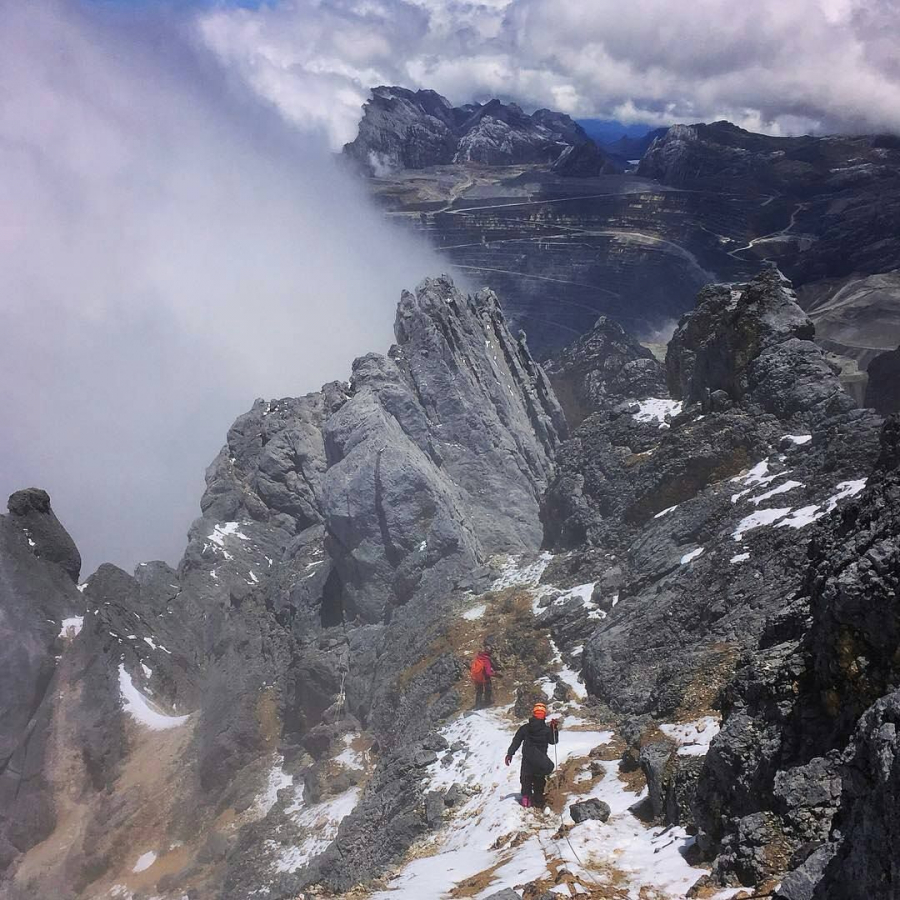
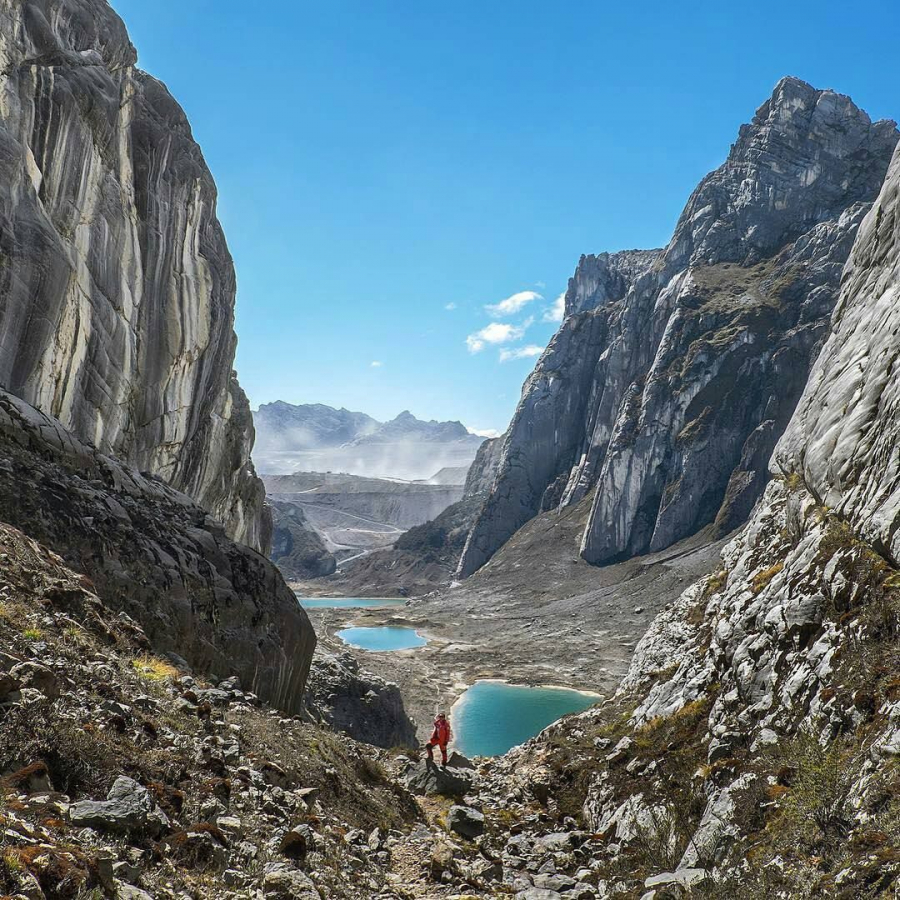
This is an extremely challenging location, and only professional mountaineers have the courage to conquer it. Its location is remote, and services are very basic and scarce. But if you have enough bravery, this challenging journey will surely bring you immense happiness.
The roof of America: Mount Aconcagua
Located in the world's longest mountain range, the Andes, in the Mendoza province of Argentina, Aconcagua is an inactive volcano that was first conquered by the Swiss Matthias Zurbriggen in 1897.
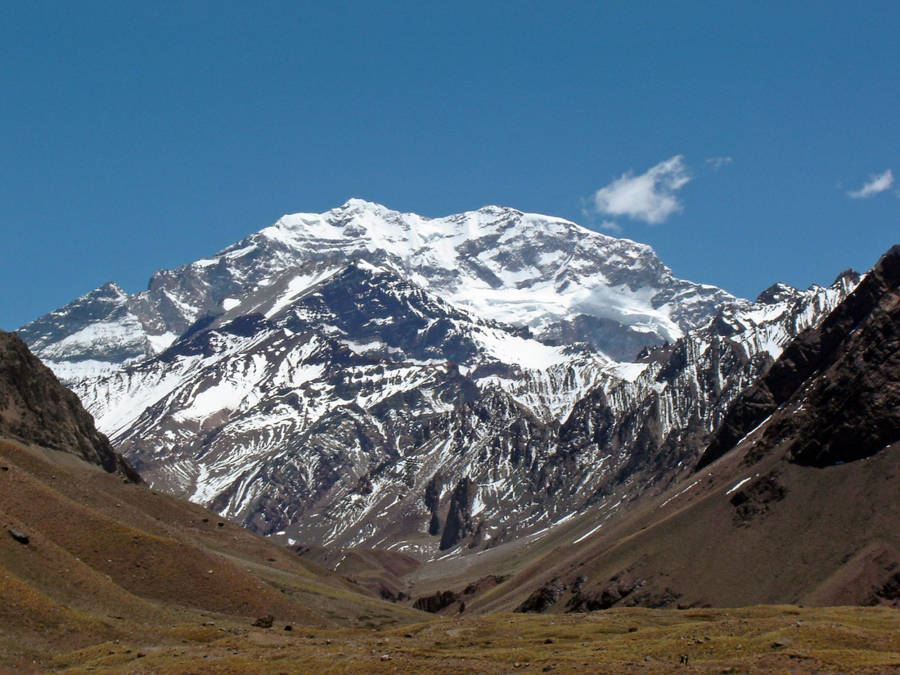
At 6,962 meters high, Aconcagua has earned its place on the list of the world's highest peaks and is nicknamed "The White Guardian" by locals because, when viewed from below, the mountain resembles a giant covered in pristine white snow.
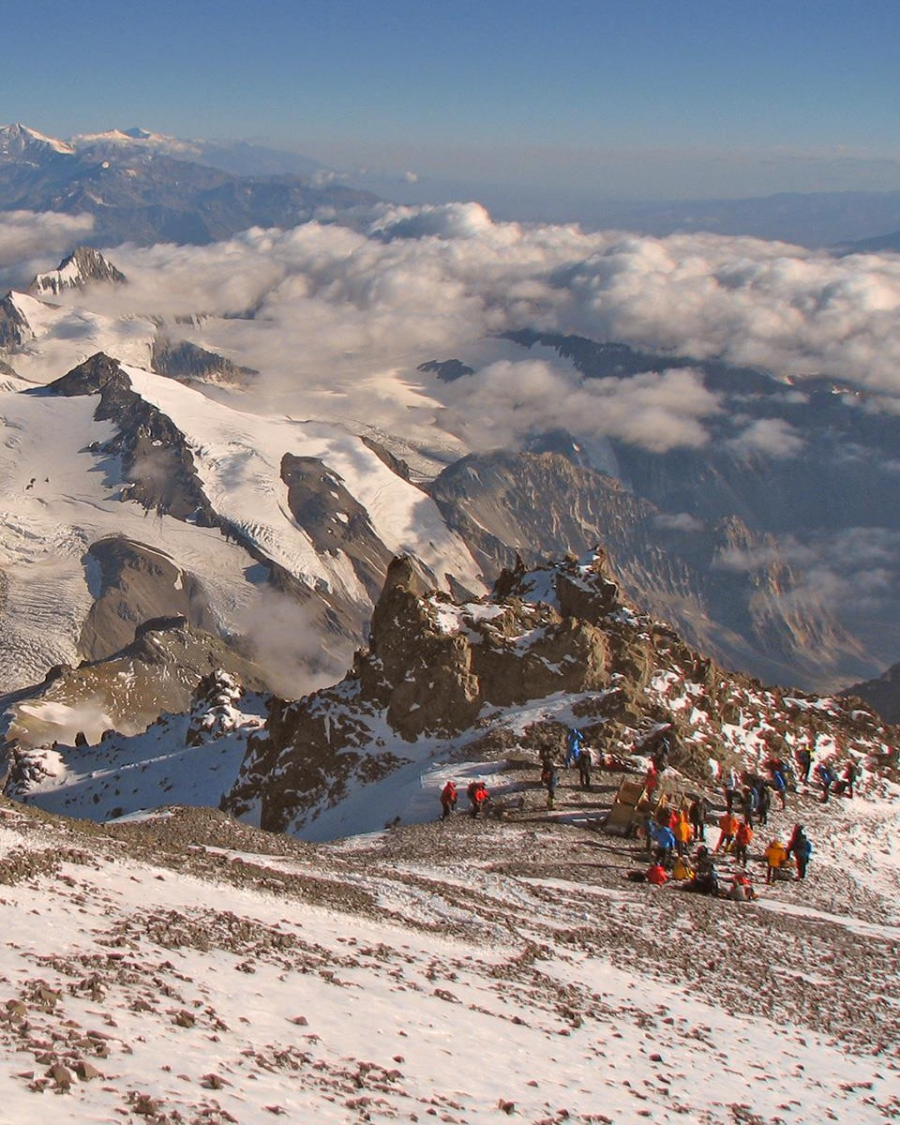
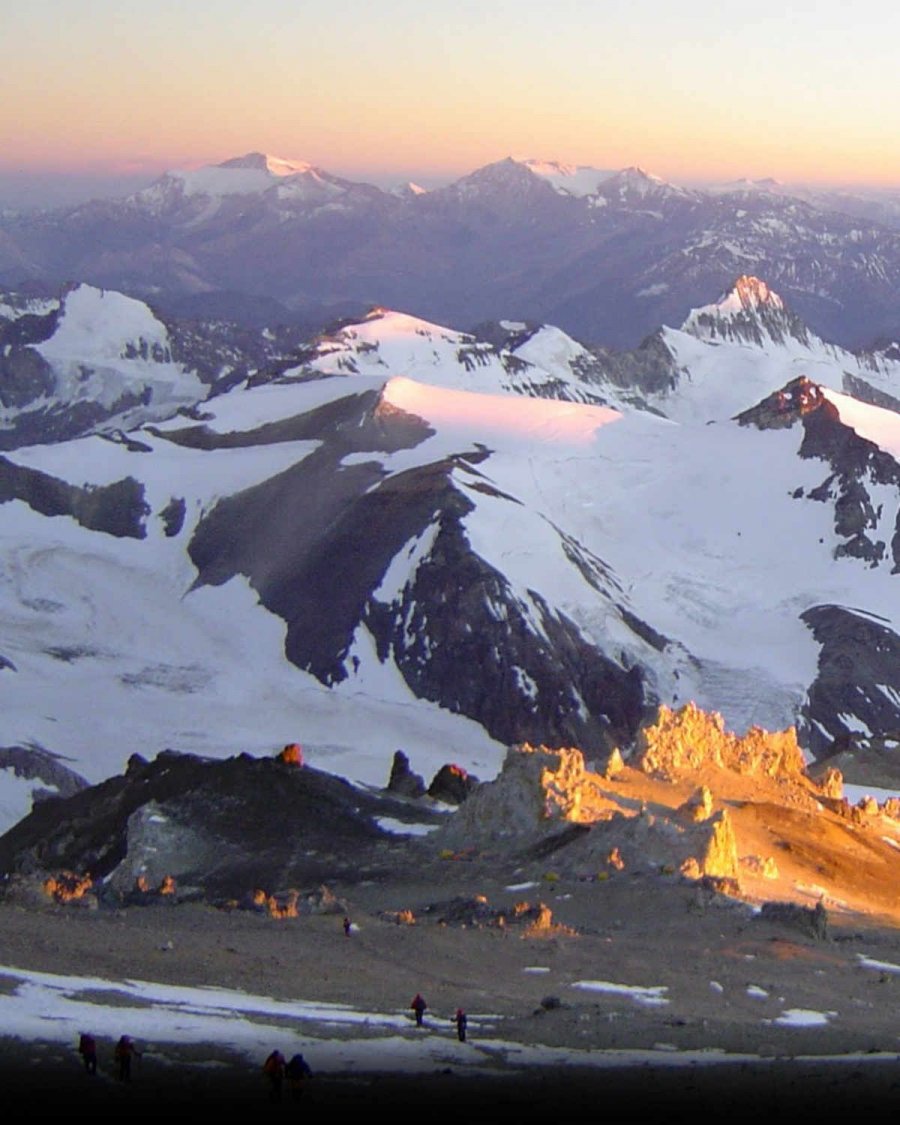
Despite its immense height, mountaineers consider the roof of America the easiest to conquer due to its less rugged terrain and not-too-harsh weather.
After traversing the icy slopes and leaving your footprints in the white snow to reach the summit, you'll find yourself surrounded by ethereal mists while below lies a vast sea of white snow—an exhilarating feeling in the face of such expansive nature.
The roof of Africa: Mount Kilimanjaro
Located at an altitude of 5,895 meters above sea level, Kilimanjaro is the highest mountain in Africa. It is also one of the world's most popular tourist attractions.
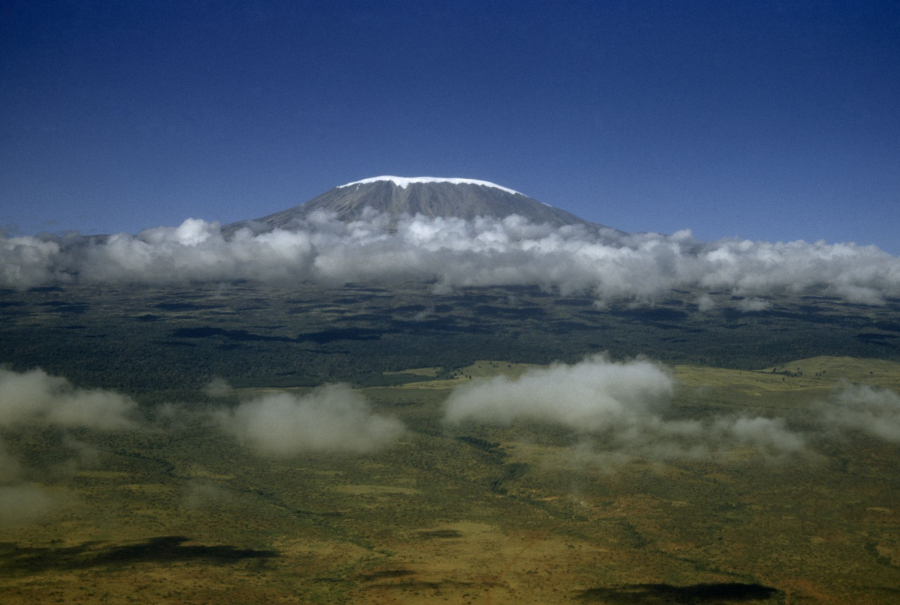
This peak is not part of any mountain range but is an independent mountain located in Tanzania. In 1889, two geographers from Germany, Hans Meyer and Ludwig Purtscheller, reached the summit with the guidance of an 18-year-old local boy named Yohanas Kinyala Lauwo.
The roof of Antarctica: the Vinson Massif.
Located 1,200 km from the South Pole, the Vinson Massif, measuring 21 km in length, 13 km in width, and 4,892 m in height, is the highest point in Antarctica. It is named after American Congressman Carl Vinson (1883-1981), who actively supported Antarctic research.
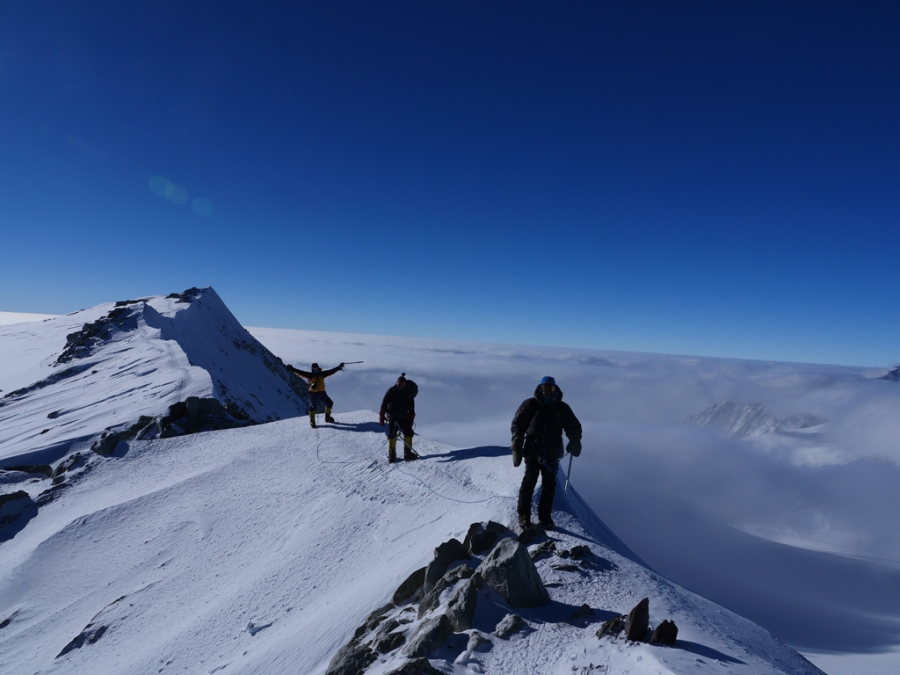
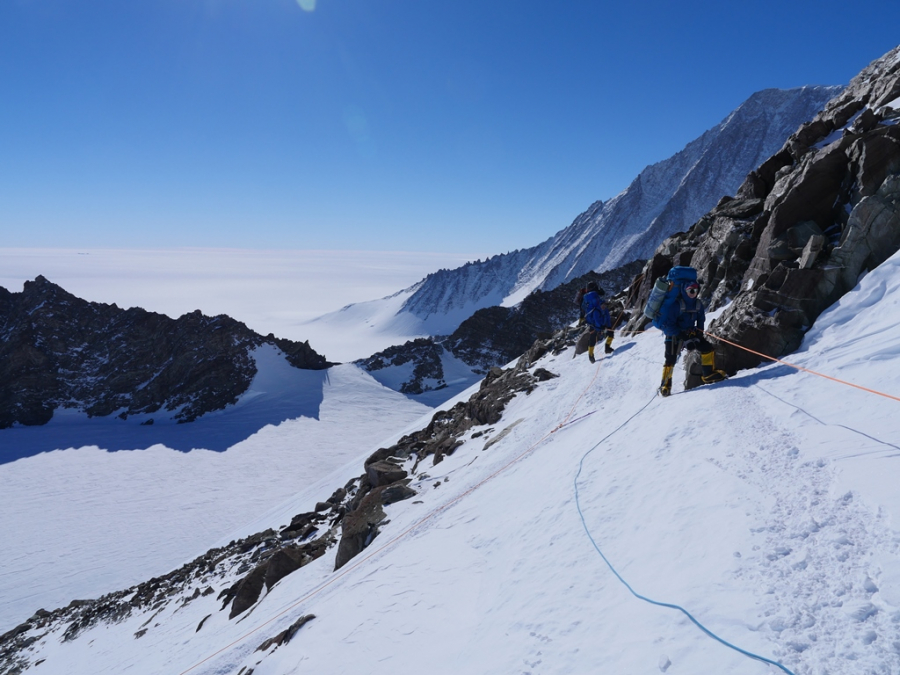
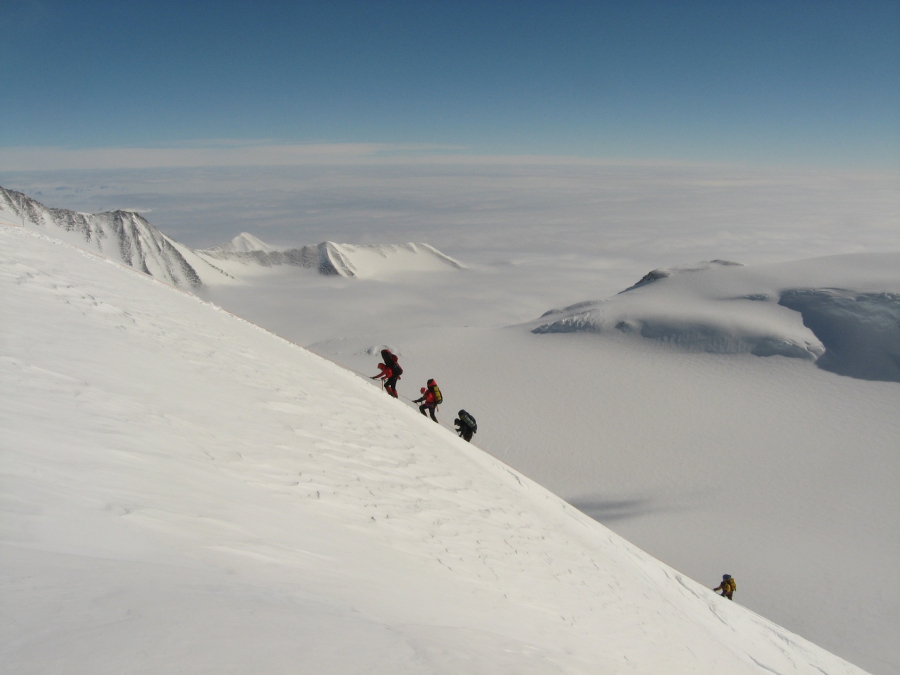
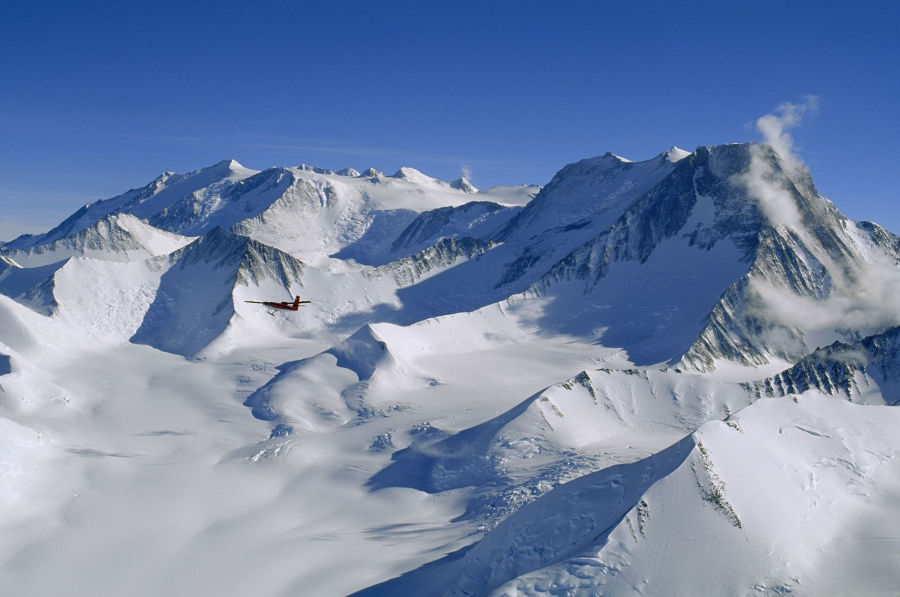
This mountain peak is covered in snow and surrounded by freezing temperatures year-round, yet people are very excited to conquer it. The first person to set foot on the summit of the Vinson Massif in 1966 was the American professional mountaineer Nicholas Clinch and his team.
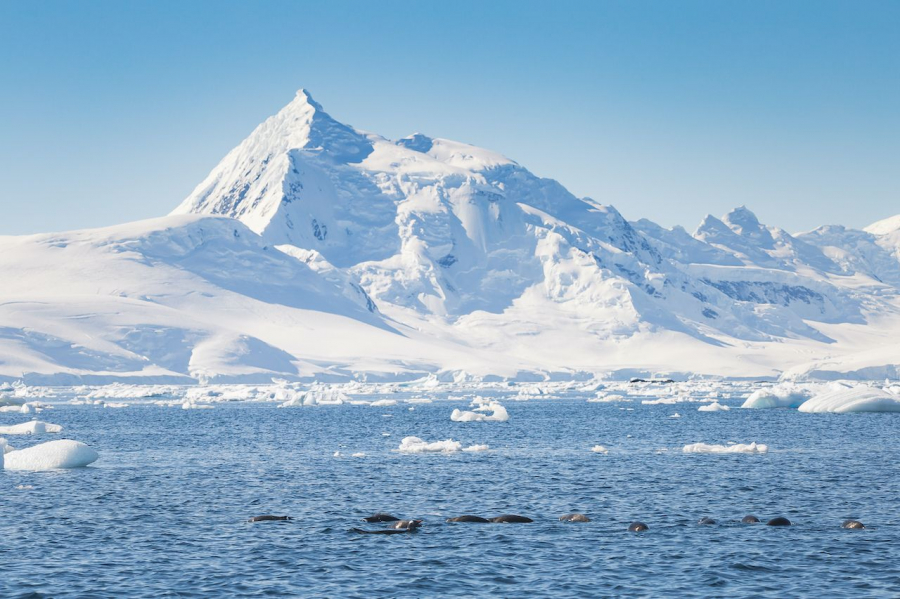
Despite its average altitude compared to other continents, the Vinson Massif is extremely difficult to climb. This is due to the incredibly cold and harsh weather conditions. Even in the middle of summer, the temperature can drop to -30 degrees Celsius.oC and phenomena such as avalanches, strong winds, or blizzards also occur frequently.