VI
VI


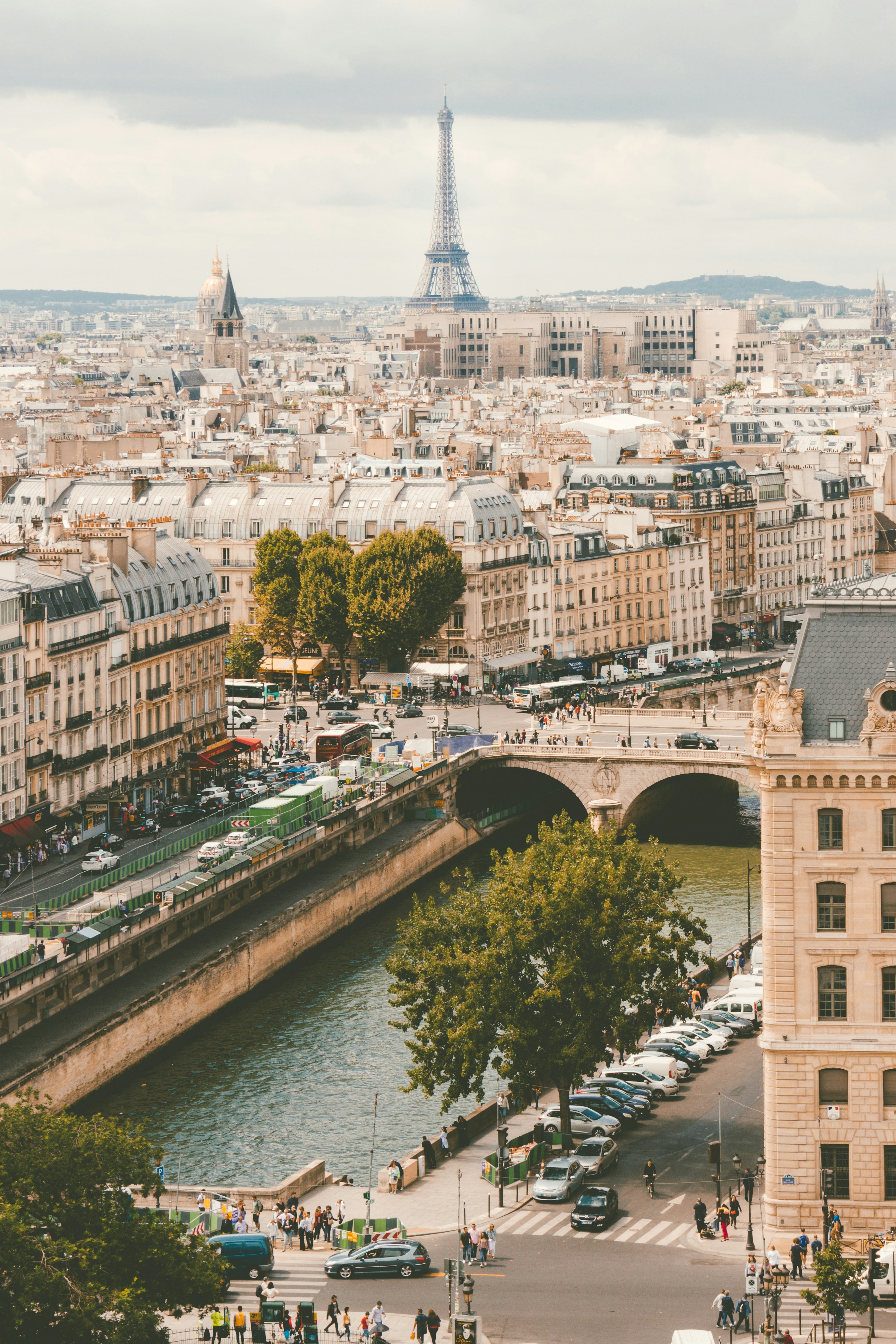
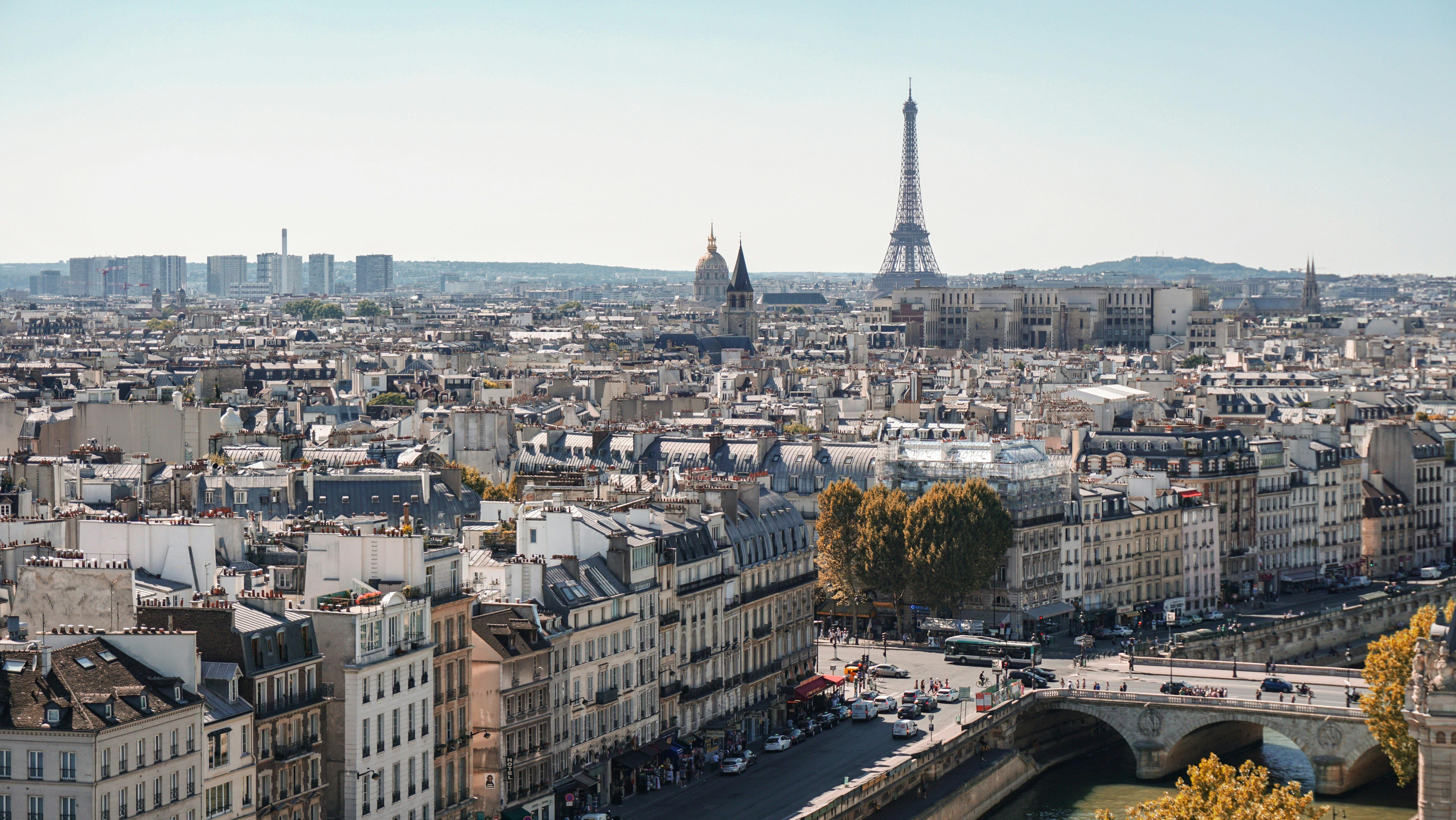
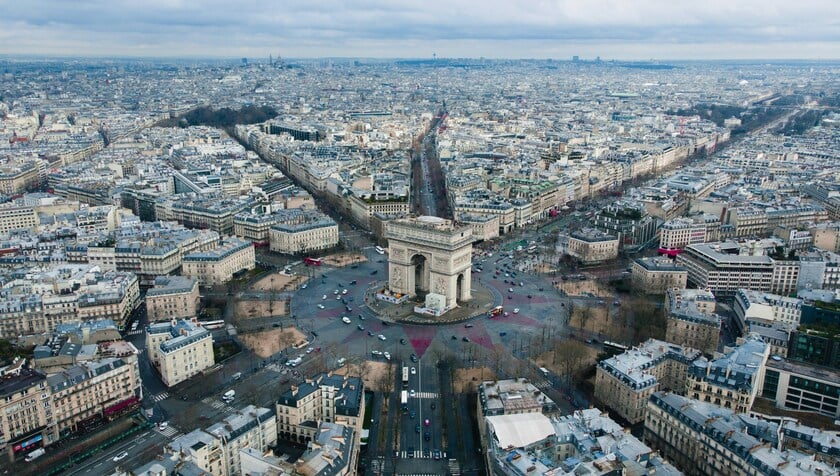
Paris today is vastly different from what it used to be. While in the past, tourists focused on visiting a few famous landmarks and rarely encountered English-speaking locals, now Paris is much more vibrant and international. Even so, the French capital still retains its distinctive cultural characteristics, particularly in its lifestyle, cuisine, and aesthetic sense.
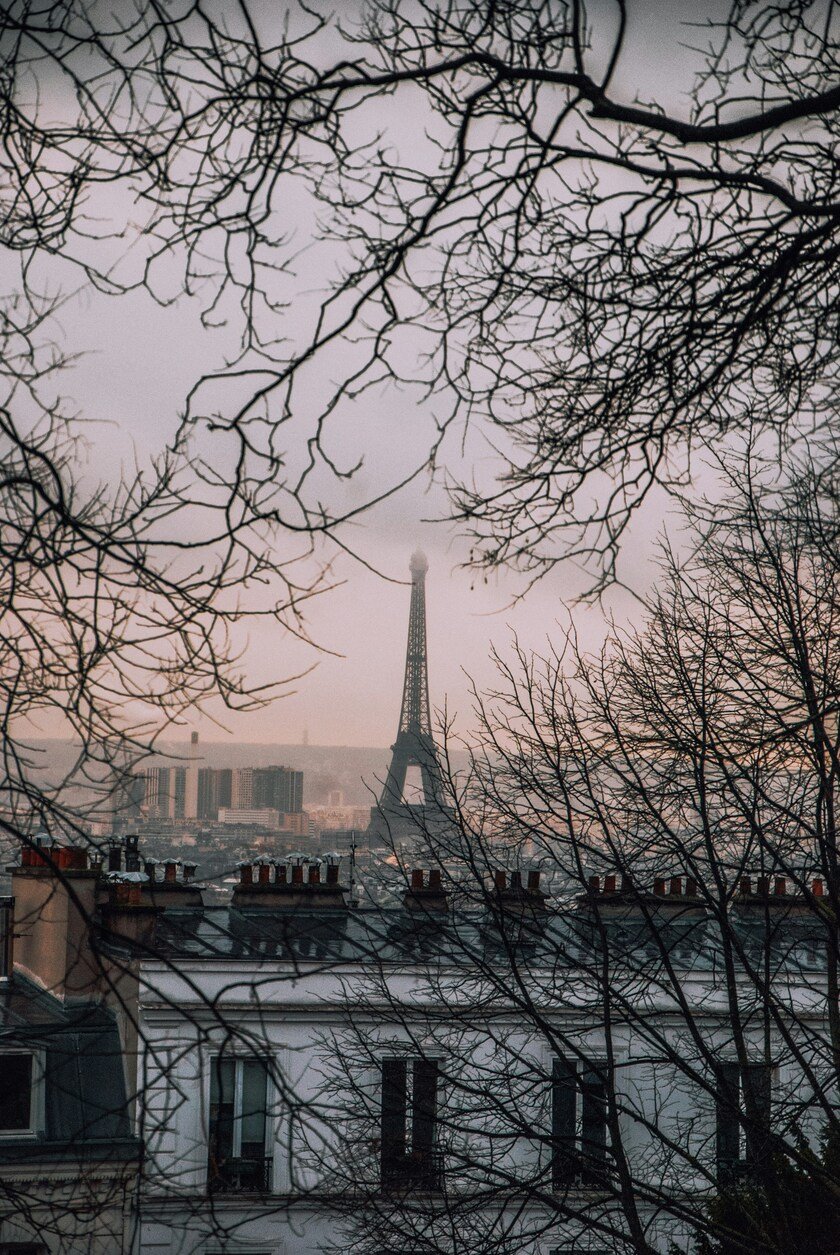
Paris today is very different from what it used to be.
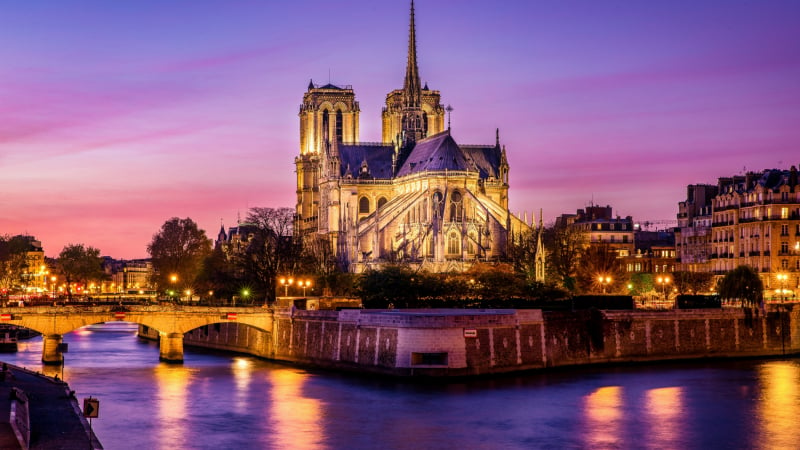
Europeans have a famous saying, "When in Rome, do as the Romans do," meaning that when visiting a place, you should adapt to its customs and way of life, especially in a city like Paris. To avoid awkward situations in front of locals, you should be aware of some important etiquette rules. Below are some things to remember to integrate into Parisian life and enjoy your trip to the fullest.
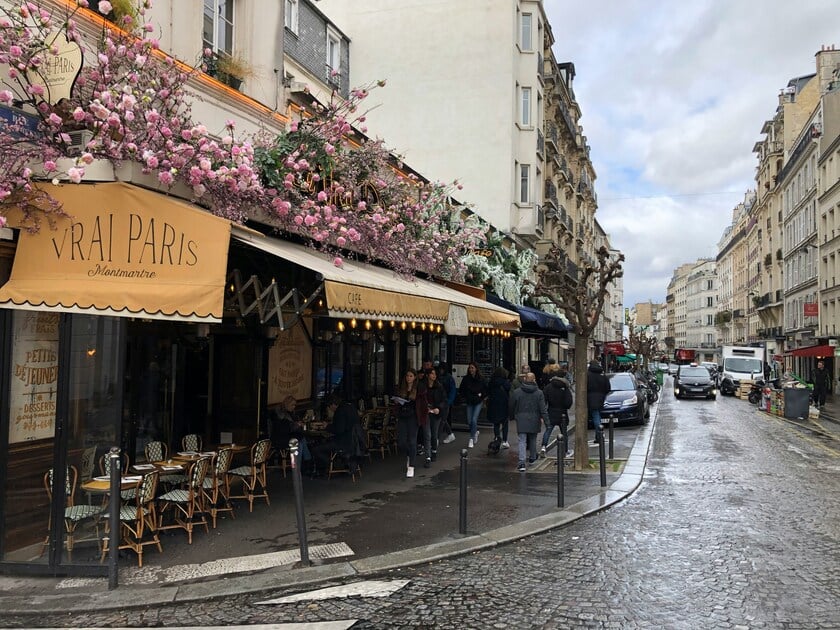
1. Always say "Bonjour" when you meet people.
In France, greetings are the minimum and almost mandatory courtesy. When entering a café, restaurant, small shop, or even an elevator, you should start with a "Bonjour" (Good morning) or "Bonsoir" (Good evening). Skipping this greeting might earn you an annoyed look from the person you're with. When leaving, don't forget to say "Au revoir" (See you again) to show respect. Of course, this rule also applies when you want to ask someone for help.
2. Respect the service staff.
Unlike in other countries, the service industry in France is not a temporary job but a significant and highly valued profession. Whether in a casual eatery or a high-end restaurant, waitstaff are well-trained and very knowledgeable about food and drinks. They don't just take orders and calculate bills; they also advise and attend to diners throughout the meal. Therefore, treat them politely. Don't call them by formal terms like "garçon" (waiter); instead, address them as "monsieur," "madame," or simply "Excusez-moi" (Excuse me). And don't expect them to offer ingratiating smiles like in some other places.
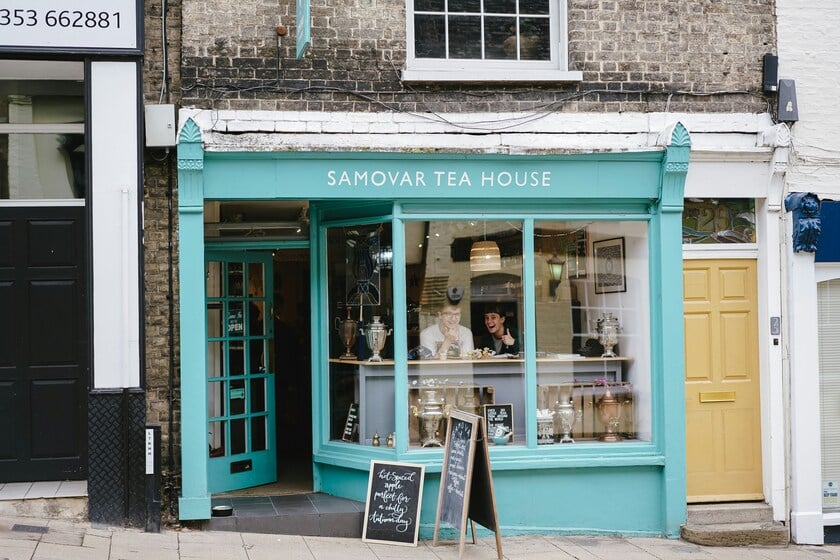
3. Always carry cash.
Although cashless payments are becoming common, many small shops in Paris still require a minimum amount when paying by card. Therefore, it's best to carry some cash to avoid inconvenience, especially when buying pastries at a local bakery or leaving a small tip at a restaurant.

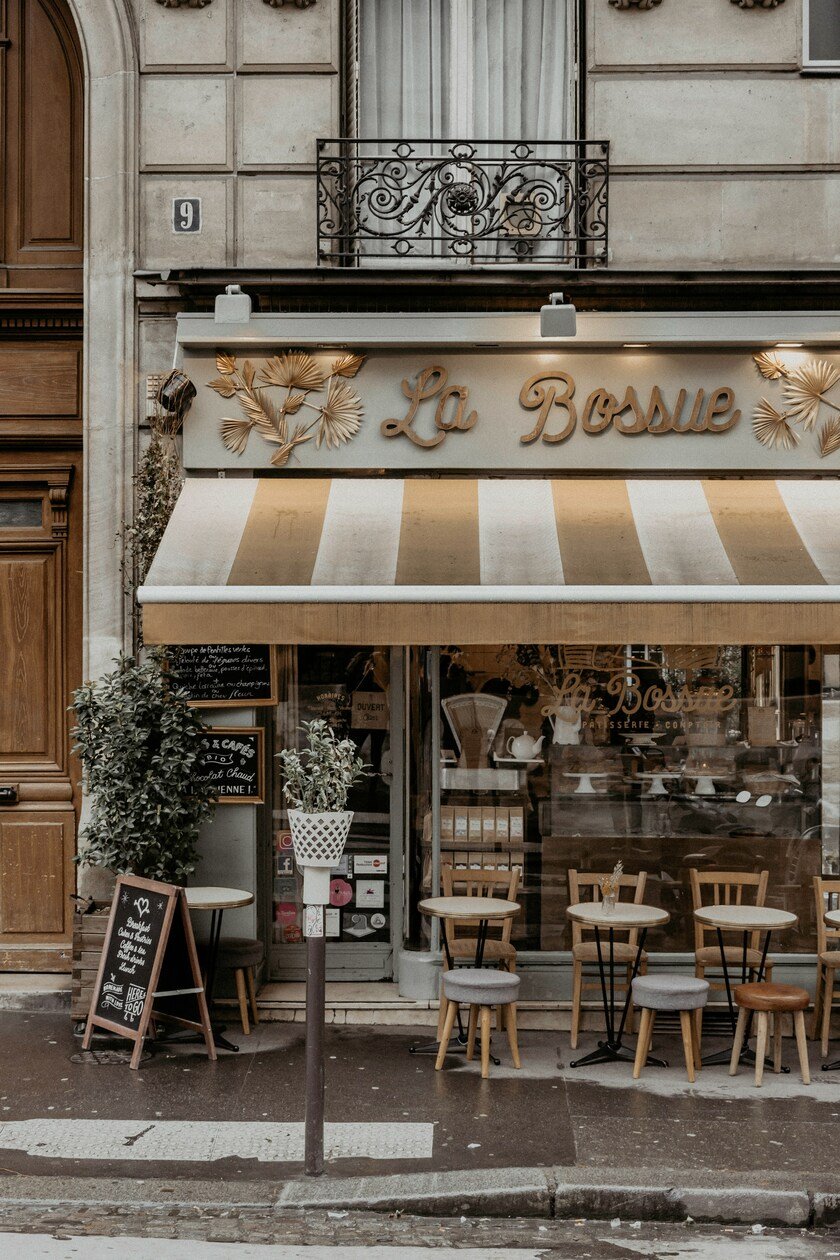
4. Don't be afraid to ride a bike.
Thanks to its green transportation development policies, Paris is now an ideal city for cycling, with hundreds of kilometers of dedicated bike lanes. If you prefer exploring the city in a more intimate way, use the Vélib' public bike rental system. For just a few euros, you can rent a regular bike or electric bike to cycle around its historic streets.
5. Understand the food culture.
For the French, food is not simply a part of life; it's an art of living, a definition of identity, even something sacred. They spend a large part of their day shopping, preparing, and enjoying meals. They discuss food with each other; at lunchtime, they might already be planning what they'll eat for dinner. They have fixed meal times and don't snack frequently. Breakfast is light at home or at a café. Lunch usually lasts about an hour and is a time for relaxation and conversation. Dinner typically starts late, around 8 pm. If you eat on the street or on the subway, you might receive curious glances, or even a sarcastic "Bon appétit!" from passersby.
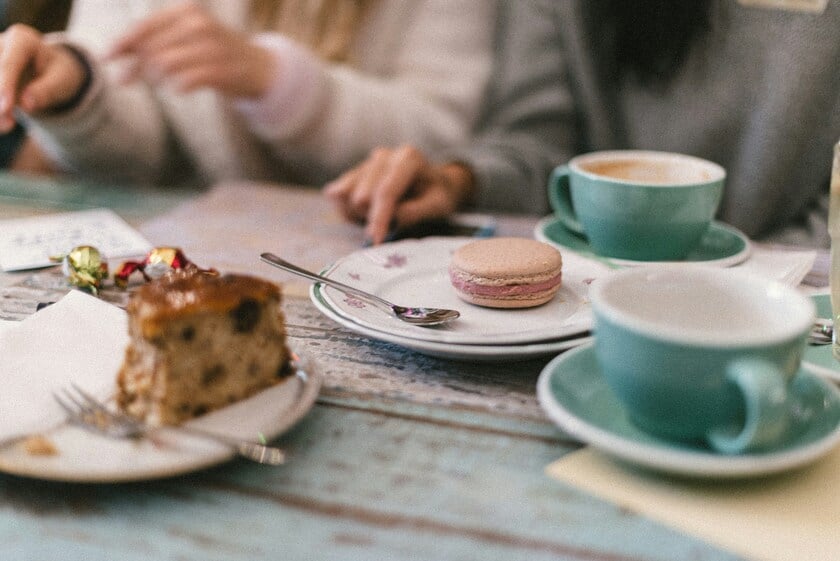
For the French, food is not simply a part of life; it is an art of living.
6. Don't miss "Apéro"
Parisians don't have the concept of "drinking" before dinner, but they do have Apéro – a relaxing time at the end of the day, usually between 5 and 8 p.m. This is when they enjoy a glass of wine with some light snacks like cheese, sausages, or olives before the main course. You can have an Apéro at a bar with friends or host one at home with ingredients bought from a wine shop (caviste).
7. Beauty is always prioritized.
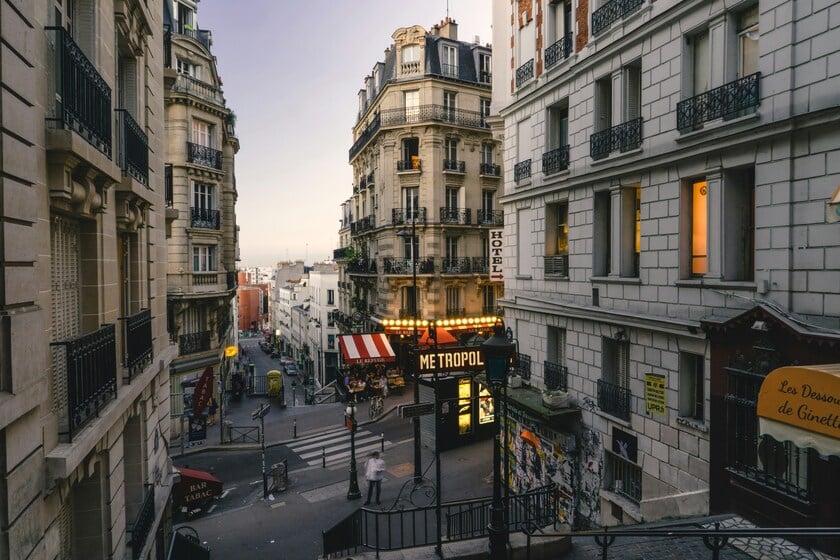
Paris is beautiful not only in its architecture but also in the aesthetic taste of its people, where beauty is always prioritized over practicality. They never hang clothes on balconies for fear of ruining the building's appearance. They also prefer elegant, minimalist clothing over overly comfortable but unrefined outfits. If you want to immerse yourself in Parisian life, it's best to leave your flip-flops, wide-brimmed sun hats, or oversized, unattractive backpacks at home. However, this isn't too important; you can bring anything you want if you don't care about appearances.
8. Learn how to queue like a Parisian.
If you're used to the orderly queuing system of England, be prepared for Paris. Here, queuing is anything but orderly. On buses and trains, there's no "first come, first served" rule – people often push and shove to get on first. In shops, service order might not be based on who arrived first, but rather on eye contact with the cashier. Observe and adapt!
9. Speak softly.
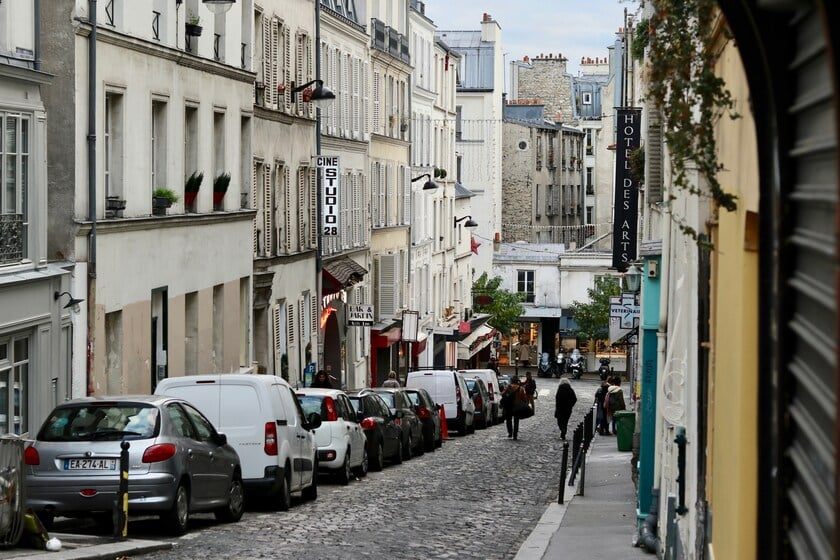
Paris is a noisy city filled with a cacophony of sounds, from cafes and traffic to church bells, sirens, and even dog barking. However, Parisians tend to speak softly and often sit close together to converse. If you happen to laugh too loudly, you might receive disapproving glances from those around you.
10. Enjoy life in the Parisian style.
Despite its fast pace, Parisians always take time to enjoy the beautiful moments of life. They might sit for hours on the sidewalk of a café just watching the people go by, or stroll along the Seine River in the late afternoon. When you come to Paris, slow down, enjoy every moment, and let the city guide you to its most wonderful experiences.