VI
VI



LOST IN THE CLOUDS TO MIZŨMI
I felt like I was floating on clouds, surrounded by the misty, frosty West Lake on a late afternoon at the end of the year, when I arrived at Mizũmi – a modern Japanese restaurant located on the 13th floor of a famous building on Xuan Dieu Street, Hanoi. When the heart needs tranquility amidst the hustle and bustle of life, the experience at Mizũmi unexpectedly means more than just enjoying Japanese cuisine. It's intimate, relaxing, and truly enjoyable!
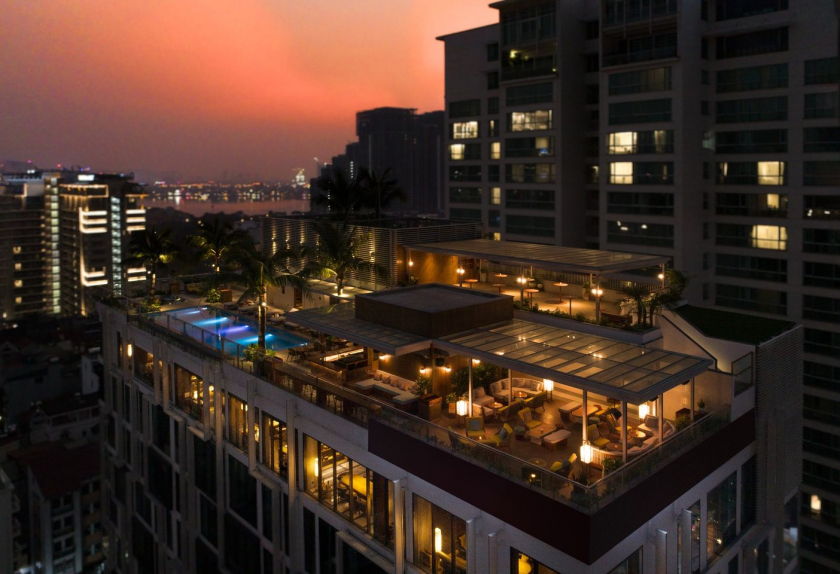
The Mizũmi restaurant is located on the 13th floor of the building, and above it is the Mizũmi Sky Lounge – a unique concept for experiencing modern Japanese cuisine.
Mizumi – a Japanese transliteration meaning "Water," the source of all things in life – evokes a feeling of returning to what is pristine, pure, and gentle, characteristics typical of Japanese culture. In contrast to the mist, white clouds, and sparkling water of the exterior landscape, the interior of Mizumi is bathed in warm golden hues, welcoming each guest on a culinary journey.
In traditional Japanese Kintsugi art, when an object breaks, the Japanese use gold leaf to mend the uneven pieces, restoring the object's original beauty and ensuring its longevity. This art form is considered a subtle expression of beauty through imperfection, most evident in the patchwork green marble countertops with their uneven lines of tarnished copper metalware. With this same meaning, gold has been cleverly chosen as the dominant color for the interior design, seating, and dining tables in the restaurant. The blue hue of water is used to create subtle touches in every detail, from the black glazed sake cups to the plates and bowls used for serving food. The ceramic artist has added a touch of blue, seemingly unintentionally yet intentionally, creating a unique and respectful expression of the value of traditional Japanese culture.
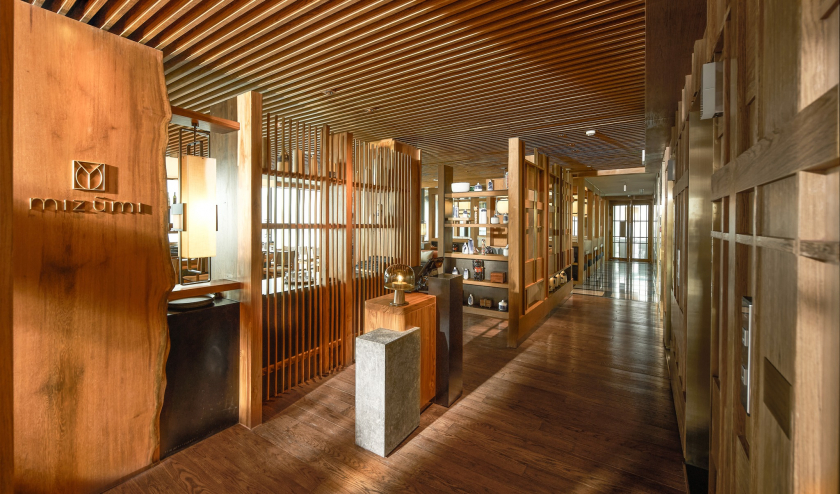
As you explore the restaurant space, each part of the experience offers unique touches, not only in the cuisine but also in the design.
Mizumi's ambiance is inspired by aizome workshops, where the art of indigo dyeing has given its tapestries, wooden furniture, and ceramic vases a distinctive blue hue – originating from Water. Therefore, a painting in this blue hue, created specifically for Mizumi, is displayed in the restaurant's large banquet hall, which can accommodate 20-30 guests. For smaller groups, room dividers are used to separate the large hall into smaller, cozy spaces.
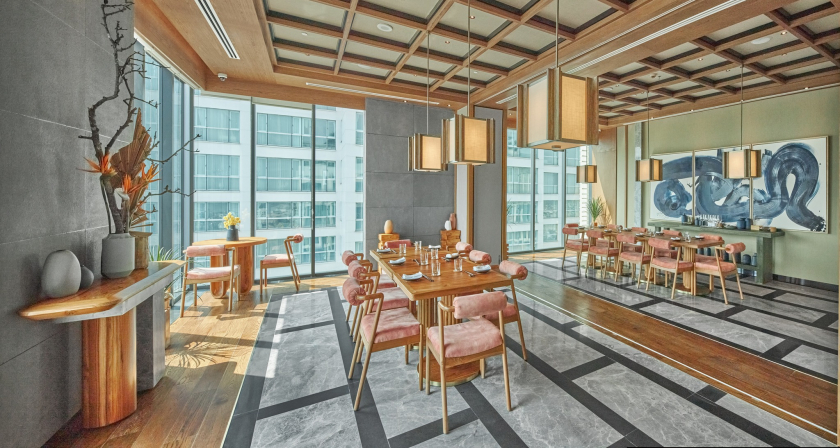
The Private Dining Room features a custom-painted artwork in Mizũmi's signature blue hue.
Depending on your preference, you can dine indoors or choose tables on the outdoor terrace where you can fully enjoy the crisp, cool air characteristic of the year-end season with a view of the romantic West Lake.

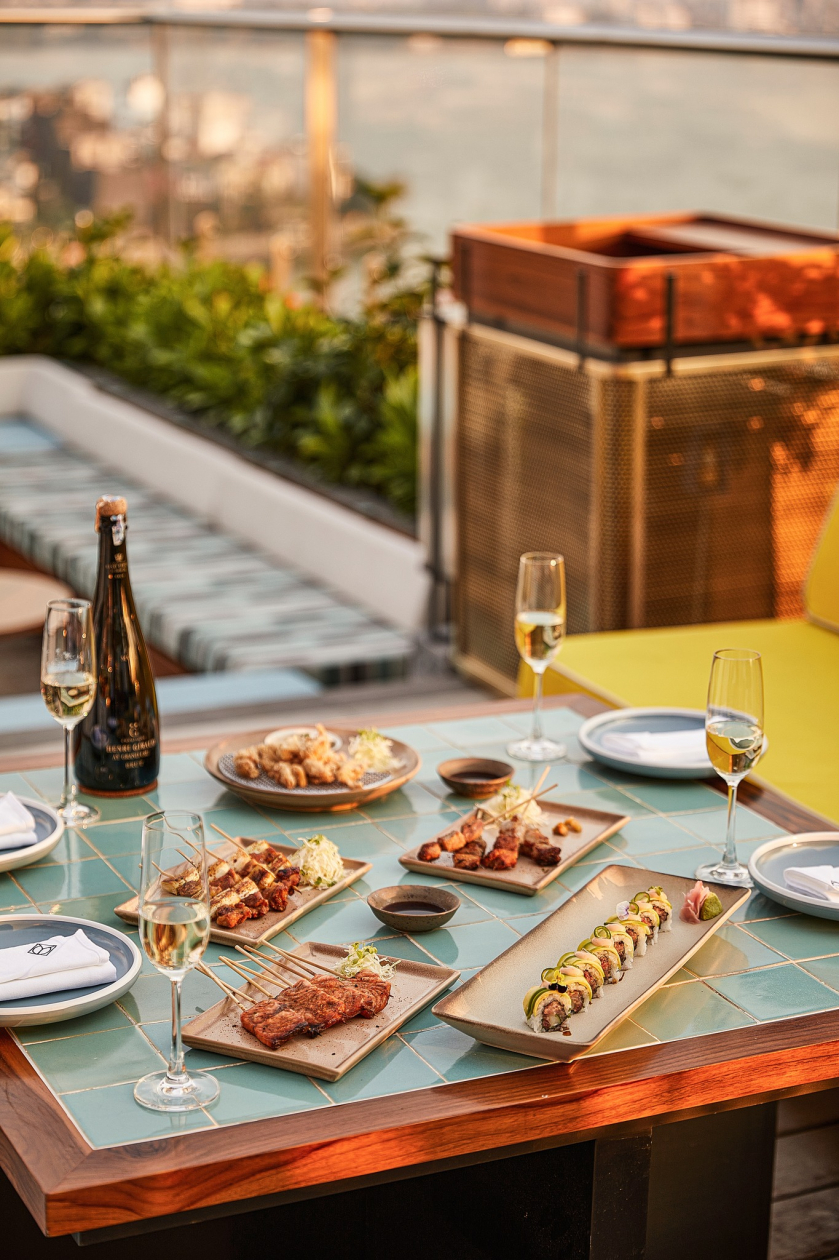
Choose to dine on the terrace to enjoy the breathtaking, picturesque view of West Lake from above, in the breezy air.
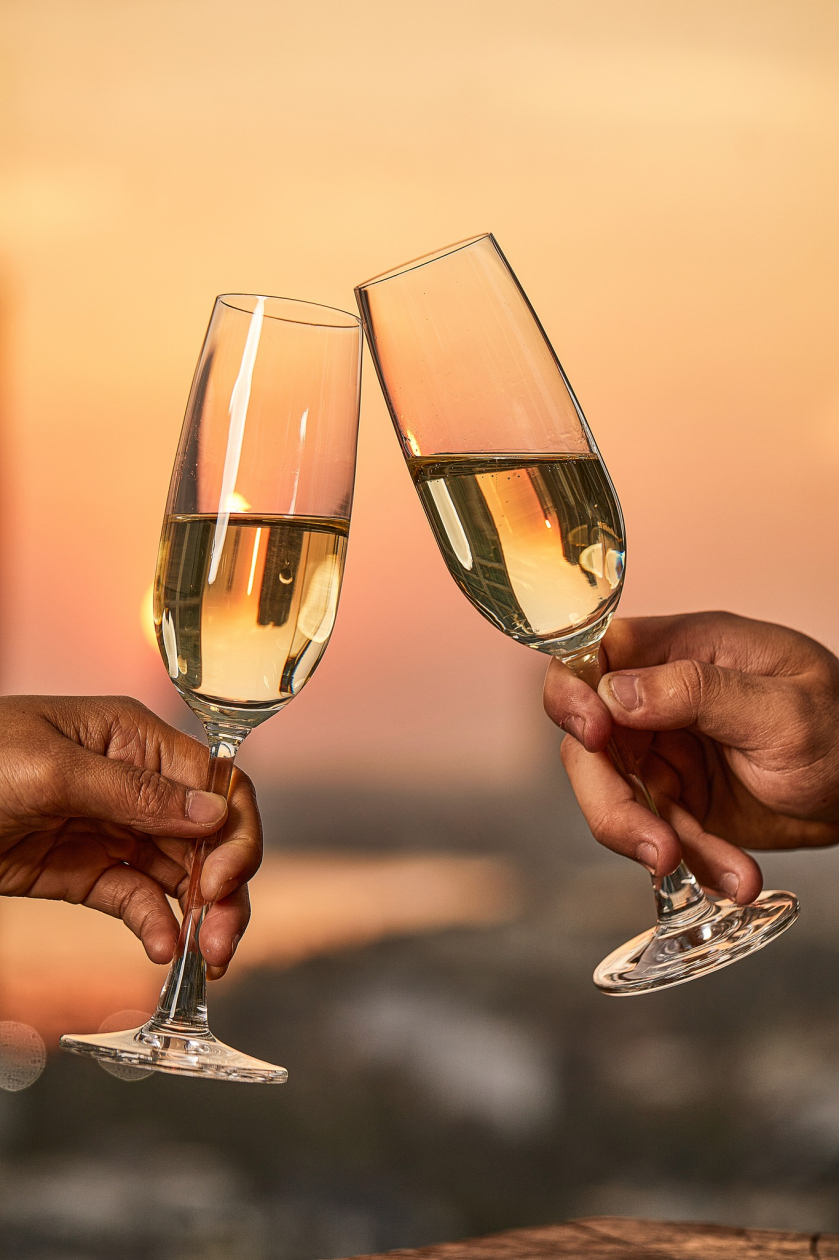
A place to admire the shimmering golden sunset, sipping exquisite drinks with your loved one.
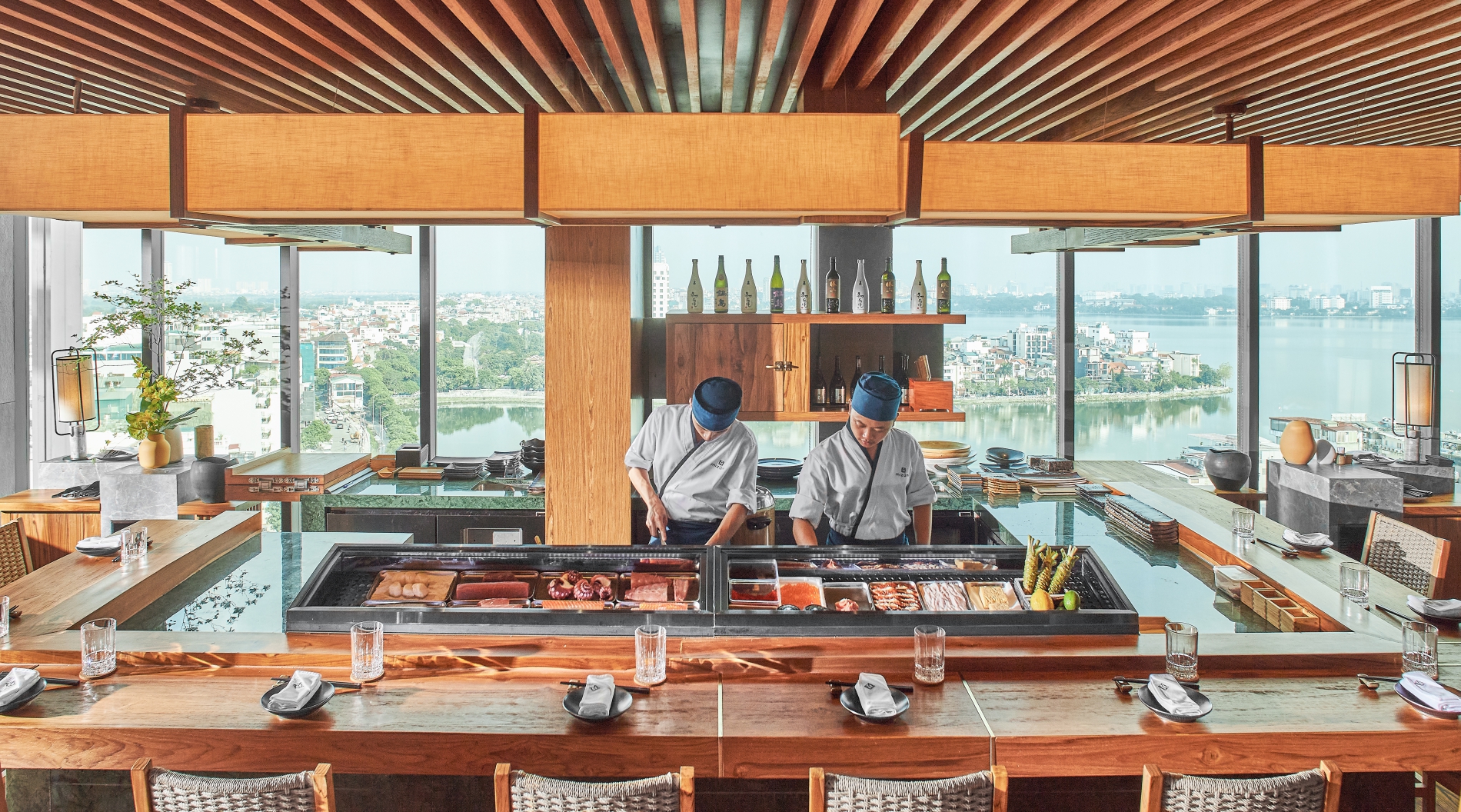
There are many ways to experience Japanese cuisine, such as choosing the Omakase style (which means "I'll trust you, I'll leave it to you") at a sushi counter to enjoy the freshest and most perfect seafood available seasonally. However, I still recommend dining at a Teppanyaki counter to admire the skillful cooking performances and hear inspiring culinary stories directly from the chefs.
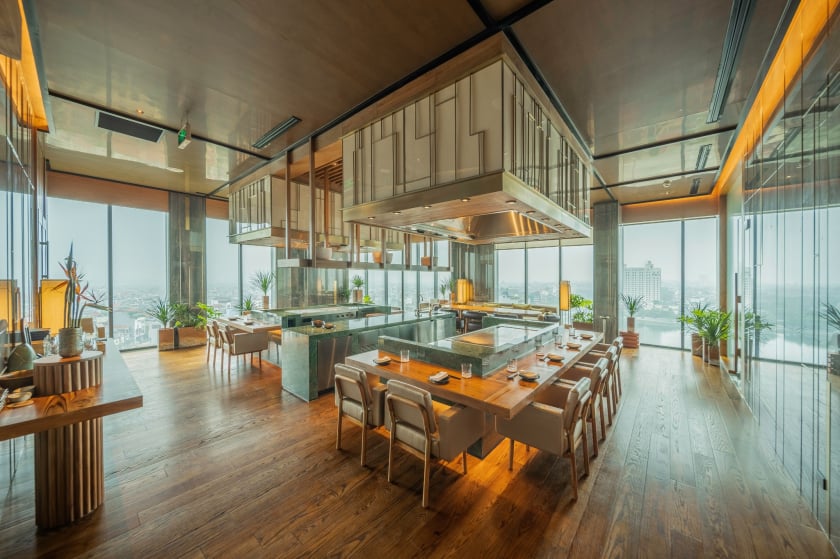
This area is perfect for enjoying the skillful performances of Teppanyaki chefs.
EXPERIENCE MODERN JAPANESE CUISINE ALONG WITH A COLLECTION OF FINE WINES
Chef Danny Yong, who has 20 years of experience and a deep understanding of Japanese cuisine from a Western perspective, is responsible for creating Mizumi's modern Japanese dishes. Each dish prepared by Danny Yong is a near-perfect blend, a harmonious combination of traditional Japanese ingredients and spices with Western European ingredients and spices.
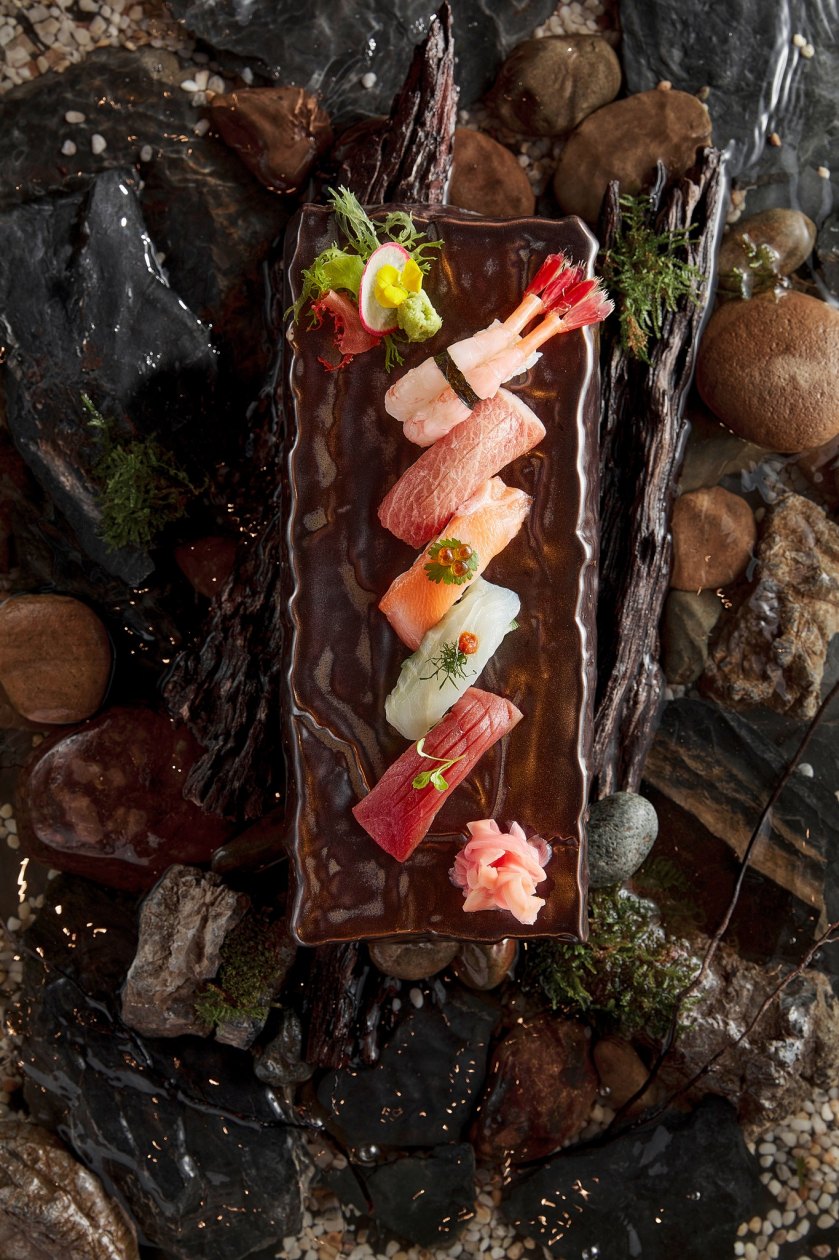
Each dish is a harmonious blend of traditional Japanese and Western ingredients.
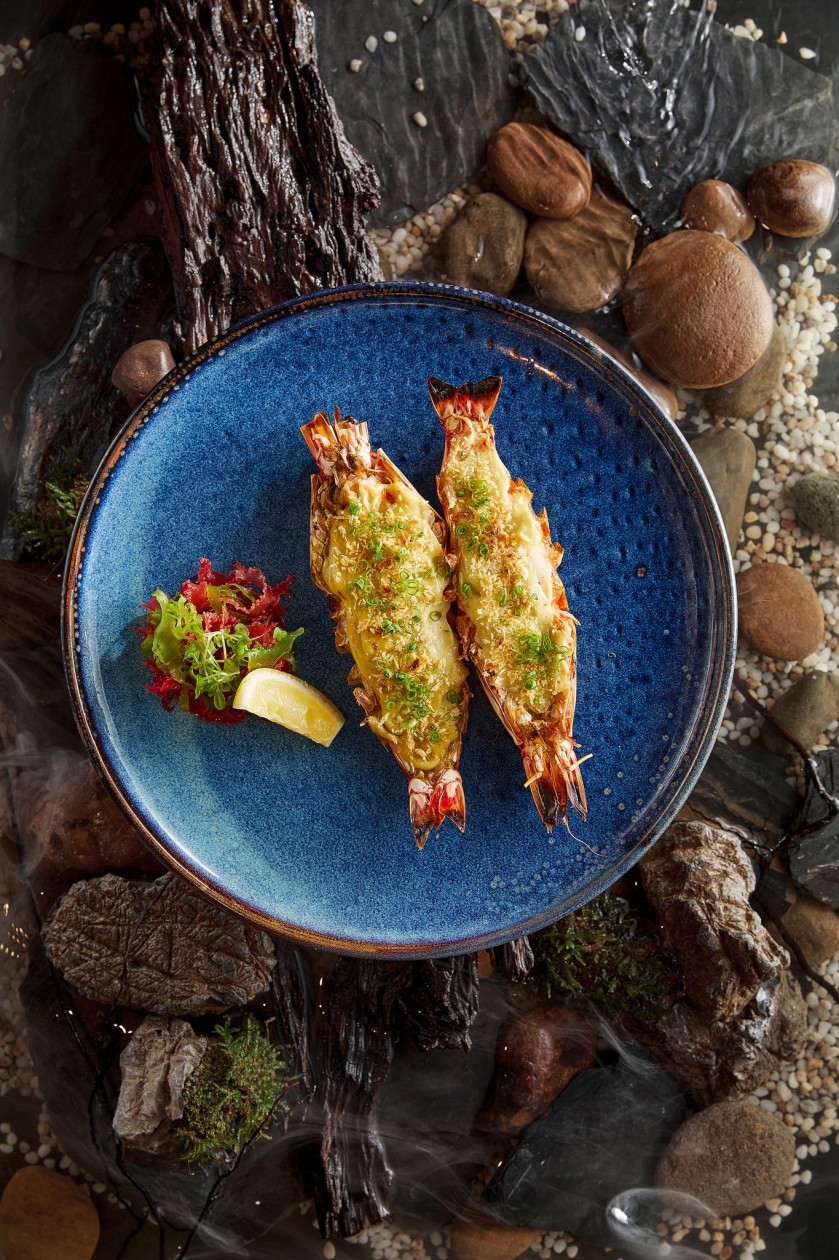
Ingredients are carefully selected to ensure the freshest and highest quality for each dish.
Chef Danny shared that the inspiration for Mizumi's culinary style comes from combining traditional Japanese ingredients with touches of Western cuisine. For example, oysters from Hokkaido, specially sourced for the restaurant, are cooked with miso cream and sliced truffles; Nha Trang lobster is stir-fried with garlic butter sauce, caviar, and green chilies; amberjack sashimi is served with a light, tangy lemon sauce in the French style; or the combination of Japanese yuzu and foie gras or beef steak sauce... Therefore, I had the experience of enjoying Japanese cuisine in a Japanese setting, using Teppanyaki cooking techniques, but with a very unique, novel style that stimulated my taste buds, sparked my curiosity, and was incredibly enjoyable. Cuisine and the story of culinary creativity have no limits when a chef is knowledgeable, passionate about their craft, and dedicated to creating new and innovative dishes to please their guests.
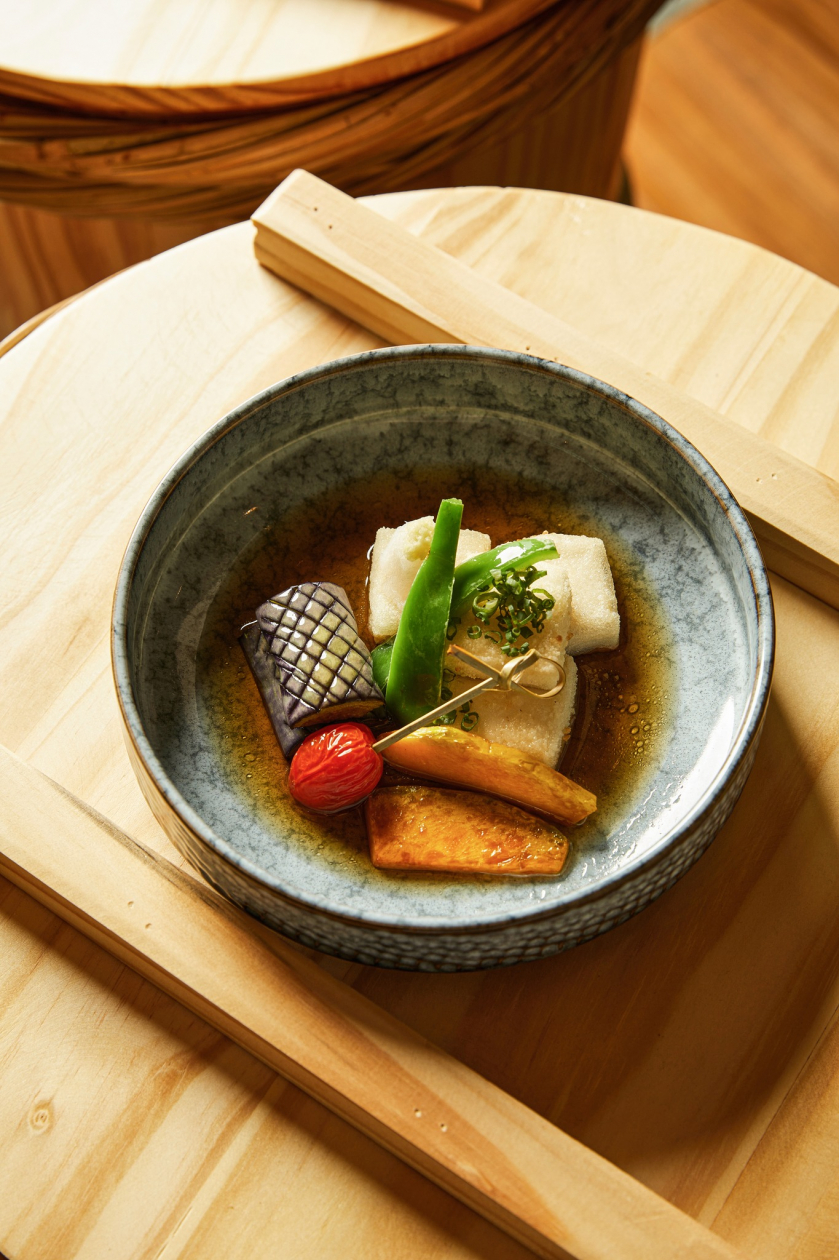
Food presentation is also crucial to enhancing the dining experience.
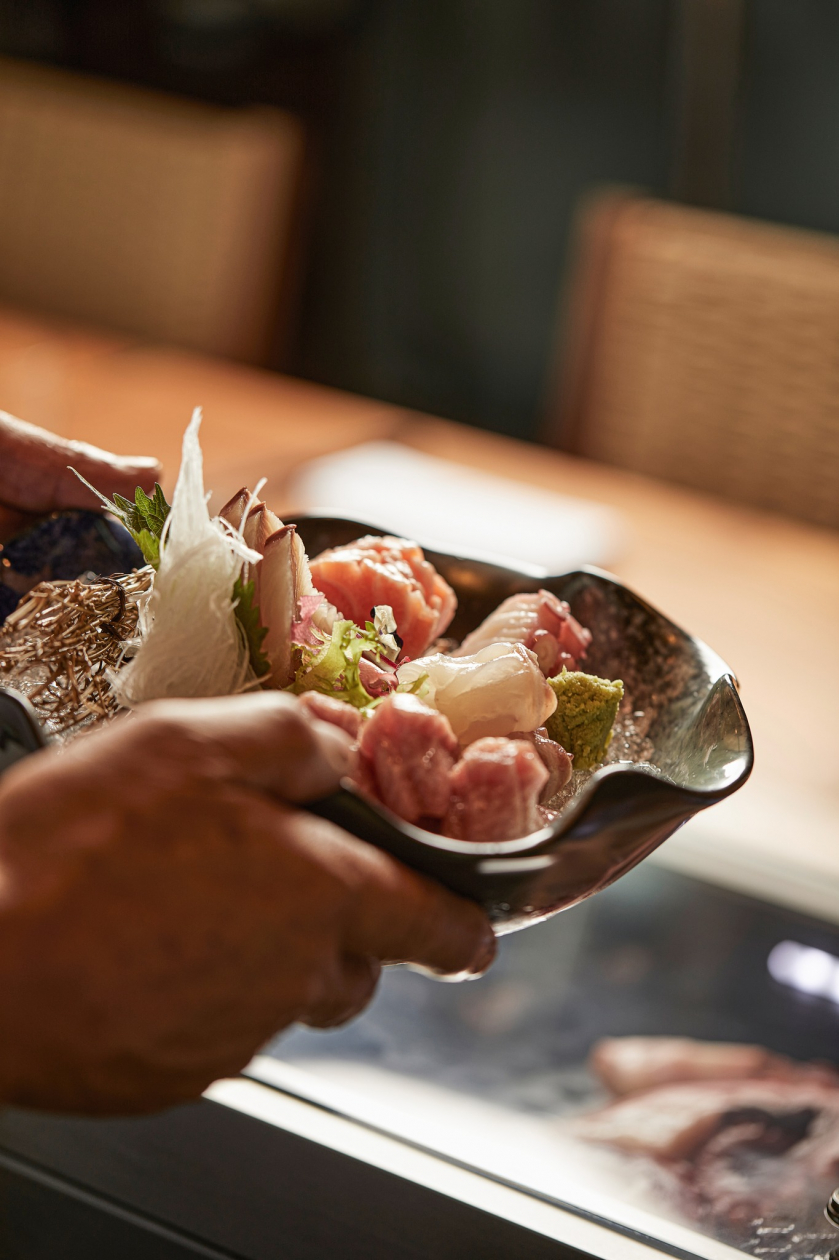
Beautifully presented dishes are a highlight that marks the unique style of each chef.
Like most other high-end Japanese restaurants, Mizumi also selects the highest quality ingredients, from direct imports from Japan to hand-picking the best local produce and seafood. In particular, don't miss the Imperial Caviar, a product Mizumi offers exclusively to the restaurant in collaboration with Caspiar sturgeon farms.
One thing you definitely shouldn't miss when dining at Mizumi is the drinks menu. Mizumi boasts a collection of sake that the staff are very proud of. When talking about Japanese cuisine, sake is indispensable. At Mizumi, sake is not just a simple beverage but is elevated to an art form of enjoyment. From rare sakes brewed from rice grains milled to retain only 1% of the germ for the most exquisite flavor, to aged sakes with a sweet and spicy taste and a smooth aftertaste... all are carefully selected to pamper the restaurant's guests. A warm sake is smooth and gentle, while a cold sake is spicier, more intense, and has a longer-lasting aftertaste. Sake stimulates and refreshes the palate, allowing you to fully enjoy the subsequent dishes without any flavor interference.
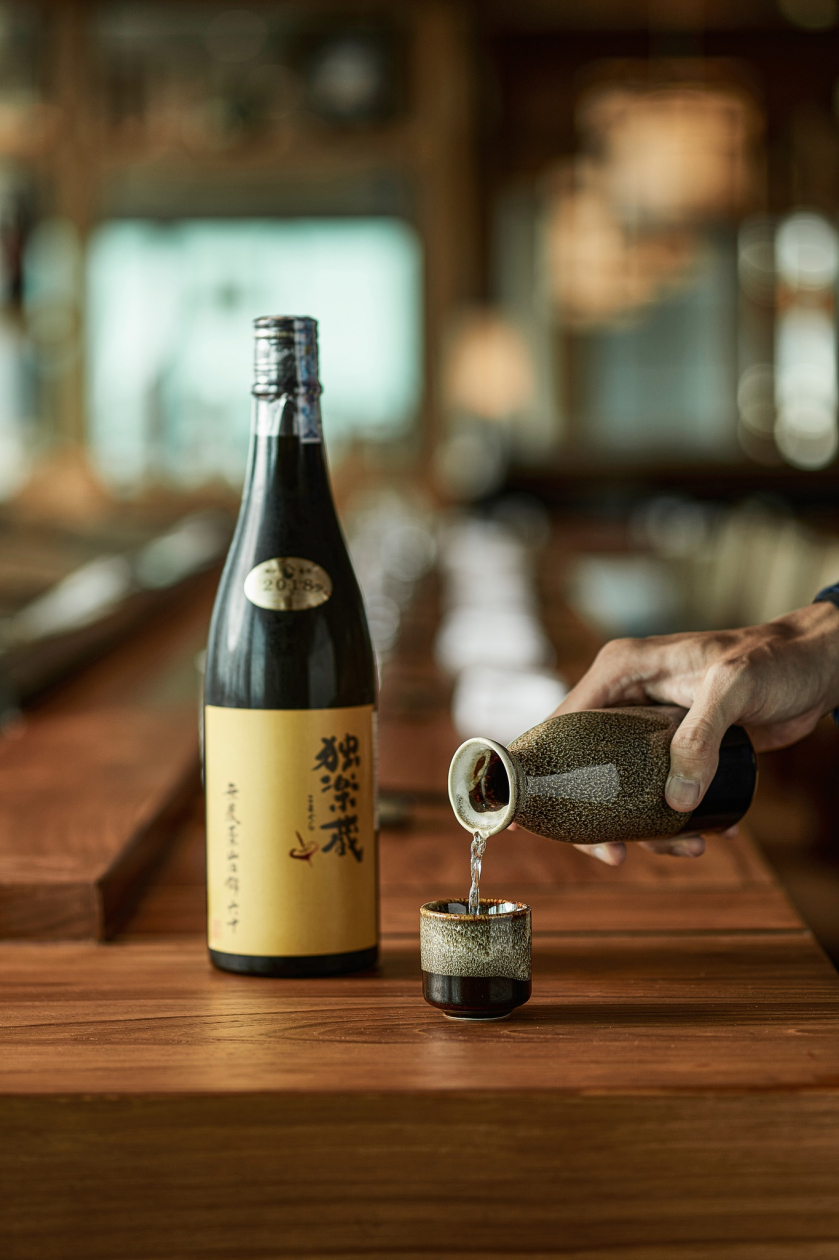
Bottles of sake are indispensable in Japanese cuisine.
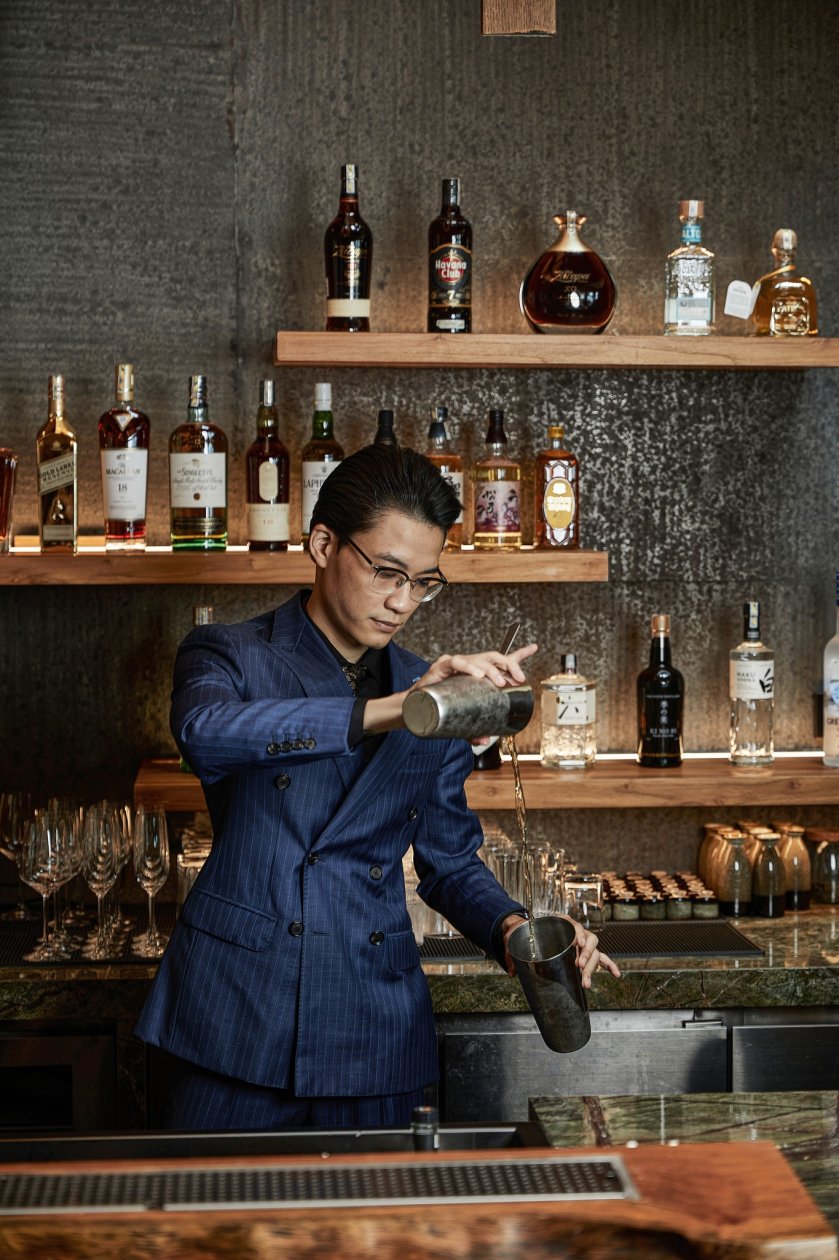
However, modern Japanese cuisine allows for more than that, perhaps whiskey or creatively mixed drinks.
Another difference that surprises and delights guests during their experience of modern Japanese cuisine here is the pairing of whisky with Japanese dishes. It's not just sake that can be used with Japanese food, as many people assume. And the Japanese whisky here is exceptionally special, carefully selected so that when paired with the food, the combination is impeccable, creating a unique modern Japanese culinary style at Mizumi.
In the chilly weather, finding a peaceful, luxurious yet intimate place to pamper yourself and enjoy meaningful end-of-year days with loved ones, Mizumi would be a perfect suggestion. Enjoy sushi at the Omasake counter from: 1 million VND/person. Daily à la carte menu suggested by the chef from: 8 million VND/person.