VI
VI


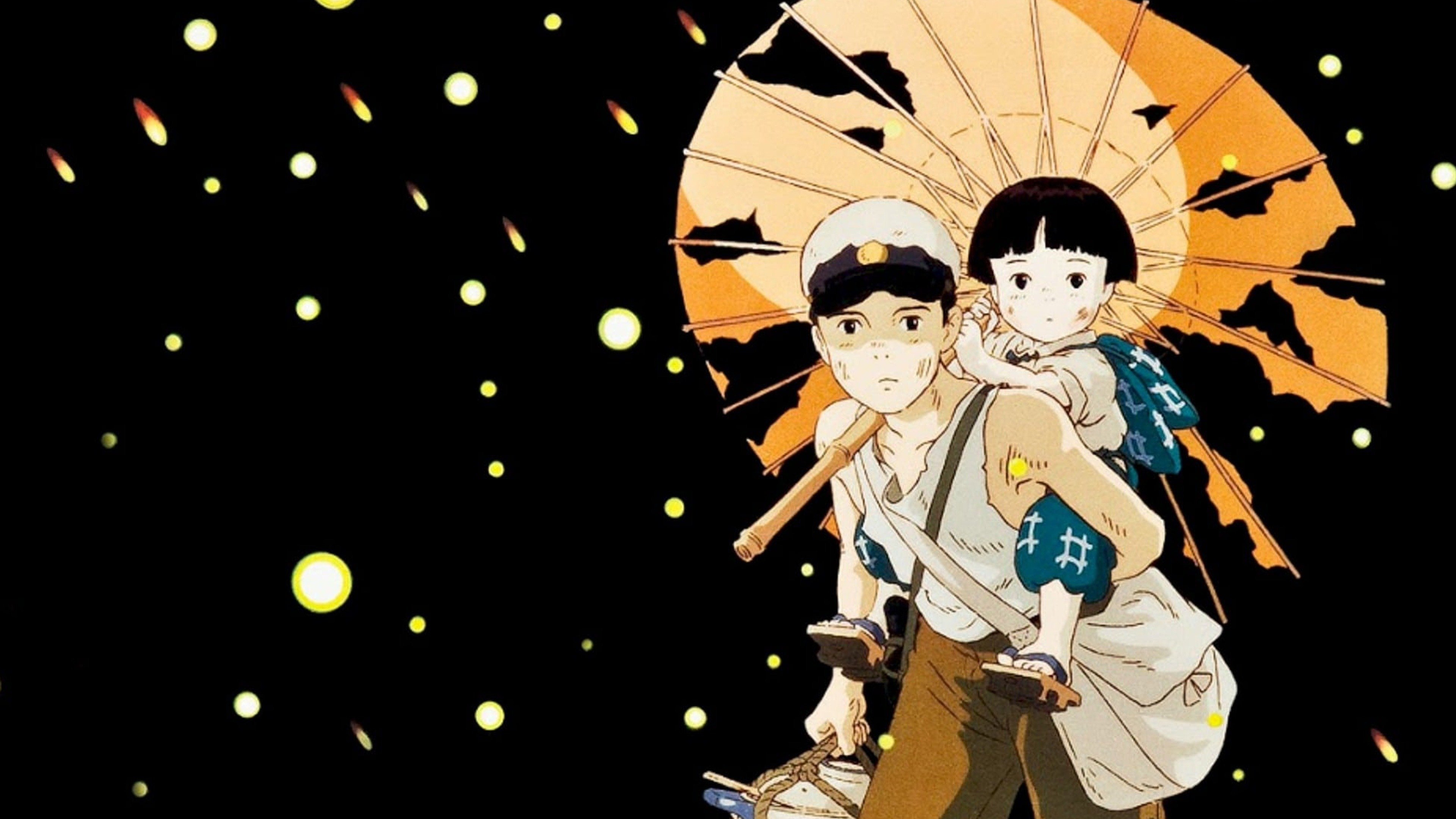
This October, Vietnamese film fans will have the opportunity to relive one of Studio Ghibli's classic works, "Grave of the Fireflies," on the big screen. This is not only a chance for young audiences to experience a deeply moving cinematic masterpiece, but also an opportunity for those who have seen the film before to reminisce about a haunting, humane story set against the backdrop of war.

The Story of Pain and Loss
First released in 1988, "Grave of the Fireflies" tells the tragic story of siblings Seita and Setsuko in Japan at the end of World War II. Under the masterful direction of Isao Takahata – co-founder of Studio Ghibli – the film takes viewers on an emotional journey, where the losses and suffering of war are recreated through the innocent yet brutal perspective of two children.
The film opens with Seita huddled in a train station, slowly wasting away from hunger and malnutrition. But that's just the beginning of a series of events that lead the audience back in time to a world where hope seems to be fading, as the two brothers face a harsh and cruel life. Starting with a tragedy, Takahata's way of constructing the film gradually familiarizes the viewer with the characters' unfortunate fate, so that they no longer expect any miracle to happen.

The Pain Behind the Screen
One of the reasons "Grave of the Fireflies" touches the hearts of viewers is that its story is based on real life. The film is adapted from the novel by Akiyuki Nosaka, a writer who also experienced painful losses during World War II. Nosaka, like Seita, lost his younger sister to famine, and this loss became the driving force behind his novel, "Grave of the Fireflies." The film is not just a story about two fictional siblings, but also the story of thousands of Japanese children during those dark years.
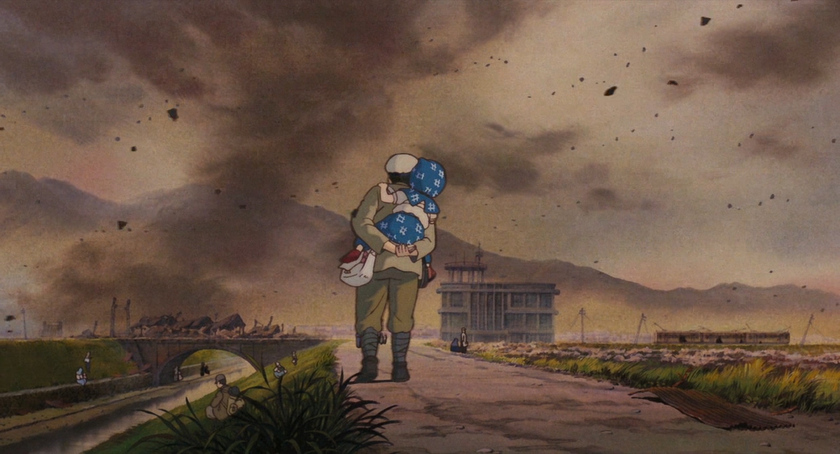
The two children were stripped of everything in the war.
Heartbreakingly, the author Nosaka himself confessed that he couldn't care for his sister the way Seita did in the film. This remorse haunted him throughout his life, and "Grave of the Fireflies" serves as an apology, an idealization of what he wished he could have done to protect his sister from the cruel fate of war.
Recreating a Painful Period of History
Unlike other Studio Ghibli animated films that often revolve around fantastical worlds, "Grave of the Fireflies" focuses on the brutal reality. Images of war, ruined streets, and the poverty that engulfs Japan are realistically portrayed, highlighting the futility of war and the suffering it brings. Director Takahata skillfully exploits even the smallest details – from Seita's weary eyes, Setsuko's weak smile, to the heavy sighs of the adults around them – to profoundly depict the helplessness of a young generation in the darkness of conflict.
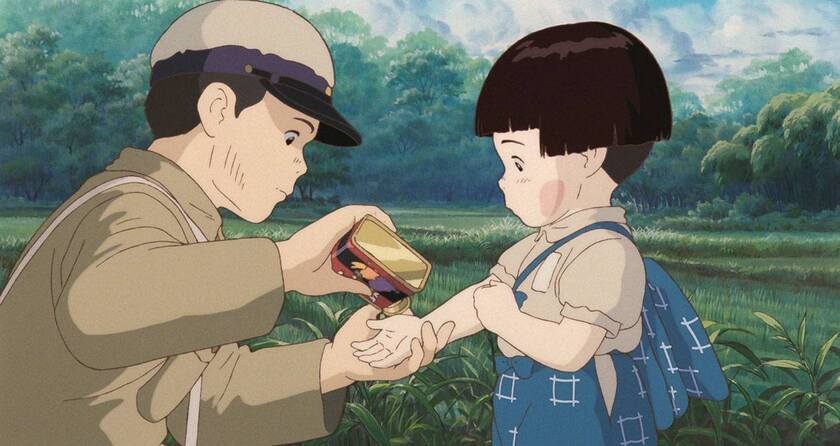
When the last candy in the box was gone, Seita used it to hold water for his younger sister. After Setsuko's death, the box became the vessel for her ashes, accompanying Seita to the end of his life.
The Conclusion of a Masterpiece
Even after more than 36 years, Grave of the Fireflies remains one of the most profound anti-war films. It is not only a story of pain and loss, but also a reminder of the value of peace and love between people. In a world where war and conflict are ever-present, "Grave of the Fireflies" becomes an enduring message about the importance of maintaining peace.
This October, as "Grave of the Fireflies" is screened in many theaters across Vietnam, let the film transport you back to a period of history filled with both pain and love, and hope. Don't miss the chance to experience this exquisite and emotionally rich film on the big screen, and fully appreciate the profound message that Studio Ghibli wants to convey to us.