VI
VI




The poet Thanh Thảo wrote the line, "It's the don (a type of shellfish) from the Trà River," implying that only the Trà River has this special aquatic species. The Trà Khúc River is a unique river in Quảng Ngãi; before flowing into the East Sea, it meanders through the region, providing the people with countless delicious products, including the don – a specialty exclusive to Quảng Ngãi.
The "unique gem" of the Tra Khuc River
There's an old saying in Quang Ngai: "The girls from Son village aren't as delicious as a bowl of don from Van Tuong." This shows that, even though it's just a playful saying, even the most beautiful women have to "tease" before this irresistible dish, a quintessential part of Quang Ngai's traditional cuisine.
The don season arrives on the Tra Khuc River.
On its 130-kilometer journey, originating in the Ngoc Linh mountain range in Kon Tum province and ending in Son Tinh district, the Tra River flows like a sprinting athlete towards the finish line. Before entering the East Sea, the river leaves behind fertile alluvial plains along its banks.
Besides annually depositing a large amount of silt, the Tra River also bestows upon its riverside inhabitants unique products found nowhere else. These include tiny gobies, no bigger than the tip of a chopstick, with a very distinctive flavor, and the small, slightly larger than a toothpick, which possess a taste unlike any other aquatic species.

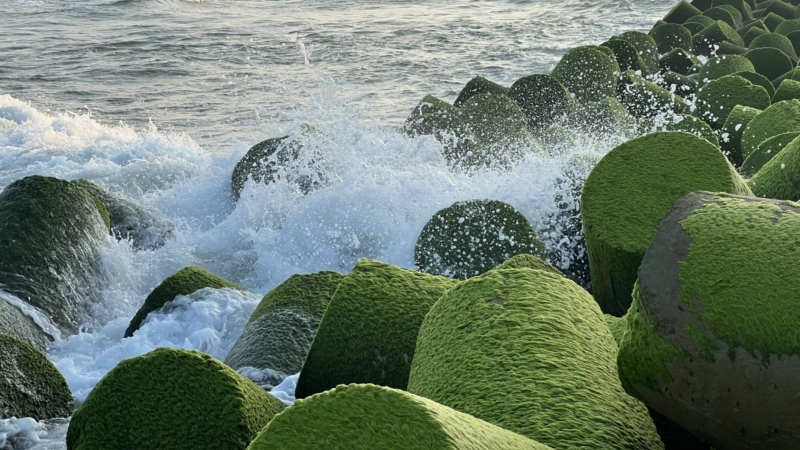
The tranquil Tra Khuc River is known as the "foremost scenic spot".
But perhaps most special of all is the don, a seafood species "exclusive" to the Tra River, found nowhere else in Central Vietnam. Based on the seasonal tides, people in the villages along the Tra River use motorboats to travel about 2 km from the river mouth to hunt for this delicacy.
When the last floods in Central Vietnam finally subside, it's time for some aquatic species in the Tra River to "return home" after a season of raging currents forcing them to seek refuge in bamboo groves and rice paddies to avoid being swept away into the sea. The river suddenly becomes calm, as if it had never known the tragedy it caused during a season of fierce floods.
Along with the golden sandbanks that the river has left behind on both sides, the fragrant pollen of the herbs from the upstream has also settled at the end of the river. This is an inexhaustible food source for the don (a type of shellfish).

This season, when people think of Quang Ngai, they don't remember the crushed rice paper, grilled pork skewers, or braised goby fish from the Tra River; instead, everyone feels a pang of nostalgia because the don season has returned.
Interestingly, the river don only lives in this region, buried in the sand, feeding on the bounty of the upstream waters. That's why, during the season, locals and tourists alike in Quang Ngai seek out and try this local river don dish.
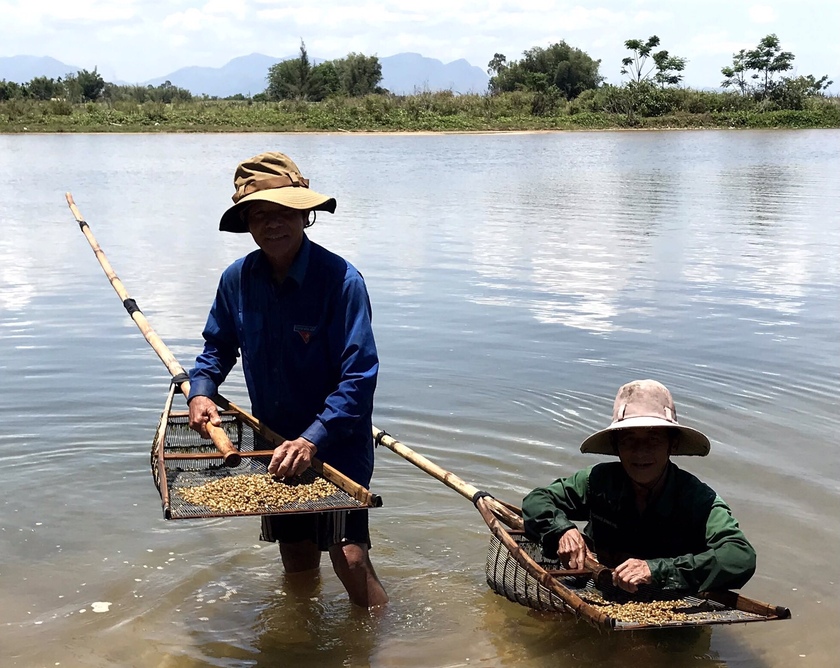
Clam harvesting is also a livelihood for residents along the Tra Khuc River. Although it's quite hard work, involving being immersed in water all day, the income from clam harvesting is quite stable, especially now that this product from the Tra Khuc River has become famous both domestically and internationally.
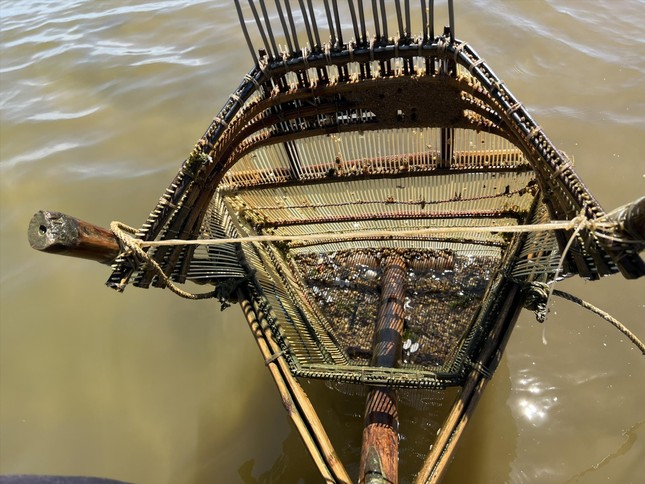
clam rake
The greatest wish of the people living along the Tra Khuc River is to preserve the pristine river environment so that the clams can thrive, and more products from the Tra Khuc River can reach many regions both domestically and internationally.
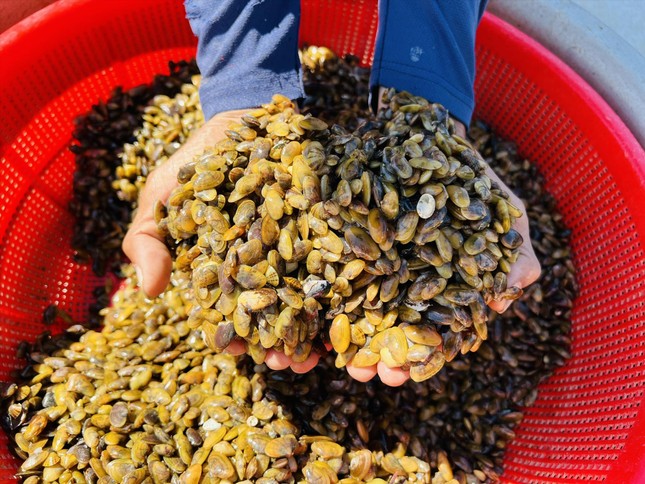
Don has just been arrested.
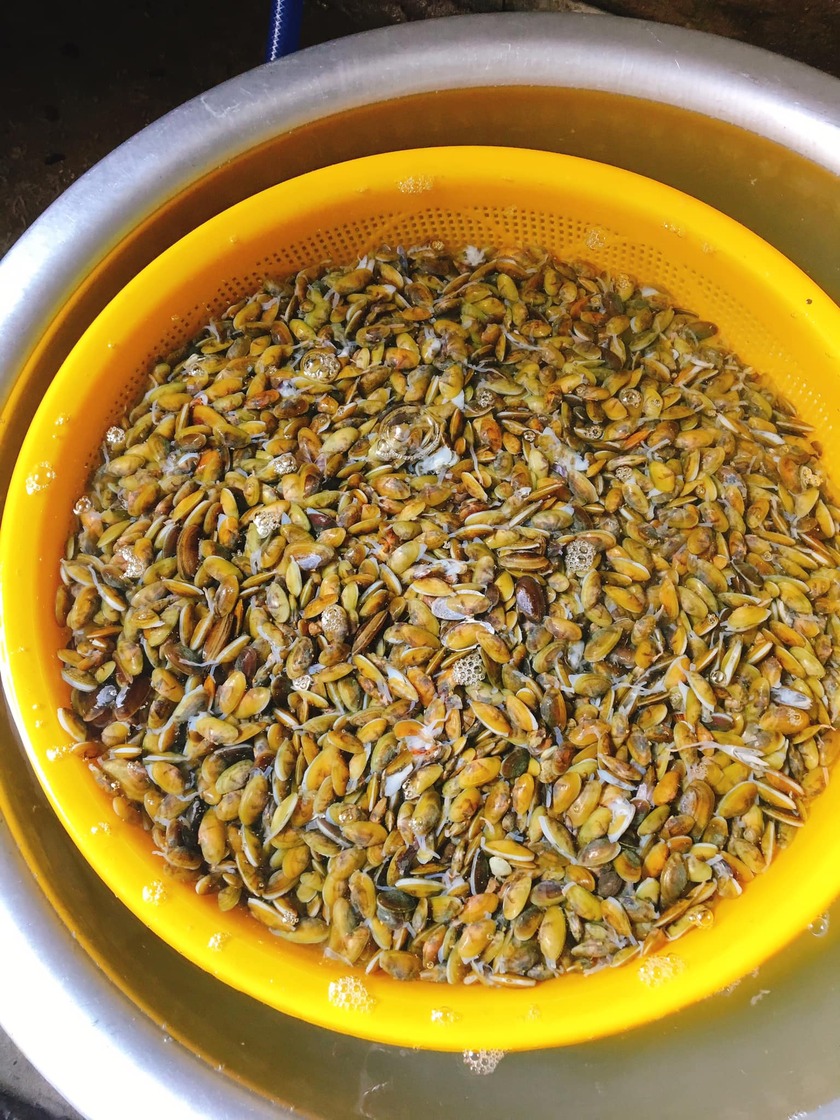
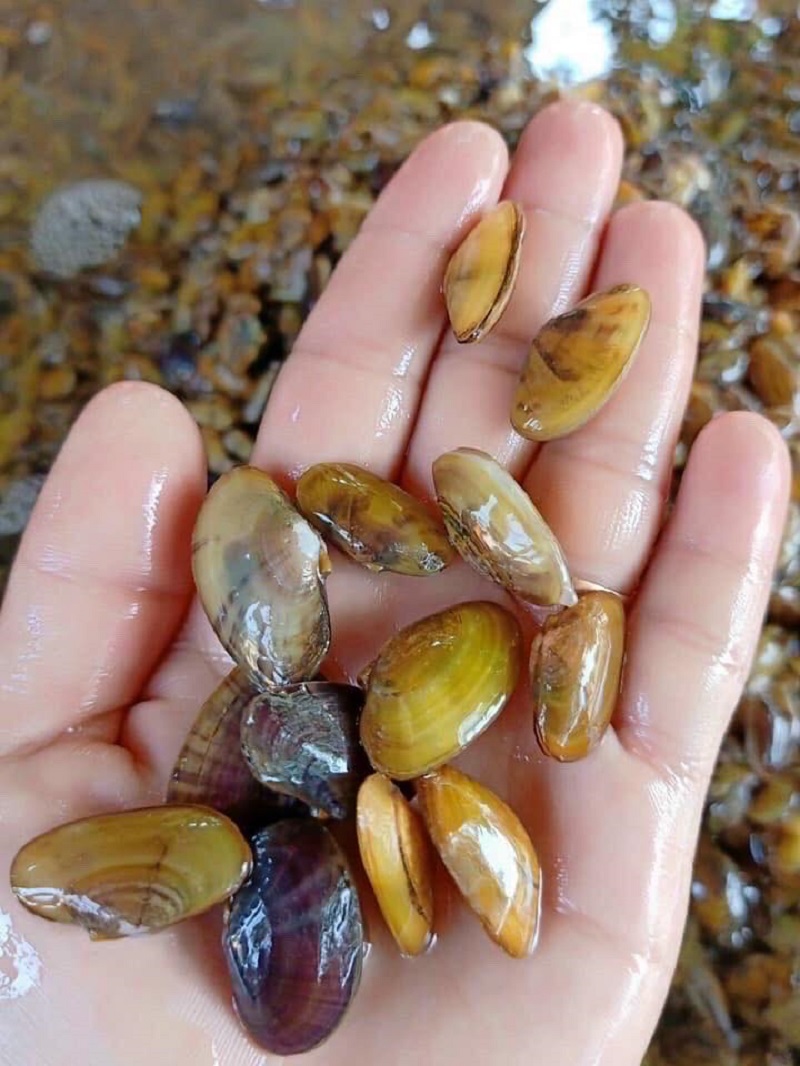
Don (a type of shellfish) is shaped like a small, thin, dark yellow plum, usually about 2 cm long. Its flesh is a pale pinkish-yellow color, surrounded by pink fringes. The breeding season for don lasts from January to the end of summer. During this time, people usually go don harvesting. They use a "nhụi" – a tool shaped like a water trough woven from bamboo strips just large enough to trap the don and allow the sand to fall through.
A simple, rustic gift imbued with the warmth of the countryside.
The preparation of don (a type of shellfish) is quite simple. After being harvested, the don are scrubbed clean, then boiled in water until the shell splits in half. Gently stir with chopsticks to separate the meat from the shell. The shells are then removed and strained to remove any remaining meat.
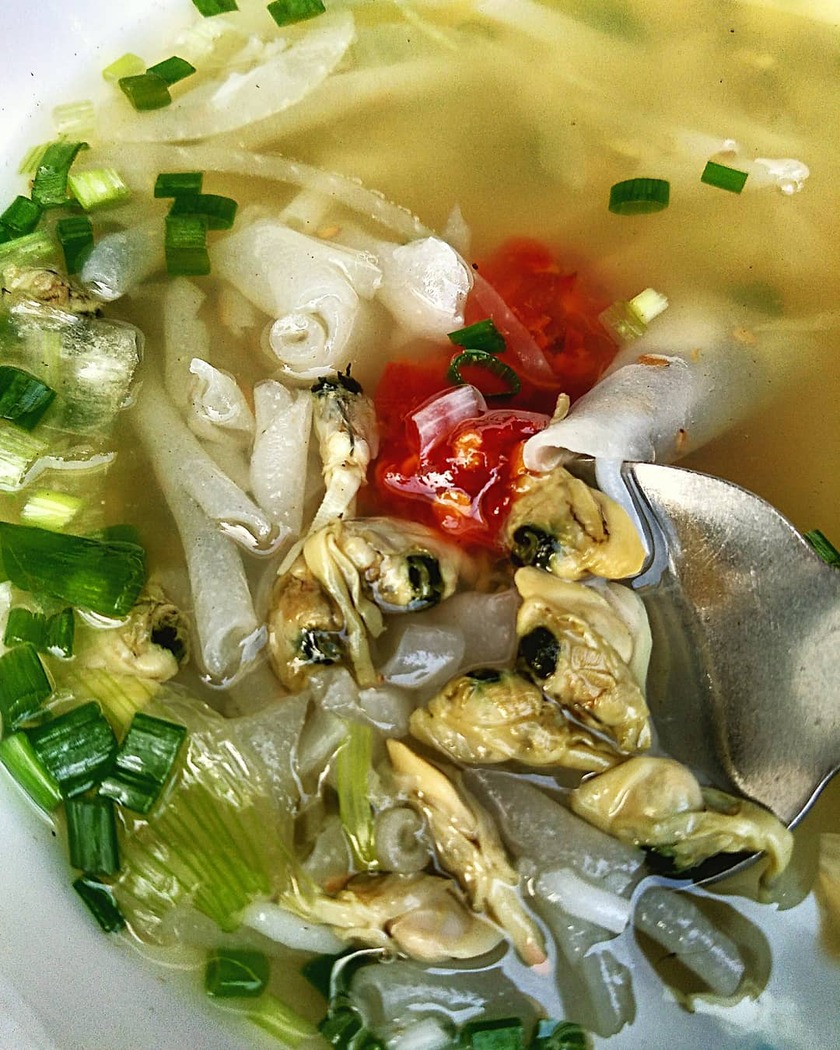
The unique specialties of Quang Ngai province evoke fond memories for many food lovers.
The meat of the don (a type of shellfish) is added to the don broth, brought to a boil, and seasoned to taste. The finished don dish will have a milky white color and a subtly sweet flavor. For a delicious don dish, finely chopped scallions, onions, and chili peppers are essential.
When eating, the boiling broth and intestines of the don (a type of noodle soup) are scooped into a bowl, then chopped scallions, onions, and a few chili peppers are added. At this point, the bowl of don will have a subtle earthy aroma, the fragrant smell of onions, and the spicy kick of chili peppers. Don is served with rice paper. The rice paper is broken into small pieces, added to the bowl of don, mixed well, and enjoyed. The sweet and spicy flavors blend together, creating an unforgettable experience for diners.
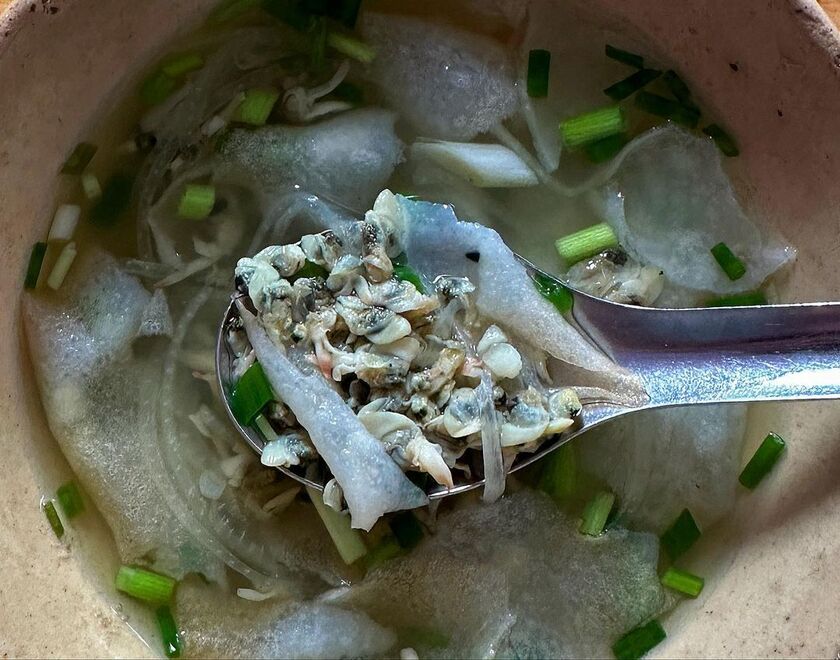
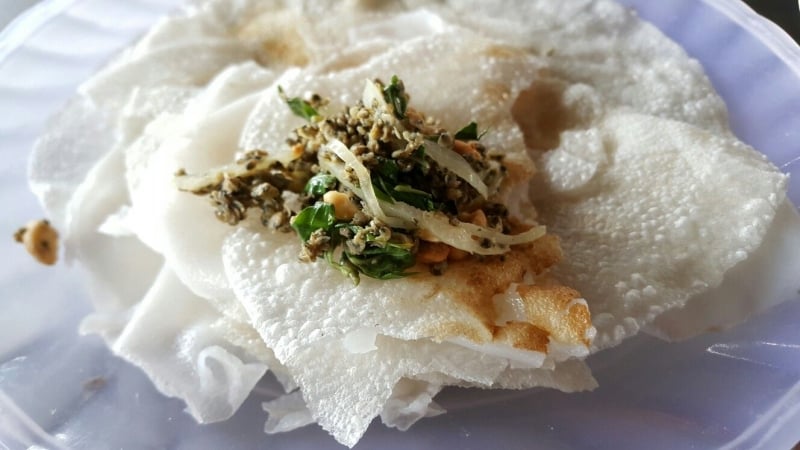
A bowl of don soup, at first glance, appears cloudy white, with the don meat at the bottom. On top are a few thinly sliced onions and broken pieces of rice paper.
It's the same don (a type of shellfish), the same scallions, the same crispy grilled rice crackers, but to make a delicious bowl of don soup, the cook must "put their heart and soul" into it. When cooking don soup, just overcooking it or seasoning it improperly will ruin the taste.
According to the elders, in the past, don was only popular in rural areas. It was a dish for poor laborers. However, over time, don became more widespread. Now, don has become a signature dish of Quang Ngai province.
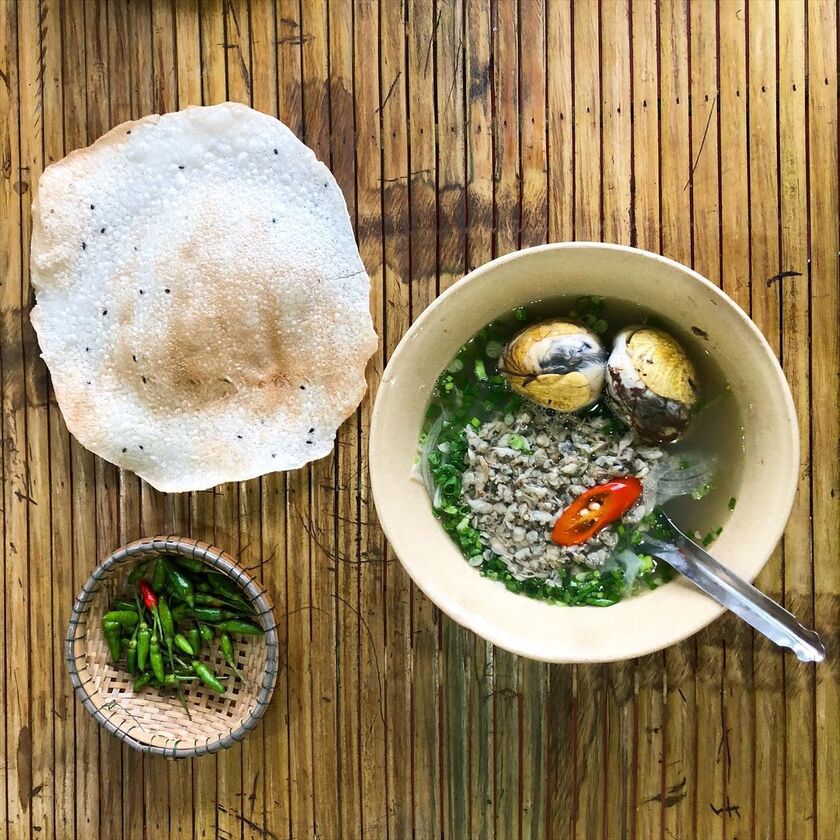
The essence of Vietnamese cuisine
A delicious bowl of don (a type of noodle dish) doesn't need many spices to have an appealing aroma, but it's definitely incomplete without fish sauce and chili peppers. Each bowl is served with about 3 tablespoons of don, a little chopped scallions, shredded onions (soaked in water to remove the pungency), and then the don broth is poured over it. A few slices of red chili peppers are placed on top, both for visual appeal and to mask the fishy smell. Diners can add lemon or vinegar according to their taste, then break up some rice crackers (raw or grilled, depending on preference) into the bowl, wait for them to soften, and then enjoy.
More than just a local delicacy, don also embodies the spirit and hard work of the people of Quang Nam province.