VI
VI


The moment I set foot in Muscat – the capital and largest city of the Sultanate of Oman – I was immediately captivated by its rows of white buildings. Despite being a wealthy country, Oman doesn't boast skyscrapers or ostentatious architectural symbols; instead, it offers a city nestled between the strangely shaped rock formations of the Western Al Hajar Mountains and the deep blue Gulf of Oman. Its cultural heritage, majestic religious architecture, and distinctly Arabic lifestyle make it seem like a sacred place.
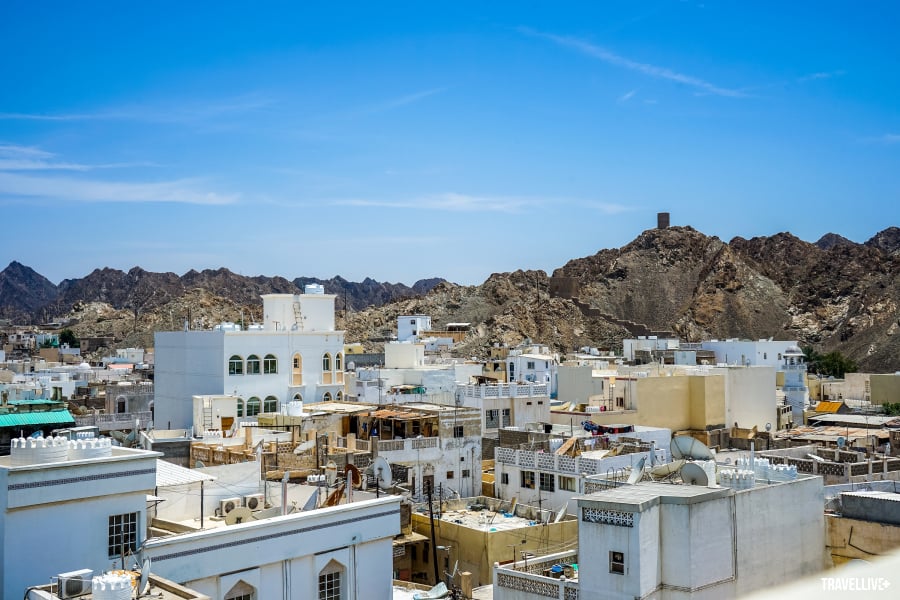
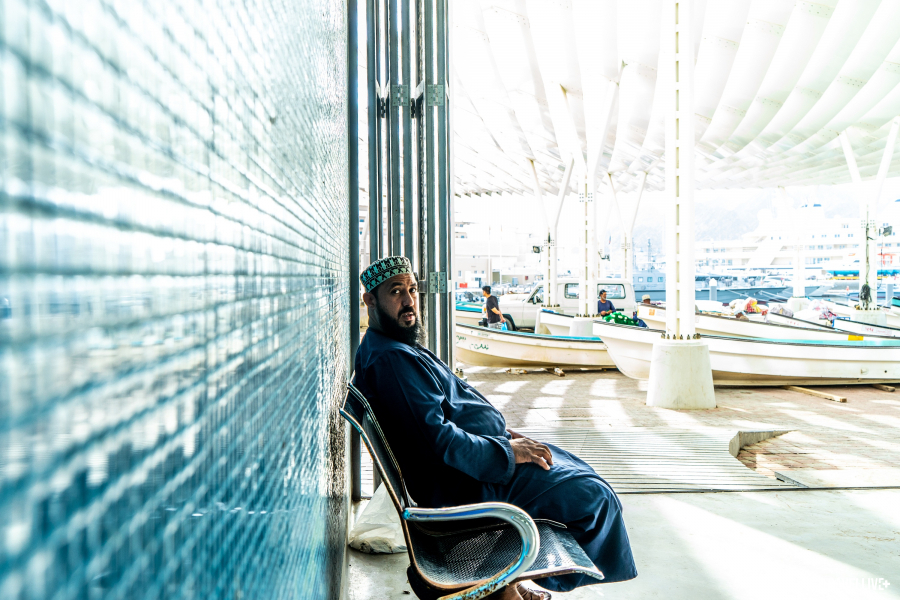
Muscat boasts an unusual architecture, as this Middle Eastern country is characterized not only by Arab culture but also by influences from India, Persia, Portugal, Africa, and modern Western cultures.
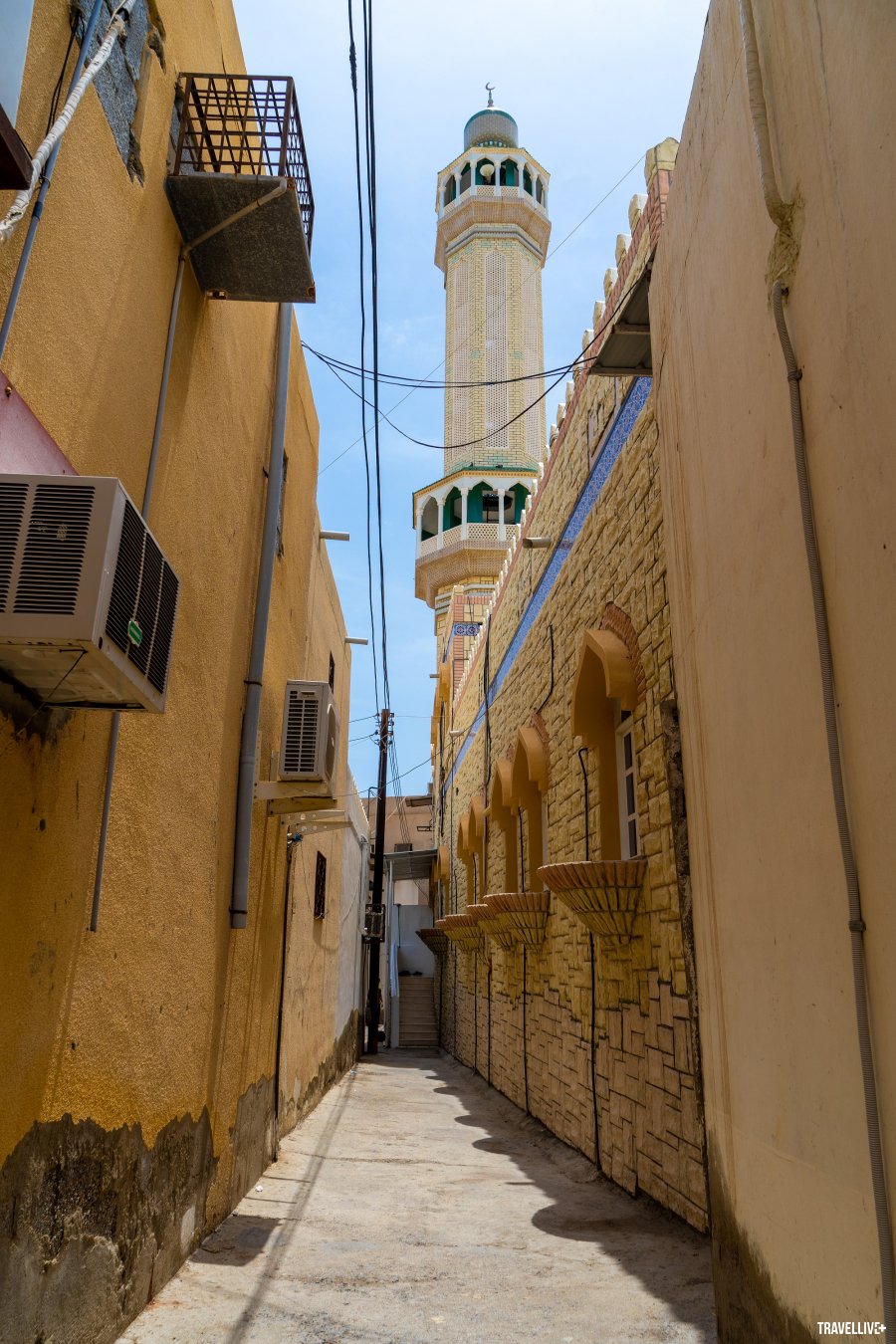
King Qaboos Bin Said al Said was deeply loved by his people, who expressed their affection by displaying his portrait in prominent places.
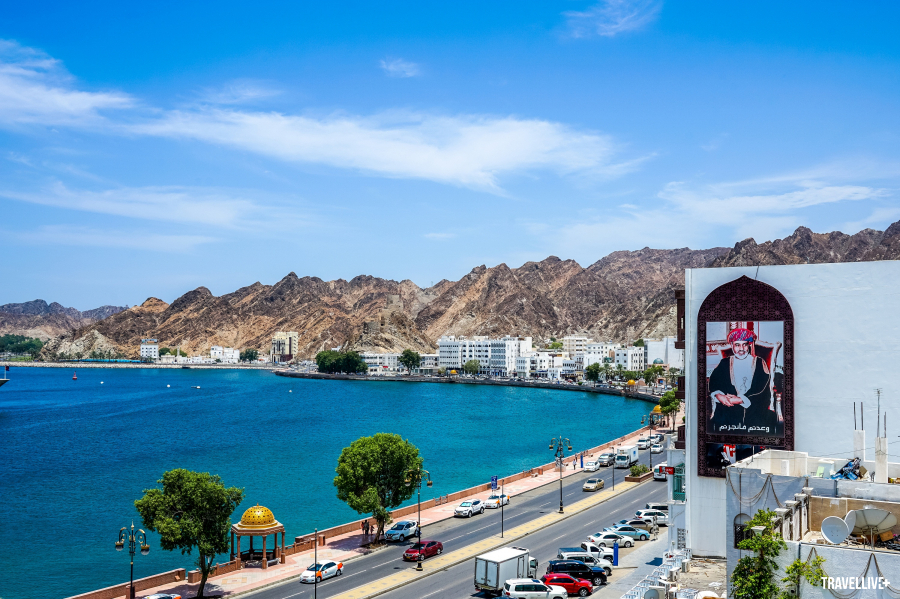
The road along Mutrah Port is bordered on one side by a highway and on the other by the azure sea. From here, you can see firsthand two of the world's most luxurious yachts, owned by the Sultan of Qaboos Bin Said al Said.

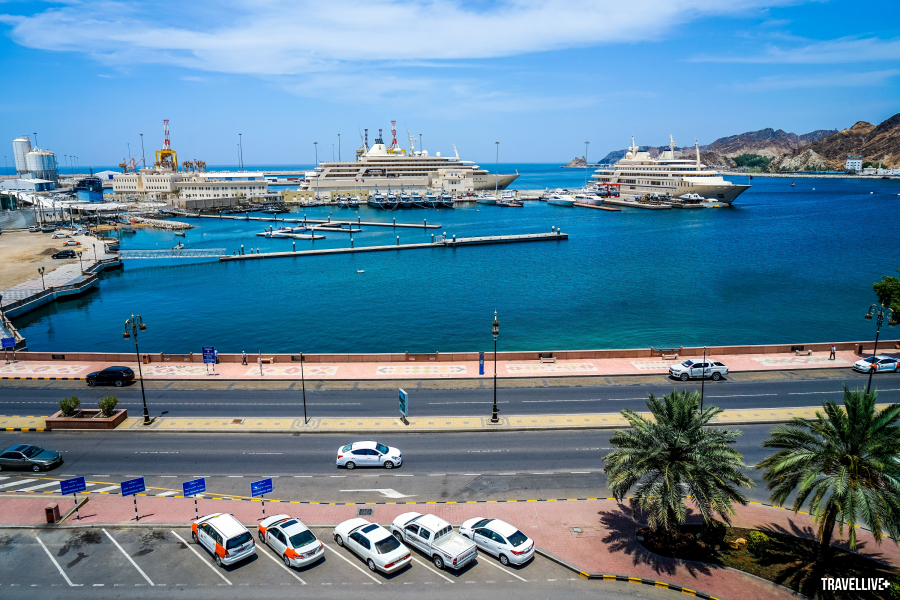
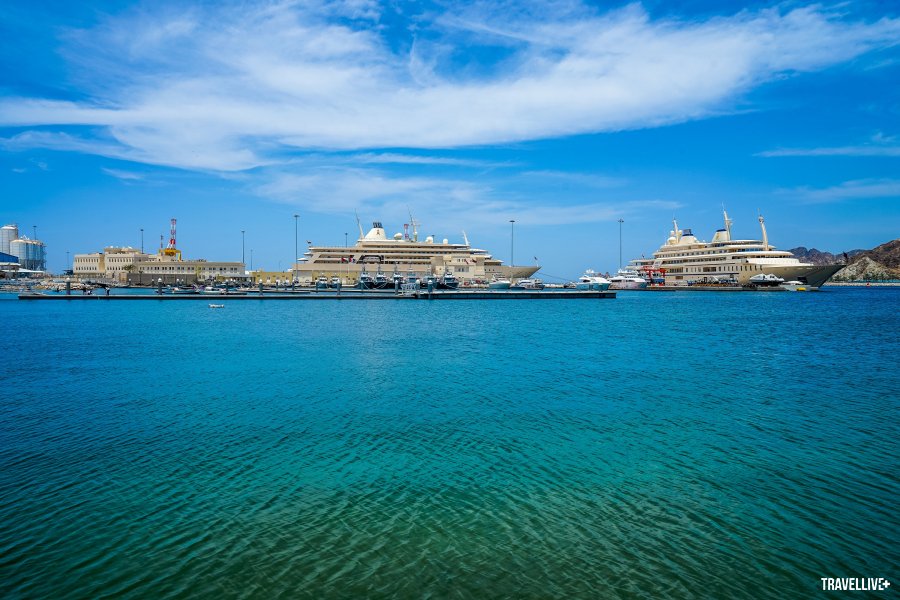
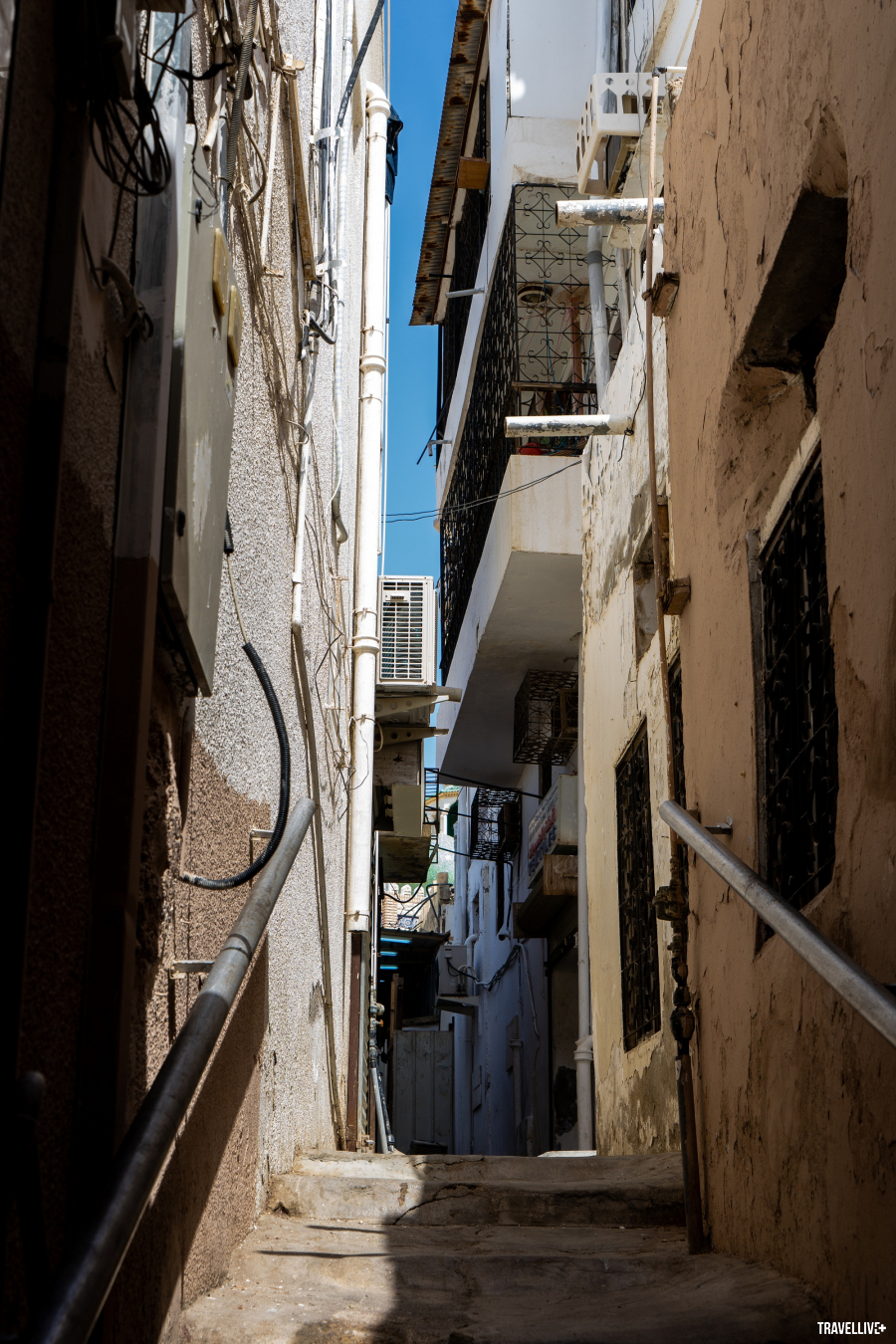
If you travel along the road running alongside Muttrah harbor, you will be captivated by the Arabian aromas and get lost in the labyrinth of Muttrah Souq with its winding alleys selling exquisite handicrafts and an abundance of food spices, perfumes, and more.
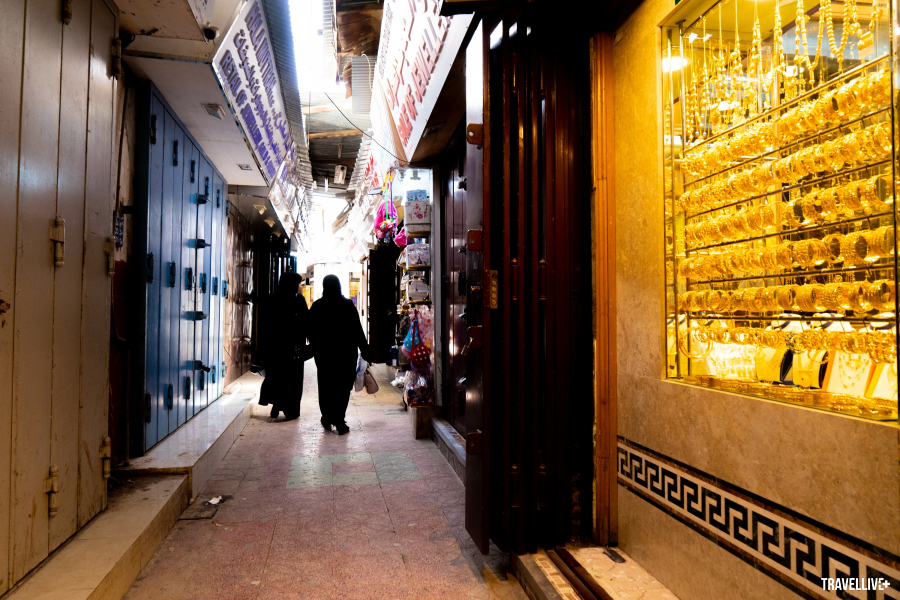
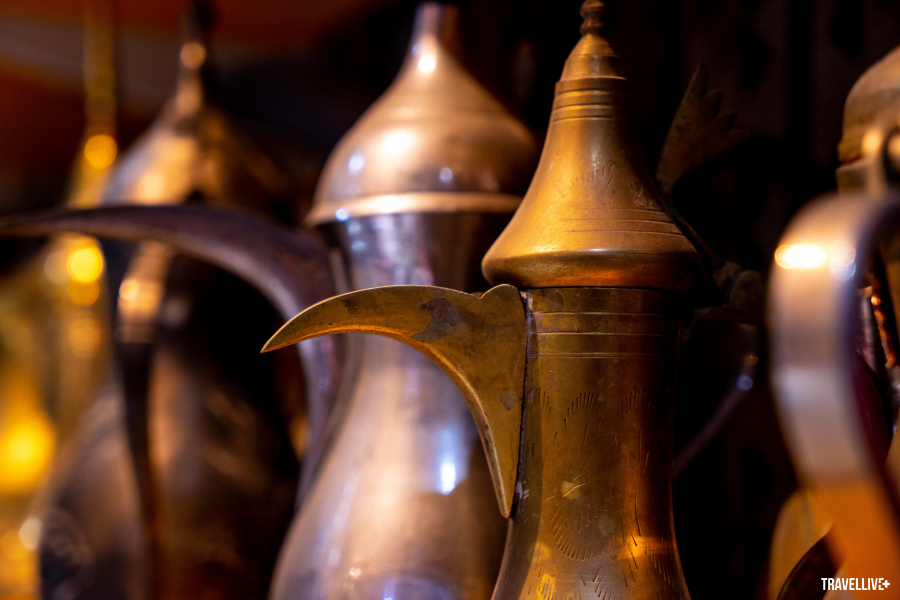
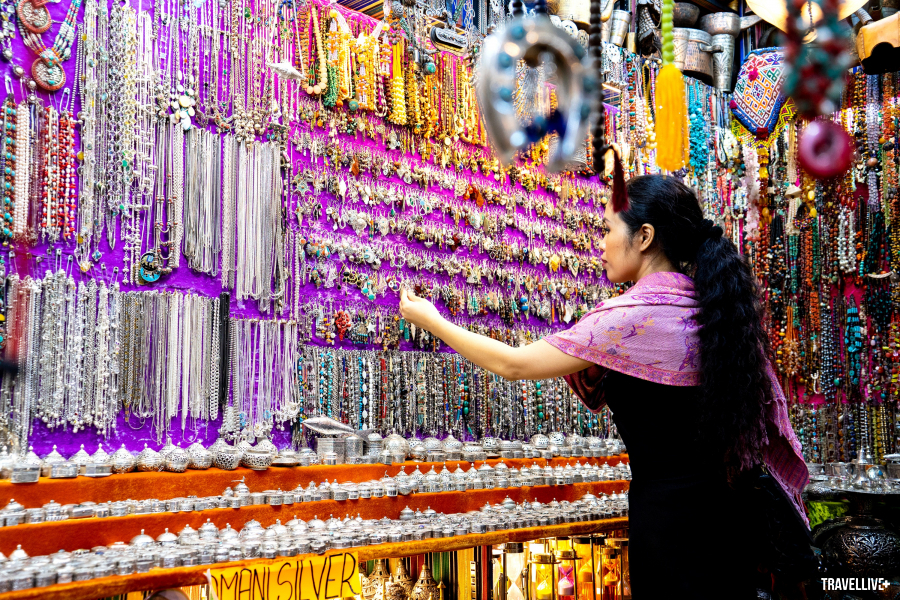
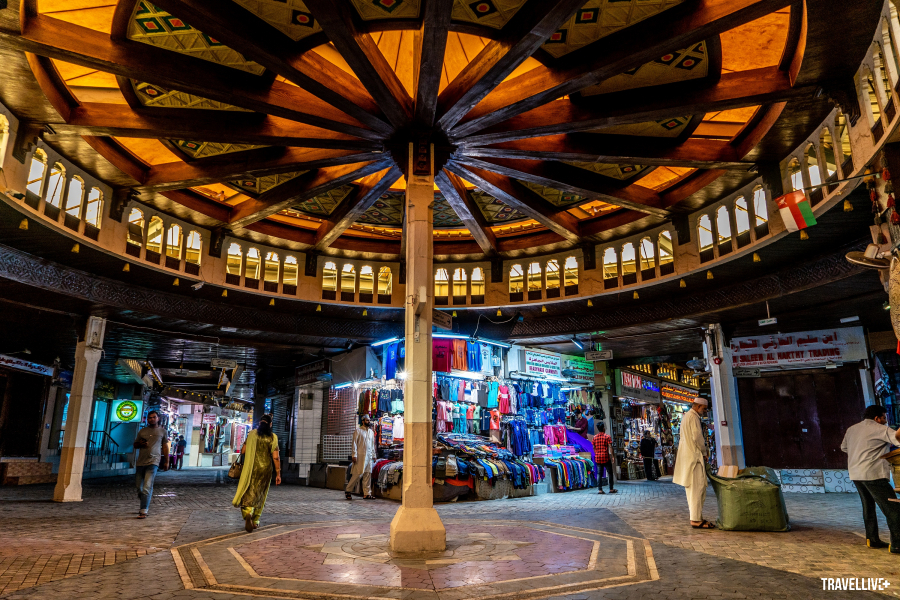
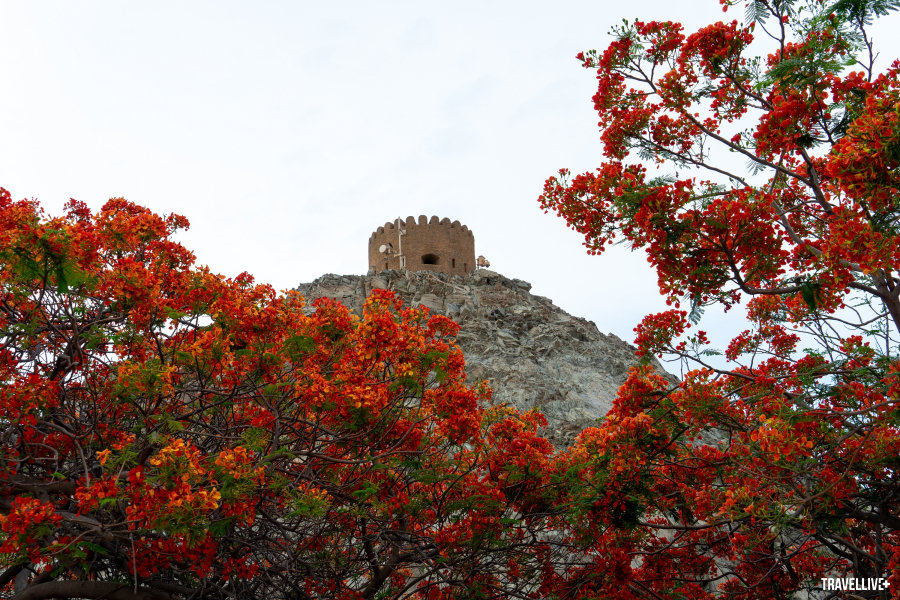
The Muscat Fort, built in the 16th century, is a testament to the city's history and now serves as a private museum and a vantage point for tourists and locals alike to admire the stunning harbor views.
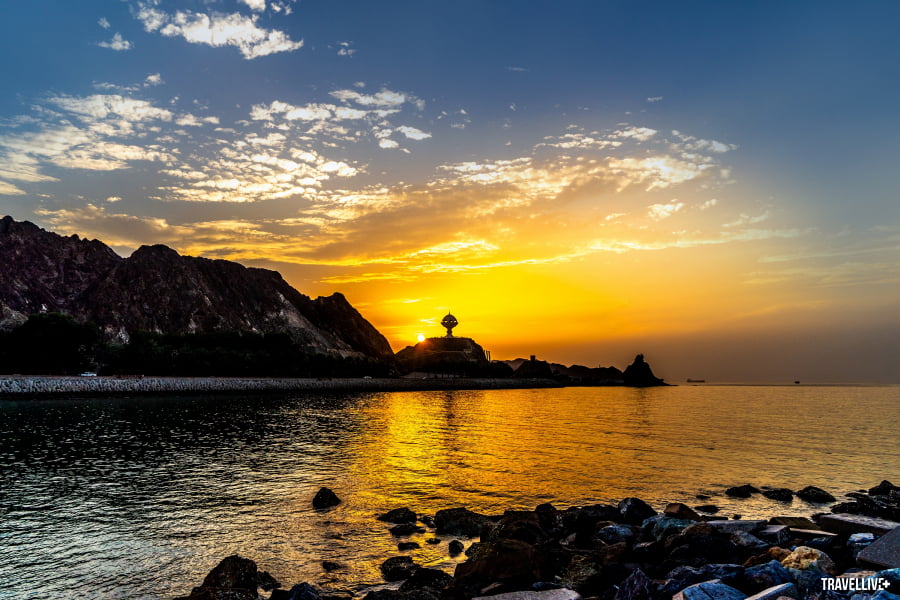
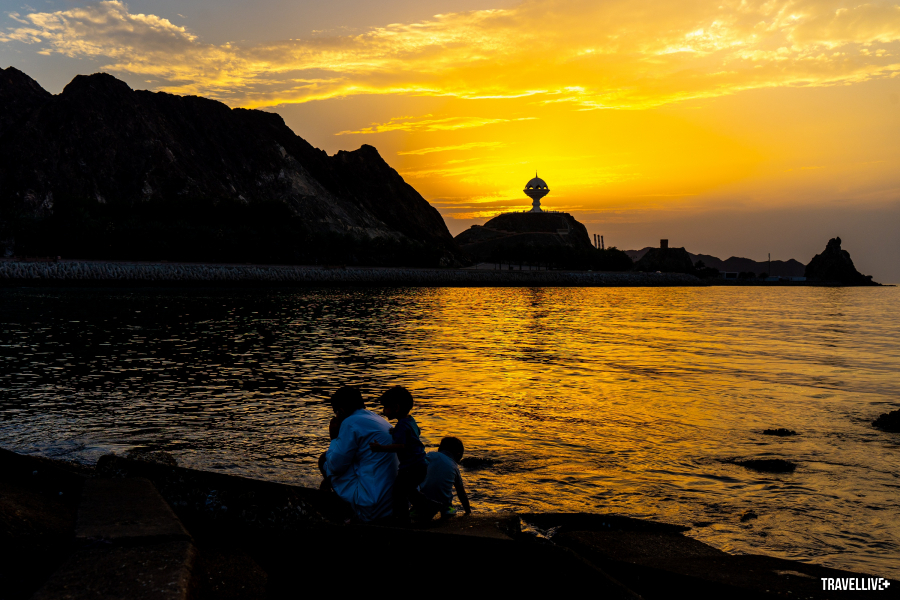
The giant incense burner on Muttrah Port serves as an observation deck offering panoramic views of the city, brilliantly illuminated at sunset.
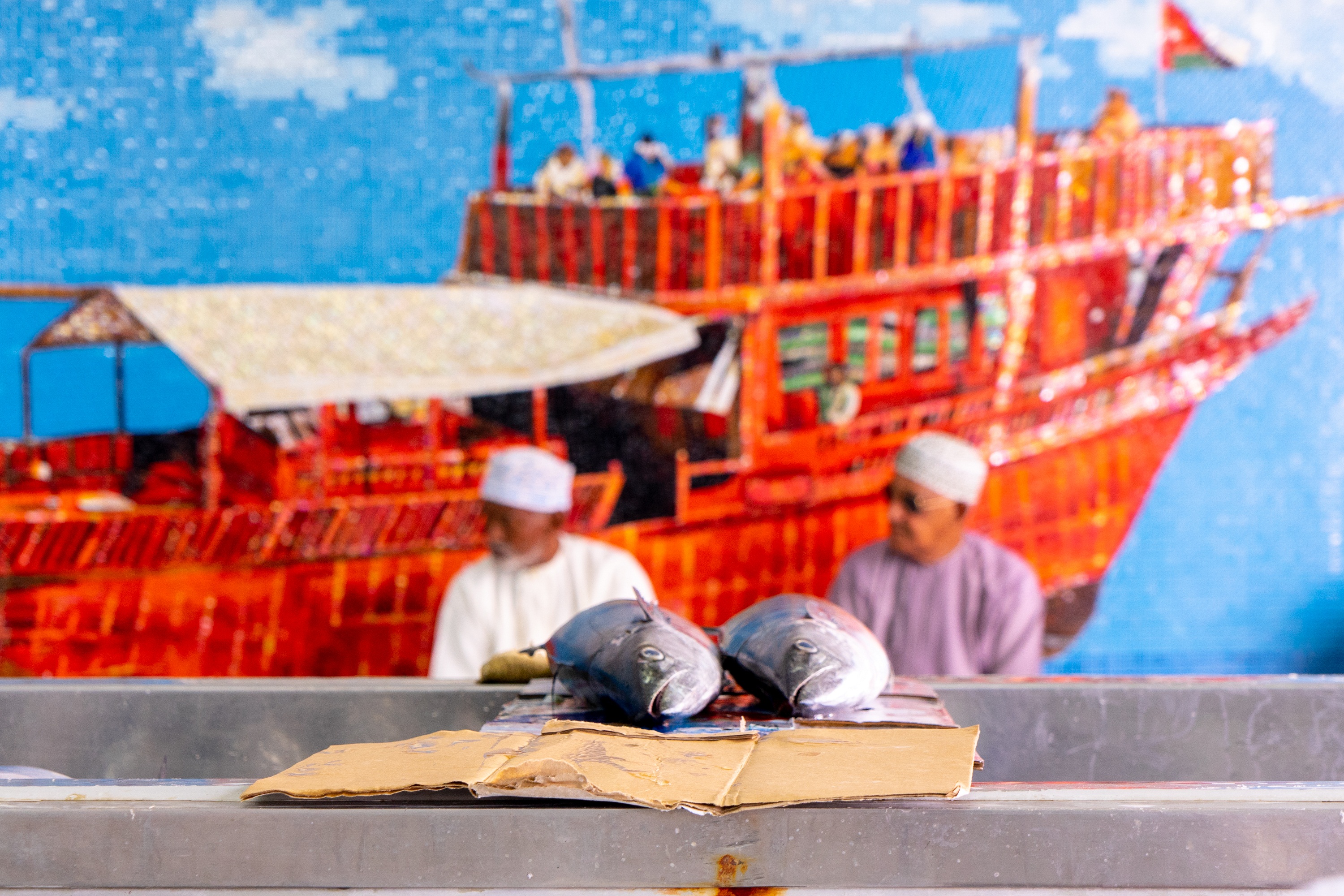
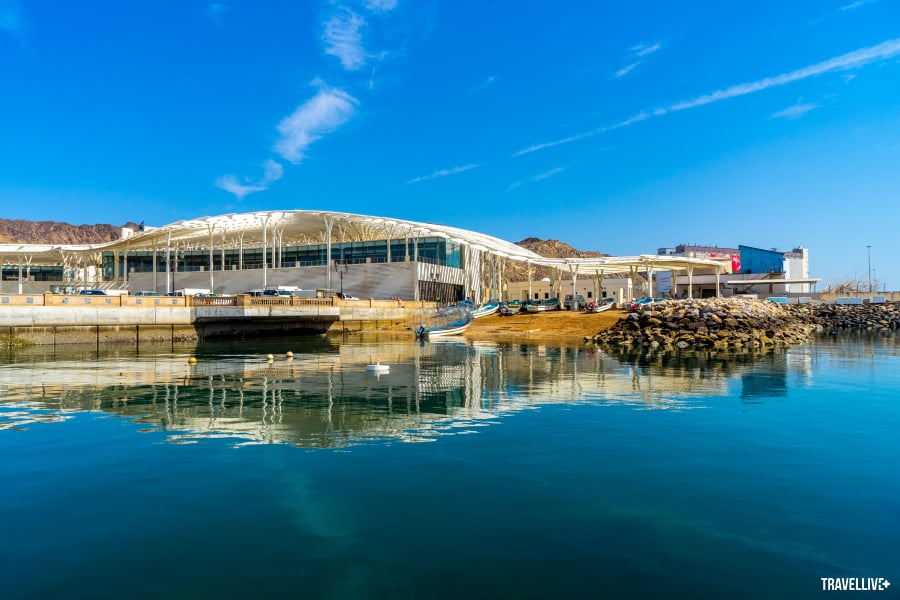
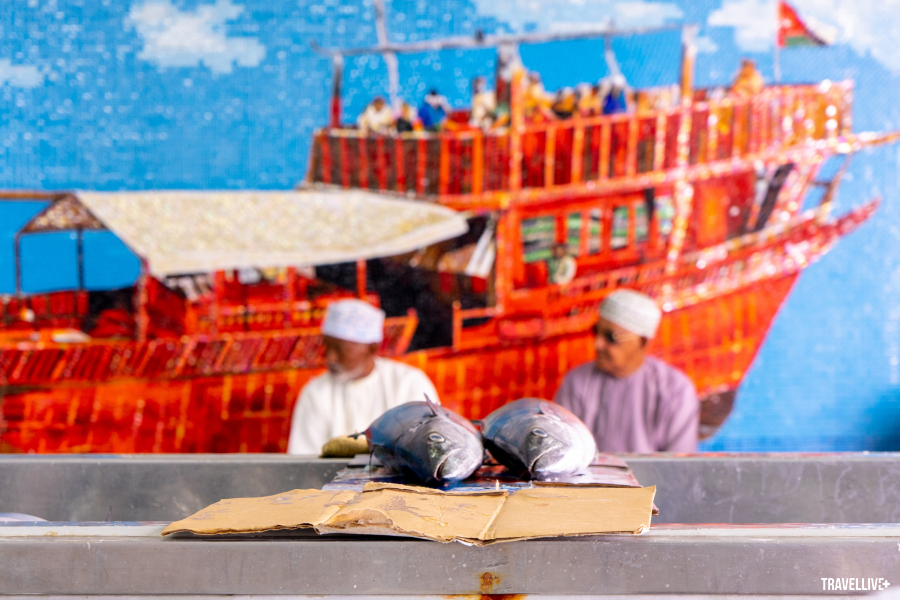
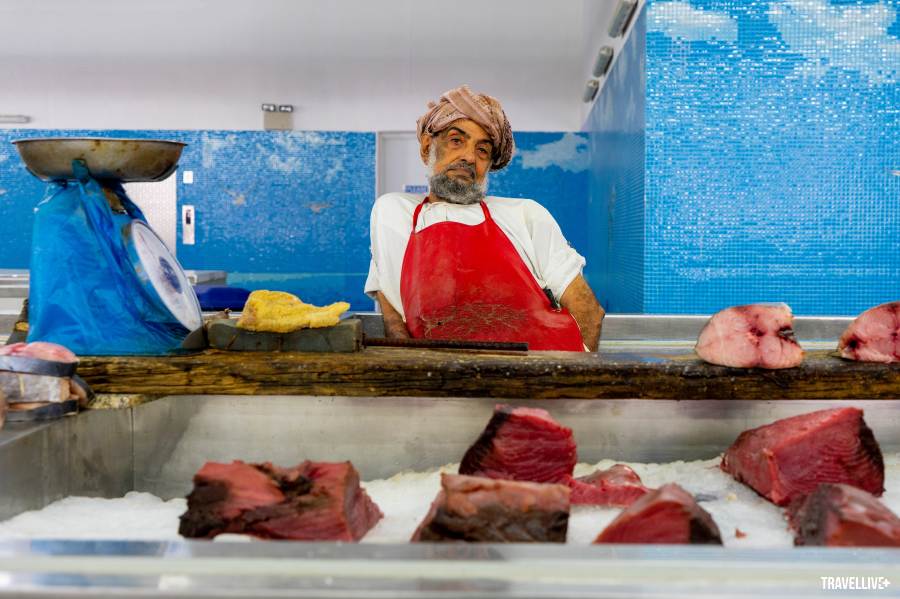
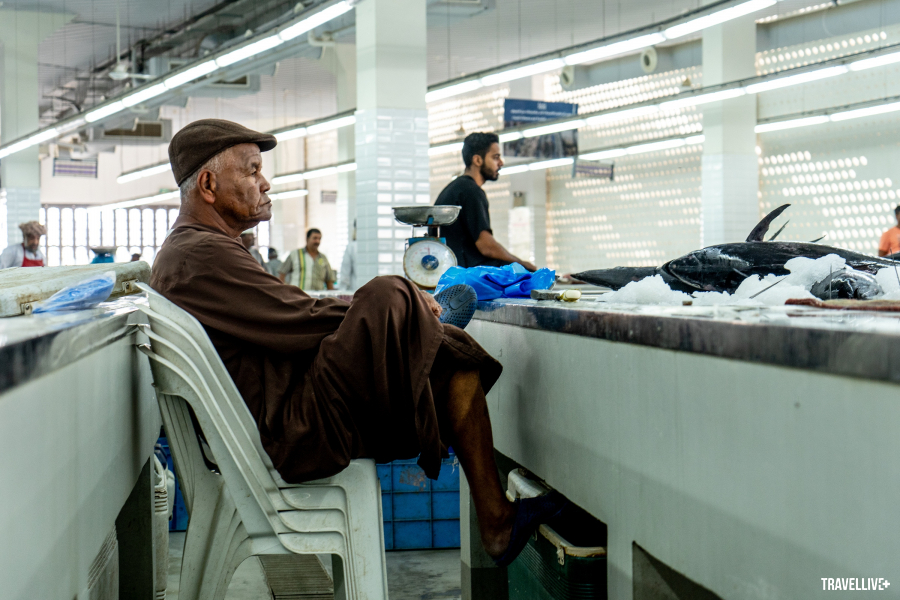
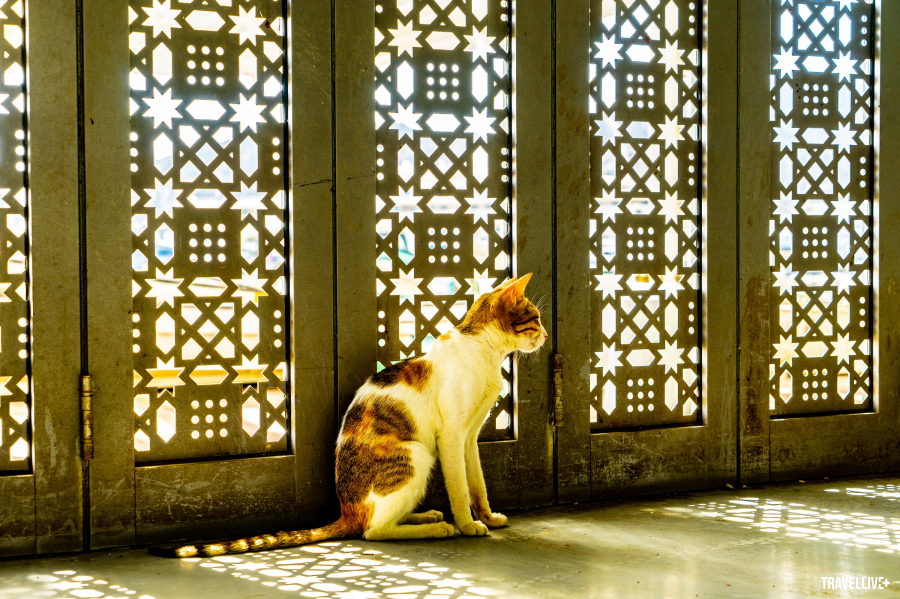
Located in the heart of Muscat, the beautifully designed Muttrah Fish Market overlooks the Gulf of Oman. This market represents Oman's thriving fishing industry.
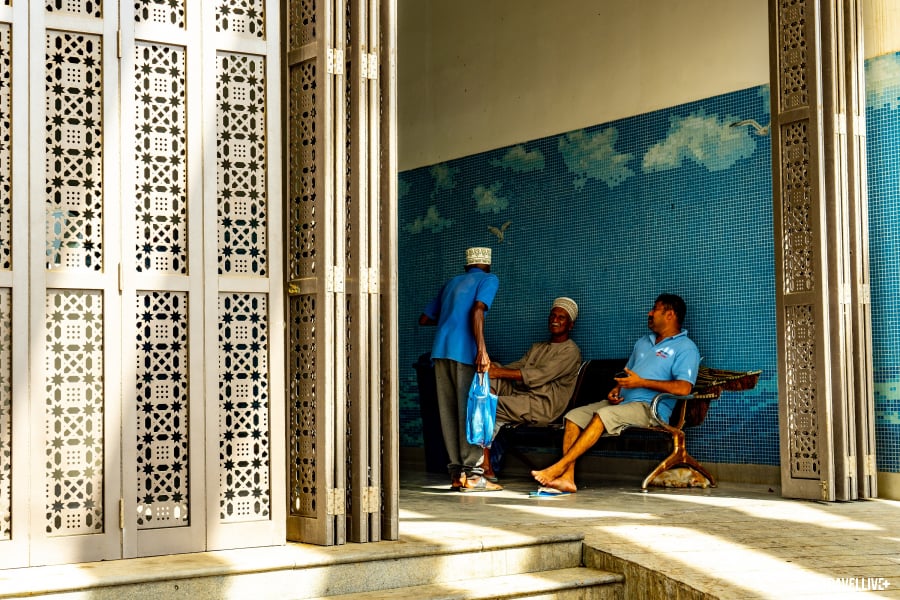
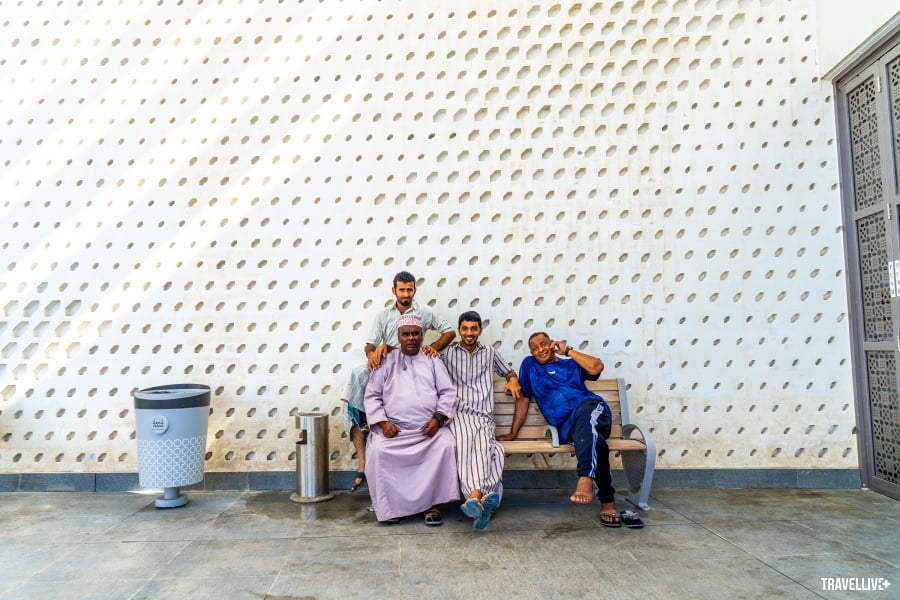
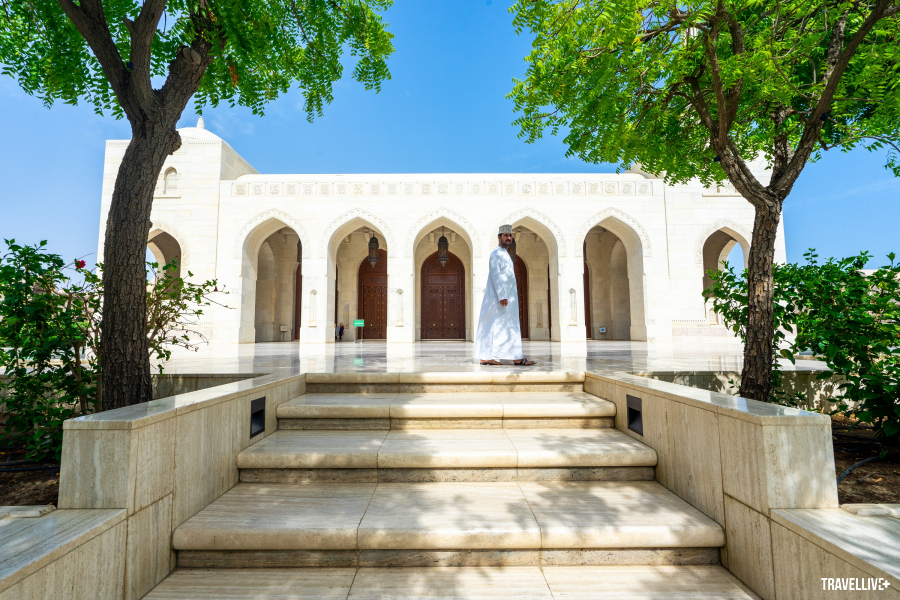
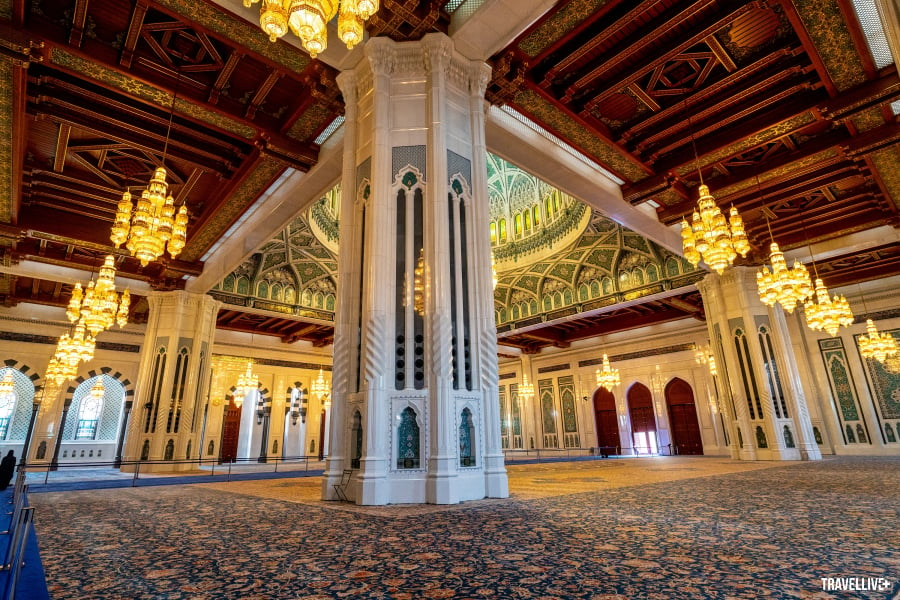
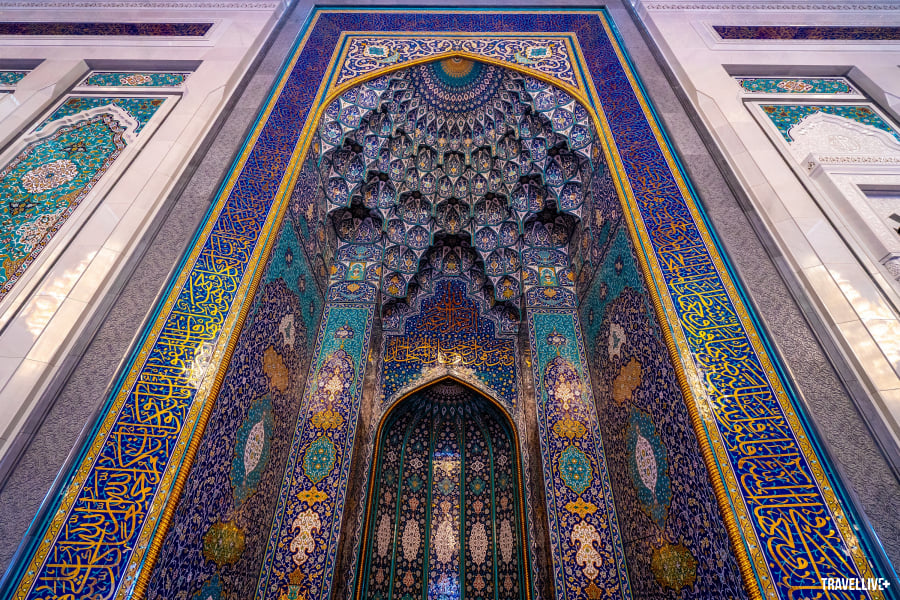
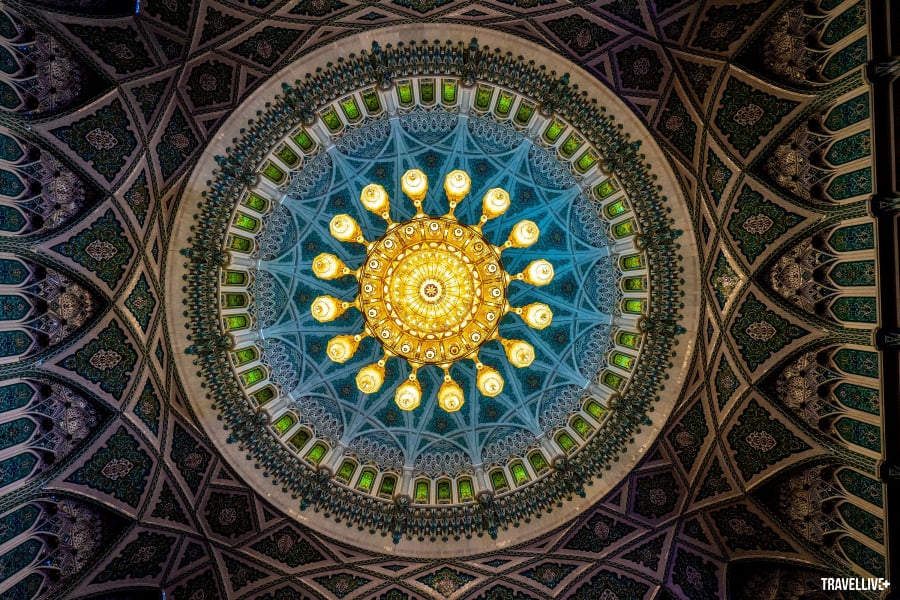
The Qaboos Mosque – an architectural masterpiece with a capacity of 20,000 worshippers – is a testament to Oman's wealth, with its entire floor and walls paved in marble. The most expensive feature of the mosque is the main prayer hall, which can accommodate 6,500 worshippers and features the world's second-largest Persian carpet, weighing 21 tons and dyed by dozens of artisans over four years. The mosque's dome is exquisitely decorated with Arabic patterns and a massive Swarovski crystal chandelier.
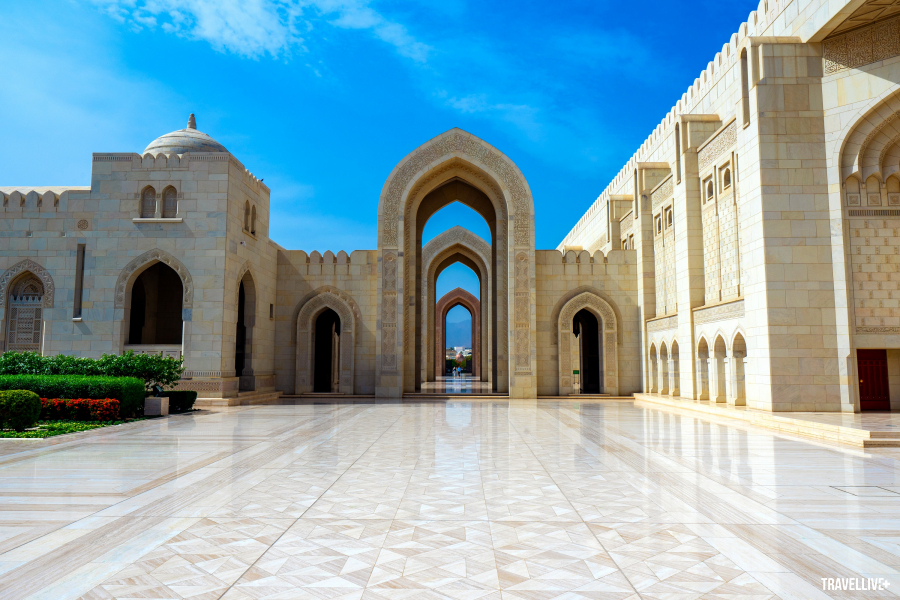
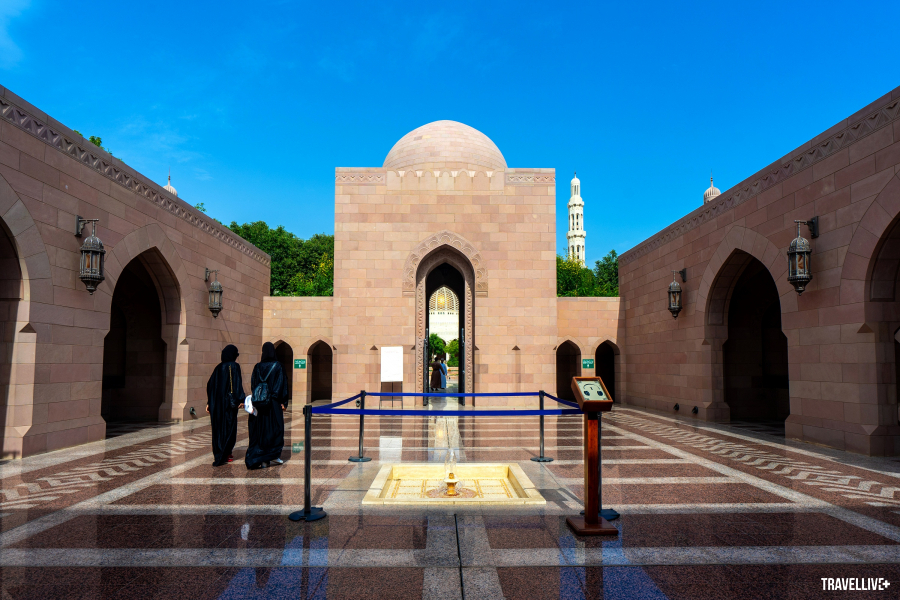
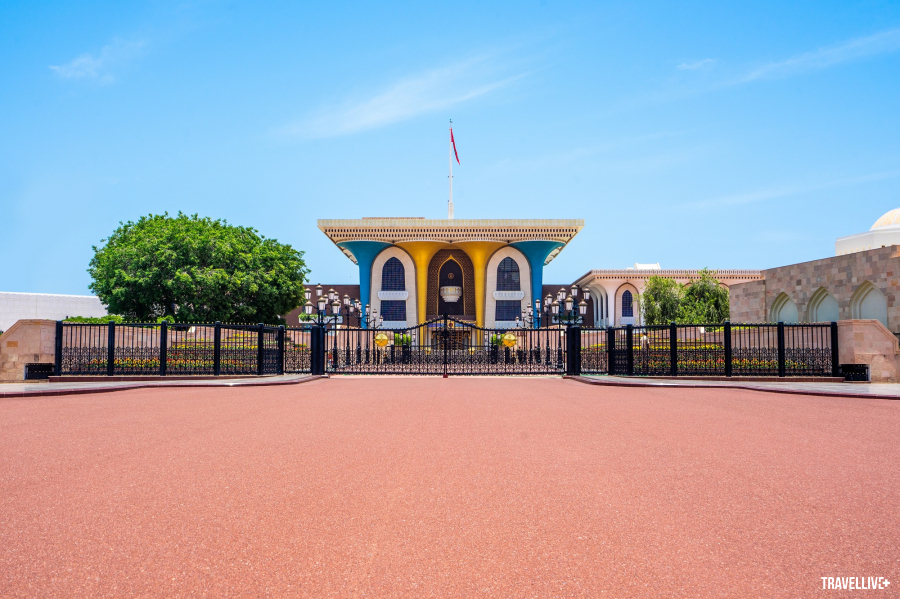
You can also stroll through the gardens to the King's Al Alam Palace Square, admiring the building from the outside in its brilliant turquoise and gold hues.
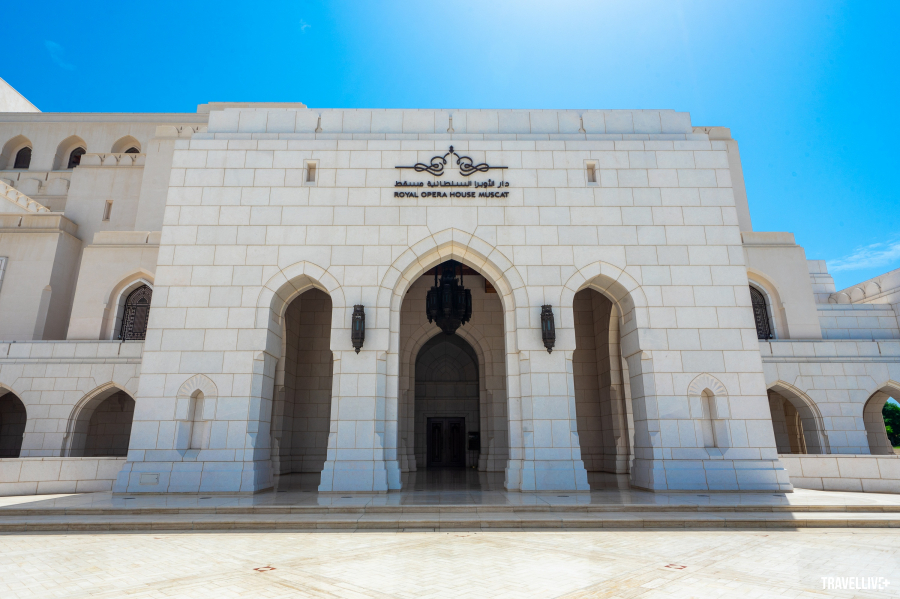
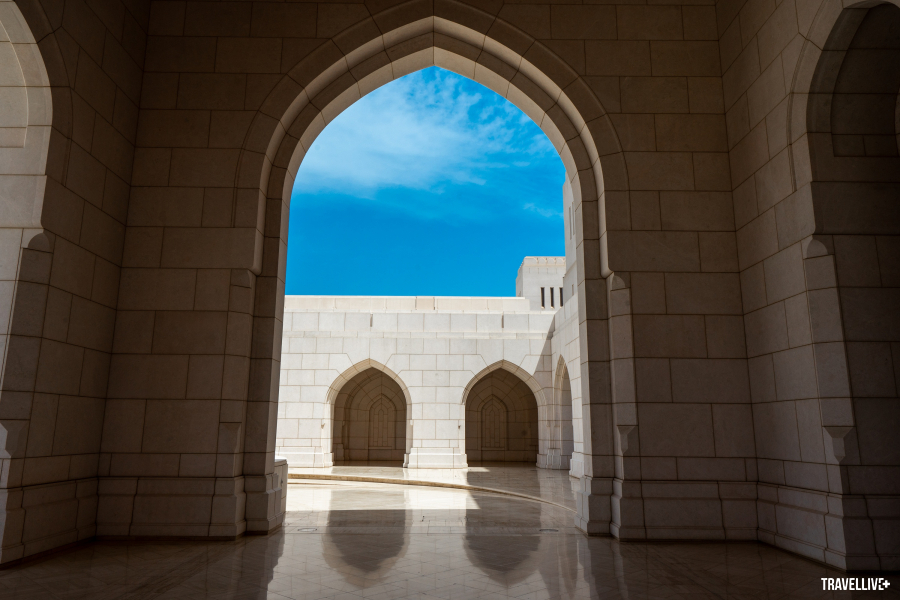
In addition, there is the Royal Opera House, with its opulent Omani architecture and a capacity of over 1,000 people. It is a meticulously designed venue with state-of-the-art equipment and hosts international-level opera, ballet, and concert performances.